Backflow testing is the process of checking a backflow prevention assembly to make sure it can stop unwanted reverse water flow. Normally, water moves from the drinking water supply toward your plumbing fixtures. Backflow happens when water moves in the opposite direction because of pressure changes. The concern is that water flowing backward can carry substances from a non-potable source into the potable water supply.
The U.S. Environmental Protection Agency describes backflow as unwanted flow of used or non-potable water or other substances into a potable water distribution system.A backflow test does not simply look at the outside of a device. It checks how the internal components respond under controlled pressure conditions.
Quick Answer
Backflow testing checks whether a backflow prevention device is working properly and protecting the potable water supply. A qualified tester examines the device and measures its operation under controlled conditions. The goal is to confirm that contaminated or non-potable water cannot flow backward into the drinking water system. Testing requirements and schedules vary by local authority.
Why Is Backflow Testing Important?
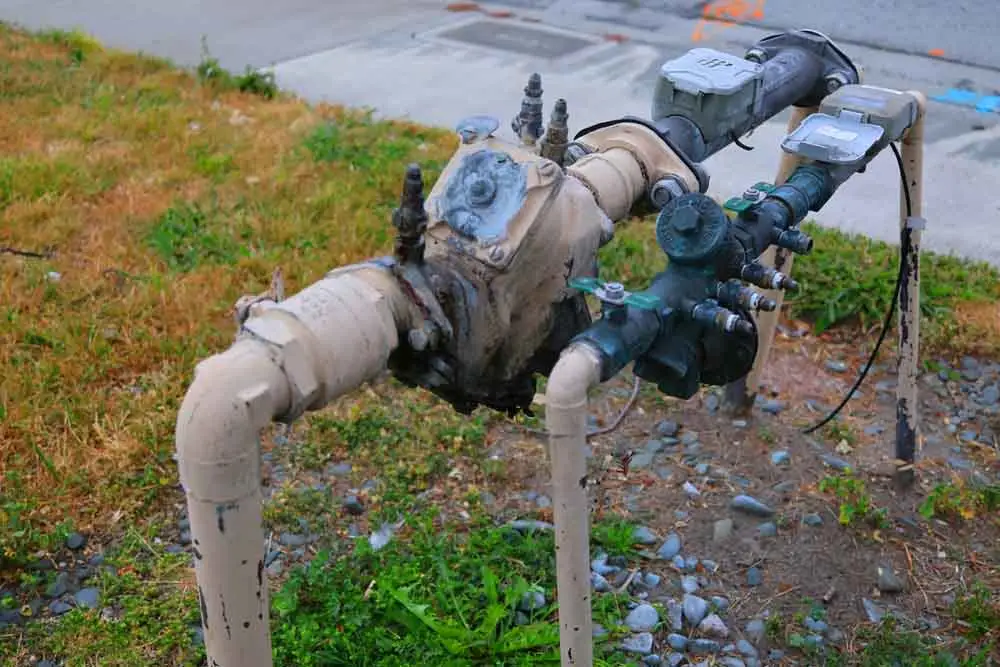
Backflow testing helps verify that a prevention device is providing the protection it was designed to provide.
A plumbing system can contain connections where drinking water comes into contact with water or substances that should not enter the potable supply. These are known as cross-connections.
Examples can include:
- Irrigation systems
- Commercial plumbing equipment
- Boilers
- Fire protection systems
- Hose connections
- Chemical handling equipment
- Swimming pool-related plumbing
Not every property has the same backflow risk. The type of plumbing system and possible source of contamination determine what protection may be needed.
EPA guidance recommends continued inspection and testing of backflow prevention devices according to applicable state and local requirements.
You can read about: How Does a PRV Valve Work
How Does Backflow Happen?
Backflow generally occurs because of a change in water pressure.
There are two common ways it can happen.
What Is Backpressure?
Backpressure occurs when pressure in a connected system becomes greater than the pressure in the potable water supply.
For example, a commercial plumbing system may contain equipment that operates under pressure. If the pressure on that side becomes higher than the drinking water supply pressure, water can potentially move backward.
What Is Backsiphonage?
Backsiphonage occurs when pressure in the potable water system drops and creates a vacuum-like condition.
A sudden water main break or other pressure loss can create conditions where water from a connected source is pulled toward the potable supply.
Both situations can create a backflow risk when an appropriate protection method is not in place.
What Is a Backflow Preventer?
A backflow preventer is a device or assembly designed to prevent unwanted reverse flow into the potable water system.
Different plumbing situations require different types of protection. Examples include:
- Reduced pressure principle assemblies
- Double check valve assemblies
- Pressure vacuum breakers
- Atmospheric vacuum breakers
- Other approved backflow prevention devices
The correct device depends on the type of hazard, plumbing arrangement, and applicable requirements.
A backflow preventer is not something you should select based only on pipe size. The potential hazard and local requirements also matter.
What Happens During a Backflow Test?
A backflow test follows a controlled procedure designed to determine whether the prevention assembly is operating correctly.
The exact procedure depends on the type of device.
In general, a tester may:
- Identify the backflow prevention assembly.
- Check the device and its connections.
- Confirm the direction of water flow.
- Connect testing equipment to the appropriate test ports.
- Take pressure measurements.
- Evaluate the operation of internal components.
- Compare the results with the applicable requirements.
- Record the test results.
- Identify whether repair or further service is needed.
EPA’s Cross-Connection Control Manual notes that testers should identify the type of device and flow direction before testing. The manual also describes testing under controlled no-flow conditions.
The tester may need to temporarily shut off water during the procedure. Property owners should follow the tester’s instructions during this period.
What Is the Difference Between Backflow Testing and Backflow Inspection?
Backflow inspection and backflow testing are related, but they are not exactly the same.
A backflow inspection generally focuses on examining the installation, condition, accessibility, and surrounding plumbing setup.
Backflow testing checks whether a testable backflow prevention assembly is actually operating within the required parameters.
For example, an inspection may identify a damaged valve, poor installation, or accessibility problem. A test provides performance information about the prevention assembly.
Some backflow programs may require both inspection and testing as part of their cross-connection control process. Requirements depend on the applicable authority.
Who Needs Backflow Testing?
Not every home or building will have the same testing requirements.
Backflow testing may be required or recommended for properties with certain plumbing systems or potential cross-connections.
These can include:
- Commercial properties
- Industrial facilities
- Apartment buildings
- Irrigation systems
- Restaurants
- Medical facilities
- Manufacturing facilities
- Properties with specialized plumbing equipment
- Buildings with designated backflow prevention assemblies
A homeowner may also have a testable backflow prevention device depending on the property’s plumbing configuration and local requirements.
Your water supplier or local plumbing authority can tell you whether testing is required for your property.
How Often Should a Backflow Preventer Be Tested?
There is no single testing schedule that applies to every property in every location.
Testing frequency can depend on the state, local water supplier, plumbing authority, type of assembly, and level of risk.
Some cross-connection control programs require annual testing, while other situations can have different schedules. EPA materials note that testing frequencies may be established by state or local requirements and can vary based on the program.
For this reason, do not rely on a generic yearly schedule without checking the requirements that apply to your property.
What Happens If a Backflow Preventer Fails?
A failed test does not necessarily mean the entire plumbing system needs to be replaced.
The next step depends on why the assembly failed.
A qualified professional may need to:
- Inspect the internal components
- Clean the assembly
- Replace worn components
- Repair the device
- Replace the assembly
- Retest the device after service
EPA guidance indicates that when a backflow prevention assembly fails testing, it should be repaired or replaced according to the applicable requirements.
The device should be retested when required after repair to confirm that it is operating correctly.
What Can Cause a Backflow Preventer to Fail?
Backflow prevention assemblies contain mechanical components that can wear or become affected by debris and other plumbing conditions.
Potential problems include:
- Worn internal parts
- Debris inside the assembly
- Corrosion
- Damaged seals
- Valve problems
- Improper installation
- Freezing or physical damage
- Changes to the plumbing system
A device that has passed a previous test should not automatically be assumed to remain in perfect working condition forever.
Regular inspection and testing help identify problems before the device is needed to protect the water supply.
Is Backflow Testing Required by Law?
Backflow testing requirements depend on where the property is located and the type of plumbing system involved.
There is not one universal testing rule that applies to every property across the United States.
State agencies, local governments, water suppliers, and plumbing authorities may establish cross-connection control requirements. EPA guidance specifically notes that backflow prevention programs and testing requirements can vary by state and municipality.
If you received a testing notice from your water provider or local authority, follow the instructions provided with that notice.
Can Homeowners Test a Backflow Preventer Themselves?
Backflow testing is generally not a good DIY plumbing task.
A testable backflow assembly requires appropriate testing equipment and knowledge of the device being tested. Some jurisdictions also require testing to be performed by an approved or certified tester.
The EPA’s cross-connection guidance emphasizes the use of trained or approved personnel for backflow device installation and testing programs.
A homeowner can visually check for obvious leaks or physical damage, but that is not the same as performing a formal backflow test.
What Is Backflow Detection?
Backflow detection involves identifying conditions that could allow contaminated or non-potable water to enter a potable water system.
A professional may look for potential cross-connections, pressure conditions, plumbing changes, or problems with backflow prevention equipment.
This is important because a backflow problem may not always be visible from the outside.
For example, a backflow preventer may appear intact while its internal components are not operating correctly. Testing provides information that a simple visual inspection cannot.
What Are Common Backflow Testing Mistakes?
Several mistakes can reduce the effectiveness of a backflow prevention program.
Assuming Every Device Uses the Same Test
Different backflow assemblies have different operating principles. The testing procedure must match the device.
Ignoring Local Requirements
A generic testing schedule may not satisfy the requirements of your water supplier or local authority.
Treating Inspection as Testing
Looking at a backflow preventer does not prove that it is functioning correctly.
Failing to Retest After Repairs
If a device is repaired, the applicable program may require another test to verify its performance.
Ignoring the Surrounding Plumbing
A properly functioning device does not eliminate every possible cross-connection problem. The broader plumbing system still needs appropriate protection.
What Should Property Owners Keep After a Backflow Test?
Keep copies of backflow test reports and repair records.
Your records may help you:
- Confirm when the device was tested
- Track previous repairs
- Show compliance when documentation is required
- Identify recurring problems
- Plan future maintenance
Some local programs may have specific reporting procedures, so property owners should follow the requirements of the responsible water authority.
Key Takeaways
- Backflow testing checks whether a backflow prevention assembly is working properly.
- Backflow can allow non-potable water or other substances to enter a potable water supply.
- Backpressure and backsiphonage are two common causes of backflow.
- Inspection and testing are related but serve different purposes.
- Testing frequency depends on state and local requirements.
- A failed test may require repair, replacement, and retesting.
- Homeowners should not treat a visual inspection as a formal backflow test.
- Commercial and other higher-risk properties may have specific cross-connection control requirements.
Conclusion
Backflow testing is an important part of protecting potable water from unwanted reverse flow. It checks whether a backflow prevention assembly is operating as intended and can help identify equipment problems before they create a larger water-quality concern.
For homeowners, property owners, and businesses, the right testing schedule depends on the plumbing system and local requirements. If a backflow preventer fails a test or shows signs of damage, professional inspection can determine whether it needs service or replacement.
Derks Plumbing can help property owners understand backflow-related plumbing concerns and determine when professional plumbing service is appropriate.

Frequently Asked Questions
What is backflow testing in simple terms?
Backflow testing checks whether a backflow prevention device is working correctly. It helps confirm that water from a potentially contaminated source cannot flow backward into the potable water supply.
How long does a backflow test take?
The time depends on the type of backflow assembly, its location, accessibility, and whether problems are found. A straightforward test can be relatively quick, while repairs or difficult access can extend the service time.
What happens if my backflow test fails?
A failed test means the assembly did not meet the applicable performance requirements. It may need cleaning, repair, replacement, and retesting depending on the cause and local requirements.
How often does a backflow preventer need testing?
The required schedule varies by jurisdiction, water supplier, device, and risk level. Some programs require annual testing, but property owners should confirm the schedule with the applicable local authority.
Is backflow testing the same as backflow inspection?
No. An inspection can evaluate the condition and installation of the system, while testing measures the performance of a testable backflow prevention assembly.
Can I test my backflow preventer myself?
A formal test generally requires specialized equipment and knowledge. Some jurisdictions also require an approved or certified tester, so homeowners should check their local requirements before attempting any testing.
Why does a property need a backflow preventer?
A backflow preventer helps protect the potable water supply from reverse flow caused by conditions such as backpressure or backsiphonage.
Do all homes need backflow testing?
No. Requirements depend on the property’s plumbing system, potential cross-connections, installed devices, and local regulations. Your water supplier or local authority can confirm whether your property requires testing.




