Chemical drain cleaners quickly clear stubborn blockages in sinks, tubs, and showers. However, these harsh store-bought liquid products generate intense heat and strong chemical reactions inside your plumbing system. Over time, that heat melts plastic joints, weakens glue, and eats away at metal pipes.
Using store-bought products often leaves homeowners wondering if is drain cleaner bad for pipes when plumbing issues happen later. The short answer is yes, because chemical solutions burn through clogs while slowly destroying your home pipes.
What Does ‘Is Drain Cleaner Bad for Pipes?’ Really Mean?
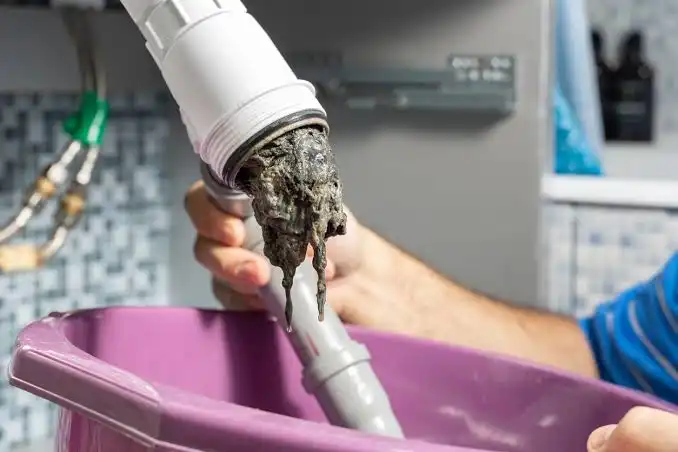
When people ask if liquid cleaners harm plumbing, they usually focus on immediate results. A clogged sink drains fast after you pour liquid cleaner down the trap. The standing water disappears, so the product seems like a total success.
However, the real damage happens out of sight inside your walls and floors. Chemical reactions keep working long after the main clog dissolves. Strong acids or lyes stay trapped in clogged areas and slowly break down plumbing walls.
Understanding the true impact means looking at long-term pipe health. A quick fix today can easily cause hidden leaks, rusted joints, and costly home repairs tomorrow.
How Does Drain Cleaner Work and Why Does That Matter for Pipe Safety?
Store-bought drain products use three main types of chemical formulas to clear organic blockages:
Caustic Cleaners: These products contain thick sodium hydroxide or potassium hydroxide. They turn grease, food scraps, and soap scum into a soft soap mixture that washes away.
Acidic Cleaners: These heavy-duty formulas contain sulfuric acid or hydrochloric acid. They break down thick hair, paper products, and heavy organic matter very fast.
Oxidizing Cleaners: These liquids use household bleach, nitrates, or peroxides. They burn through organic clogs and release heat and oxygen gas.
All three formulas rely on exothermic chemical reactions. That chemical process creates intense heat right inside your dark drain pipe.
When standing water stops the cleaner from moving, that trapped heat cooks the surrounding pipe. The harsh chemicals corrode metal and soften plastic while melting protective pipe linings.
How Chemical Drain Cleaners Affect Each Pipe Type
Plumbing systems use different materials, and each material responds differently to chemical stress.
PVC and CPVC Plastic Pipes
Plastic pipes are common in modern home construction because they resist rust and corrosion. However, plastic pipes remain very sensitive to high temperatures.
Oxidizing and caustic cleaners generate extreme heat when touching thick clogs. That high heat warps plastic walls, softens fittings, and dissolves glue at pipe joints.
If you wonder if liquid drain cleaner pvc safe labels are accurate, caution is key. Even products sold as drain cleaner safe for pipes can weaken plastic joints when standing water keeps chemicals in one spot.
Cast Iron Pipes
Older homes frequently feature thick cast iron drain lines. Cast iron is heavy and strong, but acidic drain products quickly strip away its protective inner coating.
Repeated chemical exposure causes internal rusting and rough flaking along iron walls. That flaking creates rough spots where hair and debris catch easily, creating worse blockages.
Copper and Galvanized Steel Pipes
Galvanized steel and copper pipes react poorly to acidic or caustic drain products. Acids eat through metal walls and create tiny pinhole leaks behind walls and under floors.
Over time, caustic chemicals corrode metal solder at pipe connections. That corrosion leads to sudden pipe bursts and expensive water damage inside walls.
In short, when asking if do drain cleaners damage pipes, the answer for all metal plumbing materials remains a definite yes.
You can read about: What is the Best Liquid Drain Cleaner
Signs Drain Cleaner Has Already Damaged Your Pipes
Chemical damage often stays hidden until major plumbing failures happen. Watching for early warning signs saves you money on emergency repairs.
Frequent and Recurring Clogs
If your drains keep backing up in the exact same spot, chemical cleaners may have roughened the inner pipe walls. Chemical etching creates sticky surfaces that trap grease and hair faster than smooth pipes.
Discolored Water or Metal Flakes
Dark brown or reddish water coming from lower drains indicates internal rust in cast iron pipes. Acidic products strip interior metal coatings and accelerate pipe rusting.
Unpleasant Chemical Smells
Persistent chemical odors coming from your sink drain mean harsh liquids are sitting in your pipe trap. Trapped chemicals continuously eat away at plastic traps and rubber seals.
Unexplained Leaks and Water Stains
Discolored spots on ceilings, damp drywall, or wet cabinets often point to small pinhole leaks caused by chemical corrosion inside walls.
You can read about: How to Unclog a Drain
Safe Alternatives to Drain Cleaners
You do not need harsh liquid chemicals to clear tough drain blockages safely. Effective, non-chemical methods remove clogs without risking structural pipe damage.
The Classic Plunger
A standard cup plunger creates natural pressure that moves standing water and dislodges soft blockages.
- Form a tight seal directly over the drain opening.
- Cover overflow vents with a damp cloth to maintain suction.
- Plunge firmly up and down for 30 seconds to loosen debris.
Manual Drain Snakes and Augers
A manual plastic drain snake reaches deep into sink traps to pull out thick hair masses and soap build-up physically.
- Insert the flexible snake tool gently into the drain opening.
- Rotate the handle slowly to catch trapped hair and debris.
- Pull the tool out carefully and clean off the removed mass.
Baking Soda and Vinegar Method
For minor kitchen clogs and smelly drains, natural household items offer a safe cleaning option.
- Pour half a cup of baking soda straight down the drain.
- Follow with one cup of fresh white distilled vinegar.
- Cover the drain for 15 minutes while the fizzing action works.
- Flush thoroughly with a gallon of hot water.
Chemical Drain Cleaner vs. Safe Alternatives
Understanding your options helps you make smart choices for your home’s plumbing system.
Chemical Cleaners
- Speed: Works in 15 to 30 minutes.
- Pipe Safety: High risk of corrosion, heat damage, and pinhole leaks.
- Effectiveness: Only melts soft organic matter, leaving mineral deposits behind.
- User Safety: Causes skin burns, toxic fumes, and eye injury risks.
- Environmental Impact: Toxic chemicals wash into local water systems.
Mechanical Tools (Plungers and Snakes)
- Speed: Works in 5 to 10 minutes.
- Pipe Safety: Completely safe for all pipe materials when used correctly.
- Effectiveness: Physically removes solid items, heavy hair, and object blockages.
- User Safety: Safe and easy to use without protective chemical gear.
- Environmental Impact: Zero chemical waste enters local sewers.
Natural Enzymatic Cleaners
- Speed: Requires several hours or overnight sitting time.
- Pipe Safety: Completely harmless to plastic, copper, and iron plumbing.
- Effectiveness: Slowly digests organic matter, grease, and soap buildup.
- User Safety: Non-toxic, safe for skin, and free from harsh fumes.
- Environmental Impact: Natural bacteria break down safely in ecosystems.
Natural enzymatic products serve as a safe for pipes drain cleaner option for regular maintenance. They use natural enzymes to eat organic waste without producing damaging heat.
Searching for the best drain cleaner safe for pipes leads straight to enzymatic cleaners because they protect plumbing lines while preventing clogs.
How Often Can You Use a Drain Cleaner? Frequency and Long-Term Effects on Pipes
You should avoid chemical drain products entirely. However, if you choose to use store-bought cleaners, limit applications to rare emergencies.
Using chemical products monthly creates a dangerous compounding effect inside your plumbing line:
Pinhole Leaks: Chemical residue eats through copper walls, creating hidden leaks behind drywall.
Joint Failure: Constant exposure dissolves pipe glue and rubber gaskets, causing joint separation.
Main Line Collapse: Ancient cast iron lines rot from the inside out, leading to costly main line replacement.
Repeated chemical use means asking if is drain cleaner bad for pipes becomes a question of when your pipes fail, not if they fail.
What to Do If You Already Poured Chemical Cleaner Down Your Drain
If chemical cleaner sits trapped in your drain right now, follow these safety steps:
Do Not Add Other Chemicals: Never mix different cleaning products. Combining bleach and ammonia creates deadly chloramine gas instantly.
Flush with Cold Water: If water moves slowly, flush cold water for 15 minutes to dilute chemical concentration and reduce heat.
Call a Licensed Plumber: Tell your plumbing specialist exactly which chemical product you used. Plumbers need protective gear when working near chemical liquids.
Professional Methods for Clearing Tough Blockages
Professional plumbers use advanced tools that clear stubborn blockages completely without damaging pipe walls.
Hydro Jetting
Hydro jetting uses high-pressure water streams to blast away tree roots, heavy grease, and scale build-up inside drain pipes. It cleans the entire pipe circumference safely without harsh chemicals.
Video Camera Inspection
Plumbers insert tiny waterproof cameras into drain lines to pinpoint clog locations and inspect pipe walls for existing chemical corrosion or structural cracks.
Conclusion
Chemical drain products promise quick fixes, but the hidden costs far outweigh temporary convenience. Harsh chemicals corrode metal, warp plastic, and weaken pipe joints over time.
Protecting your home plumbing requires safe tools like plungers, manual drain snakes, and natural enzyme cleaners. These methods clear stubborn clogs without risking costly water damage or pipe replacement.
When simple home methods fail, professional plumbing help provides long-term peace of mind. For reliable home assistance, contact Derks Plumbing for expert Drain Cleaning in Eagle Rock to keep your pipes flowing smoothly without chemical damage. Knowing whether is drain cleaner bad for pipes helps you protect your home investments for years to come.

Frequently Asked Questions
Can chemical drain cleaners melt plastic PVC pipes?
Yes. The chemical reaction in liquid cleaners generates intense heat. That heat softens PVC walls, distorts fittings, and weakens glue joints.
What is the safest way to clear a clogged sink drain?
Using a cup plunger or a manual plastic drain snake is the safest method. These tools physically remove blockages without chemical risks.
Are natural enzyme cleaners as effective as chemical cleaners?
Enzyme cleaners clear organic buildup effectively, but they take longer to work. They digest hair and soap scum overnight without damaging plumbing walls.
Why did my drain clog get worse after using liquid cleaner?
Chemical cleaners often dissolve only part of a blockage. The remaining sludge slides down and compacts lower in the drain line, creating a denser clog.
What should I tell my plumber if chemical cleaner is trapped in my sink?
Tell your plumber the exact product brand you used. Chemical liquids present splash hazards during professional snake work.




