High city water pressure can hurt your home pipes and cause scary leaks. A pressure reducing valve slows down the fast water coming from the city main line into your private building. This simple tool protects your appliances and keeps your plumbing safe every single day.
You might wonder how does a prv valve work to protect your property. The valve uses an adjustable internal spring and a rubber piece to compress the water path. This method keeps your main water flow at a steady and safe level.
What Is a PRV Valve?
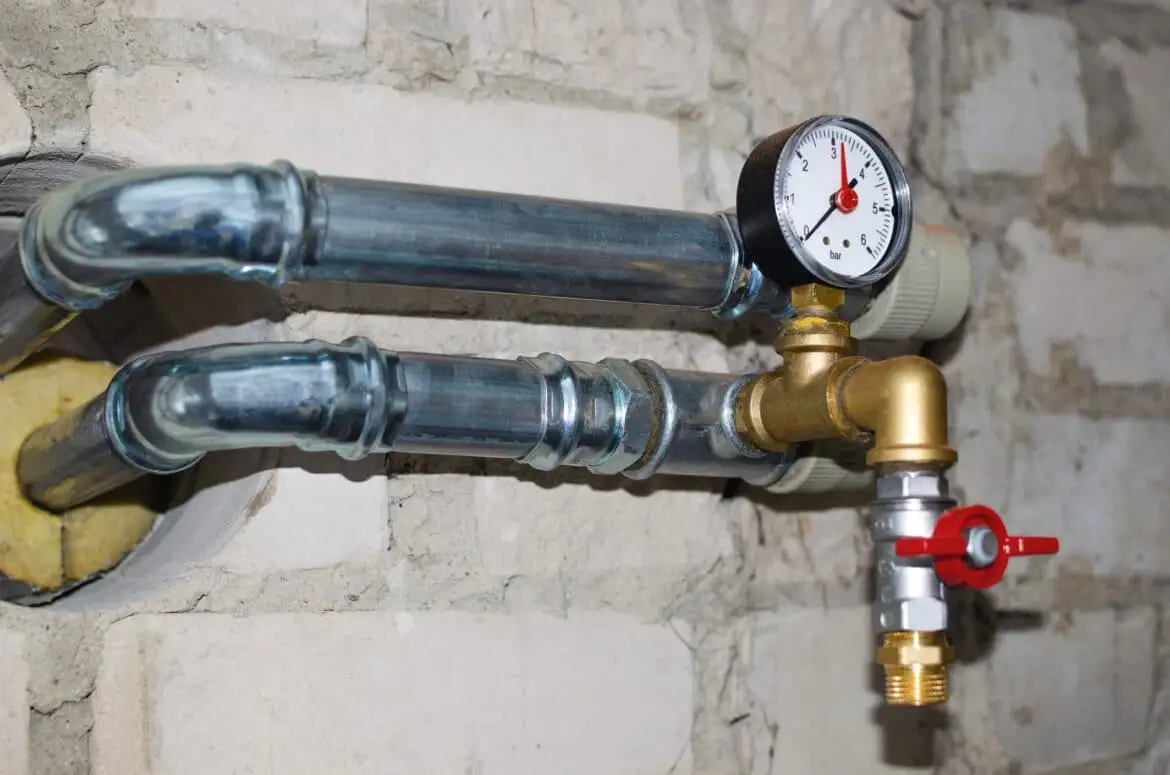
A PRV valve is a small brass plumbing device. PRV stands for pressure reducing valve. This tool sits on your main water line. It acts like a speed limit for your water. City water mains carry water at very high pressure. This pressure is often too high for a normal home. The valve takes that high pressure and lowers it to a safe level. Without it, your pipes could burst from the stress.
Many modern homes have these valves installed by law. They are tough devices made of heavy metal. Inside the metal body, there are a few moving parts. These parts work together without any electricity. The tool uses basic physics to keep your home safe from water damage. It is a quiet guardian for your home plumbing system.
How Does a PRV Valve Work?
To understand how a pressure reducing valve works, you have to look inside the brass body. The valve has two main parts inside. These parts are a tight steel spring and a flexible rubber diaphragm. The spring pushes down from the top of the valve. The water coming into the valve pushes up against the rubber diaphragm.
When city water enters the valve, it hits the rubber piece. If the water pressure is too high, it pushes the rubber piece upward. This action forces the spring to compress. When the spring compresses, it moves a tiny valve plug closer to the water opening. This shrinks the space that water can flow through.
A smaller opening means less water can pass through at one time. This slow down reduces the pressure instantly. When you turn on a faucet, the pressure drops on the home side. The spring then pushes back down to open the path a bit more. This constant balance keeps your water pressure level at all times. This is exactly how does a prv valve work under normal conditions.
You can read about: How to Test a Pressure Switch on a Well
What Does a PRV Valve Do in a Plumbing System?
You might ask your friends what does a pressure reducing valve do for your daily life. Its main job is to save your pipes from high pressure spikes. City water pressure can change during the night when few people use water. These sudden spikes can shock your water heater and washing machine.
The valve keeps the pressure smooth and steady. It also saves a lot of water. Slowing down the water flow means you use less water each minute. This change lowers your monthly utility bills. It also stops that loud banging noise in your walls known as water hammer. The valve acts as a cushion for your entire living space.
Where Is a PRV Valve Located?
Finding your valve is easy if you know where to look. It is always located on the main water line. This line enters your home before any branches split off. Check your basement or your crawl space first. The valve is usually right next to the main shutoff valve.
In warmer areas, the valve might be outside your home. Look inside a plastic box buried in the ground near the street. It will be near your water meter. It looks like a small brass dome with a bolt on top. Knowing its location is important for quick checks and sudden repairs.
What Is the Ideal Water Pressure for a House?
Every home needs the right balance of water flow. Low pressure makes showers weak and slow. High pressure destroys your home pipes. The ideal range for most homes is between 40 and 60 pounds per square inch. This measurement is called PSI.
Most plumbers look for a sweet spot right around 50 PSI. Anything above 80 PSI can cause heavy damage over time. High pressure voids the warranty on many appliances. It causes toilets to run constantly and stresses hose connections. Keeping your home within the safe range keeps your system happy.
Signs a PRV Valve Is Working Properly
A healthy PRV valve keeps pressure steady across every fixture in your home. You’ll notice even water flow whether you’re running one faucet or three at once.
Other signs of a properly working valve include:
- No banging or knocking sounds in the pipes
- Consistent pressure at both the highest and lowest fixtures in the house
- No sudden pressure spikes when other water use in the house stops
Signs a PRV Valve Is Bad or Failing
A failing valve usually shows up as a pressure problem somewhere in the house. Watch for these warning signs:
- Water pressure that’s suddenly too high or too low
- Banging pipes, also called water hammer
- Leaks around the valve body itself
- Pressure that changes throughout the day without an obvious reason
- A humming or vibrating sound coming from the valve
If you’re noticing any of these, don’t ignore it. A bad valve left alone can lead to burst pipes or damaged appliances over time.
Common Causes of PRV Valve Problems
Why do these sturdy valves stop working? The biggest enemy of a water valve is dirt and mineral buildup. Hard water contains tiny rocks and minerals like calcium. These minerals coat the internal spring and plug over time. This coating makes the parts stiff and slow to move.
The rubber diaphragm can also dry out and crack after years of use. When the rubber tears, water leaks into the spring chamber. This leak ruins the pressure balance completely. Sometimes, extreme pressure spikes from the city can break the internal spring. Regular wear and tear will eventually stop any mechanical valve.
How to Adjust a PRV Valve
Adjusting the valve is a simple task that you can do with basic tools. You will need a wrench and a flathead screwdriver. Look at the top of the brass dome on the valve. You will see a long bolt with a nut tight against the valve body.
First, loosen the lock nut with your wrench. This nut keeps the bolt from moving on its own. To raise the pressure, turn the main bolt clockwise. This tightens the spring inside. To lower the pressure, turn the bolt counterclockwise. Only make a single turn at a time. Check your water pressure at a nearby faucet after each turn. Tighten the lock nut when you reach your target.
How to Test a PRV Valve
Testing is one of the most reliable ways to confirm how does a PRV valve work in your specific home, since every setup has its own baseline pressure. Testing starts with a pressure gauge attached to an outdoor spigot or a laundry connection. Check the reading with no other water running in the house, then check it again while running a faucet elsewhere.
A properly working valve keeps both readings close together. A big difference between the two suggests the valve isn’t regulating pressure the way it should.
You can also test by shutting off the main valve, opening a faucet to release pressure, then slowly reopening the main valve while watching how quickly pressure builds at the tap. Write down your readings each time, since a slow drift over several months is often the first sign of a valve starting to wear out.
Can a PRV Valve Increase Water Pressure?
A common question is how does a prv work when home pressure is too low. Many people think the valve can pump water to make it faster. This is a misunderstanding of the tool. The valve can only reduce pressure coming from the city. It cannot create pressure on its own.
If your city water comes in at 40 PSI, your valve cannot raise it to 60 PSI. However, if your valve is set too low by mistake, turning the bolt can increase the flow. It unlocks the hidden pressure that was already waiting outside. If your city pressure is truly low, you need a motorized booster pump instead.
How Long Does a PRV Valve Last?
A good pressure valve is highly durable. Most high quality valves last between seven and twelve years. The lifespan depends heavily on your local water quality. Hard water with lots of minerals will shorten the life of the valve.
It is a smart idea to test your water pressure once every year. This quick check catches a failing valve before it damages your home appliances. Replacing the valve early saves you from costly pipe repairs later. Do not wait for a pipe to burst before you check this tool.
Should You Repair or Replace a PRV Valve?
When a valve breaks down, you have to choose between a repair or a new unit. You can buy repair kits that contain a new spring and rubber diaphragm. Repairing can save money if the brass body is clean and smooth.
However, replacing the entire valve is usually the better choice. Taking an old valve apart can be tough due to rust and mineral crust. A brand new valve gives you total peace of mind for another decade. Most professional plumbers prefer to install a complete new unit to ensure safety.
Conclusion
Managing your home water pressure is vital for a safe plumbing system. A failing valve can lead to expensive leaks and broken appliances. Monitoring your system keeps your home safe and keeps your bills low. Learning how does a prv valve work gives you the knowledge to protect your property from hidden water stress.
If you notice sudden pressure changes or loud noises in your walls, do not wait. It is time to call in the experts to check your main water line. For reliable help, contact Derks Plumbing. Our team offers premium Plumbing Services in Los Angeles to keep your home safe and comfortable. We can test, adjust, or replace your valve quickly to protect your pipes.

FAQs
Can I install a pressure reducing valve myself?
You can install it yourself if you have good pipe cutting skills. It requires cutting your main copper or plastic water pipe. If you are not comfortable with soldering or plumbing tools, call a professional.
Why is my new pressure valve whistling?
A whistling sound usually means water is squeezing through a very tight space. The valve might be adjusted too low. It could also mean there is a piece of debris trapped inside the valve opening.
Does a pressure reducing valve reduce water flow?
Yes, it reduces both pressure and the volume of water flow. This reduction is normal and helps you save money on your water bill. It does not make your showers feel weak if it is set correctly.
What happens if a pressure valve fails completely?
If it fails open, high pressure will flood your home system and damage appliances. If it fails closed, you will lose almost all water pressure inside the house. Both issues require fast attention.




