

A standard residential toilet weighs between 80 and 120 pounds when empty. Light models can weigh as little as 50 pounds, while heavy porcelain fixtures can reach 140 pounds. Wall-mounted models often weigh around 60 pounds, but their internal mounting frames add extra bulk behind the wall.
Plumbers and homeowners often ask how much does a toilet weigh before starting a renovation. Knowing this exact bulk helps you pick the right tools, protect your back, and prevent expensive floor damage during a DIY replacement project.
Average Weight of a Standard Toilet
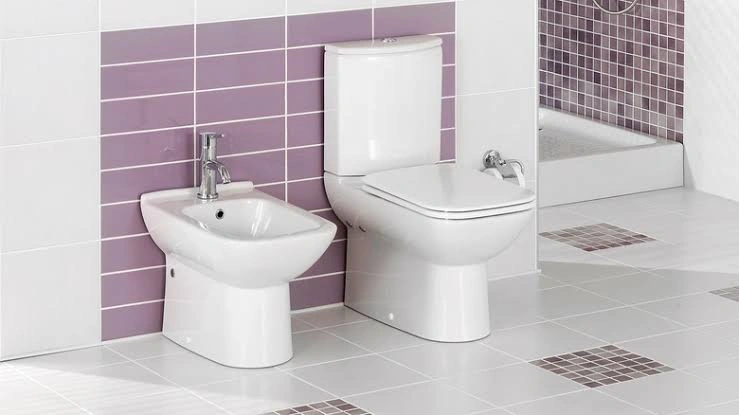
Most homes feature a traditional two-piece vitreous china fixture. The total weight of a toilet in this standard style usually sits right at 90 pounds. Vitreous china is dense ceramic clay coated with an enamel glaze. The clay density makes the ceramic strong, non-porous, and heavy.
When asking how heavy is a toilet, you must consider the design. A basic round-front model weighs less than an elongated bowl model. Extra clay is used to stretch the front of an elongated bowl by two inches, adding about five to eight pounds to the total structure.
Toilet Weight Breakdown List
Different styles and materials change the total load on your floor. Here is a clear breakdown of average dry weights across popular categories:
- Standard Two-Piece Model: 80 to 100 pounds total
- One-Piece Model: 88 to 120 pounds total
- Smart Toilet: 100 to 160 pounds total
- Wall-Hung Model: 50 to 80 pounds (bowl only)
- Corner Unit: 90 to 115 pounds total
- Commercial Flushometer Model: 60 to 90 pounds (no tank)
- Lightweight RV Plastic Model: 10 to 25 pounds total
What Affects the Weight of a Toilet?
Several main factors dictate how heavy toilets are when you try to lift them. The primary factor is material composition. Vitreous china remains the industry standard because it resists stains and water absorption. However, thick ceramic walls add substantial mass.
Design shape plays another major role. Compact round bowls require less material than extended oval designs. Trapway construction also adds ceramic material inside the base.
Tank size contributes directly to total mass. Dual-flush tanks with thick internal walls weigh more than slim gravity tanks. Integrated electronic components, bidets, and water heaters inside high-tech fixtures boost total mass significantly.
Average Weight by Toilet Type
To understand how much do toilets weigh, it helps to examine specific design categories. Each style serves different room layouts and user needs.
Gravity-fed two-piece fixtures stay near the lower end of the spectrum. Their split design distributes total bulk across two separate pieces, making shipping and handling easier for installers.
Pressure-assisted units weigh more than regular gravity models. They contain a plastic pressure tank sealed inside the ceramic tank. That extra inner pressure vessel adds roughly 10 to 15 pounds of hardware mass.
Commercial units often lack a ceramic tank entirely. They connect directly to high-pressure water supply pipes using a flushometer valve. These ceramic bowls weigh 60 to 80 pounds on their own.
How Much Does a Toilet Bowl Weigh?
The bottom section of a two-piece fixture is the bowl. A standard porcelain bowl weighs between 50 and 70 pounds on its own. It holds the internal trapway paths and the broad floor mounting base.
The bowl carries most of the total structural mass because it supports user weight directly. Larger mounting bases and thick siphon jet channels add ceramic density near the bottom.
When installing a two-piece unit, you carry the bowl to the bathroom flange first. Securing a 60-pound bowl onto wax rings requires steady hands to align the closet bolts accurately.
How Much Does a Toilet Tank Weigh?
The upper section of a two-piece fixture is the tank. An empty porcelain tank weighs between 30 and 50 pounds. This weight includes the ceramic lid, flush valve assembly, and fill valve hardware.
The tank lid itself is surprisingly heavy. A standard ceramic tank lid accounts for 10 to 15 pounds of that total. Always remove the lid before lifting a tank to avoid accidental drops and cracks.
Attaching an empty tank to an installed bowl is a quick job. Since you only lift 35 pounds at once, alignment is simple for one person working alone.
How Much Does a Toilet Weigh With Water?
Water adds significant operational weight to your plumbing setup. One gallon of water weighs exactly 8.34 pounds. Older fixtures hold 3.5 to 5 gallons in the tank, while modern high-efficiency units hold 1.28 to 1.6 gallons.
A modern fixture with a 1.6-gallon tank holds about 13 pounds of water in the tank and bowl combined. When you add that liquid mass to a 90-pound frame, the operating weight reaches 103 pounds.
Older models with 5-gallon tanks hold over 40 pounds of water. That brings the total operational weight of a toilet up to 140 pounds or more during daily household use.
Does Toilet Weight Matter?
Understanding fixture mass is critical for home safety and structurally sound installations. Porcelain is brittle and awkward to grip. Dropping a heavy ceramic piece can shatter the unit and slice through leather gloves or footwear.
Floor strength is another key concern. Old subfloors damaged by past leaks might sag under continuous weight. Combining a 120-pound fixture with a 200-pound person requires strong floor joists underneath.
Transporting fixtures upstairs requires proper planning. Carrying a heavy box up narrow staircases without help can lead to severe muscle strain or accidental falls.
Can One Person Lift a Toilet?
One adult can usually lift an empty two-piece fixture by separating the tank from the bowl. Carrying a single 50-pound bowl or a 35-pound tank is manageable for most healthy individuals.
Lifting an assembled one-piece unit alone is much harder. One-piece models weigh up to 120 pounds and lack clean handholds. The awkward center of gravity makes solo lifting risky for your back.
If you must move a fixture alone, always clear your walking path first. Bend your knees, keep your back straight, and hold the heavy ceramic close to your chest.
How to Move a Heavy Toilet Safely
Moving heavy fixtures requires careful prep work to prevent injuries and home damage. Follow these practical steps when handling heavy porcelain:
- Shut off the water supply valve completely.
- Flush the toilet and sponge out all remaining water from the tank and bowl.
- Disconnect the flexible water supply line.
- Unscrew the tank bolts and lift the tank off the bowl carefully.
- Remove the floor bolt caps and unfasten the brass flange nuts.
- Break the wax seal by gently rocking the bowl back and forth.
- Lift the bowl straight up and set it onto heavy cardboard or a thick blanket.
Using a furniture dolly helps move heavy units across long hallways or out to your garage without scratching hard floors.
You can read about: How to Plunge Toilet Drains
One-Piece vs Two-Piece Toilet Weight
Comparing these two popular configurations reveals clear handling differences. A two-piece setup weighs 80 to 100 pounds total, split into two manageable sections. A one-piece model weighs 90 to 120 pounds as a single solid unit.
It is important to evaluate how much does a toilet weigh when choosing between these styles. One-piece options feature seamless ceramic construction. This seamless build eliminates leak points between tank and bowl, but it adds extra ceramic connection mass.
Installing a two-piece fixture allows you to carry 55 pounds first, then 35 pounds second. Installing a one-piece fixture forces you to lift all 110 pounds at once in tight bathroom spaces.
Smart Toilets vs Standard Toilets
Smart fixtures are gaining popularity in modern home remodels. However, advanced features add substantial physical weight compared to basic gravity units. Standard models weigh 90 pounds, while smart units often weigh 120 to 160 pounds.
Smart fixtures include internal water pumps, electric heaters, automatic lids, and heated bidet seats. These integrated electronic components require larger bases and internal metal frames.
Smart units also feature complex electrical wiring and dual water lines. You must handle these heavy systems with care to avoid damaging expensive internal circuit boards during installation.
Why Knowing Toilet Weight Is Important
Knowing exact equipment mass protects your home framing and plumbing infrastructure. Weak subfloors near old wax rings often rot silently. Placing a heavy fixture on damaged wood causes leaks and dangerous floor sagging.
It also helps you plan proper installation labor. Knowing how much does a toilet weigh allows you to decide if you need a helper or specialized lifting equipment before starting work.
Plumbing codes also mandate proper wall backing for wall-hung units. A wall-hung bowl weighs 70 pounds empty, but carrying a user requires a steel carrier frame rated for 500 pounds inside the wall.
Subfloor and Structural Considerations
Before mounting a heavy porcelain fixture, inspect your bathroom subfloor carefully. Plywood subfloors should be at least three-quarters of an inch thick to support continuous loads without flexing.
Subfloor flexing cracks wax ring seals beneath your bowl. Once a wax ring breaks, water seeps into the wood every time you flush, weakening the floor further.
Reinforce old joists or replace rotted subfloor panels before setting a heavy unit in place. Proper floor prep ensures your installation stays level and leak-free for decades.
Conclusion
Knowing how much does a toilet weigh helps you plan safe bathroom upgrades, protect your back, and prevent accidental floor damage. Standard units weigh around 90 pounds, while one-piece and smart models require extra effort to move safely.
If you are planning a bathroom renovation, leave the heavy lifting to trained plumbing professionals. For expert assistance with your home plumbing, contact Derks Plumbing for reliable Toilet Installation in Eagle Rock today.

Frequently Asked Questions
How heavy is a toilet lid?
A standard ceramic tank lid weighs between 10 and 15 pounds. Plastic or wooden toilet seat covers on the bowl weigh only 2 to 5 pounds.
Why are toilets made of heavy porcelain?
Porcelain is non-porous, highly sanitary, and resistant to water damage. It easily holds heavy weight without flexing or rusting over time.
How much weight can a standard toilet support?
Most residential floor-mounted porcelain toilets are tested to support at least 300 to 500 pounds safely when installed on a level subfloor.




