When a water heater smells like burning, it can be a sign of dust buildup, overheating electrical components, damaged wiring, or a problem with the gas burner. Although some odors may have a simple explanation, a strong or persistent burning smell should never be ignored. Identifying the source early can help prevent equipment damage and reduce potential safety risks.
Homeowners and tenants may notice different odors, including burning plastic, rubber, or hot electrical insulation. Each smell can point to a different issue, so it is important to recognize the warning signs and know when professional help is necessary. This guide explains the common causes, immediate safety steps, and ways to prevent the problem from returning.
What to Do When Your Water Heater Smells Like Burning
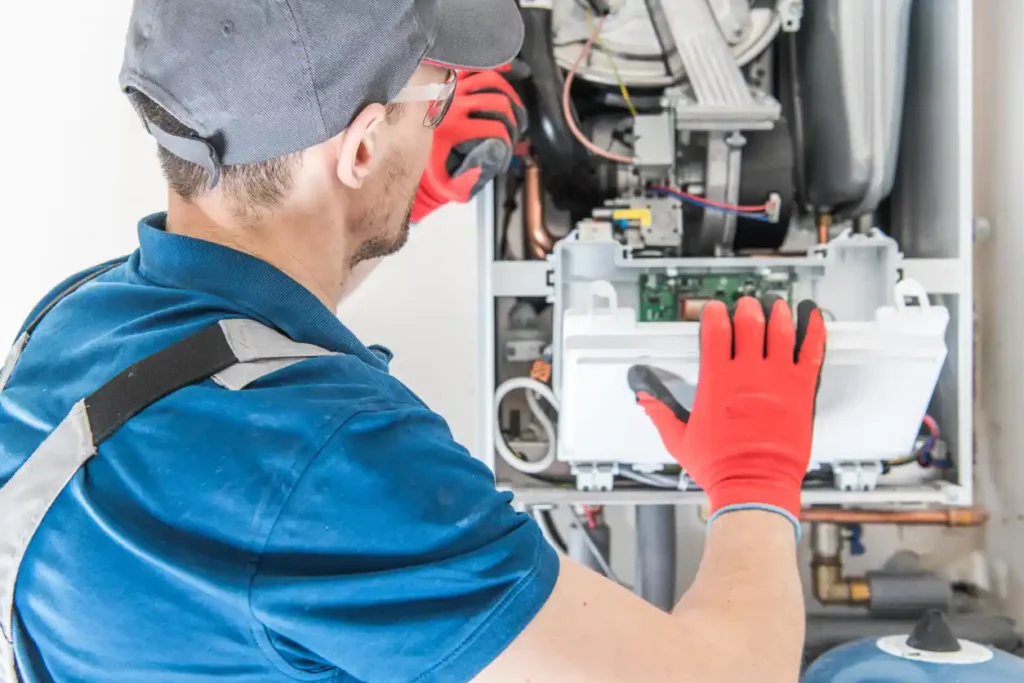
Before trying to identify the cause, take steps to protect yourself and your home. A burning odor may indicate overheating or an electrical fault that requires immediate attention.
- Stop using the heater: If the smell is strong, persistent, or resembles burning plastic or electrical insulation, stop operating the unit.
- Check for visible warning signs: Look for smoke, sparks, melted materials, or discoloration from a safe distance. Do not touch hot or damaged components.
- Disconnect power only when safe: If an electric water heater appears to be overheating, switch off its breaker only if you can do so safely without approaching water, smoke, or exposed wiring.
- Treat gas odors as an emergency: If you smell gas or rotten eggs, leave the building immediately. Avoid operating electrical switches or appliances, and contact the gas utility or emergency services from a safe location.
- Arrange a professional inspection: Do not remove electrical covers, dismantle the burner, or restart the unit just to see whether the smell returns.
Taking these precautions can help prevent an existing problem from becoming more serious.
Common Causes of a Water Heater Burning Smell
A water heater burning smell can develop for several reasons. The type of heater, the location of the odor, and any additional warning signs can help a professional determine the likely source.
Dust Burning Off During Initial Use
Dust can accumulate on the exterior of a water heater and nearby surfaces. When the equipment starts operating after a long period of inactivity, heated dust may create a temporary dusty or hot smell.
This explanation is more likely when the odor is mild and disappears quickly. However, a persistent smell should not automatically be blamed on dust, particularly if it resembles burning plastic or electrical insulation.
What to do: If the odor returns, becomes stronger, or occurs alongside unusual noises or heating problems, stop using the unit and arrange an inspection.
Overheating Electrical Wiring
Electric water heaters depend on wiring, thermostats, heating elements, and electrical connections. Damaged insulation, loose connections, or a failing component can generate excessive heat and produce an acrid burning odor.
Other warning signs may include a repeatedly tripping circuit breaker, buzzing sounds, or discoloration around the electrical access area.
Electrical overheating can create a fire hazard. Repeatedly resetting a tripped breaker without identifying the cause can make the situation more dangerous.
What to do: Stop using the heater and contact a qualified electrician or water-heater technician. Avoid opening electrical panels or attempting repairs yourself.
Faulty Heating Elements or Thermostats
An electric water heater uses heating elements to warm the water and thermostats to regulate its temperature. If a heating element or thermostat malfunctions, the unit may heat inconsistently or develop an overheating problem.
You may notice unusually hot water, fluctuating temperatures, or an odor coming from the equipment. However, these symptoms do not prove that a particular component has failed.
What to do: Have a professional inspect the heating elements, thermostat, wiring, and safety controls. If the water becomes dangerously hot or an electrical burning smell develops, stop using the unit until it has been checked.
Hot Water Heater Smells Like Burning Plastic
When a hot water heater smells like burning plastic, the cause may be an overheating electrical component, damaged wire insulation, or plastic material exposed to excessive heat.
The smell may be strongest near the side or top of the heater, but odors can travel through a room, making the exact source difficult to identify.
Look for warning signs such as melted material, dark marks, a persistent chemical-like odor, or changes in the heater’s operation. Do not touch melted plastic or reach behind the equipment to investigate.
What to do: Stop using the heater if the source is unclear or the odor persists. Arrange a professional inspection before putting the equipment back into service.
Gas Burner or Combustion Problems
Gas water heaters use a burner to heat the water. Problems with the burner, combustion process, or other components may cause unusual odors or indicate that servicing is needed.
Soot, scorching, unusual burner behavior, and repeated shutdowns are signs that the unit should be inspected. A burning odor alone cannot confirm a combustion problem.
Carbon monoxide is another important safety concern with fuel-burning appliances. It has no smell, so a normal-looking burner or the absence of an unusual odor does not prove that the appliance is safe.
What to do: Stop using a malfunctioning gas water heater and contact a qualified technician. If a carbon monoxide alarm sounds or anyone experiences symptoms such as dizziness, headache, nausea, or confusion, leave the building and contact emergency services.
Overheating Materials Around the Heater
Sometimes the smell comes from something near the water heater rather than from the unit itself. Nearby plastic items, cardboard, insulation, wiring, or other materials exposed to heat can produce a burning odor.
This is one reason a proper inspection should consider both the heater and its surrounding area.
What to do: Keep the area clear of combustible materials and follow the manufacturer’s clearance requirements. Do not move anything that is hot, smoking, or potentially electrically dangerous.
Electric vs. Gas Water Heater Burning Smells
The potential causes of a burning smell differ depending on the type of water heater installed in your home.
| Water heater type | Possible cause | Warning signs |
| Electric water heater | Damaged wiring, faulty thermostat, overheating heating element | Electrical odor, tripped breaker, unusually hot water |
| Gas water heater | Burner malfunction, combustion issue, overheated nearby materials | Soot, scorching, unusual burner operation |
| Both types | Dust buildup or materials exposed to heat | Persistent odor, discoloration, unusual equipment behavior |
These symptoms are clues rather than a confirmed diagnosis. A qualified technician can inspect the relevant components and determine what needs repair.
What If the Burning Smell Comes From the Hot Water?
A burning smell around the water heater is different from an unusual odor that appears when you turn on a hot-water tap. The second situation may involve the water supply, the tank, or the plumbing system.
Pay attention to when the odor occurs:
- Only when using hot water: The source may be related to the hot-water system or its plumbing.
- From both hot and cold taps: The water supply or another shared plumbing issue may need investigation.
- Around the heater even when no water is running: The equipment or nearby materials may be responsible.
A sulfur-like or rotten-egg smell in water can have different causes from an acrid electrical odor. If water smells strongly chemical or like burning plastic, avoid drinking it or using it for cooking until the source has been assessed.
If the smell appears to come from the heater itself, follow the appropriate safety precautions rather than assuming the water is responsible.
When Should You Call a Professional?
Knowing when to seek professional assistance can help prevent further damage and reduce safety risks.
Contact a qualified professional promptly if you notice:
- A strong or persistent burning smell.
- Burning plastic or electrical insulation odors.
- Repeatedly tripping circuit breakers.
- Melted materials, scorch marks, or damaged wiring.
- Unusually hot water or unexplained temperature changes.
- Unusual burner behavior or recurring equipment shutdowns.
Smoke, sparks, or flames require immediate safety action. Leave the area and contact emergency services if necessary. If you suspect a gas leak or carbon monoxide exposure, do not remain inside to investigate.
A qualified plumber or water-heater technician can inspect the heating system, controls, and relevant components. Electrical faults may also require a licensed electrician.
For homeowners who need a new unit, professional Water Heater Installation in Eagle Rock can help ensure the system is properly sized for household hot-water needs and installed according to applicable safety requirements. Derks Plumbing can be considered when you need professional plumbing assistance to evaluate your existing water heater, discuss replacement options, and plan a suitable installation.

How to Prevent a Water Heater Burning Smell
Regular maintenance and safe operation can help identify potential problems before they become serious.
Keep the Area Around the Heater Clear
Avoid storing cardboard, plastic containers, laundry, or combustible materials close to the unit. Follow the manufacturer’s clearance requirements and keep ventilation openings unobstructed.
Schedule Regular Maintenance
A professional inspection can identify damaged connections, worn components, burner problems, and other issues that may affect safe operation. Follow the maintenance schedule recommended for your particular model.
Do Not Ignore Recurring Odors
A smell that disappears and later returns may indicate an unresolved problem. Note when the odor occurs, whether the heater is running, and where the smell seems strongest. Share these details with the technician.
Monitor Water Temperature
Excessively hot water can cause scalding and may indicate a control problem. Use the manufacturer’s recommended temperature settings and seek professional help if the water becomes unexpectedly hot.
Follow Manufacturer Instructions
Tank and tankless water heaters can have different servicing requirements. Follow the instructions for your specific model and leave repairs involving gas, electricity, or internal components to qualified professionals.
Should You Repair or Replace a Water Heater That Smells Burnt?
A burning smell does not automatically mean you need a new water heater. The right decision depends on the underlying fault, the condition of the equipment, and the cost and practicality of the required repair.
Repair may be suitable when a technician identifies a specific faulty component that can be replaced safely and the rest of the system remains in good condition.
Replacement may be worth considering if the tank is leaking, the equipment has extensive corrosion or damage, serious faults keep recurring, or repairs are no longer practical.
Before making a decision, ask the technician to explain the source of the odor, the recommended solution, and whether other components have been affected. Request a clear estimate for the necessary work.
If replacement is recommended, choose a unit suited to your household’s hot-water demand and confirm that it is compatible with your home’s electrical or gas supply. Proper installation and compliance with applicable requirements are essential for safe operation.
Conclusion
When a water heater smells like burning, the odor may come from dust, overheating electrical components, damaged wiring, a gas burner problem, or materials near the equipment. The smell alone cannot confirm the cause, so it is important to consider other warning signs and avoid unsafe troubleshooting.
Stop using the heater if you suspect overheating or an electrical fault, and do not restart it simply to test whether the smell returns. For gas odors, smoke, fire, or suspected carbon monoxide exposure, leave the area and seek emergency assistance.
A professional inspection can identify the underlying issue and help determine whether repair or replacement is the appropriate solution. Regular maintenance, safe storage around the heater, and prompt attention to unusual odors can help keep your hot-water system operating safely.
Frequently Asked Questions
Is it normal for a water heater to smell like burning?
A mild dusty smell may occur when accumulated dust heats up, but a strong, persistent, or electrical burning odor should not be considered normal. Stop using the unit if you suspect a fault.
Why does my hot water heater smell like burning plastic?
Possible causes include overheating wiring, damaged insulation, a failing electrical component, or plastic material exposed to heat. Stop operating the heater and arrange a professional inspection.
Can I continue using a water heater that smells burnt?
It is not advisable when the odor may indicate overheating, melting materials, or an electrical or gas-related problem. Stop using the heater and seek professional advice before restarting it.
Can a burning smell from a water heater cause a fire?
Yes. If the odor comes from overheating wiring or combustible materials, it may indicate a potential fire hazard. Smoke, sparks, or visible melting require immediate attention.
Who should I call if my water heater smells like burning?
Contact a qualified plumber or water-heater technician for an inspection. A suspected electrical fault may also require a licensed electrician. For a gas leak, fire, or suspected carbon monoxide exposure, leave the area and contact emergency services.




