To clear a clogged drain quickly, form a tight seal over the drain hole with a flange plunger. Press down gently to force out trapped air, then push and pull firmly for 15 to 20 seconds. This push-pull movement creates water pressure that breaks apart the blockage and pushes it down the pipe.
Knowing how to plunge toilet fixtures correctly keeps your bathroom clean and prevents messy water overflows. Homeowners can easily fix slow drains and stubborn blockages using the right technique and basic household tools.
When Should You Plunge a Toilet?
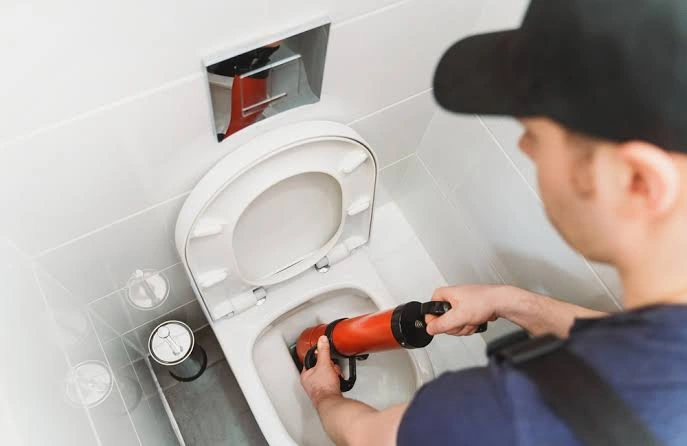
Plunging is the best first step whenever wastewater stays in the bowl or drains very slowly. Most household clogs happen when too much toilet paper, heavy wipes, or waste gets caught in the curved trap behind the bowl.
You should act immediately if you notice the water level rising close to the rim after a flush. Waiting allows wastewater to spill over onto your floor. Do not flush a second time if the bowl fills up. Instead, remove the tank lid and press the flapper down to stop more water from entering the bowl.
However, you should avoid plunging if hard objects like plastic toys, cell phones, or large metal items fall into the bowl. Plunging pushes hard items deeper into the drain pipe, where they become much harder to remove. In those cases, wearing rubber gloves to pull the item out by hand or calling a plumber is a safer choice.
Tools You Need Before Plunging a Toilet
Using the correct tools makes clearing a drain simple and hygienic. Not all plungers are built the same way, so picking the right style matters.
Flange Plunger: This is the best plunger and toilet tool for bathroom drains. Unlike a flat cup plunger used for sinks, a flange plunger has a soft rubber fold or sleeve inside the cup. This extra fold extends outward to fit snugly into the rounded drain hole of the bowl.
Heavy-Duty Rubber Gloves: Protect your hands and wrists from splashed wastewater and bacteria.
Old Towels or Rag Cloths: Lay towels around the base of the fixture to soak up any accidental splashes.
Bucket of Warm Water: Useful for rinsing the bowl or adding extra water if the level is too low.
Choosing a quality toilet and plunger combination ensures you build maximum suction with minimal physical effort.
How to Plunge a Toilet Step by Step
Clearing a clogged drain requires proper suction and steady pressure. Follow these steps to clear the line safely without making a mess.
Step 1: Prep the Bathroom Space
Lay old towels around the base of the fixture. Put on your rubber gloves. If the bowl is full to the top rim, scoop out some water with a small cup into a bucket. If the bowl is empty, pour in a few cups of warm water. The rubber head of the tool must stay under water to create suction.
Step 2: Form a Tight Seal Around the Drain
Insert the rubber head into the bowl at an angle so the inner cup fills with water instead of trapped air. Place the extended flange directly inside the drain opening. Press down gently to squeeze out any remaining air pockets. A tight seal is essential when learning how to use a toilet plunger effectively.
Step 3: Push and Pull Firmly
Hold the handle straight with both hands. Push down firmly, then pull up without breaking the rubber seal against the drain. The pulling motion is just as important as the pushing motion because it loosens the clog. Continue this rhythmic movement for 15 to 20 seconds.
Step 4: Break the Seal and Check the Flow
Pull the tool back quickly to break the suction. If successful, the trapped water will rush down the drain with a distinct swooshing sound.
Step 5: Test Flush the Line
Remove the tank lid before testing. Flush the toilet while keeping your hand near the flapper valve inside the tank. If the water level rises again, shut the flapper to prevent an overflow and repeat the plunging steps.
Knowing how do you plunge a toilet step by step helps you clear most organic blockages in under five minutes.
You can read about: How to fix a leaky toilet
Common Mistakes to Avoid When Plunging a Toilet
Even simple tasks can go wrong if you use the wrong approach. Avoid these common errors to protect your plumbing:
Using a Flat Sink Plunger: Flat rubber cups cannot form a seal inside a curved bowl drain. Always use a flanged tool.
Plunging with an Empty Bowl: Water creates the hydraulic pressure needed to push clogs. Air compresses under pressure, making plunging ineffective.
Pushing Too Hard on the First Stroke: Pushing hard right away splashes dirty water over the sides of the bowl. Make your first push gentle to remove air, then increase pressure.
Flushing Repeatedly: Flushing a clogged line repeatedly causes dirty water to spill onto your bathroom floor.
Using Chemical Drain Cleaners Before Plunging: Never plunge a bowl filled with chemical drain openers. The chemicals can splash onto your skin and eyes during plunging.
Avoiding these simple mistakes teaches you how to unclog a toilet with a plunger cleanly and efficiently.
What to Do If the Toilet Still Won’t Unclog
If several minutes of steady plunging fail to clear the drain, the blockage rests deeper in the pipe line. You have a few safe options to clear stubborn clogs:
Use Hot Water and Dish Soap
Pour half a cup of liquid dish soap into the bowl and let it sit for ten minutes. The soap lubricates the heavy waste mass. Follow with a bucket of hot tap water poured from waist height. Never use boiling water, as extreme heat can crack porcelain bowls.
Use a Toilet Auger (Plumbing Snake)
A toilet auger features a long steel cable inside a protective rubber tube. Insert the auger cable into the drain and turn the crank handle clockwise. The cable hooks into the clog or breaks it up directly without scratching the porcelain interior.
Try Baking Soda and Vinegar
Pour one cup of baking soda and two cups of white vinegar into the bowl. Let the mixture fizz for 30 minutes to break down mild organic matter, then flush with hot tap water.
Can You Damage a Toilet by Plunging It?
Plunging is generally safe, but applying excessive force can cause damage over time.
The most common damage occurs to the wax ring seal located beneath the fixture base. Excessive hydraulic force can blow out sections of the wax ring, leading to hidden leaks under your bathroom floor tiles.
Additionally, using hard plastic tools or broken handles can scratch the smooth porcelain finish inside the drain entrance. Scratched porcelain creates rough spots that trap toilet paper and cause frequent clogs in the future. Always check that your tool’s rubber head stays soft and pliable.
How to Prevent Future Toilet Clogs
Preventing blockages saves you time and protects your plumbing system from costly damage. Follow these preventive habits:
Watch What You Flush: Only flush human waste and standard toilet paper. Never flush facial tissues, paper towels, wipes, or cotton balls, even if the packaging labels them flushable.
Practice Dual Flushes: If you use a lot of toilet paper, flush halfway through your use to prevent heavy buildups.
Upgrade Old Low-Flow Fixtures: Older low-flow models often lack the water velocity needed to push waste down long drain lines.
Keep Tank Components Clean: Inspect internal flappers and fill valves regularly to ensure the tank releases a full volume of water during every flush cycle.
Final Thoughts
Mastering how to plunge toilet blockages quickly keeps your home running smoothly and prevents unexpected bathroom messes. Knowing the right plunger techniques, using proper tools, and maintaining clean drain habits will solve most routine plumbing issues at home.
However, if your drains overflow repeatedly or backing water affects multiple fixtures in your home, simple DIY methods may not be enough. Deep sewer line blockages or faulty drain lines require professional tools and expert care. For expert plumbing maintenance, sewer repairs, and professional Toilet Installation in Eagle Rock, trust the local specialists at Derks Plumbing to keep your home’s pipes clear and functional year-round.

Frequently Asked Questions
Why is my plunger not building any suction?
You may be using a flat cup plunger instead of a flange plunger, or the water level in the bowl is too low to cover the rubber head completely.
Can I use a sink plunger on a toilet bowl?
Sink plungers have a flat rubber rim that cannot seal the curved drain inside a bowl. You need a flange plunger to create effective suction.
How long should I plunge before giving up?
Plunge steadily for two to three minutes. If the clog does not move after two or three attempts, use a toilet auger or call a plumber.
Why does my toilet overflow when flushed?
An overflow occurs when a blockage in the trap or main line prevents water from draining out of the bowl while the tank continues to release fresh water.
Is it safe to plunge after using chemical drain openers?
No, plunging can splash harsh chemicals back onto your skin or eyes. Always clear chemical products out or wait for them to pass before plunging.




