In plumbing, MIP stands for Male Iron Pipe. It refers to a specific type of threaded pipe fitting with external threads that screw into a female fitting. Plumbers use MIP connections to create tight, secure seals in water, gas, and drain lines across residential and commercial buildings.
If you are working on a home repair project, knowing what does mip stand for in plumbing helps you buy the right parts. It prevents costly leaks and saves you extra trips to the hardware store. Let us look at how MIP works and why it matters for your pipes.
What Does MIP Stand for in Plumbing?
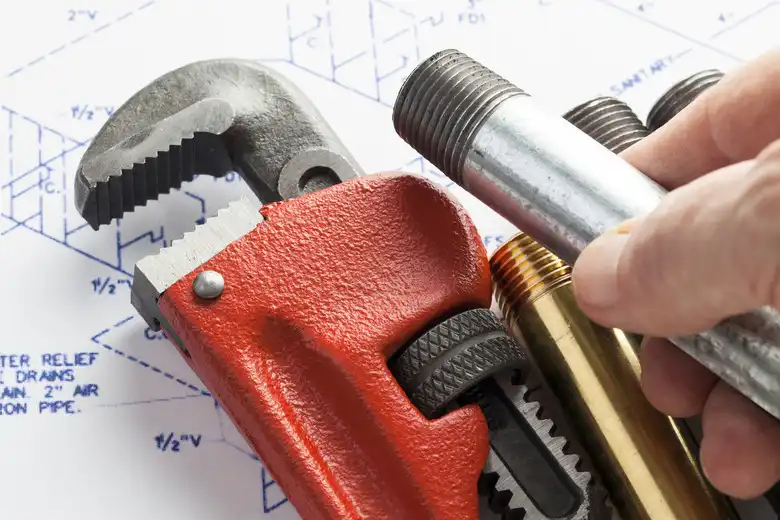
When you ask about mip plumbing stands for, the direct answer is Male Iron Pipe. The word male means the threads sit on the outside of the pipe or fitting. The word iron comes from older trade history when black iron and galvanized iron were the primary materials for pipe systems.
Understanding the basic mip meaning is vital for any DIY plumbing task. Today, MIP does not limit you to iron alone. The name describes the thread style, cut, and shape rather than just the metal itself. Modern MIP fittings come in brass, copper, stainless steel, and PVC plastic. When you see an MIP label on a package, it tells you that the piece has external standardized pipe threads.
What Is an MIP Fitting?
An MIP fitting is any pipe component designed with external male threads cut into its outer surface. These threads screw directly into matching female threads on another pipe, valve, or fixture.
To grasp the full mip plumbing meaning, you need to look at how fittings connect components. An MIP fitting acts as the connector that joins two sections of a piping system. Common MIP fittings include nipples, adapters, street elbows, and plug caps.
For example, a water heater flex line often has a female end. To attach that hose to your home water supply line, you need a fitting with an MIP end. The male threads insert into the female receiver, creating a tight physical joint that holds pressure without pulling apart.
Why Is It Called Male Iron Pipe?
You might wonder what does mip mean when modern pipes are rarely made of heavy cast iron. The name is a classic industry holdover from the nineteenth and early twentieth centuries.
Back then, plumbers installed thick iron pipes for gas and water supply. They cut threads directly onto the iron pipe ends using hand dies. They called external threads Male Iron Pipe and internal threads Female Iron Pipe.
As plumbing materials changed to copper, brass, and plastic, the thread pattern stayed the same. The trade kept the term MIP so workers could quickly identify thread compatibility across different brands and materials. Today, the name reflects the standardized male thread system rather than the raw metal ingredient.
How Do MIP Threads Work?
MIP threads work by using a tapered design. Unlike standard machine screws that have straight parallel sides, MIP threads get slightly wider as they move further back from the tip of the pipe.
This tapered angle is built to standard National Pipe Tapered (NPT) specifications. As you screw an MIP fitting into a female connection, the outer diameter of the male threads wedges tightly against the inner walls of the female threads.
This wedging action creates a mechanical seal. The metal or plastic forces itself together as you turn the fitting with a wrench. Because small gaps remain between the thread roots and crests, plumbers add sealants like Teflon tape or pipe joint compound to make the joint watertight.
MIP vs FIP: What’s the Difference?
The main difference between MIP and FIP comes down to thread location. MIP stands for Male Iron Pipe, which has external threads. FIP stands for Female Iron Pipe, which has internal threads.
When reviewing what does mip stand for in plumbing, remember that MIP and FIP are designed as matching pairs. You cannot connect an MIP fitting to another MIP fitting directly. You must join an MIP thread to an FIP thread.
Think of it like an electric plug and a wall socket. The MIP fitting is the plug with prongs on the outside. The FIP fitting is the socket with holes on the inside. When screwed together, the external ridges of the MIP piece interlock into the internal grooves of the FIP piece.
MIP vs MPT vs NPT: Are They the Same?
Plumbing labels can confuse even experienced homeowners. You will often see terms like MIP, MPT, and NPT printed on parts bags at your local supply store.
Understanding what does mip stand for helps clear up this naming confusion. In practical residential plumbing, MIP, MPT, and NPT refer to the exact same thread style and shape.
- MIP stands for Male Iron Pipe.
- MPT stands for Male Pipe Thread.
- NPT stands for National Pipe Tapered.
NPT is the official American National Standard technical specification for tapered pipe threads. MPT and MIP are common trade terms used by manufacturers to show that a fitting has male NPT threads. An MIP fitting will screw directly into an MPT or NPT female port without any issues.
Common Uses of MIP Fittings in Plumbing
You will find mip plumbing parts throughout your home. They are essential components in high-pressure lines, gas systems, and fixture connections.
Here are the most common places MIP fittings are installed:
Water Heater Connections: Flexible supply lines screw onto MIP nipples sticking out of the top of the water tank.
Gas Appliance Lines: Gas ranges, clothes dryers, and outdoor grills use MIP adapters to connect flexible metal gas hoses to gas shut-off valves.
Outdoor Hose Bibbs: Many garden spigots feature an MIP threaded inlet that screws into your home water main pipe inside the wall.
Shower Heads and Arms: The wall pipe that holds your shower head typically features an MIP thread on both ends.
Main Shut-off Valves: Ball valves and gate valves often have FIP ports that require MIP pipe ends for installation.
How to Identify an MIP Fitting
Identifying an MIP fitting is straightforward once you know what features to look for on the part.
First, check the threads. If the raised ridge spiral sits on the outside of the pipe end, it is a male fitting. Second, check for a visible taper. Look closely at the tip of the threaded area. The end of the pipe will be slightly narrower than the base where the threads stop.
Third, look for wrench flats. Most MIP adapter fittings feature a hexagonal nut built right into the body. This hex shape gives your pipe wrench or adjustable pliers a firm grip during tightening. If you are double-checking what does mip stand for in plumbing while reading a product box, look for markings like “1/2-in MIP” or “3/4-in MNPT.”
Common MIP Fitting Sizes and Materials
MIP fittings come in standard nominal pipe sizes to match household water lines.
The most common residential sizes include:
- 1/4-inch: Used for ice maker lines and small control valves.
- 3/8-inch: Common for under-sink water supply tubes.
- 1/2-inch: The standard size for shower arms, bathroom faucets, and garden spigots.
- 3/4-inch: Standard for main water supply lines, water heaters, and washing machine valves.
- 1-inch and larger: Used for main building service lines and commercial main runs.
MIP fittings are available in several common materials:
- Brass: Highly durable and resistant to corrosion. Excellent for hot and cold drinking water lines.
- Malleable Iron: Standard for natural gas and propane lines. Often galvanized for rust protection.
- Copper: Soldered onto copper tubing to provide a threaded transition end.
- PVC and CPVC: Lightweight plastic fittings used for cold water, drain, vent, and irrigation lines.
Advantages and Disadvantages of MIP Fittings
MIP fittings offer clear benefits for plumbing projects, but they also have a few limits.
Advantages:
- Removable Joints: Threaded MIP joints can be unscrewed easily for repairs, valve replacements, or upgrades without cutting pipes.
- High Strength: Tapered threaded joints withstand high internal fluid and gas pressure when tightened correctly.
- Wide Availability: You can find MIP fittings at any hardware store or plumbing supply yard.
- Material Transitions: MIP adapters let you join different pipe materials, such as copper to PVC or steel to brass.
Disadvantages:
- Potential for Leaks: If you do not apply thread sealant properly, water can seep along the thread spiral.
- Risk of Over-tightening: Applying too much torque can split female plastic ports or crack brass fittings.
- Corrosion Bonding: Over time, ungreased metal threads can rust together, making future removal difficult.
How to Install an MIP Fitting Correctly
Installing an MIP fitting requires simple tools and careful technique to ensure a leak-free connection.
Clean the Threads: Wipe the male threads with a rag to remove dirt, metal shavings, or grease.
Apply Thread Seal Tape: Wrap PTFE thread tape around the male MIP threads. Wrap in a clockwise direction as you face the open end of the pipe. Use three to four full turns of tape.
Add Pipe Dope (Optional): For high-pressure or gas lines, spread a thin layer of paste pipe joint compound over the taped threads.
Hand Tighten: Align the MIP fitting straight with the FIP port. Screw it in by hand until it is finger-tight to prevent cross-threading.
Wrench Tighten: Use two wrenches. Hold the receiving pipe or valve steady with one wrench. Turn the MIP fitting with the second wrench one to two full turns past finger-tight.
Do MIP Fittings Need Thread Seal Tape or Pipe Dope?
Yes, MIP fittings always need thread seal tape or pipe joint compound.
Because MIP threads are cut in a spiral path, micro-gaps remain between the male and female metal surfaces. Without a sealant, water or gas will follow that spiral path and cause a continuous drip.
PTFE tape fills the micro-gaps between the mating threads. It acts as a lubricant during assembly, allowing you to turn the fitting deeper into the socket. Pipe dope performs the same task in paste form. Using tape followed by a thin coat of paste provides maximum leak protection on metal-to-metal MIP joints.
Common Problems with MIP Fittings and How to Avoid Them
Even simple threaded joints can fail if installed incorrectly. Here are the top problems plumbers encounter with MIP fittings:
Cross-Threading: Forcing the MIP fitting in at an angle ruins the soft metal or plastic threads. Always start threading by hand for two full turns before using a wrench.
Under-Tightening: Leaving the fitting too loose leads to slow drips under pressure. Tighten firmly until you feel strong resistance.
Over-Tightening: Turning the fitting with excessive force can stretch or split female fittings. Never use cheater bars on pipe wrenches.
Wrong Tape Direction: Wrapping PTFE tape counter-clockwise causes the tape to unravel as you screw the MIP fitting in. Always wrap clockwise.
Can MIP Fittings Be Used with PVC, Copper, or Brass?
Yes, you can use MIP fittings across PVC, copper, and brass systems. Understanding what does mip stand for in plumbing helps when connecting dissimilar materials safely.
When joining metal MIP fittings to plastic FIP fittings, proceed with caution. Screwing a hard brass MIP fitting into a soft PVC female socket can easily crack the plastic if over-tightened. In these cases, use a plastic MIP fitting or install a metal-reinforced female adapter.
When joining copper to steel, use brass MIP fittings as an intermediate buffer. Connecting steel directly to copper triggers galvanic corrosion, which degrades the metal fast. Brass acts as a safe bridge material that stops electrical reactions between different metals.
How to Choose the Right MIP Fitting for Your Plumbing Project
Selecting the right MIP fitting keeps your plumbing system reliable and compliant with local building codes.
First, identify the fluid type. Use brass or copper MIP fittings for potable drinking water lines. Use black iron or malleable iron for gas supply lines. Use PVC or CPVC for drainage or cold outdoor irrigation.
Second, match the pipe size precisely. Measure the outer diameter of your existing pipe or check the stamped size label on the pipe wall. Third, verify pressure ratings. Ensure the fitting matches or exceeds the working pressure of your home water system, which usually runs between 40 and 70 PSI.
When Should You Use MIP Instead of FIP?
Deciding when to use an MIP fitting depends on the layout of your piping run and the fixtures you are connecting.
Knowing what does mip stand for in plumbing clarifies design choices. You should use an MIP fitting when you need to thread into a stationary valve body or appliance manifold that features internal FIP threads.
MIP fittings are ideal when creating disconnect points. If you need to remove a water heater or pump for service later, placing an MIP adapter with a union allows quick access. Use MIP ends on flexible supply lines because male ends allow female swivel nuts to spin freely onto them during final connection.
Conclusion
Understanding what MIP stands for helps you pick the correct parts, make tight joints, and complete home repair jobs with confidence. Whether you are replacing a water heater flex line or fixing a garden hose spigot, knowing how male pipe threads work prevents leaks and saves time.
If you are dealing with complex pipe repairs, gas line connections, or main line upgrades in Southern California, reach out to professional experts. Contact Derks Plumbing for reliable Plumbing Services in Los Angeles. Their licensed plumbing team has the tools and field experience to handle all your residential and commercial pipe installations quickly and safely.

FAQs
What does MIP stand for in plumbing supply stores?
MIP stands for Male Iron Pipe. It identifies pipe fittings with external threads cut to standard tapered pipe specifications.
Are MIP and NPT threads interchangeable?
Yes. MIP fittings use standard NPT tapered threads. An MIP fitting will screw directly into any standard female NPT port of the same size.
Can I connect an MIP fitting to an FIP fitting directly?
Yes. MIP male threads are designed to screw directly into matching FIP female threads to create a secure, pressure-tight joint.
What is the difference between MIP and MNPT?
There is no physical difference. MIP (Male Iron Pipe) and MNPT (Male National Pipe Tapered) describe the exact same male tapered pipe thread pattern.
How many turns of thread tape should I use on an MIP fitting?
Wrap PTFE thread seal tape around male MIP threads three to four times in a clockwise direction before screwing the fitting into place.




