Copper pipes are generally safe for drinking water and remain the gold standard in plumbing. They naturally stop bacteria from growing and last for decades. However, safety depends on your water’s acidity and the age of your solder. If your water is balanced, copper is a very reliable and healthy choice.
When asking are copper pipes safe, the answer is usually a strong yes. Most homes in the United States rely on them because they do not leach chemicals like some plastics. While there are specific risks like corrosion or lead in old joints, these are manageable. At Derks Plumbing, we help homeowners understand their systems to ensure every drop is clean.
What Are Copper Pipes?
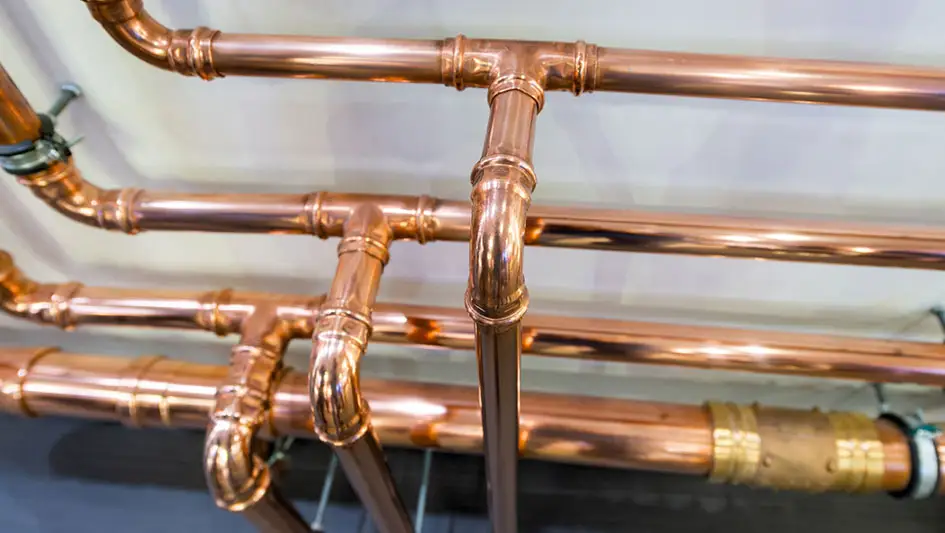
Copper pipes are metal tubes used to carry water through your home’s plumbing system. They come in three types:
- Type K — Thick walls. Used for underground or outdoor lines.
- Type L — Medium thickness. The most common for home water supply.
- Type M — Thinner walls. Used for low-pressure indoor systems.
Copper has been a go-to material for plumbers for decades. It’s durable, heat-resistant, and naturally fights bacteria growth. Most homes built before the 1990s still have copper plumbing running through the walls.
Are Copper Pipes Safe for Drinking Water?
Yes are copper pipes safe for drinking water is a question with a mostly reassuring answer. The EPA and WHO both recognize copper as a safe plumbing material when it’s properly installed and maintained.
Copper pipes are approved for use in drinking water systems across the U.S. They don’t leach harmful chemicals the way some plastics can. In fact, copper has natural antimicrobial properties, which means bacteria have a harder time growing inside copper pipes compared to other materials.
That said, is copper piping safe for drinking water in every situation? Not always. High levels of copper in drinking water can be a health concern especially for infants and people with certain conditions like Wilson’s disease. The EPA’s action level for copper in water is 1.3 mg/L. Above that, it can cause nausea, stomach cramps, and in long-term cases, liver or kidney damage.
The good news is that copper levels this high are usually caused by corrosion not the pipe material itself. More on that below.
Benefits of Copper Pipes
There’s a reason copper has lasted this long in the plumbing world. Here’s what makes it a solid choice:
Long lifespan. Copper pipes typically last 50 to 70 years. Well-maintained systems have lasted even longer.
Safe for drinking water. When working correctly, is copper pipe safe for drinking water yes, fully. It doesn’t release harmful chemicals.
Bacteria resistant. Copper ions naturally slow bacterial growth. This is a built-in safety feature many other materials lack.
Heat tolerant. Copper handles both hot and cold water lines. It won’t warp or soften under high temperatures.
Recyclable and eco-friendly. Copper is one of the most recycled materials in the world. It has a lower environmental impact over its full lifespan than many alternatives.
Pressure resistant. Copper handles high water pressure without cracking or bursting under normal conditions.
Potential Risks of Copper Pipes
Copper pipes aren’t perfect. There are real risks worth knowing.
Copper leaching. When water sits in pipes for long periods like overnight small amounts of copper can dissolve into the water. This is most common with new pipes (called “first draw” exposure) or older corroded ones.
High copper consumption. Drinking water with elevated copper levels over time can affect the liver and kidneys. Children and infants are especially sensitive.
Pinhole leaks. This is one of the biggest failure points. Tiny holes can develop over time due to corrosion or aggressive water chemistry.
Cost. Copper is more expensive to install than plastic alternatives like PEX. Labor and material costs are higher.
Freeze damage. Copper pipes can crack or burst if water freezes inside them. This is a risk in homes without proper insulation.
What Causes Copper Pipe Corrosion?
Corrosion is the main threat to copper pipes and to water safety. Here’s what triggers it:
Acidic water (low pH). Water with a pH below 7 is acidic. It slowly eats away at copper pipe walls. The EPA recommends a pH of 6.5 to 8.5 for safe drinking water.
High water velocity. Water moving too fast through pipes causes erosion corrosion. You’ll often see this at elbows and bends.
Chloramines in treated water. Some water treatment plants use chloramines instead of chlorine. These can accelerate copper pipe corrosion over time.
Flux residue. During installation, plumbers use flux to solder pipe joints. If it’s not fully flushed out, leftover flux can corrode the pipe from the inside.
Stray electrical currents. In rare cases, electrical current running through the ground near pipes can cause what’s called electrolytic corrosion.
Sediment buildup. Mineral deposits can collect inside pipes and create conditions that promote localized corrosion.
You can read about: How to Install SharkBite on Copper
Signs Your Copper Pipes May Be Failing
Catch these warning signs early and you can avoid a bigger problem.
Bluish-green stains around faucets or in your sink. This is oxidized copper a sign of corrosion or leaching.
Metallic taste in water. If your water tastes like metal, elevated copper levels may be the cause.
Low water pressure. Buildup inside pipes or pinhole leaks can reduce pressure noticeably.
Visible green or white patches on exposed pipes. This is a sign of external corrosion.
Water discoloration. Brown or rust-colored water could mean corrosion is actively shedding into your water supply.
Damp walls or ceilings. Small leaks behind walls often start as pinhole corrosion before becoming visible.
Frequent small leaks. If you’ve had two or more leaks in a short period, your pipes may be nearing the end of their life.
Copper Pipes vs PEX Pipes
PEX (cross-linked polyethylene) has become a popular alternative to copper. Here’s a straight comparison:
| Feature | Copper | PEX |
| Lifespan | 50–70 years | 25–50 years |
| Cost | Higher | Lower |
| Installation | Complex (soldering) | Easy (flexible) |
| Heat tolerance | Excellent | Good (not for outdoor use) |
| Chemical leaching | Minimal if in good condition | Possible with new pipes |
| Bacteria resistance | Strong (natural copper ions) | Moderate |
| Freeze resistance | Poor | Better (flexible) |
| Recyclability | High | Low |
The right choice depends on your budget, climate, and how long you plan to stay in the home. For older homes already running copper, it usually makes more sense to repair or maintain what’s there than to replace everything.
How to Make Copper Pipes Safer
If you have copper pipes, here’s how to reduce any risk:
Run the cold tap for 30 seconds before drinking or cooking. This flushes out any water that sat in the pipes overnight and may have absorbed copper.
Use a certified water filter. Filters with NSF/ANSI Standard 53 certification can remove excess copper from drinking water.
Test your water. Home water test kits or professional lab tests can tell you exactly what’s in your water. This is especially important if you have older pipes.
Check your water pH. If your water is acidic, a water softener or neutralizing filter can bring it into a safer range. Ask a plumber or water treatment professional.
Avoid storing water in copper vessels for long periods if you have sensitive health conditions.
Schedule annual plumbing inspections. A licensed plumber can catch early signs of corrosion before they become costly repairs.
Insulate pipes in cold climates. This prevents freezing and the burst pipes that follow.
When Should Copper Pipes Be Replaced?
Not every copper pipe needs to go. But some do. Here’s when replacement makes sense:
Age over 50 years. Most copper pipes hit their limit around the 50-year mark, though some last longer.
Recurring pinhole leaks. One or two leaks might be patched. But if they keep happening, the pipe walls are compromised.
Confirmed high copper levels in water. If water tests consistently show copper above the EPA’s 1.3 mg/L limit, replacement may be necessary.
Visible widespread corrosion. Green staining throughout your system is a red flag.
Major remodel or renovation. If walls are already open, it’s the perfect time to upgrade pipes.
Buying an older home. If the home was built before 1970 and pipes haven’t been inspected recently, a full assessment is worth doing.
Are Copper Pipes Better Than Plastic Pipes?
It depends on what you need.
Copper is better when you want longevity, natural bacteria resistance, and a pipe that handles heat well. It’s also the better choice for high-temperature applications and outdoor use.
Plastic pipes (PVC, CPVC, or PEX) are better for tight budgets, flexible installations, and freeze-prone climates. They’re also easier for DIY repairs.
One concern some homeowners raise is chemical leaching from plastic pipes. PEX pipes, for example, can leach small amounts of chemicals when new, especially in hot water lines. Copper doesn’t have this issue when it’s in good condition.
For drinking water safety, are copper water pipes safe compared to plastic? Generally yes, if the copper is in good shape and your water chemistry is neutral. But poorly maintained copper with acidic water can be riskier than a quality plastic alternative.
Final Thoughts
Copper remains one of the best materials for a healthy home. It is natural, durable, and kills germs. As long as your water is balanced and your home uses modern, lead-free solder, you can feel confident that your family is safe. Regular checks and water testing are all you need to keep your system running for a lifetime.
If you notice green stains or small leaks, do not wait for a flood. For expert help, including Copper Pipes Repair in Eagle Rock, contact our team at Derks Plumbing. We can inspect your lines and ensure your water stays clean and your home stays dry.

FAQs
Are copper pipes safe for drinking water?
Yes, in most cases. Copper is an EPA-approved material for drinking water systems. Problems only arise when pipes corrode due to acidic water or aging, which can raise copper levels above safe limits.
Is copper pipe safe for drinking water if the pipes are old?
Old copper pipes can still be safe if they’re in good condition. The key is water chemistry. Acidic water accelerates corrosion in older pipes. Testing your water quality is the best first step.
What are signs of copper leaching into water?
A metallic or bitter taste, blue-green stains near drains, and stomach upset after drinking tap water are common signs. A water test can confirm if copper levels are elevated.
How long do copper pipes last?
Most copper pipes last between 50 and 70 years. Some older systems properly maintained with neutral water have lasted longer.
Should I replace copper pipes with PEX?
Not necessarily. If your copper is in good shape, replacement isn’t urgent. PEX can be a good option during major renovations or when pipes are repeatedly failing.
Are copper water pipes safe for babies and children?
Infants are more sensitive to copper in water. If you have young children, run the tap before using water for formula or food prep, and consider a certified drinking water filter.
How do I know if my copper pipes are corroding?
Look for blue-green stains on fixtures, metallic-tasting water, low pressure, and small water damage spots on walls or ceilings. These are early warning signs.
What water pH is safe for copper pipes?
A pH of 7.0 to 8.5 is generally safe for copper pipes. Water below 7.0 is acidic and can accelerate corrosion. Many municipalities treat water to keep it in this range.




