Cast iron lines are very strong but they do not last forever. When these thick pipes crack or rust they cause major leaks and water damage inside your home. You can fix them using modern options like trenchless pipe lining or quick section swapping instead of destroying your walls completely.
If your home sewer system shows signs of heavy rust you must act fast. Choosing the right path for cast iron plumbing repair will save your property, stop nasty smells, and protect your family budget.
What Is Cast Iron Plumbing?
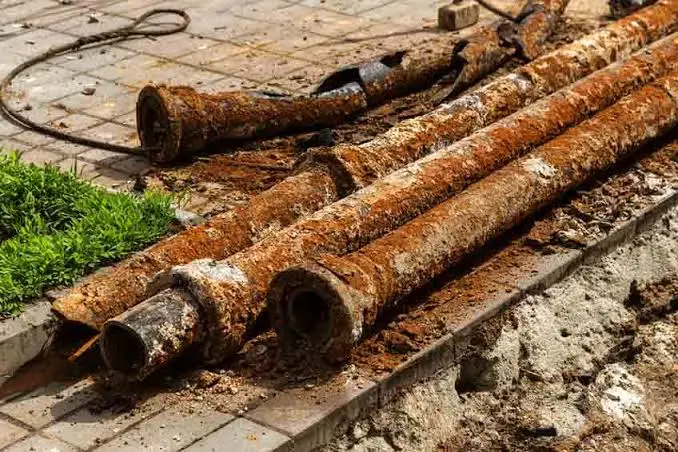
Cast iron plumbing is a classic system made from thick gray metal. Builders used it heavily before the year 1980. It was the main choice for waste lines and drain lines in old homes. This metal is incredibly strong and can last for decades. It handles high water pressure well. It also keeps your home quiet because the thick walls muffle the sound of rushing water.
You usually find these pipes under your concrete slab floor. They run through your walls and go out to the city main line. The metal is poured into molds to create long tubes. Then workers connect them using oakum packings and molten lead or rubber bands with steel clamps. While it looks tough on the outside, the inside can change over the years. Water and waste slow down as the metal ages. Understanding this material helps you see why specialized work is needed when it starts to break down.
The History and Lifespan of Cast Iron Waste Lines
Most old neighborhoods rely on these heavy metal lines. They were the gold standard for residential waste systems for nearly a century. A typical cast iron pipe can last between 50 and 100 years. If your home was built in the 1950s or 1960s your pipes are reaching the end of their natural life.
The environment around the pipe alters how long it lasts. Soil with high acid levels eats the metal from the outside. Inside the pipe household chemicals speed up the wear. Many systems look fine on top but are paper thin on the bottom. When they reach this stage they crack easily under the weight of the dirt above them. Knowing the age of your home gives you a big clue about the state of your waste system.
Signs Your Cast Iron Plumbing Needs Repair
You do not always see a leak right away when pipes sit under a concrete floor. The signs often show up in other parts of your home. You need to keep a watchful eye out for these red flags.
Slow Drains: If your sinks and toilets drain slowly the pipe might have a rough interior. Rust catches hair and waste.
Bad Smells: Cracked pipes let sewer gas escape. If you smell rotten eggs in your yard or bathroom you have a break.
Pest Problems: Rats and bugs enter small cracks in underground pipes. A sudden pest issue can mean your sewer line has a hole.
Slab Leaks: Water pooling on your floor or mysterious wet spots on carpets point to a broken pipe below.
Green Grass: If one spot in your lawn is very green and grows fast water is leaking underneath it.
Discolored Water: Water coming from old lines might look brown or yellow from loose rust pieces.
What Causes Cast Iron Pipes to Fail?
Cast iron pipes fail from the inside out in most cases. Wastewater and gases slowly corrode the interior surface, thinning the pipe wall until it develops cracks, holes, or full breaks.
A few specific factors speed up this process:
- Age. Most cast iron pipe reaches the end of its useful life between 50 and 75 years, though some last longer with proper care.
- Scale buildup. Mineral and waste buildup narrows the interior, trapping moisture against the pipe wall.
- Soil shifting. Ground movement can crack pipes buried underground, especially in areas with expansive clay soil.
- Root intrusion. Tree roots seek out moisture and can crack joints or work through weakened sections.
- Improper original installation. Poorly sealed joints from decades ago often become the first failure point.
Homes near mature trees or built on shifting soil tend to see failures earlier than the typical timeline, since those conditions add extra stress the pipe wasn’t originally designed to handle.
Cast Iron Plumbing Repair Methods
There are several ways to fix your system depending on the damage level. Plumbers match the fix to the specific type of pipe failure.
Pipe Patching
If the line has only one small hole or crack a localized patch works well. The plumber cleans the outer metal area first. Then they apply a special epoxy putty or a rubber sleeve with steel bands. This stops the immediate leak without replacing the whole run. It works best on pipes that are still structurally strong.
Section Replacement
When a single section is completely broken, plumbers cut it out. They use a special saw or snap cutters to remove the bad piece. Then they fill the gap with modern PVC plastic pipe. They connect the plastic to the old metal using heavy duty rubber couplings with stainless steel shields. This method is highly effective for localized cast iron pipe repair jobs.
Trenchless Lining
This modern method fixes the line from the inside. Plumbers pull a cloth tube soaked in epoxy resin through the old pipe. They inflate the tube and let it cure. This creates a brand new plastic pipe inside the old metal shell.
Can Cast Iron Plumbing Be Repaired Without Replacement?
Yes you can fix these lines without digging them out of the ground. This is done through advanced trenchless technology. It is a fantastic option for homeowners who want to save their beautiful landscaping or expensive indoor flooring.
The most common option is called cured in place pipe lining. The plumber uses a single access point to slide the lining material inside. The resin cures within a few hours. Once it hardens it seals all cracks and holes perfectly. This new inner layer stops further rust because water no longer touches the metal. It makes the inside smooth so waste flows quickly. This allows you to fix cast iron pipe issues without the mess of traditional digging. The new liner lasts for up to 50 years.
Cast Iron Plumbing Repair Cost
The price to fix your system varies based on the method you choose and the location of the leak. Fixing a pipe under a yard is much cheaper than fixing one under a concrete slab.
| Repair Type | Average Cost Range | Main Factors |
| Localized Section Patch | $500 – $1,500 | Depth, access ease |
| Trenchless Pipe Lining | $4,000 – $12,000 | Total length, pipe size |
| Traditional Excavation | $5,000 – $15,000 | Floor repairs, digging depth |
A simple cast iron drain repair for a reachable section might cost a few hundred dollars. If a plumber has to break through your living room slab the price jumps quickly. You must also factor in the cost of replacing your flooring and drywall after the plumbing work finishes. Trenchless options look expensive upfront but they save you from paying for major home repairs later.
DIY vs. Professional Repair for Cast Iron Pipes
Some home projects are great for a weekend DIY enthusiast. Working on old metal waste lines is not one of them. These pipes are incredibly heavy and dangerous to handle without training.
A small mistake can cause the old metal to shatter. If a vertical stack breaks it can drop down inside your walls and smash your fixtures. A professional plumber has the experience to support the heavy lines safely. They also have the right camera gear to verify the health of the surrounding pipe. Hiring an expert ensures the job complies with local building codes. This protects your home insurance coverage if a leak happens down the road. It gives you long term peace of mind.
How to Prevent Future Cast Iron Pipe Problems
You can take simple steps to extend the life of your old metal system. Small changes in your habits prevent major headaches later.
- Stop Using Chemical Cleaners: Never pour liquid drain openers down your sinks. Use a mechanical drain snake or baking soda instead.
- Watch What You Flush: Keep grease, oil, and wet wipes out of your drains. These items stick to rusty pipe walls easily.
- Schedule Annual Flushes: Have a plumber hydro jet your lines every few years. This removes the rust scale before it turns into a blockage.
- Manage Your Trees: Do not plant deep rooted trees near your main sewer line. Use root barriers if trees sit close by.
Taking care of your drains reduces stress on the aging metal. It keeps the system running smoothly until you choose to upgrade.
When Should You Repair vs. Replace Cast Iron Plumbing?
Deciding between a quick fix and a total replacement comes down to the overall health of the system. If you have a single leak caused by a tree root a repair makes sense. The rest of the pipe can still serve you for many years.
If the pipe is crumbling along the bottom a patch will not save it. Fixes become expensive if you have to call a plumber every few months. In this situation a complete replacement is the smartest financial move. Swapping the old system for modern PVC plastic stops the endless cycle of service calls. It adds real value to your home when you decide to sell. Look at the long term cost before making your choice.
Conclusion
Dealing with old waste lines can feel overwhelming for any homeowner. Caught early a damaged line can often be saved with a professional cast iron sewer pipe repair. Modern tools let experts fix these systems with minimal disruption to your daily life. Regular maintenance and careful drain habits keep the old metal working for years to come.
If you notice slow drains or strange smells do not wait for a major flood to happen. Address the small signs before they turn into costly emergencies. For trusted assistance contact a local expert like Derks Plumbing. Our team delivers the exact solutions your property needs. When you require a reliable Plumbing Repair Service in Eagle Rock we are here to help you protect your home.

FAQs
How long does cast iron drain repair typically last?
A properly done epoxy lining or spot repair can last decades, though the exact lifespan depends on the condition of the surrounding pipe.
Is cast iron pipe repair cheaper than replacement?
Usually, yes, especially for isolated damage. Full replacement costs more upfront but may be the better long-term choice if corrosion has spread widely.
Can I fix cast iron pipe issues myself?
It’s not recommended. This work involves your home’s main waste system and often requires specialized tools most homeowners don’t have.
What does cast iron sewer pipe repair usually involve?
Depending on the damage, it can mean spot repair, epoxy lining, or in more serious cases, replacing the affected section of the line.
How do I know if I need cast pipe repair or full replacement?
A camera inspection is the clearest way to tell. It shows exactly how much of the pipe is damaged and helps a plumber recommend the right fix.




