Are you tired of watching your water bill climb while wasting gallons of clean water with every single flush? You are not alone, as standard toilets are one of the biggest water wasters in modern homes.A dual flush toilet is a smart plumbing fixture that gives you two options: a half flush for liquid waste and a full flush for solid waste.
This simple design can cut your bathroom water use by more than half, saving both your money and the environment. But what is a dual flush toilet, and how does it actually fit into your home? Let us dive into how these systems work, what they cost, and whether they are the right choice for your next bathroom upgrade.
What Is a Dual Flush Toilet?
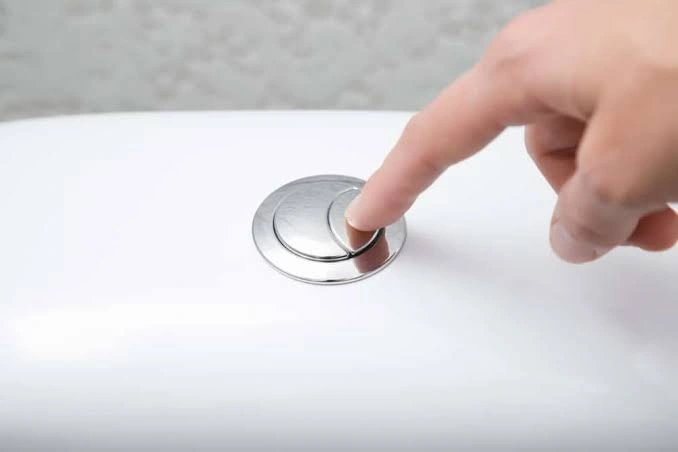
A what is a dual flush toilet search often leads to a simple answer: it is a high-efficiency toilet designed with a dual-stage flush mechanism. Instead of using the same large amount of water for every flush, this system lets you choose how much water you need based on the type of waste you are clearing.
Most models are easy to spot because they feature toilets with two buttons on the top of the tank lid, rather than a single side lever. The smaller button releases a low-volume flush for liquid waste, while the larger button releases a high-volume flush to clear solid waste. By matching the water volume to the job, this design bridges the gap between high performance and environmental conservation.
How Does a Dual Flush Toilet Work?
Standard toilets rely on a siphoning action. When you pull the handle on a single-flush toilet, water rushes from the tank into the bowl, filling the trapway to create a siphon that pulls waste down the drain. This process requires a large volume of water to build up enough pressure to start and complete the siphon.
A dual flush toilet system works differently by using a larger trapway and gravity-fed pressure.
The Trapway Design: The exit pipe, or trapway, at the bottom of the bowl is usually wider than a standard trapway. It has a simpler, more direct path down to the sewer line.
Gravity Over Siphoning: Because the trapway is larger, waste can fall through easily with less water pressure. Instead of pulling waste down through a siphon, the system pushes waste down using the sheer force of gravity.
The Dual-Valve Mechanism: Inside the tank, a specialized dual-flush valve replaces the classic rubber flapper. When you press the small button, the valve opens briefly to let out about 0.8 to 1.0 gallon of water. Pressing the large button opens the valve fully, releasing 1.28 to 1.6 gallons of water.
Because the system pushes rather than pulls, it needs far less water to clear the bowl completely.
Types of Dual Flush Toilets
When shopping for a toilet dual flush model, you will run into several structural designs. Selecting the right one depends on your space, budget, and design style.
Two-Piece Toilets
This is the most common and budget-friendly option. The tank and the bowl are separate pieces that are bolted together during installation. If either the tank or bowl cracks over time, you can often replace just that single part.
One-Piece Toilets
In a one-piece model, the tank and bowl are molded together as a single seamless unit of ceramic. They have a sleek, modern look and are incredibly easy to clean because there are no crevices where dirt and bacteria can hide. They are heavier and usually cost more than two-piece models.
Wall-Hung Toilets
For a truly modern bathroom, wall-hung models mount directly to the wall studs, leaving the floor beneath completely clear. The tank is hidden behind the drywall inside a metal carrier frame. The two button flush toilet plate is mounted on the wall above the bowl. These are excellent for saving space in small bathrooms but require professional installation and wall modification.
You can read about: How to Fix a Phantom Flush
Dual Flush Toilet vs. Single Flush Toilet
To understand why so many homeowners are making the switch, it helps to compare these two systems side-by-side.
Standard single-flush toilets are simple and cheap to buy. However, they use the same maximum amount of water (typically 1.6 gallons per flush, and older models can use up to 3.5 to 5.0 gallons) regardless of what you are flushing.
A toilet dual flush model uses an average of only 1.28 gallons for a full flush and as little as 0.8 gallons for a half flush. The gravity-assist design also means fewer clogs because the trapway is wider and less winding than the trapway of a single-flush model. While a single-flush model has simpler internal parts that are cheaper to replace, it cannot compete with the long-term water savings of a dual-flush design.
Benefits of a Dual Flush Toilet
Installing a dual flush toilet system offers several long-term benefits for your household.
Massive Water Savings: Because most flushes in a typical home are for liquid waste, using the half-flush button saves thousands of gallons of water every single year.
Lower Utility Bills: Less water used means a lower monthly water bill. For large families, the savings can pay for the price of the toilet within just a couple of years.
Fewer Clogs: The larger, direct trapway is less prone to clogging because it does not rely on a narrow siphon bend to move waste out of the bowl.
Eco-Friendly Footprint: Reducing your household water footprint helps protect local water supplies and reduces the load on community wastewater treatment plants.
Meets Strict Standards: Almost all dual-flush toilets carry the EPA WaterSense label, meaning they meet strict water-efficiency and performance criteria.
Drawbacks of a Dual Flush Toilet
While the benefits are significant, there are a few drawbacks to keep in mind before you buy.
Higher Upfront Cost: These units generally cost more to purchase than basic single-flush models.
More Frequent Cleaning: Because gravity toilets use less water, the water level in the bowl sits lower. This means there is less standing water to catch waste, which can sometimes lead to skid marks and require more frequent scrubbing with a toilet brush.
Learning Curve for Guests: Visitors might not know what the dual flush toilet symbols mean. They might press the wrong button or simply press both, which can bypass the water-saving benefits if they use the full flush for everything.
Proprietary Parts: The flush valves are more complex than a basic rubber flapper. If the valve fails, you cannot always buy a generic replacement part at your local hardware store; you may need to order a model-specific part.
How Much Water Does a Dual Flush Toilet Save?
The average person flushes the toilet about five times per day. In a home with four people, that is 20 flushes every day, or 7,300 flushes per year.
If you are using an older single-flush toilet that consumes 1.6 gallons per flush, your household uses about 11,680 gallons of water per year just on toilet flushes.
With a dual-flush toilet, let us assume four of those five daily flushes are liquid waste (half flush at 0.8 gallons) and one is solid waste (full flush at 1.28 gallons). The daily average drops to just 0.9 gallons per flush. Over a year, your household water use for flushing drops to 6,570 gallons. That is a savings of over 5,110 gallons of clean water every year.
Common Problems with Dual Flush Toilets
Like any mechanical system, a dual-flush setup can experience issues over time. Knowing what to watch for can help you address problems before they cause water damage.
Running Water
If you hear water constantly trickling into the bowl, the seal at the bottom of the flush valve is likely dirty, warped, or worn out. Minerals from hard water can build up on the silicone seal, preventing it from making a watertight closing.
Sticky Buttons
The push rods connected to the buttons can sometimes get stuck or misaligned. If a button stays pressed down, the flush valve remains open, and the toilet will run continuously.
Weak Half-Flush
If the half-flush does not seem to clear liquid waste, the water level inside the tank might be set too low, or the flush valve’s float mechanism might need adjustment to stay open slightly longer.
How to Maintain a Dual Flush Toilet
Keeping your toilet running smoothly does not require advanced plumbing skills. A few basic maintenance habits will keep the system in top shape for years.
Clean the Valve Seal: If the toilet is running, turn off the water supply, drain the tank, and remove the flush valve column. Wipe down the silicone seal at the bottom with a soft cloth to remove mineral buildup, or replace it if it is cracked.
Avoid Harsh Chemical Cleaners: Do not drop chemical cleaning tablets inside the toilet tank. These harsh chemicals can break down the plastic rods and silicone seals in your flush mechanism, causing early failure.
Adjust the Push Rods: If the buttons feel loose or fail to trigger a flush, unscrew the tank lid and adjust the plastic rods on the underside of the buttons. They should sit just a fraction of an inch above the flush valve plungers.
Regular Bowl Cleaning: Use a mild toilet bowl cleaner and a stiff brush weekly to keep the lower-water-level bowl sparkling and free of stains.
Can You Replace a Single Flush Toilet with a Dual Flush Toilet?
Yes, you can easily replace any standard single-flush toilet with a dual-flush model. The plumbing connections, water supply line, and floor flange are exactly the same.
To ensure a smooth transition, you just need to measure the “rough-in” distance before buying a new unit. This is the distance from the finished wall behind the toilet to the center of the floor bolts holding the toilet down. The standard rough-in distance is 12 inches, though some older homes might have a 10-inch or 14-inch rough-in. As long as you match the rough-in size, the new toilet will bolt right into place.
How Much Does a Dual Flush Toilet Cost?
The cost of a dual-flush toilet depends on the style, brand, and design features you choose.
Basic Two-Piece Models: These usually range from $150 to $300. They are highly functional and budget-friendly.
Mid-Range One-Piece Models: These typically cost between $300 and $600. They offer sleeker designs and are easier to clean.
High-End Wall-Hung or Smart Models: These can range from $600 to over $1,500. They often include features like heated seats, built-in bidets, and automatic flushing.
Installation Costs: If you hire a professional plumber, expect to pay an additional $150 to $300 for a standard installation, which includes removing and disposing of your old toilet.
Is a Dual Flush Toilet Worth It?
For the vast majority of homeowners, a dual-flush toilet is absolutely worth the investment. The combination of lower water bills, modern styling, and environmental benefits makes it an excellent upgrade.
If you live in an area with high water utility rates, or if you have a busy household with multiple family members, the utility savings will quickly offset the higher initial purchase price. It is also an easy way to modernize your bathroom and add value to your home.
When Should You Call a Professional Plumber?
While some handy homeowners can tackle a toilet replacement as a weekend DIY project, there are times when it is best to leave the job to a licensed professional. You should call a plumber if:
Your floor is soft or rotting: This indicates a long-term leak around the wax ring that has damaged the wooden subfloor.
The closet flange is broken: If the plastic or cast-iron ring in the floor is cracked or sits too low below your new tile, it must be repaired or replaced to prevent leaks.
You want to install a wall-hung model: These require opening up the drywall, rebuilding the wall framing, and altering the drain pipes.
You experience persistent sewer smells: This is a sign that the wax seal has failed or the drain line is not venting properly.
Conclusion
Understanding what is a dual flush toilet is the first step toward creating a more efficient and sustainable home. By giving you control over your water usage with a simple two button flush toilet interface, these fixtures help you conserve resources without sacrificing flushing power.
If you are ready to upgrade your bathroom or need help with a tricky installation, the team at Derks Plumbing is here to help. We provide expert Toilet Installation in Eagle Rock to ensure your new high-efficiency toilet is set up perfectly and leak-free for years to come. Give us a call today to schedule your service.

FAQs
What do the two buttons on a dual-flush toilet mean?
The two buttons represent different flush volumes. The smaller button is the half flush, which uses less water to clear liquid waste. The larger button is the full flush, which uses more water to clear solid waste.
Can I convert my existing toilet to a dual-flush system?
Yes. You can purchase a dual-flush conversion kit at most hardware stores. These kits replace your standard flapper and handle with a dual-flush valve and a push-button mechanism, allowing you to convert your current toilet without replacing the entire porcelain fixture.
Why does my dual-flush toilet keep running?
This is usually caused by a dirty or worn-out silicone seal at the base of the flush valve, or by push rods that are adjusted too long and are keeping the flush valve slightly open. Cleaning the seal or shortening the rods typically fixes the issue.




