The water heater is the most important appliance in your home, providing hot water for bathing, washing laundry and dishes, cleaning, and so on. Still, many homeowners ask whether they need to turn off their water heater when the water is shut off for plumbing work, water outages, or during an emergency. It is just a water heater, not a car on fire- hardly fireside, but that is what can happen if you leave the heater on and forget about it.
If you’ve got a broken pipe to fix, the city has cut off your water, or you’re heading out of town for a few days, knowing the right way to turn it off can save you hundreds of dollars in repairs. The information in this article will help you understand the importance of turning off your hot water heater and if it’s okay to turn off the water to the heater, how to safely shut it down, and what you should do before turning it back on.
Should You Turn Off the Water Heater When Water Is Off?
Yes, you should.
This is true for all types of water heaters gas, electric, and tankless.
The water in the tank serves as a coolant. In the absence of water, heating •elements or burners continue to generate heat with nothing to soak it up. It is called dry-firing, and it can ruin your water heater sooner than you might expect.
If you have ever found yourself wondering, Should You Turn Off The Water Heater When The Water Is Off, there is no better advice than this: turn your water heater off until your water supply has been turned back on.
Why You Should Turn Off Your Water Heater
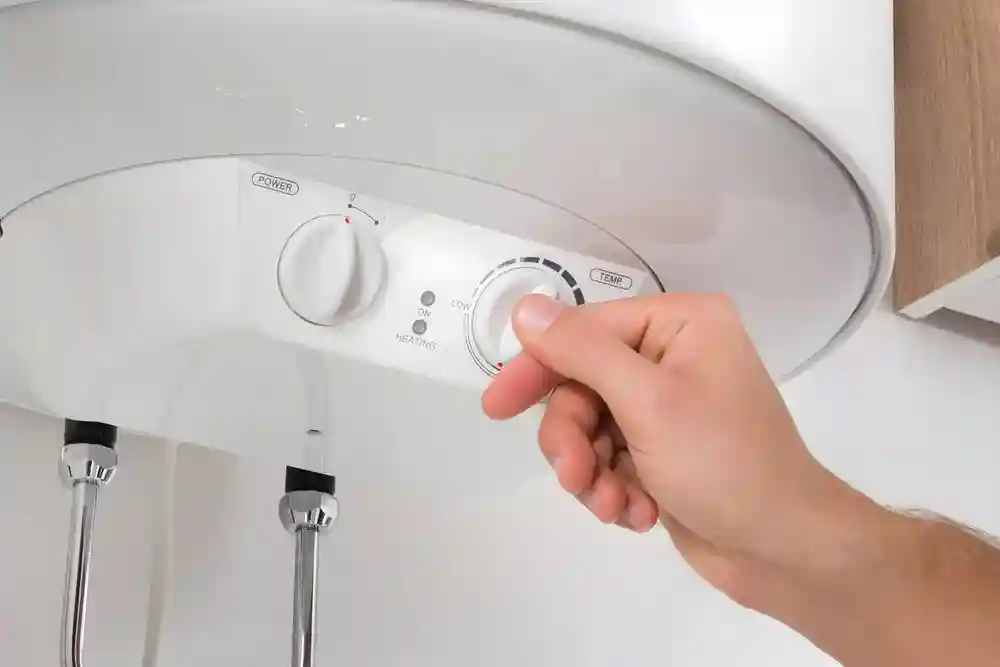
When the water is cut off, the hot water left in the tank is used up until the tank is either fully or partially emptied. If the boiler is allowed to run on, temperatures will climb rapidly, and essential parts will begin to overheat.
Possible issues are:
- Burnt-out heating elements
- Crack or warpage in tank lining
- Malfunctioning thermostats
- Pressure buildup
- It reduces the life of your water heater
Expensive repair bills or replacement of your water heater’s heat exchanger.
Spending a couple of minutes to turn off your heater can avoid these issues entirely.
What Happens If You Leave Your Water Heater Running?
Who hasn’t shut off their water for a brief period of time without worrying about the consequences? It is not always the case, sadly.
When your tank is depleted of hot water, your heater might heat an empty or partially empty tank.
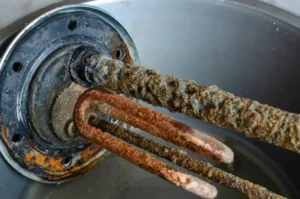
The heating elements in electric water heaters can get very hot within a few minutes. They are meant to be submerged, so when they get air, they overheat and burn out.
Internal heating elements aren’t used in gas water heaters, but the burner does heat the metal tank. If the heat is not absorbed by the water, the excessive heat may cause damage to the protective lining of the tank.
This is exactly why you see the pros telling you to turn off your heater any time you lose your water supply!
You can read about: Can You Lay a Water Heater on Its Side
Turning Off Electric Water Heater When Not in Use
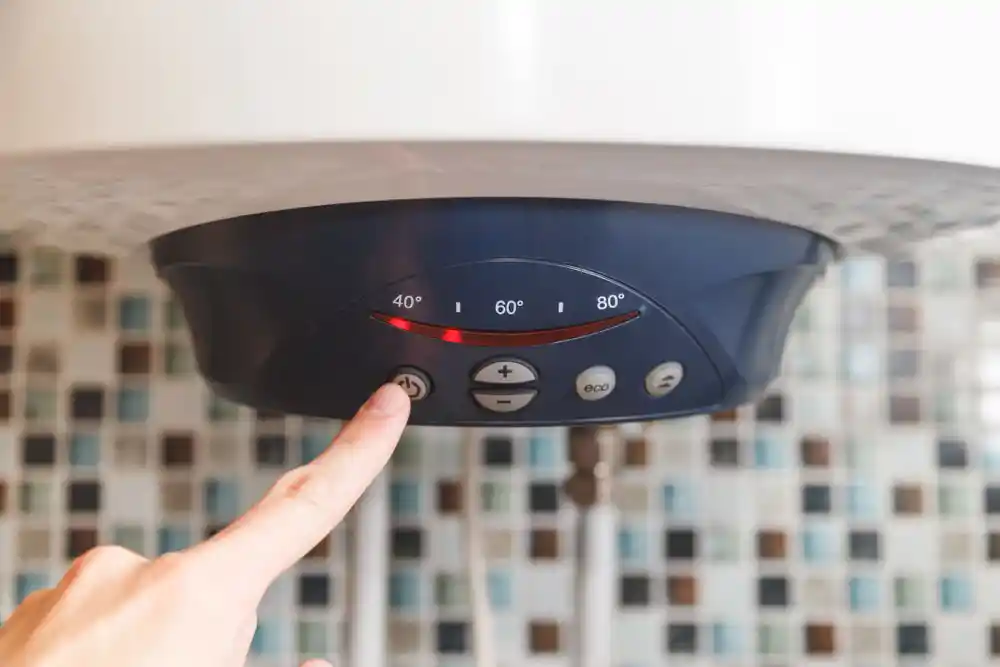
Several homeowners also asked whether to turn off the electric water heater when not in use.
How long is the wait?
If you are away from home for an extended period of time, away a few days or more on vacation, or anticipating a water outage, turning off the breaker can also save you from wasting electricity and from harm to the heating elements.
If you are just going to be away for a few hours, it’s probably safe to leave it on.
Switch off the electric water heater on long non-use: This can help you to cut down the standby energy loss, and it may be a simple way for you to save on your electricity bill.
Is It Safe to Turn Off Water to Water Heater?
And the most common question from homeowners is:
Can I turn off the water to the water heater?
Sure, it’s safe as long as you turn off the heater if the water is going to be off for a while.
Just closing the water supply valve does not hurt the heater. The only trouble is when the heater is running and there is not enough water in the tank.
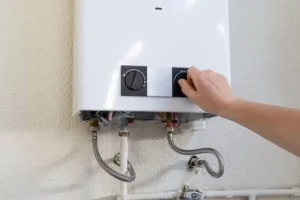
And when you turn off the water, be sure to turn off the power (electric models) or turn the gas control knob to “Pilot” or “Off” (gas models).
Common Situations When You Should Turn Off Your Water Heater
There are times when turning off your water heater is the safest option.
These include:
- City water shutoffs
- Plumbing repairs
- Pipe replacements
- Busted pipes
- Water main maintenance
- Vacations over 3 days
- Bathroom renovation
- Emergency plumbing leaks
In all of these cases, safeguarding your heater only takes a few minutes.
Electric vs. Gas Water Heaters During Water Shutoffs
Though both need to be turned off, the procedure is a little different.
Electric Water Heater
Electric models use heating elements, which are immersed in water to heat it up.
When the elements overheat due to low water levels.
The best and safest thing to do is to turn off the circuit breaker that powers your water heater.
Gas water heater drain plug replacement.
Gas heaters have burners beneath the tank.
Turn the gas control valve to “Pilot” instead of turning off the electricity if the power outage is brief.
For longer shutdowns, close the control valve to the Off position, and turn off the gas supply at the meter or tank if the manufacturer advises you to do so
How to Turn Off Water to Water Heater
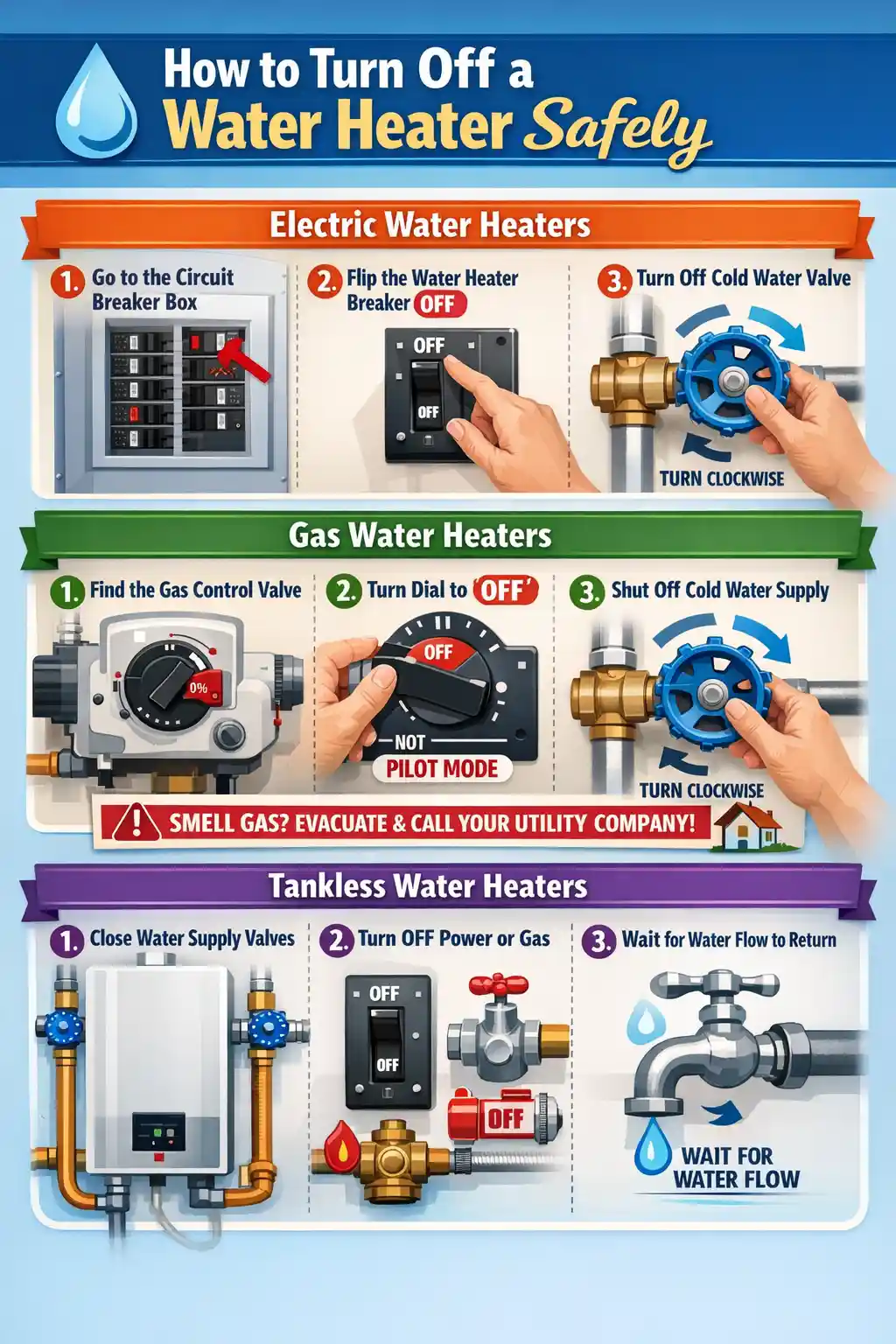
How do you safely turn off the water to the water heater? People always ask.
Fortunately, it’s easy.
Step 1
Find the cold-water shutoff valve.
It is typically installed directly above the water heater.
Step 2
Turn the valve until it is fully closed.
This stops more water from going into the tank.
Step 3
If you’re gonna be out for a while, kill the power to the heater too. Now your water heater is safely disconnected from your plumbing system.
How Long Can a Water Heater Stay Off?
Your water heater can be off for days or even weeks with no problem.
- As long as there is water in the tank, having it off won’t harm the system.
- A lot of homeowners do turn off their heaters before vacations to save on energy.
- When you get back, just power up, top off the system if necessary, and get back to work.
What Happens When a Water Heater Goes Out
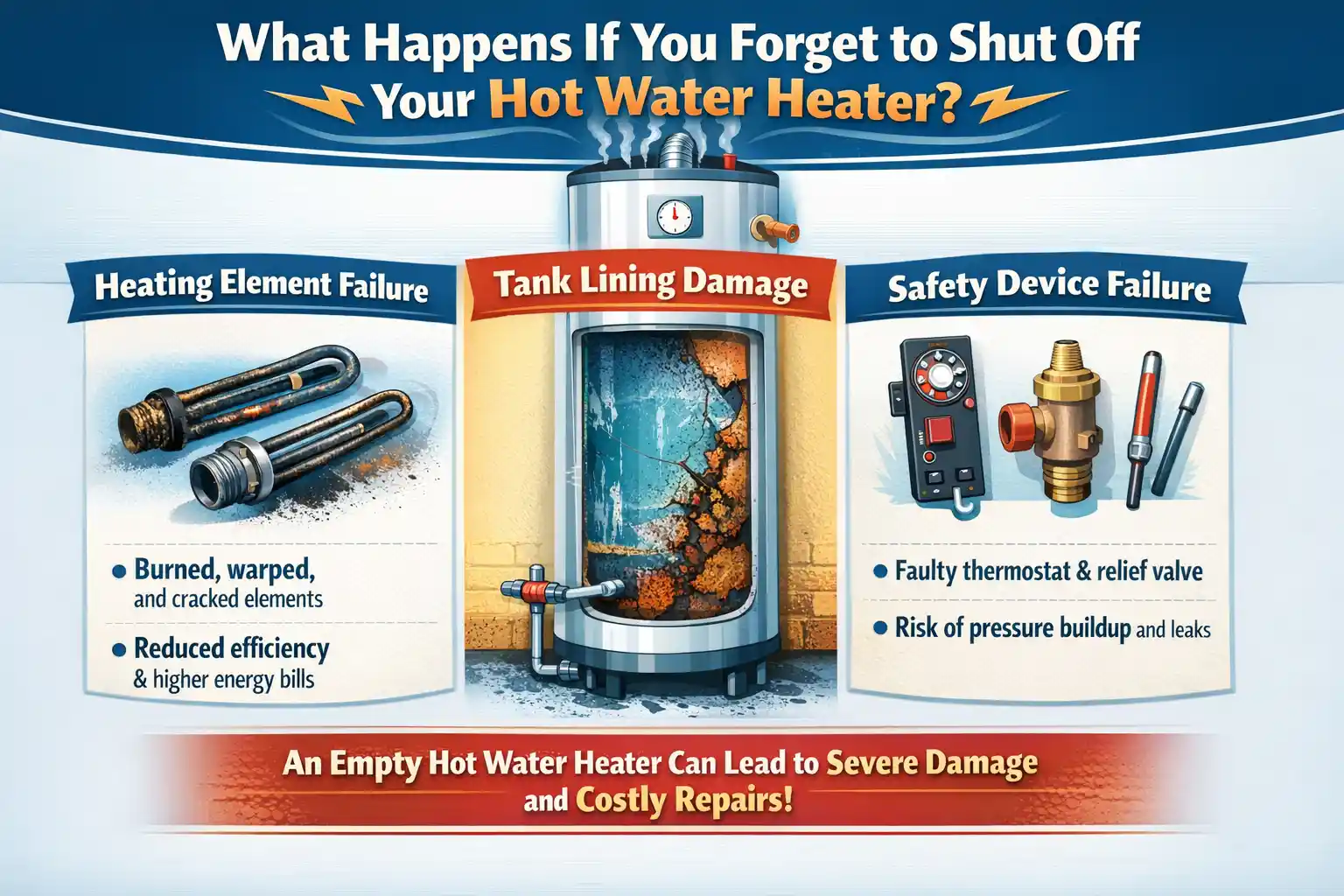
What happens when a water heater goes out depends on the cause. If it went out due to a dry run:
- Electric units: the element is likely burned out. No hot water. The tank itself may or may not be damaged.
- Gas units: the burner or thermocouple may have failed from overheating. The pilot may have gone out.
In both cases, the heater won’t simply restart on its own. It needs inspection and likely repair before it’s safe to use again.
If the unit is older than 8 to 10 years and has been run dry, replacement often makes more financial sense than repair especially if the tank lining is compromised.
Water Heater Maintenance Tips
Good upkeep makes damage less likely in the event of water outages.
Experts suggest:
- Flushing the tank once a year
- Testing the pressure relief valve
- Examining plumbing connections
- Watch for corrosion
- Testing the thermostat
- Preventing sediment build-up
- Check the anode rod every few years
Routine maintenance is the key to longevity and efficiency of the unit.
Benefits of Turning Off Your Water Heater
There are many benefits to switching off your heater during a water outage.
These include:
- Keeps it from dry firing
- Needs to replace the heating element less often
- Lowers repair cost
- Increases the life of the equipment
- Improves energy efficiency
- Prevents overheating
- Protects the lining of the tank
- Enhances home safety
For all these reasons, turning off your water heater is always time well spent.
Final Thoughts
So, Are Water Heaters Off when Water Is Off? You Bet. Whether your water supply is shut off for maintenance, plumbing work, or there is a break in service, turning OFF your water heater is the safest and most intelligent thing to do. It saves you from replacing your heating elements, prevents a lot of stress, and lengthens the lives of your appliances.
If you’re turning off your electric water heater when not in use, going on vacation, or for plumbing repairs, just be sure you follow the correct shutdown procedure. How To Turn Off Water To Water Heater, How To Shut Off Water To Water Heater, And Is It Safe To Turn Off Water To Water Heater. If you know that you are going to be without power for a while, it is a good idea to get a head start on saving the water in your water heater.
A little bit of effort today will save you hundreds of dollars in repairs tomorrow or even more.
If you need water heater installation Derks Plumbing offers professional Water Heater Installation in Eagle Rock, along with thorough inspections, heating element replacement, and emergency repair services. Whether your water heater is damaged, failing, or needs a dependable replacement, our experienced team can handle the job safely, efficiently, and with lasting results.

FAQs
Should you turn off the water heater when the water is off?
Yes, you should turn off the water heater when the water supply is off. This helps prevent dry firing, overheating, and damage to heating elements or the tank, especially if the outage lasts for more than a short time.
Is it safe to turn off the water supply to the water heater
Yes, it is safe to turn off the water supply to the water heater. However, if the water will stay off for a while, you should also turn off the heater itself to avoid damage caused by heating an empty or partially empty tank.
What happens if a water heater stays on when there is no water?
If a water heater stays on without enough water inside, it can overheat and cause serious damage. Electric heating elements may burn out, while gas water heaters can overheat the tank and damage the inner lining.
How do you turn off a water heater during a water shutoff?
For an electric water heater, turn off the breaker that powers the unit. For a gas water heater, turn the gas control valve to Pilot for a short shutoff or Off for a longer outage. You should also close the cold-water supply valve to the heater.
Can I leave my water heater off for several days?
Yes, you can leave your water heater off for several days or even weeks without causing damage, as long as the tank still has water in it. Many homeowners turn it off during vacations or long water outages to save energy and protect the system.