
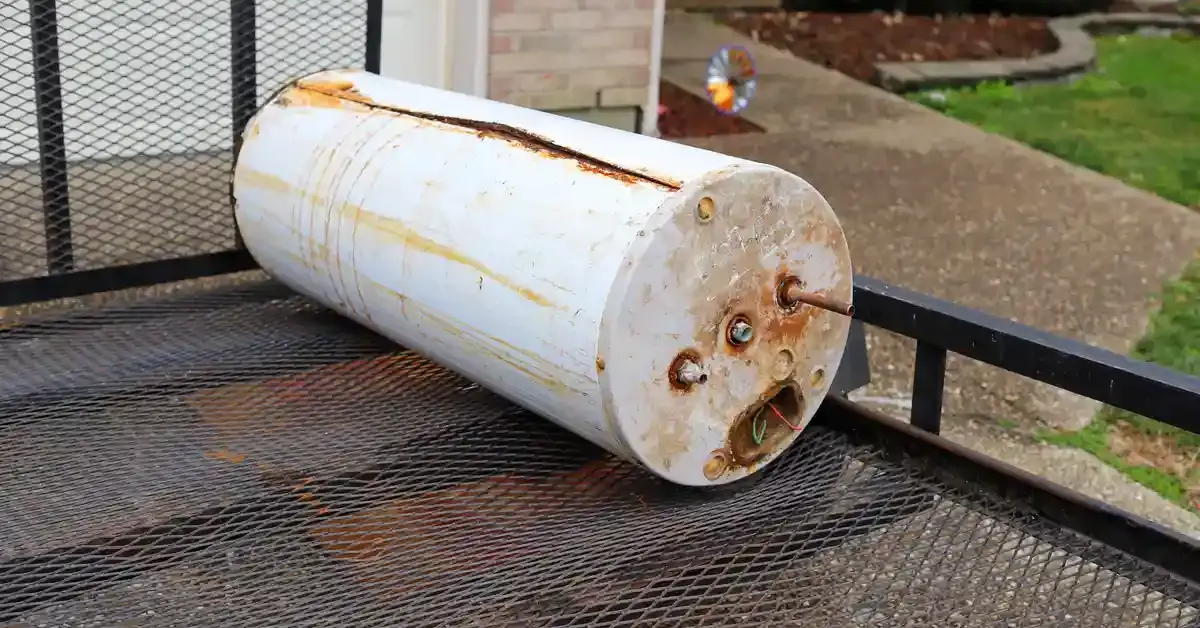
Yes, a water heater can sometimes be transported on its side, but upright transport is safer. Tank water heaters are heavy and contain parts that can shift or become damaged during movement. Laying one down also puts pressure on fittings, controls, insulation, and the tank itself. Always check the owner’s manual before moving your unit in a different position.
If sideways transport is unavoidable, drain the tank fully, protect the unit, secure it well, and move it carefully. Once you reach the new location, inspect the heater before installation. Never reconnect gas or power until the unit is properly installed.
Why Water Heater Orientation Matters During Transport
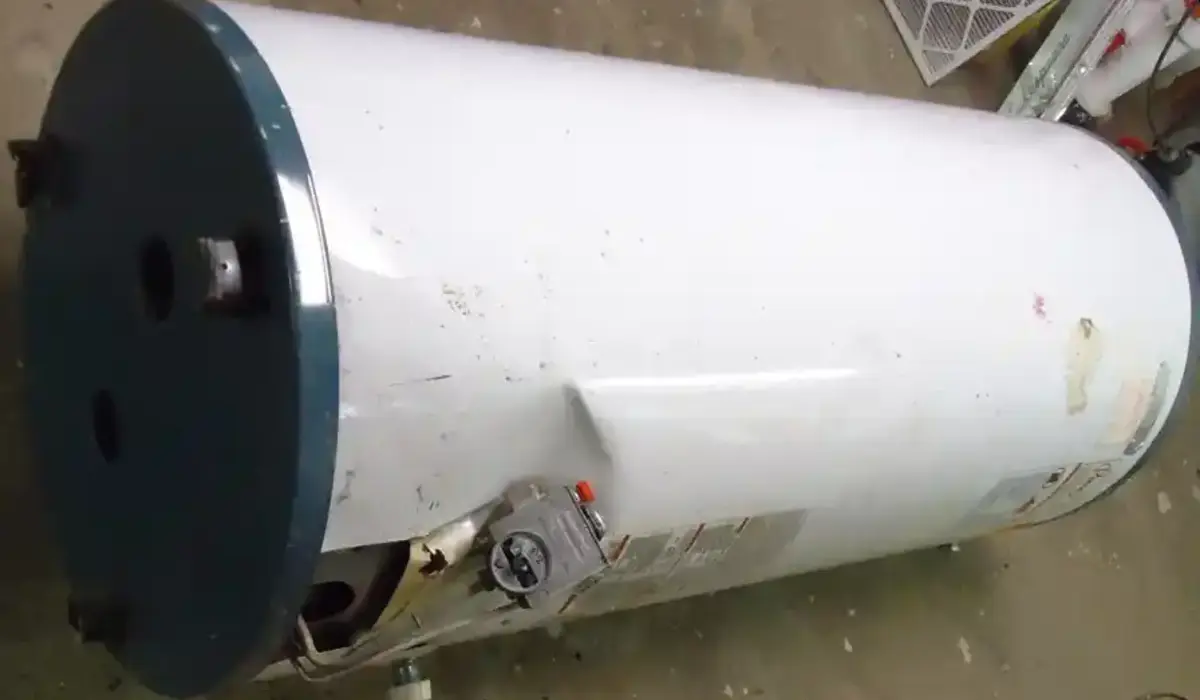
Water heaters are built to stand upright during normal operation. Their weight, internal parts, pipes, controls, and connections are arranged around that position.
Transport is different from normal use. A heater may experience bumps, turns, sudden stops, and pressure from straps. These forces can damage parts that would normally remain stable.
A full tank can also be extremely heavy. Moving one while filled with water creates a serious lifting and handling risk.
Manufacturers often provide specific moving instructions for their models. A. O. Smith, for example, recommends using a hand truck or appliance dolly when removing a water heater and warns that the units are heavy.
Before moving your heater, check the model number and owner’s manual. The instructions for one model may not apply to another.
You can read about: How to Install a Water Heater
What Happens When a Water Heater Is Laid Sideways?
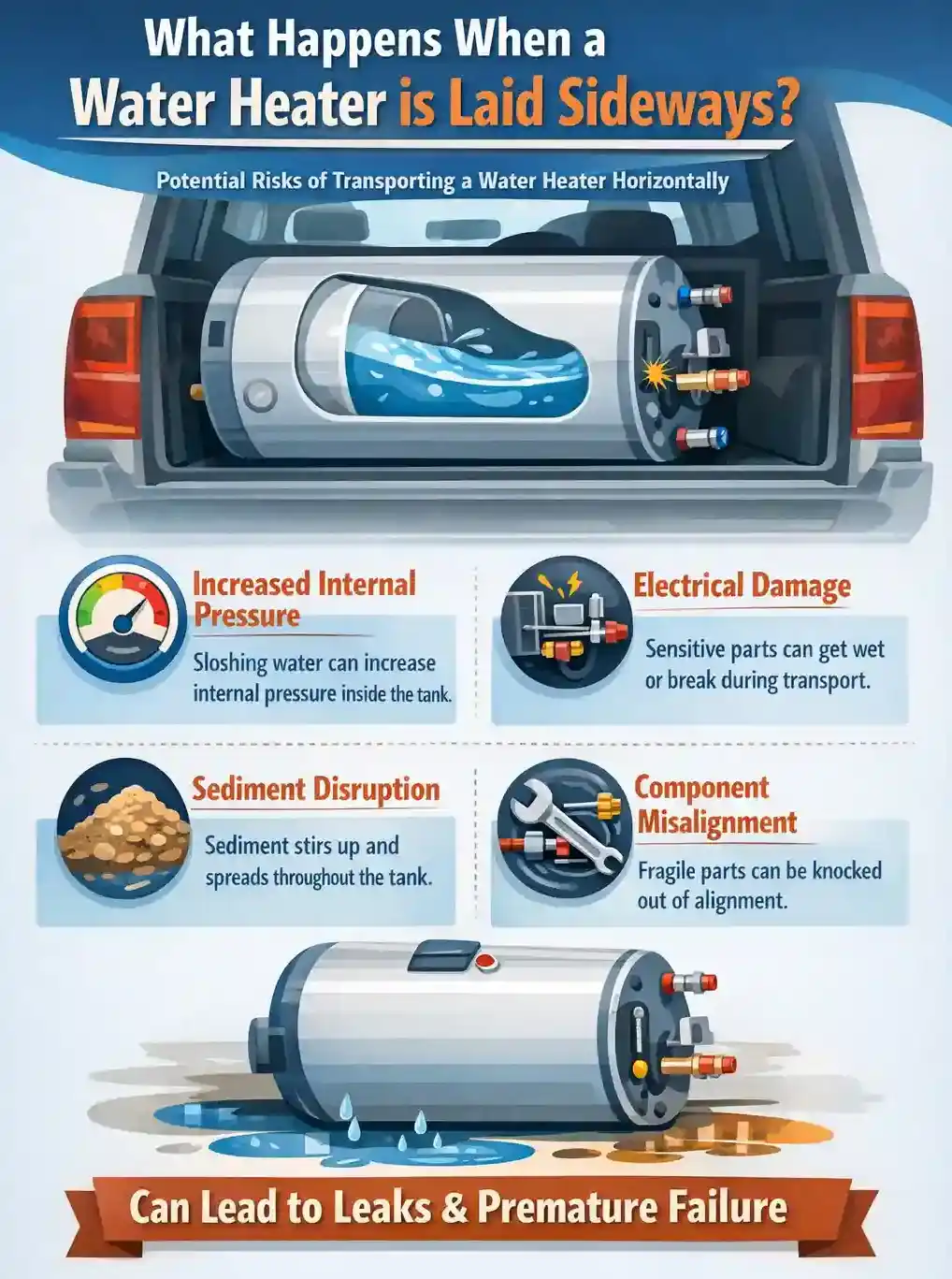
When a heater is placed on its side, its weight shifts across a different part of the cabinet.
That can put pressure on the jacket, fittings, drain valve, and other components. Rough movement can make the risk greater.
If the tank is not fully drained, the remaining water adds significant weight. Water can also move inside the tank while the heater is being carried.
Imagine loading a large tank into a pickup truck. If it is not secured, one sudden turn can make it roll or slide.
That movement can damage the heater and create a safety hazard for anyone nearby.
The issue is not simply the angle of the heater. How it is supported, secured, lifted, and transported matters just as much.
What Internal Components Can Be Damaged?
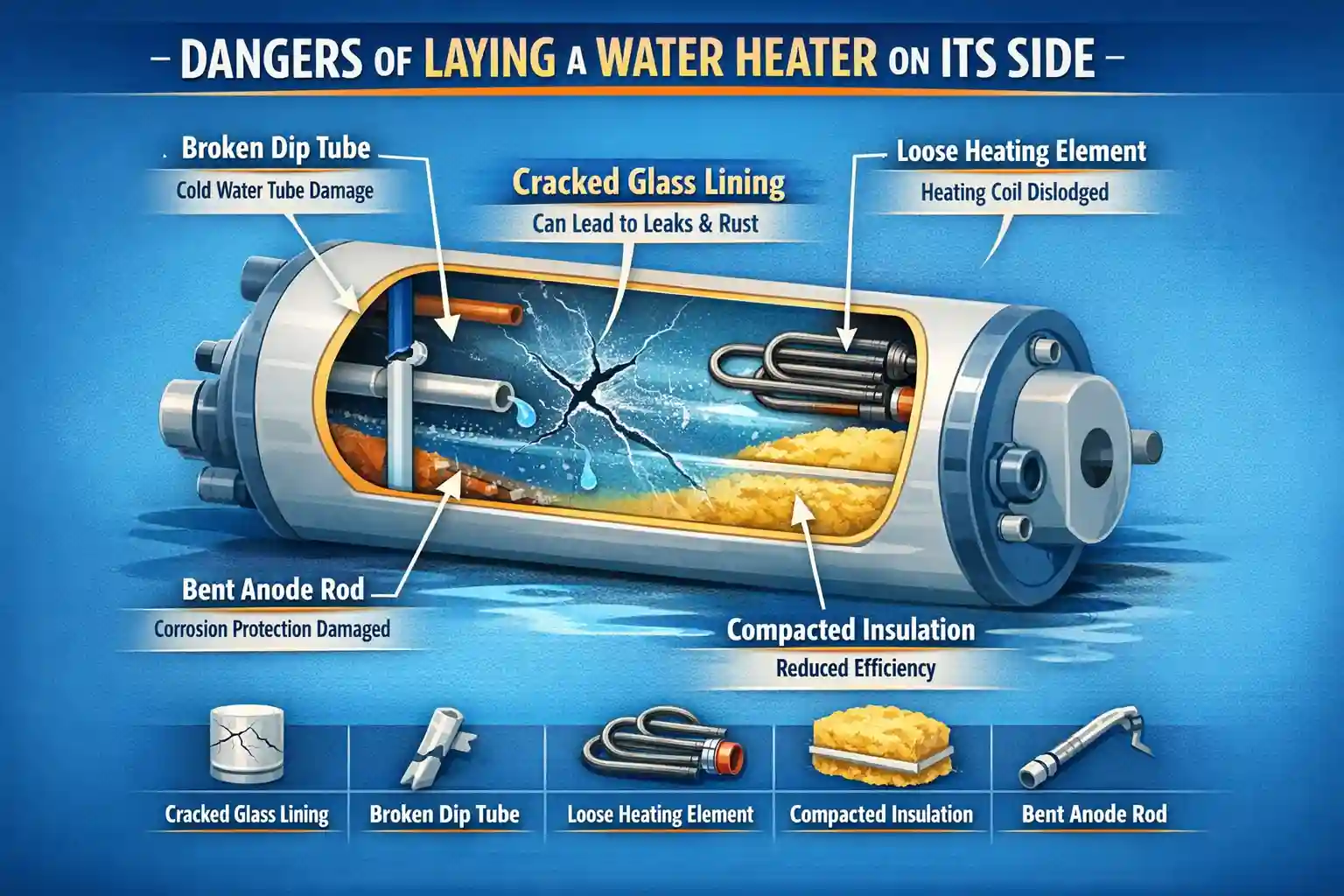
A water heater is more than a steel tank. Several parts can be affected when the unit is placed on its side.
Tank and Inner Lining
The tank holds water under pressure. Inside, many tank heaters have a protective lining designed to help prevent corrosion.
A hard impact can damage the tank or its lining. A dent may also affect the unit’s fit or create future problems.
Burner and Gas Controls
Gas water heaters have burners, gas controls, sensors, and other parts near the lower section.
These parts should be protected from impact. The gas control assembly should not be used as a point for lifting or securing the heater.
Heating Elements
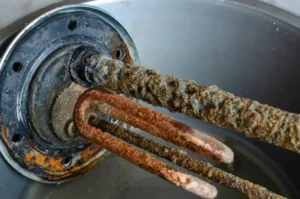
Electric water heaters usually contain heating elements that extend into the tank.
A strong impact can damage an element or its connection. This is one reason careful handling matters when moving an electric unit.
Pipes and Fittings
The water connections at the top of a tank can be vulnerable during transport.
If the heater rests directly on these fittings, they can bend or break. A damaged connection may not become obvious until the unit is filled again.
Insulation and Outer Jacket
The outside jacket and insulation can also be crushed or dented.
Cosmetic damage may not always affect performance. However, severe damage can affect insulation or access to important components.
Differences Between Gas and Electric Models
The basic transport concern is similar for both types. However, gas and electric water heaters have different components that need protection.
A gas model has a burner and gas control system. It may also connect to a vent system that must be removed correctly before transport.
An electric model does not have a gas burner or flue. It still contains heating elements, wiring, thermostats, and electrical connections.
Neither type should be moved while connected to gas, electricity, or water.
If you are replacing a heater, shut off the required utilities and follow the manufacturer’s removal instructions. Do not disconnect gas lines or electrical wiring unless you know the correct procedure.
Why Manufacturers Advise Against Sideways Transport
Many water heaters are designed to remain upright. That makes upright transport the preferred option when possible.
Manufacturers also need to account for damage caused by rough handling. A heater that looks fine after transport may still have a damaged fitting or internal part.
Your warranty may also depend on following the manufacturer’s instructions.
This is why you should not assume every model can be transported the same way.
If the manual says to keep the heater upright, follow that instruction. If the manufacturer gives a specific method for horizontal transport, follow that method instead.
When the manual is unavailable, contact the manufacturer using the model and serial number.
Can You Transport a Hot Water Heater on Its Side?
Yes, you can transport a hot water heater on its side depends on the model and the manufacturer’s instructions.
Some situations make sideways transport practical. A heater may need to pass through a narrow doorway, fit into a vehicle, or travel up stairs.
However, laying it down should be treated as a transport method, not a normal installation position.
Never leave a tank water heater operating on its side. The unit should be returned to its correct upright position before installation and use.
If the heater is new, check the shipping instructions that came with it. If it is an older unit, check its manual before moving it.
When Laying a Water Heater on Its Side Is Sometimes Necessary
Sideways transport may be needed when the heater cannot safely fit through a doorway while standing.
It may also be necessary when transporting the unit in a vehicle with limited interior height.
The key is to reduce movement and prevent pressure on vulnerable parts.
For example, a heater can be placed on suitable padding so the outer jacket is not resting against a hard surface. It should then be secured so it cannot roll.
This does not mean every heater is safe to move this way. The manufacturer’s instructions remain the first source to follow.
How to Safely Transport a Water Heater on Its Side
If the manufacturer permits sideways transport, use a careful process.
1. Turn Off the Utilities
Disconnect the water supply and shut off the appropriate energy source.
For a gas heater, the gas supply must be shut off before removal. For an electric heater, power must be disconnected at the correct electrical disconnect or breaker.
2. Drain the Tank Completely
Do not try to move a full tank.
A standard tank can hold a large amount of water. Even a partially filled tank can add hundreds of pounds to the load.
Allow the tank to drain before moving it.
3. Disconnect the Connections
Remove the water connections and other required connections according to the manufacturer’s instructions.
Gas and electrical connections need special care. If you are unsure, hire a qualified professional.
4. Protect the Heater
Use padding to protect the outer jacket from scratches, dents, and hard contact.
Keep the padding away from parts that could be damaged by pressure.
5. Position It Carefully
If horizontal transport is allowed, place the heater on a stable surface.
Do not let the unit rest on its water fittings, gas controls, drain valve, or other fragile parts.
6. Secure It Before Moving
Use suitable straps to stop the heater from rolling or sliding.
Do not tighten straps so much that they crush the jacket or insulation.
7. Use Enough Help
A water heater is not an easy one-person load.
A hand truck or appliance dolly can make movement safer. A. O. Smith specifically recommends these tools for moving its water heaters.
8. Inspect It After Transport
Before installation, check the jacket, fittings, drain valve, controls, and connections.
Look for dents, cracks, bent fittings, loose parts, or other signs of impact.
If anything looks damaged, stop and have the heater inspected.
Common Mistakes to Avoid When Transporting a Water Heater
Several mistakes can turn a simple move into an expensive repair.
Moving the Heater While Full
Water adds a huge amount of weight. It also increases the chance of uncontrolled movement.
Dragging It Across the Floor
Dragging can damage the base, jacket, fittings, or flooring.
Use an appropriate dolly instead.
Securing It by the Pipes
Pipes and fittings are not handles. Straps should not place damaging pressure on them.
Using Too Much Force
Do not push, drop, or roll the heater down stairs.
A controlled move is much safer than trying to save a few minutes.
Ignoring the Manual
Your heater’s model number matters. Always check the manufacturer’s instructions before deciding how to transport it.
Installing It Without an Inspection
A small dent may seem harmless. A damaged fitting or control can be much more serious.
Inspect the heater before reconnecting anything.
When You Should Call a Professional
Call a professional if you are unsure how to disconnect or move the heater.
This is especially important for gas water heaters. Gas connections, venting, and combustion parts require careful handling.
You should also get professional help if the heater has been dropped, badly dented, or struck during transport.
A professional can inspect the unit before installation and identify damage that may not be obvious.
If you are replacing an old unit, professional installation can also help ensure the water, gas, vent, and electrical connections are completed correctly.
Conclusion
So, Can You Lay a Water Heater on Its Side? You sometimes can for transport, but upright movement is usually the safer choice.
A sideways position can expose the tank, fittings, controls, insulation, and other parts to extra stress. Proper preparation reduces the risk, but the manufacturer’s instructions should always come first.
If your water heater needs replacement or professional setup, Derks Plumbing can help. Our service water heater installation in Eagle Rock can help you get the new unit installed correctly and safely.
Do not take chances with a heavy tank, gas connection, or electrical wiring. If you are unsure about moving your heater, getting professional help is the safer option.

Frequently Asked Questions
Can you transport a water heater on its side?
Some water heaters can be transported horizontally, but you should first check the manufacturer’s instructions. Upright transport is preferred when possible.
Can you lay a new water heater on its side?
It depends on the model and shipping instructions. Check the manual before laying a new unit down.
Can I transport a hot water tank on its side?
You may be able to transport some tanks horizontally. Drain the tank, protect it, secure it properly, and follow the manufacturer’s instructions.
How long can a water heater stay on its side?
There is no single safe time limit for every model. Follow the manufacturer’s storage and transport instructions rather than relying on a set number of hours.
Can I install a water heater after transporting it sideways?
Yes, if the model permits sideways transport and the unit has not been damaged. Return it to the correct installation position and inspect it before connecting utilities.
Should a gas water heater be transported on its side?
Only if the manufacturer allows it. Gas water heaters contain burners, controls, and vent connections that need careful handling.