Lukewarm showers are frustrating, especially when your water heater should be doing its job. The fix is often simple. Most water heaters let you adjust the temperature in just a few minutes using basic tools you already own.
If you want to know how to turn up water heater temperature safely, this guide covers every type, including gas, electric, and tankless units. You will also learn the right target temperature, common mistakes, and when to stop and call a plumber.
Understanding Your Water Heater Temperature Settings
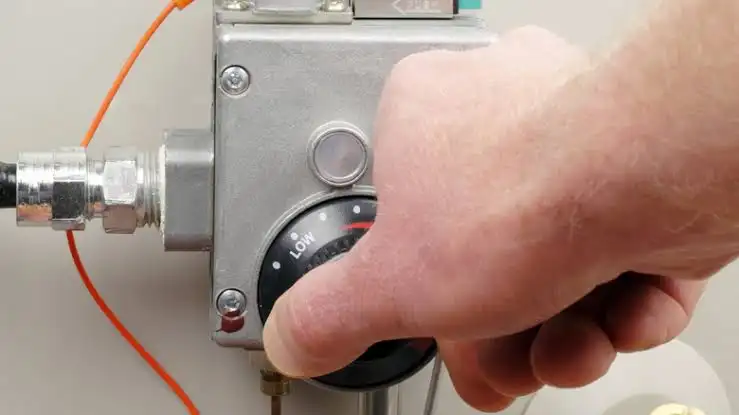
Most water heaters ship from the factory set at 120°F. This is the standard recommendation from the U.S. Department of Energy. It balances energy savings with comfortable hot water output.
Some homeowners need water hotter than 120°F. Households with older adults, newborns, or people with weakened immune systems may need 140°F to kill waterborne bacteria like Legionella.
Going above 140°F raises the risk of scalding. It also increases your energy bill without a meaningful benefit for most households.
Reasons You May Need to Turn Up Your Water Heater
Here are the most common reasons people need to increase their water heater temperature:
- The water feels lukewarm even at full hot setting
- You run out of hot water quickly with a full household
- A doctor or health professional recommends higher temps for sanitation
- Your dishwasher does not pre-heat water and needs hotter input
- You recently moved in and the previous owner had it set too low
If you are not sure whether your temperature needs adjusting, start by measuring your current hot water output with a kitchen thermometer. Run the tap for two minutes, then test it.
Know Your Water Heater Type Before Adjusting It
The method to adjust your water heater depends on what type you have. There are three main types:
Gas water heater: Has a gas burner at the bottom and a dial on the outside of the unit.
Electric water heater: Powered by electricity with one or two heating elements and thermostat panels behind access covers.
Tankless water heater: Heats water on demand with a digital control panel on the front.
Identify your type before starting. This prevents you from looking in the wrong place or adjusting the wrong control.
Tools and Safety Precautions Before You Begin
Never skip safety steps when working near a water heater. Gas and electricity are both involved depending on your unit type.
Safety precautions:
- Turn off power to an electric heater at the breaker box before opening panels
- Never use open flames near a gas water heater
- Do not touch internal wires on an electric unit
- Keep a fire extinguisher nearby when working on gas appliances
- Wait for the tank to cool slightly before touching components
If you smell gas at any point, stop immediately. Leave the home and call your gas company.
Tools and Materials You Will Need
- Flathead screwdriver
- Phillips screwdriver
- Non-contact voltage tester (for electric units)
- Kitchen or meat thermometer (to verify output)
- Flashlight or headlamp
- Work gloves
That is all you need for a basic temperature adjustment. No special plumbing tools are required.
How to Turn Up Water Heater (Step-by-Step Guide)
Here is the general process that applies to all water heater types before getting into the specifics below.
- Identify your water heater type.
- Locate the thermostat or temperature dial.
- Note the current setting before changing it.
- Adjust the temperature in small increments, around 10°F at a time.
- Wait one to two hours, then test your hot water output.
- Repeat if needed until you reach your target temperature.
Going slowly prevents overshooting and reduces scalding risk.
You can read about: How to Install a Thermocouple on a Water Heater
How to Turn Up a Gas Water Heater
Gas water heaters are the easiest to adjust. The thermostat dial sits on the front of the gas valve near the bottom of the tank.
- Locate the dial on the gas control valve. It usually shows settings like Warm, Hot, A, B, or C along with temperature numbers.
- Turn the dial clockwise to increase the temperature.
- The standard setting is between 120°F and 140°F.
- Set it, then wait about two hours for the tank to heat fully.
- Test your hot water at the tap using a thermometer.
If your dial only shows letters or words like Warm and Hot, the middle position is usually around 120°F. Turn it one notch higher if you want more heat.
How to Turn Up an Electric Water Heater
Learning how to turn up heat on water heater with an electric unit takes a few more steps because the thermostat is inside a panel.
- Go to your breaker box and turn off the circuit for the water heater.
- Use a non-contact voltage tester to confirm the power is off before touching anything.
- Remove the access panel on the side of the tank. Most have one on the upper half and one on the lower half.
- Pull back the insulation to expose the thermostat.
- Use a flathead screwdriver to turn the thermostat dial to your target temperature.
- If your unit has two thermostats, set both to the same temperature.
- Replace the insulation and access panel.
- Turn the breaker back on and wait two hours before testing.
This process answers how do you turn up heat on water heater with an electric model clearly and safely.
How to Increase Temperature on a Tankless Water Heater
Tankless units are the most straightforward. Most models have a digital display on the front panel.
- Find the control panel on the front of the unit.
- Press the temperature up button or use the dial to increase the setting.
- Most models adjust in 2°F or 5°F increments.
- Set it to your desired temperature, typically 120°F to 140°F.
- Run a hot tap for a minute and test the output.
Some units require you to access a service menu for adjustments beyond the standard range. Check your manual if the button controls do not let you go high enough.
Best Water Heater Temperature for Most Homes
The best all-around setting for most households is 120°F. Here is a quick breakdown:
- 120°F: Energy-efficient, safe for most families, prevents most bacteria growth
- 130°F: Good for households with dishwashers that do not pre-heat
- 140°F: Recommended for households with health-vulnerable members, but install a mixing valve to prevent scalding at taps
The Centers for Disease Control and Prevention recommends 140°F to reduce Legionella risk in stored water, but many safety experts suggest 120°F for everyday family use.
How Long Does It Take After Adjusting the Temperature?
After you adjust the thermostat, the tank needs time to heat the water inside to the new level.
- Gas water heaters: about 30 to 45 minutes
- Electric water heaters: one to two hours
- Tankless water heaters: immediate, since they heat on demand
If your water is still not hot enough after two hours, the issue may not be the thermostat.
Why Your Water Still Isn’t Hot After Turning It Up
If you adjusted the temperature and still have lukewarm water, check these things:
- Faulty thermostat: The dial may not accurately reflect the actual water temperature. Use a thermometer to verify output.
- Broken heating element (electric units): One or both elements may have failed. Test with a multimeter.
- Sediment buildup: Mineral deposits settle at the bottom of the tank over time and reduce heating efficiency.
- Undersized tank: If your household demand has grown, the tank may not keep up.
- Cross-connected pipes: A faulty plumbing connection can mix cold water into the hot line before it reaches your tap.
Common Mistakes to Avoid
Knowing how do you turn up the water heater is only half the picture. Avoiding these mistakes keeps you safe and protects your equipment.
- Setting the temperature above 140°F without a mixing valve at taps
- Forgetting to turn off the breaker before opening electric heater panels
- Ignoring a burning smell or unusual noise after adjustment
- Adjusting only one of two thermostats on an electric unit
- Testing the water immediately without giving the tank time to heat up
Tips to Keep Water Heater Performance at Its Best
A well-maintained water heater holds temperature better and costs less to run.
- Flush the tank once a year to remove sediment buildup
- Insulate the first few feet of hot water pipes coming off the heater
- Set a reminder to check the anode rod every three years
- Keep the area around the unit clear for proper airflow
- Test the pressure relief valve annually for safe operation
When You Should Call a Professional
Some situations call for a licensed plumber rather than a DIY fix.
Call a professional if you notice:
- A persistent rotten egg smell from the hot water, which signals bacteria in the tank
- Water pooling around the base of the heater
- The unit makes banging or rumbling noises even after a flush
- Your circuit breaker trips repeatedly when the heater is on
- The temperature does not change after adjusting the thermostat
If you need expert help, Derks Plumbing provides trusted Water Heater Installation in Eagle Rock along with full diagnostics, thermostat testing, and repair for all heater types. Our team gets the job done right the first time.
Conclusion
Knowing how to turn up water heater temperature is a simple skill that saves you money on service calls and keeps your home comfortable. Start with a small adjustment, give the tank time to respond, then test your output before changing anything else.
If the water still is not hot after trying these steps, there is likely a deeper issue worth having a professional inspect. Derks Plumbing is here to help with fast, reliable water heater service whenever you need it.
Frequently Asked Questions
What is the safest temperature to set a water heater?
The U.S. Department of Energy recommends 120°F for most homes. This is hot enough for daily use while reducing scalding risk and lowering energy costs.
How do I know if my water heater thermostat is broken?
If adjusting the thermostat does not change your water temperature after two hours, the thermostat may be faulty. A plumber can test it with a multimeter.
Can I turn up the hot water heater temp without tools?
Gas water heaters only need your hand to turn the dial. Electric and tankless units may need a screwdriver, but no advanced tools are required.
Why does my hot water run out so fast?
A tank that is too small for your household, a broken heating element, or heavy sediment buildup can all reduce how much hot water you get.
Is it safe to set a water heater to 140°F?
Yes, but only with precautions. At 140°F, you should install a thermostatic mixing valve at your taps to prevent scalding, especially if you have children or older adults at home.




