A tankless water heater should be cleaned to remove mineral buildup, dirt, and other debris. Hard water is a common cause of scale inside the heat exchanger. This buildup can reduce water flow, affect heating, and make the unit work harder. Regular cleaning helps keep the heater working as it should. The exact process depends on the heater model, so always check the owner’s manual first. For many units, cleaning involves shutting off the energy supply, isolating the water lines, connecting service hoses, circulating a cleaning solution, and flushing the system with fresh water.
If you want to know How to Clean Tankless Water Heater, start by checking whether your unit has service valves. These valves make the flushing process easier and safer. Never start cleaning while the heater is still connected to an active gas or electrical supply.
Why Does a Tankless Water Heater Need Cleaning?
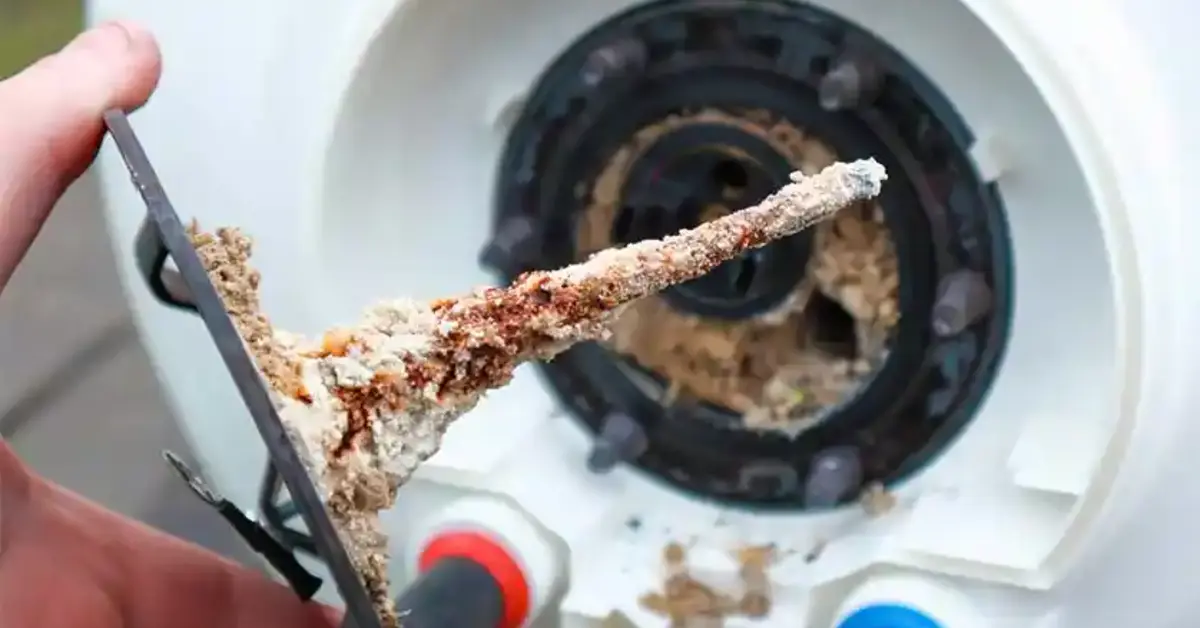
A tankless water heater heats water as it passes through a heat exchanger. Over time, minerals in the water can collect on the heat exchanger.
Calcium and magnesium are common minerals found in hard water. When heated, they can form a hard layer called scale.
This buildup can restrict water flow and reduce heat transfer. The heater may then need to work harder to heat the same amount of water.
Cleaning also helps remove dirt from the inlet filter. This small filter can collect sand, rust, and other debris from the water supply.
Common reasons for tankless water heater cleaning include:
- Mineral buildup from hard water
- Reduced hot water flow
- Longer heating times
- Temperature changes during use
- Error codes on some models
- Unusual sounds during operation
- A dirty inlet water filter
Cleaning is only one part of tankless water heater maintenance. You should also check the water filter, connections, venting on gas models, and other parts listed in your owner’s manual.
What Does Cleaning a Tankless Water Heater Involve?
Cleaning usually has two main parts.
The first is descaling. This removes mineral deposits from the heat exchanger.
The second is flushing the unit with clean water. This removes the cleaning solution and loosened debris.
Some maintenance tasks are separate from descaling. For example, cleaning the inlet filter removes debris from the incoming water supply.
The complete process may include:
- Turning off the heater’s energy source.
- Shutting off the water supply.
- Isolating the heater with service valves.
- Connecting cleaning hoses.
- Circulating an approved cleaning solution.
- Flushing the system with clean water.
- Cleaning the inlet filter.
- Restoring water and energy.
- Checking the heater for leaks and proper operation.
The steps can vary between brands and models. Rinnai, for example, provides model-specific instructions for maintenance and flushing. Always follow the instructions for your unit.
How Often Should You Clean a Tankless Water Heater?
Many tankless water heaters need flushing about once a year. However, your actual schedule depends on water quality, usage, and the manufacturer’s instructions.
Homes with hard water may need more frequent cleaning. Mineral buildup can happen faster when water contains high levels of calcium and magnesium.
Your heater may also need attention sooner if you notice poor flow, temperature changes, or unusual sounds.
Do not use a fixed schedule without checking your owner’s manual. Some manufacturers provide different maintenance recommendations for different models.
If you are unsure about your water quality, a local water test can help. Your utility provider may also publish information about water hardness in your area.
What You Need to Clean a Tankless Water Heater
Gather your supplies before starting the job.
You may need:
- A small circulation pump
- Two suitable hoses
- A clean bucket
- Manufacturer-approved descaling solution
- Gloves and eye protection
- A wrench if required
- A clean cloth
- The heater’s owner’s manual
Many tankless systems use service valves with hose connections. These allow cleaning solution to circulate through the heat exchanger without removing the heater from the wall.
Do not force a connection that does not fit. Using the wrong hose or fitting can cause leaks.
The cleaning solution should also match the manufacturer’s instructions. Some models may have restrictions on what products can be used.
How to Clean a Tankless Water Heater Step by Step
The following process is a general guide. Your model’s manual should always take priority.
1. Turn Off the Energy Supply
Turn off the heater before beginning maintenance.
For an electric model, switch off the power at the proper disconnect or breaker.
For a gas model, follow the manufacturer’s instructions for shutting off the gas and heater controls.
Allow the unit to cool before working on it.
2. Shut Off the Water Supply
Close the water supply leading into the heater.
If your system has hot and cold isolation valves, close both valves before opening the service ports.
This prevents normal water flow while you clean the heat exchanger.
3. Open the Service Valves
Follow your valve manufacturer’s instructions.
Service valves are designed to isolate the heater and provide access for flushing.
Do not remove parts simply because you cannot identify the service ports. If your system does not have suitable isolation valves, professional help may be safer.
4. Connect the Cleaning Hoses
Connect one hose from the circulation pump to the appropriate service port.
Connect the second hose from the other service port back to the cleaning bucket.
Check every connection before adding the cleaning solution.
A loose hose can spill solution and create a mess or safety issue.
5. Add the Cleaning Solution
Use the amount and type of solution recommended for your heater.
The solution is used to loosen mineral deposits inside the heat exchanger.
Do not mix different cleaning chemicals. Never add a product that your manufacturer does not approve.
6. Circulate the Solution
Turn on the circulation pump and allow the solution to move through the heater.
The pump sends the solution through the heat exchanger and back into the bucket.
The circulation time depends on the product and the amount of buildup. Follow the instructions for the cleaning solution and heater.
7. Flush the Heater With Fresh Water
After descaling, remove the cleaning solution as directed.
Flush the heat exchanger with clean water until the system is free of the cleaning solution.
This step matters because leftover solution should not remain inside the water path.
8. Clean the Inlet Water Filter
Turn your attention to the inlet filter.
The filter can collect small particles from the water supply. Remove and clean it according to the manufacturer’s instructions.
Inspect the filter before putting it back.
If it is damaged, replace it with the correct part.
9. Restore the Water Supply
Close the service ports as instructed.
Open the water valves slowly and check the connections.
Look for leaks around the service valves and water connections.
10. Restore Power or Gas
Once the heater is filled and the connections are secure, restore the energy supply according to the manufacturer’s instructions.
Run hot water through a nearby fixture.
Check for proper flow and stable water temperature.
You can read about: How Much Does a Hot Water Heater Cost?
How to Descale a Tankless Water Heater
Descaling is the part of tankless water heater cleaning that targets mineral deposits.
Hard water can leave calcium deposits on surfaces inside the heat exchanger. A suitable cleaning solution helps loosen this material.
The basic process is:
Isolate the heater → connect the pump → circulate the solution → drain it → flush with clean water.
The exact circulation time depends on the heater and cleaning product.
Do not assume that more cleaning solution or a longer cleaning cycle is always better. Follow the product directions and your heater manual.
If the heat exchanger has heavy buildup, normal cleaning may not restore proper performance. A professional inspection may be needed.
What Can You Use to Descale a Tankless Water Heater?
Use a cleaning solution approved by the manufacturer whenever possible.
Some tankless water heater manufacturers allow certain descaling products or cleaning methods. Others provide their own recommendations.
White vinegar is sometimes used for tankless heater maintenance, but you should not assume it is suitable for every model.
Check your owner’s manual before choosing a solution.
The goal is to remove mineral scale without damaging the heat exchanger, seals, valves, or other components.
Never mix cleaning chemicals. Follow the product label and use proper protective equipment.
What Happens If You Don’t Clean a Tankless Water Heater?
Mineral buildup can continue to collect inside the heat exchanger.
As scale becomes thicker, heat transfer can become less effective. Water flow may also become restricted.
You may notice that hot water takes longer to reach the fixture. The temperature may also change when another faucet or shower starts using water.
A dirty filter can cause another type of flow problem.
Ignoring maintenance does not always cause immediate failure. Problems can develop slowly, which makes regular inspection useful.
Cleaning cannot fix every water heater problem. If the heater still performs poorly after cleaning, the issue may involve the flow sensor, heating system, plumbing, gas supply, electrical parts, or another component.
Signs Your Tankless Water Heater Needs Cleaning
Watch for changes in normal performance.
Reduced Water Flow
A dirty inlet filter or mineral buildup can restrict flow.
Temperature Changes
Water may become cooler or fluctuate during use when the heater is not working properly.
Unusual Sounds
Crackling, popping, or other unusual sounds can occur when mineral deposits affect the heat exchanger.
Error Codes
Some units may display an error when a problem affects normal operation. Always check the owner’s manual before assuming an error means the heater needs cleaning.
Poor Hot Water Performance
If your heater no longer provides the same hot water performance, maintenance may be due.
These signs can have several causes. Cleaning is not always the complete solution.
Common Tankless Water Heater Cleaning Mistakes
Avoid these mistakes when cleaning a tankless water heater.
Starting Without Reading the Manual
Every model has its own parts and instructions. Read the manual before connecting hoses or opening valves.
Forgetting to Shut Off the Energy
Never begin maintenance while the heater is operating.
Skipping the Fresh-Water Flush
Cleaning solution should be removed from the water path after the descaling process.
Using the Wrong Chemical
An unsuitable cleaner may damage internal parts.
Ignoring the Inlet Filter
Descaling the heat exchanger does not automatically clean the inlet filter.
Forgetting to Check for Leaks
Always inspect service connections after restoring water pressure.
Cleaning Without Proper Valves
If you cannot safely isolate the heater, do not improvise a connection.
How Long Does It Take to Clean a Tankless Water Heater?
The time varies by heater model, mineral buildup, access, and cleaning method.
A routine flush can take a few hours when you include setup, solution circulation, fresh-water flushing, and cleanup.
Heavy buildup may take longer.
The pump may need to circulate the cleaning solution for the period stated by the product manufacturer.
Do not rush the process just to finish faster. Proper isolation and flushing matter more than saving a few minutes.
When Should You Hire a Professional?
DIY maintenance is not right for every situation.
Consider professional service if you cannot identify the service valves, have a gas unit you are uncomfortable working around, find a leak, or see an error code that remains after basic maintenance.
Professional help is also useful when the heater has heavy scale or has not been maintained for years.
A technician can inspect the heater before cleaning and determine whether the problem is actually caused by mineral buildup.
If cleaning does not solve poor flow or temperature problems, further diagnosis may be needed.
Conclusion
Learning How to Clean Tankless Water Heater systems can help you handle basic maintenance and reduce mineral buildup. The process usually involves isolating the heater, circulating an approved cleaning solution, flushing it with fresh water, and checking the inlet filter.
The most important step is to follow the instructions for your exact model. Do not use a cleaning chemical or method simply because it worked on another heater.
Regular tankless water heater maintenance also includes checking filters, connections, and other components listed by the manufacturer.
If your heater needs professional service or replacement, Derks Plumbing can help homeowners with tankless water heater installation in Eagle Rock and related plumbing needs. Professional service is a good choice when the heater has heavy scale, leaks, gas concerns, or problems that cleaning does not fix.

FAQs
How often should a tankless water heater be cleaned?
Many units benefit from annual flushing, but the right schedule depends on water hardness, usage, and manufacturer instructions. Homes with hard water may need more frequent maintenance.
Can I clean my tankless water heater myself?
Yes, some homeowners can handle basic flushing when the heater has proper service valves and clear manufacturer instructions. Gas units and difficult installations may require professional help.
Is descaling the same as cleaning a tankless water heater?
Not exactly. Descaling focuses on removing mineral buildup from the heat exchanger. Cleaning can also include flushing the system and cleaning the inlet water filter.
Can I use vinegar to clean a tankless water heater?
Some systems may allow vinegar, but it is not suitable for every model. Check the manufacturer’s instructions before using vinegar or any other cleaning solution.
What happens if you never flush a tankless water heater?
Mineral buildup can become heavier over time. This may reduce flow, affect heat transfer, and cause poor hot water performance.
How do I know if my tankless water heater needs cleaning?
Reduced flow, temperature changes, unusual sounds, or certain error codes can indicate a maintenance issue. These symptoms can have other causes, so inspect the system before assuming it needs descaling.




