A new hot water heater usually costs $600 to $2,500, including basic installation. The final price depends on the heater type, tank size, labor, and plumbing changes. Traditional tank heaters often cost less upfront, while tankless and high-efficiency models can cost more. Your home’s fuel source and hot water needs also affect the total bill.
If you’re wondering How Much Does a Hot Water Heater Cost, compare the unit price with installation, permits, and other expenses. This guide explains average prices, replacement costs, repair options, and ways to save money when choosing a new water heater.
How Much Does a Hot Water Heater Cost on Average?
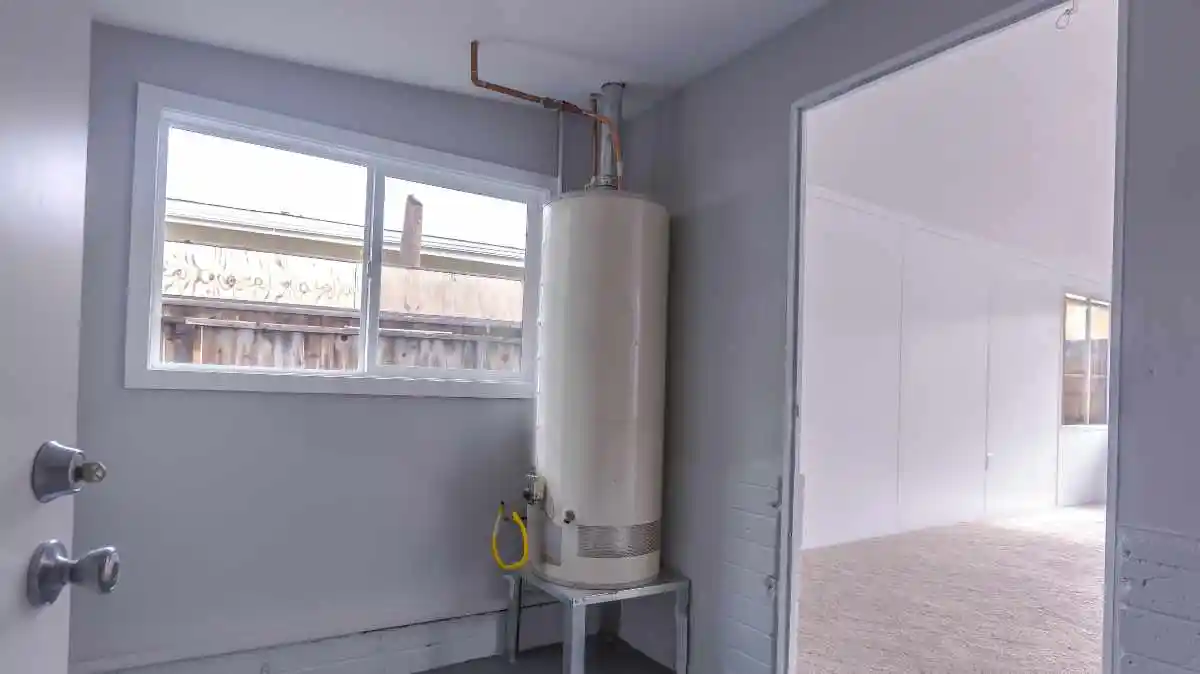
Most homeowners spend around $600 to $2,500 to replace a traditional tank water heater, including basic installation. Tankless systems can cost $1,400 to $4,000 or more. These are general US estimates, and your final price may differ based on local labor rates and installation needs.
The total price usually includes three main parts. The first is the water heater itself. The second is the plumber’s labor. The third includes extra work, such as removing the old unit, changing pipes, or getting permits.
For example, replacing an old tank with a similar model may cost less than switching to a tankless system. A tankless upgrade might require new gas lines, electrical work, or different venting.
When comparing quotes, ask whether the price includes equipment, labor, disposal, and required permits. This helps you compare the full cost instead of looking at the unit price alone.
How Much Does a Hot Water Heater Cost by Type?
The type of water heater you choose affects the purchase price, installation cost, and future energy bills. Some models cost less upfront, while others may use less energy over time.
Standard Tank Water Heater
A standard tank heater stores hot water in a tank until your household needs it. It is often an affordable choice when replacing an existing tank with a similar model.
Electric tank heaters work well in homes with suitable electrical connections. Gas models may heat water faster but need safe venting and a proper gas supply.
Tankless Water Heater
Tankless heaters warm water as it passes through the unit. They take up less space and do not keep a large tank of water hot all day.
However, the initial price is often higher. Some homes need electrical upgrades, new gas lines, or different venting before installation.
Heat Pump Water Heater
Heat pump water heaters use heat from the surrounding air to warm water. They run on electricity and can use less energy than standard electric tank models.
These units often cost more to buy. They also need a suitable space with enough airflow to work properly.
Solar Water Heater
Solar water heaters use sunlight to heat water. Many systems include a backup heater for cloudy days or periods of high demand.
They can reduce energy use, especially in sunny areas. However, equipment, roof work, and installation can increase the initial cost.
How Much Does a Tank vs. Tankless Water Heater Cost?
A traditional tank heater usually costs less upfront than a whole-house tankless system. However, the best choice depends on your household size, hot water use, available space, and budget.
A tank model may suit homeowners who want a lower initial cost and a simple replacement. A tankless unit may work better for households that need frequent hot water and want to save space.
Consider a family that uses showers, laundry machines, and a dishwasher throughout the day. A tankless heater must provide enough hot water for the fixtures running at the same time. Choosing a unit with a low flow rate can lead to poor performance.
Tankless heaters can last longer than standard tank models, but their lifespan depends on water quality, maintenance, and usage.
Before switching systems, ask a plumber to compare installation costs and expected energy use. This helps you understand the long-term value instead of focusing only on the purchase price.
What Factors Affect Hot Water Heater Costs?
Several factors can change your total water heater cost. Understanding these details helps you prepare a more realistic budget.
Tank Size and Household Demand
Larger households often need more hot water. They may require a larger tank or a tankless unit with a higher flow rate. Choosing the wrong size can lead to hot water shortages or unnecessary energy use.
Fuel Source
Electric, natural gas, propane, and solar systems have different equipment and installation needs. Switching from one fuel source to another may require extra work.
Labor and Installation Access
Replacing a heater in an open utility room is often easier than installing one in a tight closet or difficult-to-reach space. Complex jobs can increase labor costs.
Energy Efficiency
High-efficiency models may cost more upfront but can reduce monthly energy use. Your actual savings depend on local utility rates, daily water use, and the model you choose.
Local Codes and Permits
Some areas require permits or inspections for water heater replacement. Your plumber should confirm local rules and explain any related fees before work begins.
Brand and Warranty
Water heater prices vary by brand, features, and warranty coverage. Compare the warranty terms and expected maintenance needs instead of choosing a model based only on price.
You can read about: What Size Of Water Heater Do I Need?
What Additional Costs Should Homeowners Expect?
The quoted hot water heater installation cost may not cover every part of the job. Ask for an itemized estimate before approving the work.
Common extra expenses include:
- Permits and inspections: Local rules may require permits or inspections.
- Old unit removal: The installer may charge to drain, remove, and dispose of the old heater.
- Pipe and valve repairs: Worn connections or shutoff valves may need replacement.
- Expansion tank: Some plumbing systems require an expansion tank to manage pressure changes.
- Venting changes: Gas heaters need proper exhaust venting. A new model may not work with the existing setup.
- Electrical or gas upgrades: A different unit may need new wiring, a larger circuit, or a properly sized gas line.
- Leak protection: A drain pan or other protection may be needed based on the heater’s location and local code.
Not every home needs these upgrades. Ask your installer to explain each extra charge and confirm which items are included in the quote.
How Much Does It Cost to Replace vs. Repair a Water Heater?
Repairing a water heater can cost less than replacing the entire unit. The right choice depends on the problem, the heater’s age, and the price of replacement parts.
Minor repairs, such as replacing a thermostat or heating element, may cost around $100 to $500. More complex repairs can cost more, depending on the unit and the parts required.
Replacement may make more sense when the tank leaks, the heater breaks down often, or repair costs approach the price of a new unit.
For example, an eight-year-old heater with a faulty thermostat may be worth repairing if the tank is in good condition. However, a leaking tank with a history of repeated repairs may be better replaced.
Compare the water heater replacement cost with the repair estimate before making a decision. Consider the unit’s age, warranty coverage, expected lifespan, and the chance of further repairs.
When Should You Replace Your Hot Water Heater?
Most standard tank water heaters last around 8 to 12 years. Tankless models can often last around 15 to 20 years with proper care. Actual lifespan depends on water quality, maintenance, and daily use.
Watch for these common warning signs:
- Water leaking from the tank: A leaking tank often needs replacement.
- Rusty hot water: Rust may point to corrosion inside the heater or nearby pipes.
- Frequent breakdowns: Repeated repairs can make an older unit expensive to keep.
- Not enough hot water: The heater may be too small, worn out, or affected by a faulty part.
- Popping sounds: Sediment buildup can cause noise and reduce performance.
- Higher energy bills: An aging or poorly working heater may use more energy than necessary.
Not every problem means you need a new heater. A faulty thermostat or sediment buildup may be repairable. Ask a plumber to inspect the system before choosing between repair and replacement.
If water is pooling around the heater, arrange an inspection promptly. A plumber can check whether the leak comes from a connection, valve, or tank.
How Can You Save Money on a New Water Heater?
You can reduce the cost of a new heater without choosing a unit that fails to meet your household’s needs.
Choose the Right Size
A heater that is too large may cost more to buy and operate. A unit that is too small may not provide enough hot water. Choose a size based on household demand and peak usage.
Compare Written Quotes
Ask at least two qualified installers for written estimates. Compare equipment, labor, permits, removal, and extra work to understand each quote.
Keep the Same System When Practical
Replacing a tank heater with a similar tank model may avoid expensive changes to gas lines, wiring, or venting. Switching systems can still make sense, but compare the full cost first.
Check Energy Use
Compare the estimated annual energy costs on product labels. A more efficient model may save money over time, depending on your utility rates and water use.
Check Rebates and Incentives
Your utility provider or local programs may offer incentives for eligible high-efficiency models. Check the rules and deadlines before buying the heater.
Maintain Your New Heater
Follow the manufacturer’s care instructions and schedule recommended maintenance. Proper care can help the unit work well and may reduce the risk of costly repairs.
Avoid choosing a heater based on price alone. A low-cost model that cannot meet your needs may cost more over time.
Is a Water Heater Worth the Extra Cost?
Paying more for a water heater can be worthwhile when the added features match your needs. High-efficiency models may reduce energy bills, while tankless systems can save space and heat water on demand.
However, a higher purchase price does not guarantee savings for every household. Your water use, local energy rates, installation needs, and plans for the home all matter.
For example, a homeowner planning to stay in the same house for many years may benefit from a more efficient model. Someone planning to move soon may prefer a lower-cost replacement.
Compare the full purchase and installation price with expected energy costs and maintenance. This helps you decide whether the extra upfront cost makes sense for your home.
Conclusion
The cost of a new hot water heater depends on its type, size, fuel source, and installation needs. Traditional tank models often cost less upfront, while tankless and high-efficiency systems may offer long-term benefits.
If you’re still asking How Much Does a Hot Water Heater Cost, get a quote based on your home’s plumbing and hot water needs. Derks Plumbing can help homeowners compare suitable options and understand the work involved. For local assistance, visit our Water Heater Installation in Eagle Rock service page to discuss your replacement needs with a plumbing professional.

Frequently Asked Questions
How Much Does a Hot Water Heater Cost to Install?
A standard tank water heater often costs $600 to $2,500 with basic installation. Tankless systems can cost $1,400 to $4,000 or more. The final price depends on the unit, labor, and required upgrades.
How Much Does a 50-Gallon Water Heater Cost?
A 50-gallon tank heater may cost around $800 to $2,500 installed. The price depends on the brand, fuel type, efficiency, and local labor rates. Household hot water demand also affects the size you need.
What Is the Average Hot Water Heater Replacement Cost?
A typical tank replacement may cost around $900 to $1,800, although some jobs fall outside this range. Tankless replacements can cost more if the home needs new venting, gas lines, or electrical work.
Is It Cheaper to Repair or Replace a Water Heater?
Repairing a heater is often cheaper when the problem involves a small part. Replacement may be a better choice when the tank leaks, breakdowns happen often, or repair costs are high compared with a new unit.
How Long Does a Water Heater Usually Last?
A standard tank water heater often lasts 8 to 12 years. Tankless models can last around 15 to 20 years with proper care. Water quality, maintenance, and daily use affect the actual lifespan.
Does a Tankless Water Heater Save Money?
A tankless heater can reduce energy waste because it heats water on demand. However, its higher installation cost may offset some savings. Compare your household’s water use, utility rates, and total installation price before deciding.


