What Factors Affect Tankless Water Heater Installation Cost?
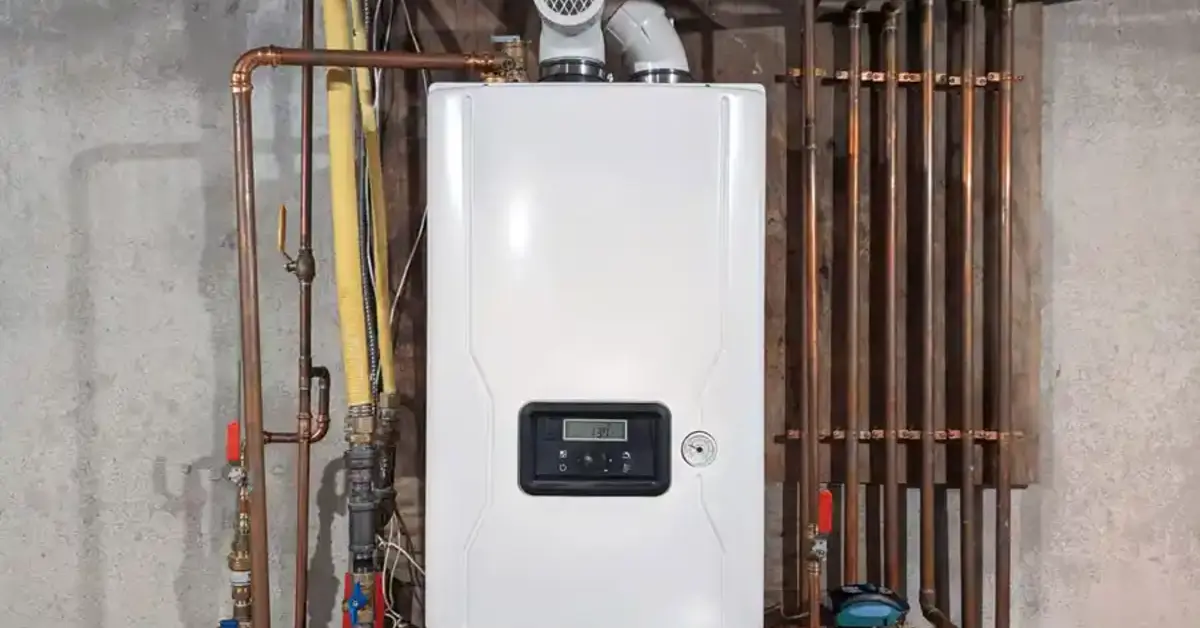
Considering a tankless water heater? It’s more than the sticker price you find on the internet. Many other factors come into play when you’re thinking about the final cost your home’s existing plumbing, the size of the system, and the amount of work involved to make it all operate.
1. Type of Water Heater
Did you know? Electric tankless water heaters tend to be more budget-friendly compared to gas units. This option is perfect for households with less demanding water needs or just a single point of use, as long as your electrical system can support it. However, you may have to rewire if you’re installing an electric whole-house system.
Gas models are usually the better choice if you’ve got a bigger house or higher hot water demand. They supply a large quantity of hot water but may include other considerations such as the need for appropriately sized gas lines, approved venting, and meeting various safety standards. Also keep in mind the needs of gas storage and gas delivery systems if you plan on using a propane model.
2. Size and Hot-Water Demand
How much hot water do you really need? If you’re just a small household with one shower going at a time, then a smaller unit is right for you, but if you’re a big family with showers running all at once and the laundry, the hot tub, and the dishwasher going at the same time, then you’ll want to be looking at something larger. We know what flow rate in GPM you’ll need in your water heater to make things work smoothly; it’s what we do, and it depends on your incoming water temperature if it’s a really hot day or your area is a little more tropical.
3. Existing Plumbing and Utility Connections
Awesome, so all you need to do now is determine which model is appropriate for you. Conventional Storage Tank Your water connections, venting, and draining condensate will be dissimilar, and even where you can mount it is going to vary. And don’t forget your plumbing and shutoff valves. Outdated pipes will need a little love when you set them up, so keep that in mind before you buy a device to stay away from surprise costs.
Gas vs. Electric Tankless Water Heater: Which Is More Affordable?
A couple of questions about electric and gas systems? You’re not alone! There’s often a difference in initial cost, installation, and running cost. Electric or gas? Which is right for you? Well, it comes down to your home’s connecting utility, the demand of the household, and the energy rate in your area not just the purchase price.
| Feature | Electric System | Gas System |
| Equipment price | Generally lower | Generally higher |
| Installation complexity | Low if electrical capacity is adequate | Often higher due to venting and gas connections |
| Electrical requirements | May require dedicated high-amperage circuits | Requires power for controls on many models |
| Venting | Usually unnecessary | Required for combustion exhaust |
| Best fit | Smaller demands or suitable electrical setups | Many whole-house, higher-demand applications |
| Running expenses | Depend on electricity rates and efficiency | Depend on gas prices and efficiency |
Considering an upgrade to your heating? An electric system can be cheaper if your panel can carry it. But a major panel upgrade can eat away at those savings. Gas makes the most sense if you already have the right supply and venting.
So, which one should I choose? Ask a professional installer to calculate both options for you according to your home’s peak demand and your electric rates. You’ll be able to compare the lifetime costs.
Additional Expenses That Can Increase the Installation Price
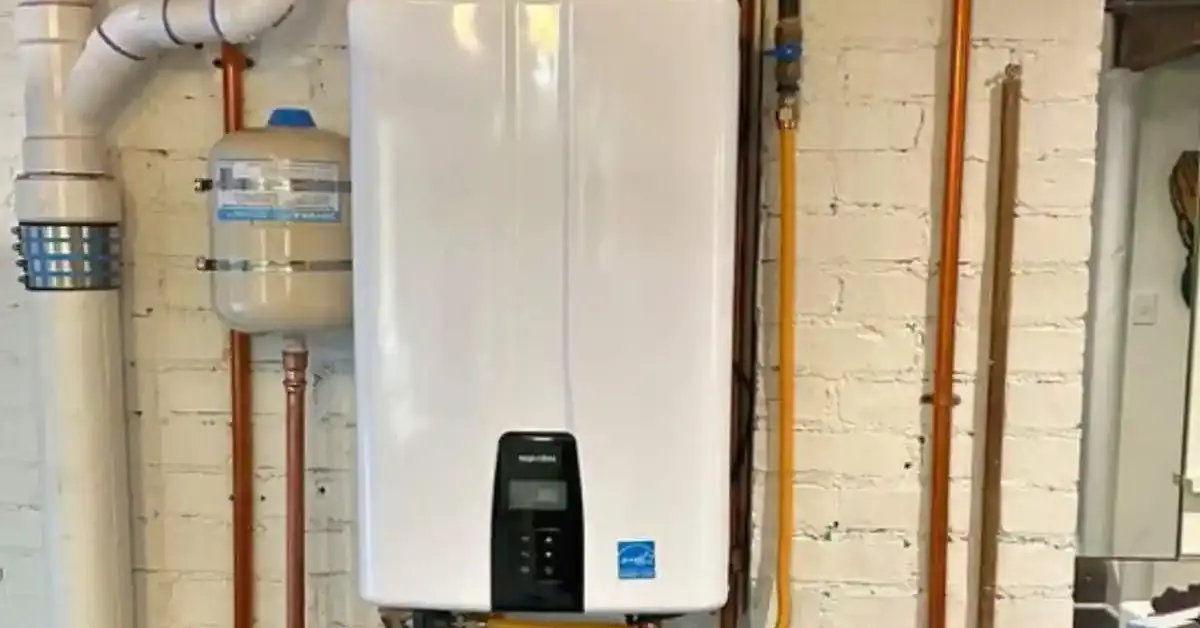
Unit prices advertised are generally based on a complete install. The large majority of jobs for many properties will have to include a large quantity of work items.
Other conventional extra charges are
- The gas line size is probably too small and will need to be replaced/upgraded.
- Electrical upgrades: Large-capacity electric devices need a new circuit, new wiring, or a new service panel.
- Exhaust piping: Offered vent piping and termination points for gas units are approved.
- Plumbing, gas, or electrical work may require a permit and inspection by the city or county.
- Tank removal: Fees may be charged for disconnecting and removing the tank.
Tankless Water Heater vs. Traditional Water Heater: Cost Comparison
A typical storage-tank water heater is usually less expensive to purchase initially than a tankless water heater, which heats water on demand. The initial purchase price comparison alone doesn’t reveal which system delivers the best investment.
| Feature | Tankless Water Heater | Traditional Tank Heater |
| Typical installed cost | 2,000–
2,000– 5,500 |
Approximately
1,000– 1,000– 3,000 |
| Hot-water supply | Continuous within capacity limits | Limited by stored hot water |
| Space requirements | Compact | Requires space for the tank |
| Standby heat loss | Generally lower | Present in storage systems |
| Expected service life | Often around 15–20 years | Often around 8–12 years |
Tankless water heaters have the potential to lower energy bills in appropriate home systems. However, the energy savings will be different for each home because of water usage, fuel costs, and the efficiency of the unit being replaced.
How to Reduce the Cost of Installing a Tankless Water Heater
Locate a hot-water heating system as close as possible to where you’ll need it, not as close as possible to the biggest central heating system you can afford. Locate it as close as possible to existing water and electricity supplies when you can, to reduce pipework, wiring, and venting costs and have your service connections checked over before you spend big money on new service supplies.
Think long-term too. Even a very cheap one might not be such a good buy if it is less efficient or needs more maintenance. Check out the manufacturer’s warranty and spares availability, the unit’s required maintenance schedule, and the cost of extra parts. Check out the latest utility or government incentives—this might also change
Is a Tankless Water Heater Worth the Investment?
It’s definitely an option worth considering if a customer is trying to save space. Doesn’t want to lose standby heat. Is trying to make the unit last longer. It will continue to deliver hot water as long as it is properly sized and the load is below the capacity. A wall-mounted heater is also a plus for many.
But this saving may be hard to justify if the original tank is still working fine and the problem is only replacement cost. Large gas, electrical, or plumbing improvements can eat up the savings as well. Actual savings will depend on how much the house uses, the efficiency of the old unit, and the cost of utility rates.
Prior to choosing, check the installation quotation against the predicted annual energy costs and anticipated maintenance costs. If the equipment is going to be used for many years, a higher purchase price may be justified. The correct decision is the one that offers the greatest comfort and protection and the lowest operating costs and budget.
Final Thoughts
If you’re planning to buy a water heater or need to replace an older one, you need to know there are lots to consider. What are the costs? The expenses of a typical water heater installation depend on whether you put in a typical model or a tankless water heater. Expect to pay somewhere from $2,000 to $5,500 for each one for a solution water heater installation.
Before choosing a unit, compare gas and electric models, determine the right size for your home, and get at least two quotes from qualified professionals. Derks Plumbing provides expert guidance for Tankless Water Heater Installation in Eagle Rock, helping ensure a reliable supply of hot water for years while improving energy efficiency.

Frequently Asked Questions
Is a gas tankless water heater more expensive than an electric one?
Gas models tend to be more expensive to install due to venting and gas line requirements. And if your electric model requires an upgraded electrical panel, that could become expensive as well.
Is a tankless water heater worth the cost?
But the hot water can be stored, so any savings are simply due to lower standby losses. Actual savings will, of course, depend on hot water usage, fuel prices, and system efficiencies.
What is the lifespan of a tankless water heater?
The second is the lifespan of the unit. We would anticipate that a majority of units that receive proper maintenance will last about 15-20 years or even more. However, water quality, installation, operation, and servicing can influence this.
Must tankless water heaters be plumbed differently?
A water connection, an isolation valve, and a condensate drain may be required on some models. Gas system: a properly sized supply pipe and a vent may be required.




