A tankless water heater heats water when you need it, without storing hot water in a large tank. It can save space and may lower energy use in the right home. However, installation depends on your fuel source, water demand, plumbing, and local building codes. Gas models need proper venting and enough gas supply, while electric models may need powerful circuits.
Learning How to Install Tankless Water Heater starts with choosing the right unit and checking your home’s setup. This guide covers the main steps, common mistakes, and safety checks. It also explains when professional help is the safer choice.
How Does a Tankless Water Heater Work?
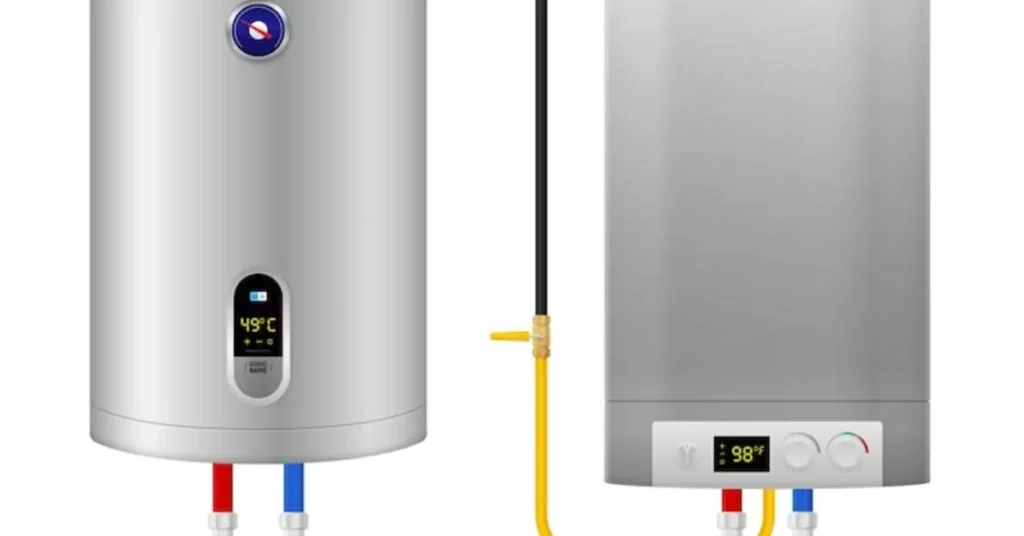
A tankless water heater warms water as it flows through the unit. When you open a hot water tap, the system senses the flow and starts heating. The heated water then travels to your shower, sink, or other fixture.
Unlike a tank heater, a tankless model does not store a large amount of hot water. This can reduce standby heat loss. However, the unit still has limits on how much water it can heat at once.
For example, running two showers and a kitchen tap together may exceed the unit’s flow rate. Choosing the right size helps prevent sudden changes in water temperature.
Tankless heaters may use natural gas, propane, or electricity. Each type has different needs for power, venting, and connections. Always check the product manual before planning the work.
What to Know Before Installing a Tankless Water Heater
Before starting a tankless water heater installation, check whether the new unit will work with your home’s existing systems. A tankless model may need more power or a larger gas supply than an older tank heater.
Review these key points:
- Fuel source: Choose a model that matches your available gas or electrical supply.
- Indoor or outdoor use: Not every unit is rated for both locations.
- Water quality: Hard water can cause mineral buildup inside the heat exchanger.
- Location: Leave the clearances needed for service, air supply, and venting.
- Local codes: Check permit and inspection rules before work begins.
- Manufacturer instructions: Follow the exact requirements for your model.
Replacing a tank heater with a tankless unit may involve more than changing the appliance. Gas lines, wiring, venting, and water pipes may need upgrades.
Do not assume the old connections are suitable. A licensed plumber or qualified installer can assess the existing setup and identify needed changes before you buy the unit.
How to Choose the Right Tankless Water Heater Size
Tankless heaters are sized by flow rate and temperature rise. Flow rate measures how much water the unit can heat each minute. Temperature rise is the difference between incoming cold water and the desired hot water temperature.
Start by listing the fixtures that may run at the same time. A shower, dishwasher, and kitchen tap can all draw hot water. Add their expected flow rates to estimate your home’s peak demand.
Next, consider how cold the incoming water gets during winter. Colder water needs more heating, which can lower the unit’s available flow rate.
Check the manufacturer’s performance chart for your expected temperature rise. Do not choose a model based only on the number of bathrooms or its advertised maximum flow rate.
If the unit is too small, you may notice weak hot water flow when several fixtures run together. A correctly sized model can better meet demand without wasting money on an unsuitable system.
Tools and Materials Needed
The tools and parts depend on the heater type and the work required. Read the installation manual before purchasing anything.
Common supplies may include:
- Measuring tape and level
- Wrenches and screwdrivers
- Approved water pipes, valves, and fittings
- Mounting brackets and suitable fasteners
- Manufacturer-approved vent parts for applicable gas models
- Electrical parts rated for the unit, when needed
- Approved gas fittings, where applicable
- A bucket and towels for water spills
- The manufacturer’s installation manual
Some systems also need isolation valves, a condensate drain, a water filter, or a scale-control device. These needs depend on the model and local rules.
Do not use generic fittings just because they seem to fit. Parts must match the unit’s pressure, temperature, and material requirements. Leave gas work and high-load electrical connections to qualified professionals.
How to Prepare for Tankless Water Heater Installation
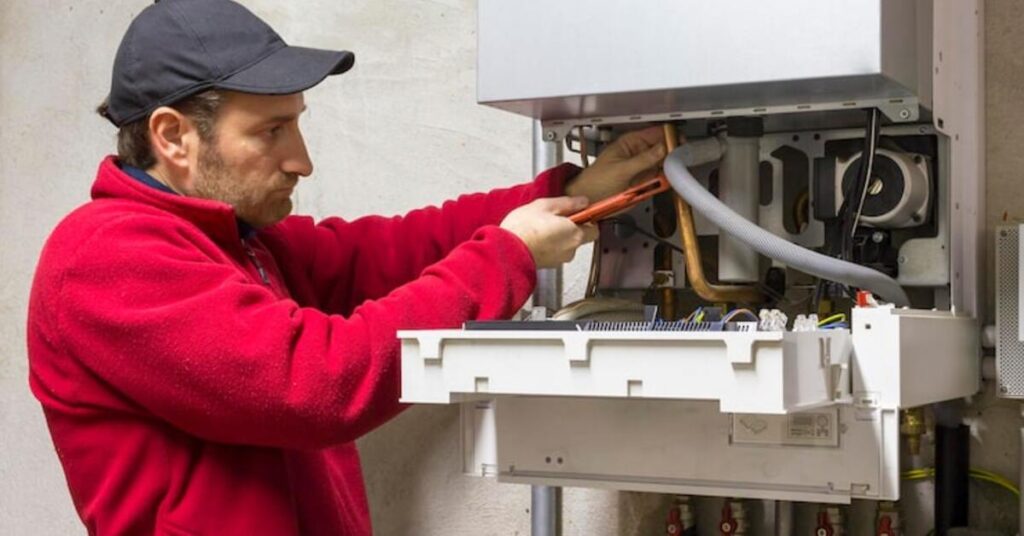
Choose a location that meets the manufacturer’s clearance and service rules. The unit should be easy to reach for repairs and routine maintenance. Indoor gas models also need the correct venting and air supply.
Before removing the old heater, confirm the new unit’s measurements and connection points. Check the gas line capacity or electrical circuit rating. Make sure the water supply and drain arrangements meet the manual’s requirements.
Find out whether your area requires a permit or inspection. Local rules may cover vent materials, electrical protection, gas piping, and seismic safety.
Clear the work area and protect nearby surfaces from water. Shut off the water and energy supplies using the approved procedure. If you cannot safely isolate the gas or electricity, stop and contact a professional.
How to Remove the Old Water Heater
If a tank heater is being replaced, it must be shut down and drained safely. Water inside may be hot enough to cause burns, so allow it to cool first.
Close the cold water supply and follow the manufacturer’s instructions for shutting off the energy source. Attach a garden hose to the tank’s drain valve and direct the water to a suitable drain.
Opening a hot water tap can help air enter the system as the tank drains. Do not force a blocked drain valve or disconnect a line that remains under pressure.
Gas piping and electrical wiring must be disconnected safely. Hire a qualified professional when you lack the required skills or local rules require one.
Once the tank is empty and disconnected, move it carefully. A drained tank can still be heavy. Check the surrounding pipes and valves for corrosion or damage before fitting the new unit.
How to Mount the New Tankless Water Heater
Use the mounting method listed in the product manual. The wall or support must hold the unit’s weight and remain stable during use.
Measure the mounting points and check that the unit sits level. Use suitable fasteners for the wall material. Do not mount the heater to weak drywall without proper support.
Follow the required distance from windows, doors, vents, and nearby materials. Gas models may have strict rules for exhaust outlets and air intake points.
Keep enough space for a technician to reach the valves and service parts. Poor placement can make future cleaning and repairs harder. Do not cover the unit or block its required air openings.
How to Connect the Water Lines
Tankless heaters usually have marked cold-water inlet and hot-water outlet connections. Connect each line to the correct port using approved fittings.
Many models benefit from isolation valves that allow the heater to be serviced without draining the whole home. Install them only as directed by the manufacturer and local code.
Check whether the unit needs a filter, scale-control device, or other water treatment. Hard water can cause mineral buildup and reduce heating performance. Use only parts suitable for the model.
Follow the manual for thread sealant and fitting types. Some connections use gaskets rather than sealant. Once the water lines are fitted, inspect every joint for leaks before operating the heater.
How to Install a Gas Tankless Water Heater
A gas tankless water heater needs enough fuel, proper combustion air, and a safe exhaust system. An existing tank heater’s gas line may not provide enough fuel for the new unit.
A qualified gas technician should check gas line size, pressure, fittings, and local code needs. The vent must also match the heater’s approved system. Incorrect venting can allow carbon monoxide to enter the home.
Some models need a condensate drain or a nearby electrical outlet. Follow the exact requirements in the installation manual.
Gas line changes, vent installation, and burner setup are not suitable tasks for untrained homeowners. Never test a gas connection with a flame. A qualified professional should complete the required leak and safety checks before startup.
How to Install an Electric Tankless Water Heater
Electric tankless heaters may need much more power than small household appliances. Some models require several dedicated circuits, depending on their size and design.
Before buying the unit, check its voltage, current draw, breaker needs, and wire size. Your home’s electrical panel must have enough capacity for the added load.
A qualified electrician should assess the panel and complete electrical work when required. An undersized circuit can trip breakers, overheat wires, or create a fire risk.
Mount the heater as directed, connect the water lines, and complete the electrical work according to the manual and local code. Keep power off during installation and testing until the system is ready.
Do not guess at wire sizes or breaker ratings. Follow the manufacturer’s specifications and have the completed work checked by a qualified person.
How to Fill, Flush, and Test the System
Before startup, make sure the water lines and required valves are installed correctly. Follow the manufacturer’s filling and startup steps for your exact model.
- Open the water supply: Fill the system as directed and open a hot tap to help remove trapped air.
- Check for leaks: Inspect water fittings and valves before applying power or lighting the unit.
- Check the drain: If the model produces condensate, make sure its drain is correctly fitted.
- Restore power or gas: Follow the approved startup procedure for the unit.
- Test hot water: Run a tap and check that the heater starts and delivers stable hot water.
- Check for warnings: Look for error codes, unusual sounds, or signs of poor venting.
Some models need a commissioning procedure or a setting adjustment before normal use. Follow the manufacturer’s directions rather than guessing at the controls.
If the unit leaks, displays a fault, smells of gas, or shows signs of exhaust trouble, stop using it. Contact a qualified technician to find the cause.
You can read about: How Much to Install Tankless Water Heater
Common Tankless Water Heater Installation Mistakes
Avoid these common errors:
- Choosing the wrong size: The unit may struggle when several fixtures run at once.
- Ignoring gas capacity: A small gas line may not supply enough fuel.
- Using the wrong vent parts: Poor venting can create serious safety risks.
- Overloading the electrical panel: The circuit must match the unit’s power needs.
- Skipping water treatment: Mineral buildup may reduce performance in hard-water areas.
- Mounting the unit poorly: Weak support can make the installation unsafe.
- Ignoring permits: Work may fail inspection or need costly changes.
- Skipping leak checks: A loose fitting can cause water damage.
Keep the manual and warranty details after installation. Follow the maker’s instructions for cleaning, flushing, and routine service. Proper care helps protect performance and can extend the unit’s useful life.
When to Hire a Professional Plumber
Hire a professional when installation requires gas line changes, venting work, new electrical circuits, or major plumbing changes. A qualified installer can also check unit size, water pressure, local code needs, and service access.
If you need tankless water heater installation in Eagle Rock, contact Derks Plumbing to discuss your home’s hot water needs. Ask whether the quote includes permits, old-unit removal, new fittings, venting or electrical changes, and final testing.
Before choosing an installer, confirm the required license and insurance. Ask for a written quote and warranty details. A clear estimate should explain the work included and any conditions that may add to the cost.
Conclusion
A successful tankless heater installation starts with the right unit and a careful check of your home’s gas or electrical supply. Correct sizing, proper venting, safe connections, and startup checks all matter.
Learning How to Install Tankless Water Heater also means knowing which tasks need a trained professional. Gas work, venting, and high-load electrical connections can be dangerous when handled incorrectly. If your setup needs upgrades or you are unsure about a step, hire a qualified installer.
Frequently Asked Questions
Can I install a tankless water heater myself?
Basic preparation may be possible for some homeowners, but gas piping, venting, and major electrical work often require qualified professionals. Check local rules and the manufacturer’s manual first.
Does a tankless water heater need a larger gas line?
It may. Tankless models can require a higher gas flow than older tank heaters. A qualified gas technician should check the pipe size, supply pressure, and unit requirements.
How long does tankless water heater installation take?
A simple replacement may take several hours. Gas line upgrades, new venting, electrical work, or permit inspections can make the job take longer.
Does an electric tankless water heater need a dedicated circuit?
Many whole-house electric models need multiple dedicated circuits. The exact setup depends on the unit’s power rating and the home’s electrical panel.
Do tankless water heaters need regular maintenance?
Yes. Many models need periodic checks and flushing to remove mineral buildup. Follow the manufacturer’s maintenance schedule, especially if your home has hard water.
Is a permit required to install a tankless water heater?
Permit rules vary by location and installation type. Contact your local building department to confirm requirements before work begins.




