Installing a water heater involves choosing the right unit, preparing the installation area, connecting the water supply, and checking that the system operates safely. The process depends on whether you have an electric, gas, or tankless water heater. While some preparation tasks can be handled by homeowners, gas connections, electrical wiring, and venting may require a qualified professional. Before starting, review the manufacturer’s instructions and check local permit requirements.
What Type of Water Heater Do You Need?
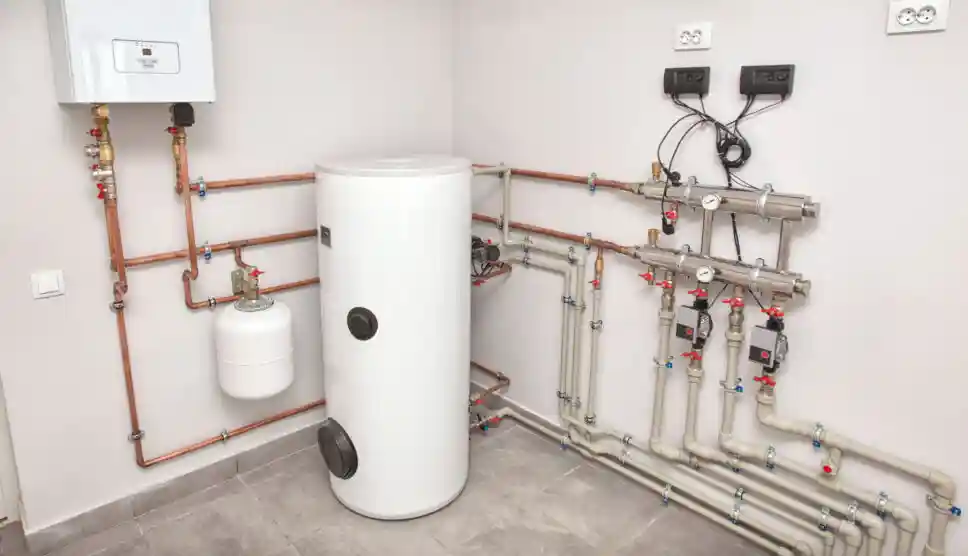
Before learning how to install a water heater, you should understand the different types available.
Electric Water Heater: An electric water heater stores hot water in a tank and uses heating elements to warm it. It requires suitable electrical service, water connections, and the correct safety components.
Gas Water Heater: A gas water heater uses natural gas or propane to heat water. Proper gas connections, ventilation, and exhaust venting are essential for safe operation.
Tankless Water Heater: A tankless water heater heats water as it flows through the unit instead of storing it in a tank. Depending on the model, it may require different gas capacity, electrical service, and plumbing connections.
If you are replacing an old water heater, do not assume the new unit will fit the existing connections. A different model or fuel type may require additional installation work.
Tools and Materials Needed for Water Heater Installation
The tools and materials depend on your water heater model and existing plumbing. Common items may include:
- Adjustable wrenches and suitable plumbing tools
- Measuring tape and a level
- Compatible water connectors and fittings
- Approved pipes and shutoff valves
- A drain hose for removing water from the old tank
- Required temperature and pressure relief components
- The manufacturer’s installation manual
- Appropriate safety equipment
Some installations require additional materials for electrical connections, gas piping, venting, or drainage. Always confirm that the components are suitable for your specific water heater and local building codes.
Important Safety Precautions Before Installation
Water heater installation requires careful preparation because mistakes can cause water damage, electrical shock, burns, gas leaks, or carbon monoxide exposure.
Before starting, read the manufacturer’s instructions and check whether a permit or inspection is required. Make sure the installation area has enough space, a stable surface, and access to the necessary shutoff valves.
If you are replacing an existing unit, the water and energy supplies must be safely isolated before removal. Allow hot water to cool before draining the tank to reduce the risk of burns.
Never operate an electric water heater before the tank is completely filled and air has been properly purged. If the installation involves unfamiliar gas connections, electrical wiring, or venting, hire a qualified professional.
How to Install a Water Heater Step by Step
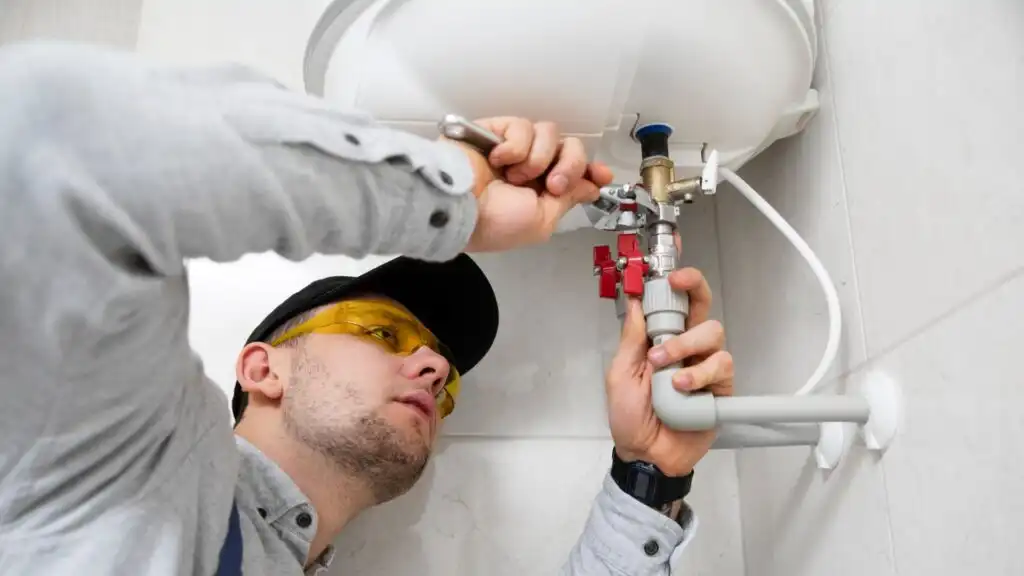
Step 1: Choose the Right Water Heater
Start by selecting a water heater that meets your household’s hot-water needs. Consider the number of people in your home, the number of bathrooms, and how often multiple appliances use hot water simultaneously.
For a tank water heater, review its capacity and first-hour rating. For a tankless model, consider its flow rate and temperature rise. Also check the available space, fuel requirements, and manufacturer’s specifications.
Choosing the correct unit can help prevent hot-water shortages and unnecessary installation modifications.
Step 2: Prepare the Installation Area
Choose a location that meets the manufacturer’s installation requirements and local building codes. The surface must support the unit safely, including the weight of a full tank when applicable.
Make sure there is enough space for maintenance and access to shutoff valves. Check nearby pipes for leaks, corrosion, or other damage.
Depending on the location and local requirements, a drain pan and suitable drainage arrangement may be necessary to reduce the risk of water damage.
Step 3: Shut Off and Drain the Old Water Heater
If you are replacing an existing unit, the water and energy supplies must be safely shut off before removal. Electrical or gas isolation should be handled by a qualified professional if you are unsure how to do it safely.
Allow the water to cool before draining the tank. Hot water can cause serious burns, so never disconnect pipes or open valves without confirming that the system is safe to work on.
Follow the manufacturer’s instructions for draining the old unit before disconnecting it.
Step 4: Remove the Old Water Heater
Once the unit has been safely disconnected and drained, it can be removed from its location.
A water heater may still be heavy because of remaining water or sediment. Use suitable lifting equipment or assistance rather than attempting to move a heavy unit alone.
Inspect the surrounding pipes, valves, floor, and wall for signs of leaks, corrosion, or damage. Correcting existing plumbing problems before installing the new unit can help prevent future issues.
Step 5: Position the New Water Heater
Place the new water heater in the approved location according to the manufacturer’s instructions.
Check that the unit is level where required and that all specified clearances are maintained. Secure it as required by the installation instructions and applicable codes.
Do not force the unit into a small space or modify its casing to make it fit. Gas water heaters also require appropriate combustion air and exhaust venting.
Step 6: Connect the Water Supply
The new water heater must be connected to the cold-water supply and the home’s hot-water plumbing system using compatible fittings and approved materials.
Install the valves and safety components required by the manufacturer and applicable local codes. Many storage water heaters require a temperature and pressure relief valve to protect against unsafe pressure and temperature conditions.
The discharge piping for this valve must follow the manufacturer’s instructions and applicable requirements.
Incorrect plumbing connections can cause leaks or pressure problems. If the existing pipes do not match the new unit, have a qualified plumber determine the appropriate changes.
Step 7: Complete the Gas or Electrical Connections
The connection process depends on the type of water heater being installed.
Electric Water Heater: The electrical supply, wiring, grounding, and circuit protection must meet the appliance specifications and applicable electrical codes. Hire a qualified electrician if you are not trained to perform this work safely.
Gas Water Heater: The gas supply, shutoff arrangements, combustion air, and exhaust venting must be appropriate for the unit. Gas connections must be checked for leaks using an approved method before the appliance is operated.
Never improvise connections or bypass safety devices. Improper gas or electrical installation can create serious hazards.
Step 8: Fill the Tank and Check for Leaks
For a storage-tank water heater, fill the tank according to the manufacturer’s instructions before turning on the heating elements or operating the gas burner.
Purge trapped air using the appropriate procedure, then inspect the water connections and valves for leaks.
If you notice leaking fittings, unusual pressure behavior, or damaged components, stop and have the problem corrected before operating the unit.
Tankless water heaters have different filling and startup procedures, so always follow the instructions provided with your model.
Step 9: Test the Water Heater
After installation, the water heater should be checked according to the manufacturer’s commissioning instructions.
The relevant safety controls, plumbing connections, electrical or gas operation, and venting should be inspected as applicable. Confirm that the unit operates correctly and that there are no leaks.
Keep the installation manual and warranty information for future maintenance. If a permit or inspection is required, arrange it before considering the job complete.
You can read about: How to Install Tankless Water Heater
Common Water Heater Installation Mistakes to Avoid
Avoiding common mistakes can help prevent unnecessary repairs and safety problems.
Choosing the Wrong Size: An undersized water heater may not provide enough hot water when several fixtures are used simultaneously.
Ignoring Damaged Pipes: Corroded pipes or leaking valves can affect the performance of a newly installed unit.
Using Incompatible Fittings: All components must be suitable for the water heater and meet applicable requirements.
Incorrect Venting: Gas water heaters need appropriate exhaust arrangements to reduce the risk of combustion gases entering the home.
Turning on an Empty Electric Tank: Operating heating elements without water can damage them.
Skipping Leak Checks: Even small leaks can damage floors, walls, and nearby belongings.
Ignoring Permits and Inspections: Local requirements may apply even when replacing an existing water heater.
Checking these details before completing the installation can help prevent avoidable problems.
When Should You Hire a Professional Plumber?
Although homeowners can handle some preparation tasks, water heater installation may require professional training, permits, and specialized tools.
Consider hiring a qualified plumber when the installation involves gas connections, new electrical circuits, damaged plumbing, different venting arrangements, or a change from a traditional tank to a tankless system.
Professional assistance is also recommended if you are unsure about pressure relief components, water connections, or local building code requirements.
If you need help with a new unit or replacement, Water Heater Installation in Eagle Rock is a relevant service to explore. Derks Plumbing provides residential and commercial plumbing services throughout the greater Los Angeles area, including water heater installation.
A professional can inspect your existing setup, help identify a suitable replacement, and ensure the installation meets applicable requirements.

Conclusion
Learning how to install a water heater helps homeowners understand the preparation, plumbing connections, safety checks, and testing involved in the process. The correct installation method depends on the type of unit, existing connections, and local requirements.
Choose a water heater that meets your household’s needs, follow the manufacturer’s instructions, and never overlook gas, electrical, or pressure-related safety requirements. When specialized work is necessary, professional installation is the safer choice.
Frequently Asked Questions
How long does it take to install a water heater?
Installation time depends on the unit type, existing plumbing, and whether modifications are needed. A straightforward replacement may take a few hours, while a more complex installation can take longer.
Can I install a water heater myself?
Some preparation tasks may be suitable for experienced DIY homeowners. However, gas connections, electrical work, venting, and code-related tasks may require a qualified professional. Always check local requirements before starting.
Do I need a permit to replace a water heater?
Permit requirements vary by location and the type of work involved. Contact your local building department to determine whether a permit or inspection is required.
Should I replace my water heater with the same type?
Not necessarily. Switching from a tank to a tankless unit or changing fuel types may require new plumbing, electrical service, gas capacity, or venting. Compare the installation requirements before choosing a replacement.
What happens if I turn on an electric water heater before filling it?
The heating elements may burn out if they operate without water. Follow the manufacturer’s filling and startup instructions and confirm that the tank is full before energizing the elements.
How do I choose the right water heater size?
Consider household size, peak hot-water demand, and how many fixtures may operate at the same time. For tank models, compare first-hour ratings. For tankless models, consider flow rate and temperature rise.




