You can technically install a tankless water heater yourself if you have advanced plumbing, electrical, and gas fitting skills. However, for most homeowners, the job is too complex and risky because it requires working with gas lines, high-voltage wiring, and specific venting codes.
If you make a mistake, you risk fires, gas leaks, and carbon monoxide poisoning. You also need to ask, can I install a tankless water heater myself without voiding the manufacturer warranty? In almost all cases, the answer is no, as companies require professional installation to keep the warranty active.
What is a Tankless Water Heater?
A tankless water heater does not store hot water. Traditional heaters keep 40 to 50 gallons of water hot all day in a large tank. This wastes energy when you are not using it.
Tankless models heat water only when you turn on a tap. Cold water flows into the unit through a pipe. A gas burner or electric element heats the water instantly.
Because they heat water on demand, these units offer a continuous supply of hot water. They take up very little space and mount directly to a wall. They also last up to 20 years, which is twice as long as a standard tank heater.
What Does a Tankless Installation Actually Involve?
Replacing an old tank with a tankless unit is not a simple swap. The process requires several distinct trades. You must run new pipes, upgrade utility lines, and create safe exhaust paths.
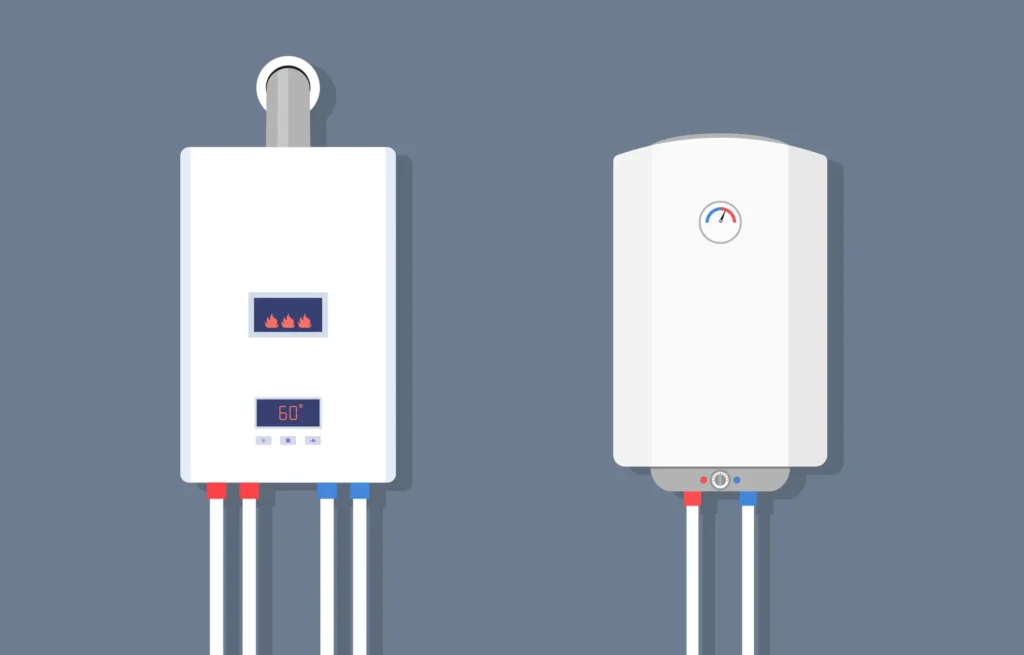
As seen in the diagram above, a proper setup requires connecting water inlet and outlet pipes, gas lines, shut-off valves, and specialized venting. If you choose a gas unit, you must run a dedicated gas line from your meter. Gas tankless heaters need more fuel than old tank models.
You also need to install a special venting system. These units produce hot exhaust that can corrode standard chimneys. You must use category three or four stainless steel or PVC pipes depending on the model.
For electric models, the power needs are very high. A typical electric tankless unit requires up to four 40-amp circuit breakers. This means you will likely need to upgrade your home electrical panel to handle the load.
The Big Question: Can You Install It Yourself?
Many handy homeowners wonder if they can tackle a do it yourself tankless water heater project to save money. The short answer is that it depends entirely on your local laws and your personal skill level.
In many cities, local building codes strictly forbid unlicensed people from working on gas lines. You must pull a permit before starting the work. If you live in an area that allows DIY work, you still must pass a rigorous city inspection.
If you are asking if you can install a hot water heater yourself, you must realize that tankless units are much harder than tank units. A tank unit connects to existing pipes easily. A tankless unit requires retrofitting your entire utility infrastructure. If you lack experience with black iron gas pipes or heavy electrical wiring, you should not try it.
The Real Risks of a DIY Installation
Taking on a diy install tankless water heater project brings major risks that go beyond a simple water leak. You must weigh these dangers before buying any equipment.
Fire and Explosion Risks
Working with natural gas or propane is dangerous. A small mistake while sealing a gas pipe joint can cause a slow leak. Gas can build up in your walls over time and trigger a major explosion from a simple spark.
Carbon Monoxide Poisoning
Gas units create carbon monoxide as they burn fuel. If your vent pipes are not sealed perfectly or use the wrong material, this odorless gas can leak into your home. Carbon monoxide poisoning can be fatal within hours.
Water Damage
Tankless units handle high water pressure. A poor solder joint or a loose fitting can pop open when you are away from home. This can flood your basement or garage and cause thousands of dollars in mold and drywall damage.
A Step-by-Step Look at the Tankless Water Heater Installation Process
Here’s an honest walkthrough of what the job actually involves. This is not a guide to do it yourself, it’s meant to show you the full scope of the work.
Step 1: Turn off all utilities
Shut off the main gas supply and cut power to the old water heater. Drain the existing unit completely.
Step 2: Remove the old water heater
Disconnect gas lines, water supply, and existing venting. Safely dispose of the old unit many cities have specific rules about this.
Step 3: Run new gas or electrical infrastructure
This is where most DIY projects run into trouble. Gas lines often need to be upsized. Electric models may require new breaker panels or dedicated circuits.
Step 4: Install the new venting system
Gas models need concentric vent pipes routed through an exterior wall. They must be sealed properly and angled correctly to prevent condensation and backdrafting.
Step 5: Mount and connect the unit
Secure the unit to the wall using manufacturer specs. Connect water inlet and outlet lines with isolation valves and a pressure-relief valve.
Step 6: Test everything before use
Pressure test the gas lines. Check for leaks at every connection. Power on the unit and verify temperature settings. Run all hot water fixtures and test under peak load.
A licensed plumber typically completes this in 4 to 8 hours. A DIYer without the right tools or experience could spend a full weekend and still have issues.
You can read about: Can Tankless Water Heater Be Installed Outside
Common (and Costly) DIY Tankless Water Heater Installation Mistakes
Plumbers see these same mistakes repeatedly when called in to fix DIY jobs.
- Undersized gas line: The existing gas line can’t supply enough BTUs. The unit runs weak or shuts off under heavy use.
- Wrong vent pipe material: Using PVC instead of stainless steel for high-temp exhaust is a fire hazard.
- Missing isolation valves: Without them, you can’t service the unit without shutting off water to the whole house.
- Skipping the pressure-relief valve: This is a code requirement and a critical safety device.
- Incorrect unit sizing: Buying a unit too small for your home’s peak demand means running out of hot water mid-shower.
- No condensate drain: High-efficiency models produce liquid that needs proper drainage. Skipping this causes corrosion and leaks.
- Skipping the permit: Saves time upfront but creates real legal and financial problems later.
When to Call a Professional (And Why It’s a Smart Move)
If you find yourself asking can I install my own water heater, remember that hiring a professional plumber protects your investment. Professional plumbers carry license and insurance coverage. If they make a mistake, their insurance covers the repair costs.
Professionals also know the exact codes for your specific city. They know how far the exhaust vent must sit from windows and doors. They also have expensive tools like gas pressure manometers and heavy pipe threaders that the average homeowner does not own.
Most importantly, professional installation keeps your warranty valid. If a costly part breaks next year, the manufacturer will cover it. If you installed it yourself, they will deny the claim.
Breaking Down the Costs: DIY vs. Professional Tankless Water Heater Installation
Here’s a realistic cost comparison so you can make an informed decision.
DIY Installation Costs
| Item | Estimated Cost |
| Tankless unit | $500 – $1,500 |
| New venting materials | $100 – $300 |
| Gas line parts or electrical supplies | $50 – $200 |
| Permit fees (if pulled) | $50 – $150 |
| Tools you may need to buy | $100 – $400 |
| Total Estimate | $800 – $2,550 |
Professional Installation Costs
| Item | Estimated Cost |
| Tankless unit | $500 – $1,500 |
| Labor | $300 – $800 |
| Permit and inspection fees | $50 – $200 |
| Infrastructure upgrades (if needed) | $200 – $1,000+ |
| Total Estimate | $1,050 – $3,500 |
Yes, professional installation costs more. But it comes with a labor warranty, proper permits, inspection sign-off, and the confidence that the job is safe. For most homeowners, that’s worth the difference.
Making the Right Choice for Your Home and Family
Your final choice should come down to safety and peace of mind. Saving a few hundred dollars is not worth risking the safety of your family.
If you are looking for a trusted team to handle your Tankless Water Heater Installation in Eagle Rock, reach out to Derks Plumbing. Our licensed professionals ensure your new system complies with every local code and works at peak efficiency. We handle the permits, utility upgrades, and venting so you can enjoy endless hot water without the stress.

Conclusion
You should only attempt to install a tankless water heater if you have verified permits and expert skills across multiple trades. For the vast majority of homeowners, the safety risks and warranty issues make it a poor DIY choice. Investing in a professional installation ensures your system runs safely for its full twenty-year lifespan.
Frequently Asked Questions
Can I install a tankless water heater myself if I’m handy around the house?
Being handy helps, but it’s not enough. Tankless installs involve gas lines, venting, and electrical work all with strict code requirements. Without licensed experience in these areas, you risk serious safety issues and failed inspections.
Is it hard to install a tankless water heater compared to a tank-style unit?
Yes, significantly harder. Tank units are simpler: connect water, connect gas or power, done. Tankless models require dedicated gas supply sizing, concentric venting, and often electrical panel upgrades. The complexity is much higher.
Do I need a permit to install a tankless water heater myself?
In most cities, yes. Water heater replacements, especially those involving gas or electrical changes require a permit and inspection. Skipping this creates legal issues when you sell the home and may void your homeowner’s insurance.
Can you install a hot water heater yourself if it’s electric?
Electric tankless units are slightly more DIY-friendly than gas ones. But they often require new 240V wiring, dedicated breakers, and sometimes a panel upgrade. This work carries serious shock risk and typically requires a licensed electrician.
What happens if I install a tankless water heater without a permit?
You could face fines, be required to redo the work, or have trouble selling your home. Some homeowner’s insurance policies won’t cover claims from unpermitted installations. The short-term savings rarely outweigh those long-term risks.




