Yes, you can install a tankless water heater outside if you choose a model specifically designed for outdoor use. These units save significant indoor space and do not require complex indoor venting systems. However, your local climate and proper freeze protection are the most important factors to consider before moving your unit outdoors.
Many homeowners ask, can tankless water heater be installed outside to free up space in a laundry room or closet. In warmer regions like Los Angeles, this is a very common practice that simplifies the installation process. You just need to ensure the unit is rated for exterior elements and installed by a professional who understands local codes.
Can Tankless Water Heater Be Installed Outside Safely?
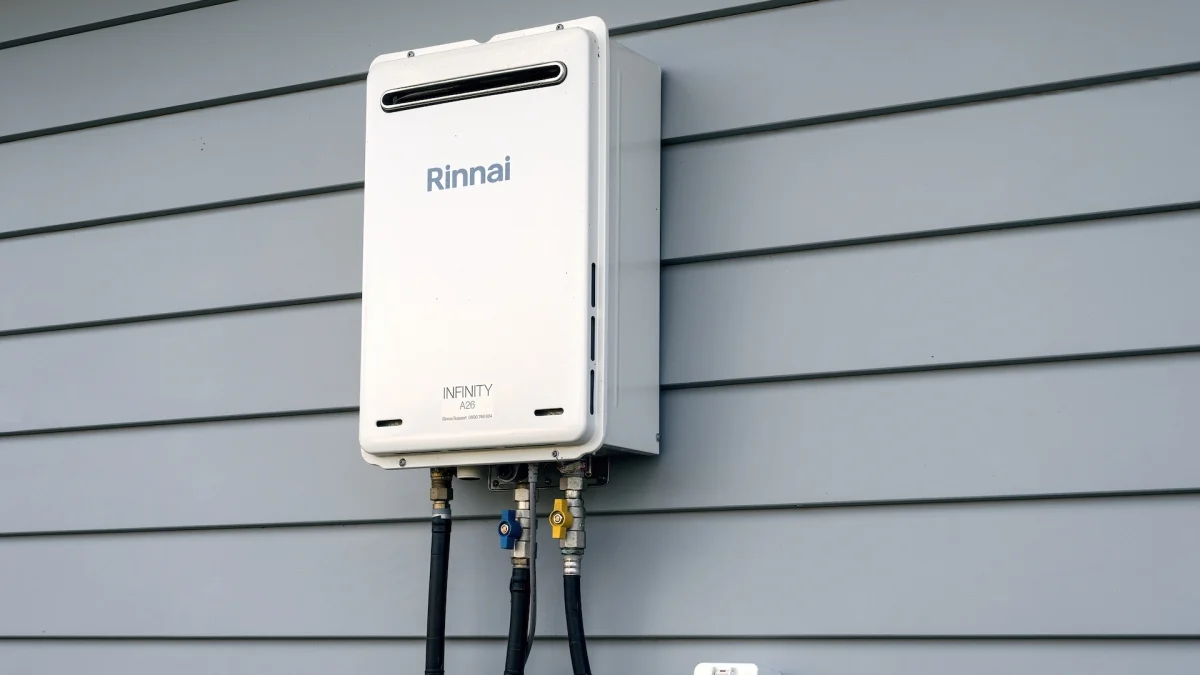
Safety comes down to two things: the unit and the installation.
Outdoor-rated tankless water heaters are built to handle weather exposure. They have enclosures that protect the internal components from rain, dust, and UV rays. They are also tested and certified to operate within specific temperature ranges.
The safety concern most people have is about gas lines and venting. Outdoor gas units vent combustion gases directly into the open air, which eliminates the need for indoor flue systems. This is actually a safer venting arrangement than many indoor setups because there is no risk of carbon monoxide buildup inside the home.
Electric outdoor units have sealed enclosures that protect the electrical components from moisture. As long as the installation meets local electrical code requirements, they are just as safe outdoors as indoors.
The main safety risk with outdoor installation is freezing temperatures. A unit that is not rated for your local climate or that is not properly winterized can freeze and sustain serious internal damage. More on that in a moment.
Benefits of Installing a Tankless Water Heater Outside
There are real advantages to choosing an outside tankless water heater, and they go beyond just saving indoor space.
No venting required for gas units. Indoor gas water heaters need a flue or direct vent system to route combustion gases outside. Outdoor units vent naturally into the air. This eliminates venting materials, installation complexity, and ongoing maintenance of the vent system.
Frees up indoor space. Even a compact tankless unit takes up wall space. Installing it outside keeps utility rooms, garages, and basements clear for other uses.
Easier access for maintenance. Annual flushing, filter cleaning, and inspection are all easier when the unit is mounted on an exterior wall rather than tucked into a utility closet.
Reduced installation cost in some cases. When the unit can be mounted directly on an exterior wall close to the gas meter or electrical panel, the supply runs are shorter. Shorter runs mean less material and less labor.
Good for warm and moderate climates. In areas where temperatures rarely drop below freezing, an outside tankless water heater works year-round without any additional freeze protection measures.
Best Climate for Outdoor Tankless Water Heaters
Climate is the biggest factor when deciding whether you can install a tankless water heater outside.
Warm climates are ideal. Southern California, Arizona, Texas, Florida, and similar regions see very few freeze events. In these areas, an outdoor tankless water heater works well year-round with minimal concern about temperature-related damage.
Moderate climates with occasional cold snaps can work too, but the unit needs freeze protection features. Most quality outdoor models from brands like Rinnai, Noritz, and Navien include built-in freeze protection that activates automatically when temperatures drop. These systems typically protect the unit down to about 5 degrees Fahrenheit.
Cold climates are the most challenging. In areas that regularly see temperatures well below freezing for extended periods, an outdoor installation requires careful planning. Insulated enclosures, heat tape on water lines, and possibly a recirculation system to keep water moving through the unit are all worth considering.
If your area sees sustained temperatures below minus 20 degrees Fahrenheit, an indoor installation is likely the more practical long-term choice.
Types of Outdoor Tankless Water Heaters
Not every tankless unit is built for outdoor use. Understanding the types helps you buy the right product.
Purpose-built outdoor models are designed from the ground up for external installation. They have weather-resistant enclosures, sealed component compartments, and built-in freeze protection. This is the right choice for most homeowners considering a tankless water heater outside.
Indoor models with outdoor enclosures are standard units housed in an aftermarket protective cabinet. This approach works but requires careful selection of the enclosure to make sure it is compatible with the unit and rated for your local conditions.
Condensing outdoor units are the most efficient gas option. They extract additional heat from combustion gases before venting, which pushes efficiency ratings above 90 percent. They cost more upfront but deliver lower operating costs over time.
Non-condensing outdoor units are less expensive and simpler to maintain. They are a good choice for homeowners who want reliability without the higher price of a condensing model.
Gas vs. Electric Outdoor Tankless Water Heaters
Both fuel types work outdoors, but they have different strengths.
Gas outdoor units are the most popular choice for whole-home hot water. They heat water faster and handle higher flow rates, which means they can supply multiple fixtures at the same time without pressure or temperature drops. Natural gas and propane models are both available.
For outdoor gas installation, the key requirements are a properly sized gas line, a shutoff valve within reach of the unit, and compliance with local gas code setbacks. Most codes require gas appliances to be a certain distance from windows, doors, and other openings.
Electric outdoor units are simpler to install because there is no gas line or combustion to manage. They work well for point-of-use applications or smaller homes with lower hot water demand.
The challenge with whole-home electric tankless units is electrical capacity. They draw significant amperage and often require panel upgrades. In an outdoor installation, the electrical run from the panel also needs to be weatherproofed and properly rated for outdoor use.
For most households asking can you put a tankless water heater outside for whole-home use, gas is the more capable and cost-effective long-term choice.
Installation Requirements for Outdoor Tankless Water Heaters
Can you install tankless water heater outside without special requirements? Not quite. There are several things that need to be in place.
Clearance requirements. Manufacturers specify minimum distances the unit must be from windows, doors, gas meters, electrical panels, and combustible materials. These clearances are not optional. Failing to meet them creates safety hazards and can void the unit’s warranty.
Wall mounting. The unit needs to be mounted on a structurally sound surface that can bear its weight. Most outdoor tankless units weigh between 25 and 50 pounds, but the mounting bracket and hardware need to handle vibration over years of operation.
Water line connections. Supply and hot water lines connecting the unit to the home need to be insulated and, in freeze-prone climates, wrapped with heat tape. Exposed water lines freeze much faster than the unit itself.
Gas line sizing. Gas units require a dedicated gas line sized to deliver adequate pressure and volume. If the existing gas infrastructure is not adequate, a line upgrade is required before installation.
Permits. Most local building departments require a permit for any water heater installation, including outdoor units. A licensed plumber or contractor pulls this permit as part of the job. Skipping the permit creates issues when you sell the home and can void your homeowner’s insurance coverage for related damage.
Electrical requirements. Even gas outdoor units need an electrical connection for the ignition system and controls. This connection must meet outdoor wiring code requirements with proper weatherproof outlets or conduit.
Common Problems with Outdoor Tankless Water Heaters
A tankless water heater installed outside faces different challenges than one indoors. Knowing what to expect helps you maintain the unit properly.
Freeze damage. This is the most common and costly outdoor failure. When water inside the heat exchanger freezes, it expands and cracks the exchanger, which is an expensive repair. Freeze protection features in the unit help, but they are not absolute protection in extreme cold. Keep water lines insulated and consider a recirculation system in cold climates.
Sediment and mineral buildup. Outdoor units pull air through their heat exchanger for combustion. In dusty or coastal environments, debris and salt air can accumulate inside the unit faster than in protected indoor environments. Annual cleaning and flushing are important.
UV and weather wear. Even purpose-built outdoor units experience UV exposure and weather cycling over years of operation. Inspect the enclosure, wiring connections, and water line insulation annually for signs of wear.
Insects and small animals. The warm, sheltered interior of an outdoor tankless unit is attractive to wasps, spiders, and small rodents. These can block vents, damage wiring, or interfere with the ignition system. A pest screen on the vents helps, and annual inspection catches problems before they become failures.
Reduced efficiency in cold weather. Gas units work harder to heat cold incoming water in winter. This reduces effective flow rate and can raise operating costs during cold months, even when the unit itself is not at risk of freezing.
You can read about: How Can a Tankless Heater Pump More GPM
How Long Do Outdoor Tankless Water Heaters Last?
A quality outdoor tankless unit lasts 15 to 20 years with proper maintenance. This is comparable to indoor units of the same quality.
The factors that shorten outdoor unit lifespan are freeze damage from inadequate protection, neglected annual maintenance, poor quality installation that allows moisture into connections, and exposure to salt air in coastal environments without proper rinsing and inspection.
The factors that support a long lifespan are annual descaling and flushing, regular inspection of water line insulation and wiring, timely replacement of filters and anode components, and protection from freeze events with heat tape or a circulation system.
An outdoor unit that is well maintained will last just as long as an indoor one. The maintenance routine is slightly different, but it is not more time-consuming.
Is Outdoor Installation More Expensive?
In many cases, outdoor installation is the same price or slightly cheaper than indoor installation.
When the unit can be mounted directly on an exterior wall near existing gas and water connections, the run lengths are short and labor is minimal. This keeps total installation cost in the standard range of $1,000 to $3,000 depending on fuel type and unit specifications.
The situations that make outdoor installation more expensive include running a new gas line from the meter to the mounting location, upgrading the electrical panel for an electric unit, installing freeze protection systems including heat tape and pipe insulation, and obtaining permits that require inspection of outdoor installations in regulated areas.
For homeowners replacing an indoor tank heater with an outdoor tankless unit, the cost is roughly comparable once you factor in the savings from not needing an indoor vent system.
Professional Installation Matters
Can tankless water heater be installed outside as a DIY project? Technically yes for some homeowners. But for most, professional installation is the right call.
Gas line work requires a licensed contractor in most states. Electrical connections to an outdoor unit must meet weatherproof code requirements. Permit requirements mean the work will be inspected, and inspectors look for licensed work. And the warranty on most quality outdoor units requires professional installation to remain valid.
A poorly installed outdoor unit faces a higher risk of freeze damage, gas leaks, moisture intrusion, and code violations that complicate future home sales. None of these outcomes are worth the savings of a DIY approach.
If you are in the Los Angeles area and considering an outdoor installation, Derks Plumbing provides professional Tankless Water Heater Installation in Eagle Rock and surrounding communities. Their licensed team handles permitting, gas line sizing, freeze protection planning, and final inspection so your unit is set up correctly from day one.

Why Homeowners Choose Tankless Water Heaters
The reasons homeowners switch to tankless go beyond just the outdoor installation option.
Hot water on demand is the biggest draw. There is no tank to run out of. Whether it is a long shower, back-to-back laundry loads, or running the dishwasher and a bath at the same time, a properly sized tankless unit keeps up.
Energy efficiency is the second reason. A tankless unit only heats water when you need it. There is no standby heat loss from a tank constantly reheating stored water. The U.S. Department of Energy estimates tankless units are 24 to 34 percent more energy-efficient than tank heaters for average households.
Lifespan matters too. A quality tankless unit lasts 15 to 20 years versus 8 to 12 years for a traditional tank. Over the life of the home, fewer replacements mean real savings.
And for homeowners with limited indoor space, the option to put a tankless water heater outside makes the switch possible when it would not be with a traditional tank.
Final Thoughts
Can tankless water heater be installed outside? Yes, and for many homeowners it is the better option. Outdoor-rated models are built for weather exposure. They eliminate indoor venting requirements, free up interior space, and are easier to access for maintenance.
The key is matching the unit to your climate, installing it correctly with proper clearances and freeze protection, and keeping up with annual maintenance. In warm and moderate climates, an outside tankless water heater is a reliable, efficient long-term investment.
In colder regions, extra planning is needed but outdoor installation is still viable with the right unit and protective measures in place.
Get the installation done right and the unit will serve your home well for two decades.
FAQs
Can tankless water heater be installed outside in cold climates?
Yes, but it requires freeze protection. Most quality outdoor units include built-in freeze protection rated down to about 5 degrees Fahrenheit. In colder regions, insulated pipe covers and heat tape on supply lines are also needed. Sustained temperatures below minus 20 degrees Fahrenheit may make indoor installation more practical.
Can you put a tankless water heater outside without a cover?
Purpose-built outdoor models do not need a separate cover. They have weather-resistant enclosures built in. Indoor models used outdoors do need an appropriate protective enclosure rated for outdoor installation.
What is the difference between indoor and outdoor tankless water heater models?
Outdoor models have sealed, weather-resistant enclosures and vent combustion gases directly into the open air. Indoor models need a flue or direct vent system routed to the exterior. Outdoor models also typically include built-in freeze protection that indoor models may not have.
Can you install tankless water heater outside for a whole home?
Yes. Whole-home outdoor gas tankless units from brands like Rinnai, Noritz, and Navien are designed for exactly this purpose. They deliver enough flow rate and temperature rise to supply an entire home. Proper gas line sizing and professional installation are required.
How much does it cost to have a tankless water heater installed outside?
Most outdoor tankless installations cost between $1,000 and $3,000 total including the unit, labor, and materials. Gas line upgrades, electrical panel work, freeze protection systems, and permit fees can push the total higher depending on your home’s existing infrastructure.




