ABS in plumbing stands for Acrylonitrile Butadiene Styrene, a black plastic pipe used in drain, waste, and vent systems. If you’ve ever looked under your sink and seen a black pipe, that’s probably ABS. It’s tough, lightweight, and handles wastewater without breaking down.
So what is ABS in plumbing exactly, and why does it matter to you as a homeowner? This guide breaks it down in plain language. You’ll learn what it’s made of, where it’s used, how long it lasts, and whether it’s still a smart choice today.
What Does ABS Stand for in Plumbing?
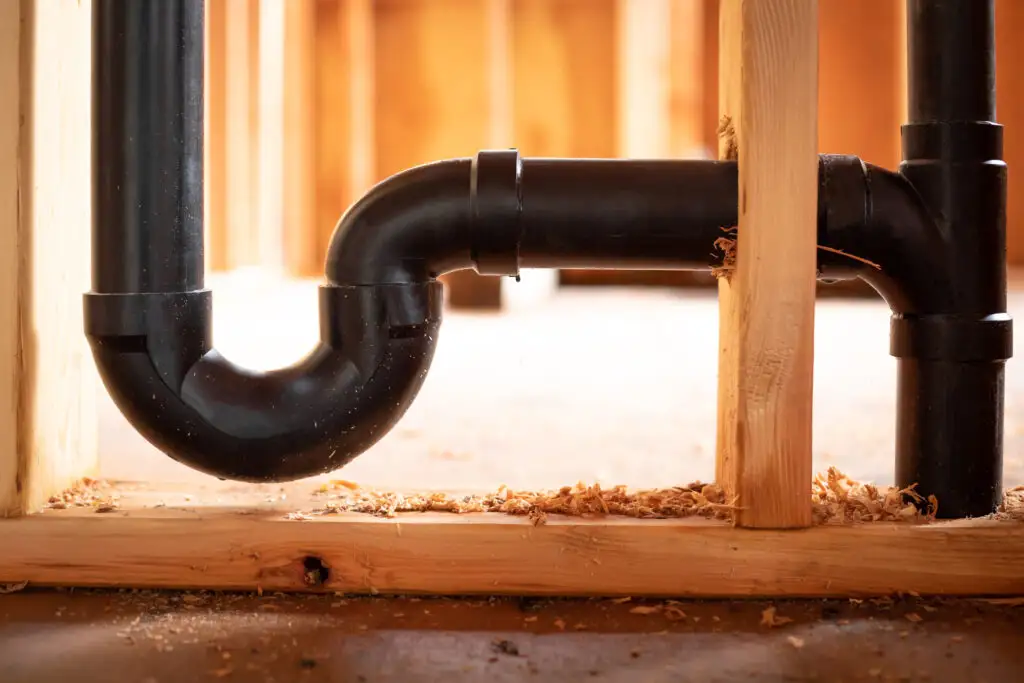
ABS stands for Acrylonitrile Butadiene Styrene. That’s a mouthful, so most plumbers just call it ABS. It’s a type of thermoplastic, which means it can be heated and shaped, then it hardens and holds its form.
The material became popular in plumbing back in the 1950s. A builder in Arizona tested it for home plumbing systems and found it worked well. After more research, building authorities approved it for residential use, and it spread across the country from there.
Today, when people ask what is an ABS pipe, the simple answer is this: it’s a rigid black plastic pipe designed mainly for drainage and venting, not for carrying pressurized water.
What Is ABS in Plumbing Used For?
ABS pipe is built for drain, waste, and vent systems, often shortened to DWV. These systems carry wastewater away from your sinks, toilets, and showers, and they vent sewer gases safely out of your home.
Here’s where you’ll typically find ABS plumbing pipe in a house:
- Under-sink drain lines in kitchens and bathrooms
- Toilet drain connections
- Main waste stacks that run through walls
- Vent pipes that stick out through the roof
- Sewer lines connecting to the city system
One thing to keep in mind: ABS pipe is not meant for pressurized lines. You won’t see it used for your main water supply or for compressed air systems. It’s strictly for gravity-fed waste removal.
If ABS pipe is used outdoors, it usually needs to be buried underground or covered. Sun and heat exposure can damage the pipe over time if it’s left exposed outside.
You can read about: what does fip mean in plumbing
Characteristics of ABS Plumbing Pipes
Understanding what is abs plastic pipe made of helps explain why it behaves the way it does. ABS is created by combining three chemical compounds, which gives the material its strength and flexibility.
Here are the main traits of ABS pipe:
Color and appearance. The ABS pipe is solid black. This makes it easy to spot and tell apart from white PVC pipe at a glance.
Lightweight build. A 10-foot section of 3-inch ABS pipe weighs under 10 pounds. That makes it easy to carry, cut, and install without heavy equipment.
Impact resistance. ABS pipe can resist mechanical damage even in temperatures as low as -40°F. It holds up well against bumps and drops during construction.
Temperature stability. ABS absorbs heat or cold slowly, which helps it stay tough when temperatures change quickly. This matters because drain pipes often carry both hot and cold wastewater.
Single-step installation. Most ABS pipe connections use solvent cement in one step. No primer is required before applying the cement, which speeds up the job for plumbers.
Standard sizing. ABS pipe comes in common sizes like 1.5 inch, 2 inch, 3 inch, 4 inch, and 6 inch diameters, matching standard schedule 40 measurements used across the plumbing industry.
Advantages of ABS Plumbing Pipes
Why do plumbers reach for abs plumbing pipe so often? A few clear reasons stand out.
Faster installation. A typical two-bathroom home DWV system, with around 100 joints, can be completed two to six hours faster with ABS than with other materials. For a plumber working on a tight schedule, that time savings adds up.
Cost-effective. ABS pipe tends to cost less than cast iron and is competitively priced against PVC in many regions. Lower material costs combined with faster labor time often mean lower bills for homeowners.
Strong under pressure from soil and structures. ABS pipe can handle the crushing loads from soil, slab foundations, and surface weight without collapsing. This makes it reliable for pipes buried under driveways or foundations.
Good for cold climates. Because it stays tough at very low temperatures, ABS holds up in regions with harsh winters better than some other plastics.
Easy to repair and modify. Cutting and joining ABS is simple with basic tools. If you need to add a branch line or fix a section, the work doesn’t require specialized equipment.
Quiet operation. ABS pipe tends to dampen the sound of water rushing through it better than thinner-walled materials, which means less noise from your walls.
ABS vs. PVC Plumbing Pipes
This is one of the most common questions homeowners ask. Both are plastic pipes used in plumbing, but they have real differences.
Material and color. ABS is black and made from a single-step manufacturing process. PVC is usually white or cream colored and made from a different chemical formula entirely.
Flexibility. ABS is more rigid but also more impact-resistant in cold weather. PVC can become brittle and crack in freezing temperatures more easily than ABS.
Installation method. ABS typically uses a one-step solvent cement. PVC usually requires a primer step before cement is applied, which adds a bit more time to each joint.
Sound levels. ABS tends to be quieter when water flows through it. PVC can produce more noticeable noise, especially in exposed pipe runs.
UV resistance. PVC holds up slightly better than ABS when exposed to direct sunlight for long periods. If ABS pipe is installed outdoors, it generally needs protection from sun and heat exposure.
Building codes. This is the big one. Many local plumbing codes allow both PVC and ABS schedule 40 pipes and fittings for drains, waste, and vents in residential buildings. However, some cities and states have restrictions on ABS, especially for multi-story commercial buildings. Always check with your local permit office before choosing either material.
Neither pipe is universally “better.” The right choice often comes down to your local code requirements, your climate, and what your plumber recommends based on your home’s layout.
How Long Do ABS Pipes Last?
ABS plumbing pipe has a solid track record for durability. Most ABS drain systems last between 50 and 80 years when installed correctly and not exposed to conditions outside their design limits.
A few factors affect how long your ABS pipes will hold up:
Sun exposure. ABS exposed to direct sunlight for years can become brittle. Buried or indoor pipes avoid this problem entirely.
Chemical exposure. Harsh drain cleaners used repeatedly over time can weaken the pipe walls. Occasional use is fine, but heavy reliance on chemical cleaners isn’t great for any pipe material.
Installation quality. Poor joints, incorrect slope, or using the wrong cement can shorten the lifespan dramatically, sometimes leading to leaks within just a few years.
Temperature extremes. While ABS handles cold well, repeated exposure to very hot wastewater near its upper temperature limit over decades can gradually affect the material.
With proper installation and normal household use, ABS pipe is built to outlast most homeowners in the house. Many older homes still have their original ABS drain lines working fine decades after installation.
Can ABS Pipes Be Repaired?
Yes, ABS pipes can be repaired, and the process is usually straightforward compared to metal pipes.
For a cracked or leaking section, a plumber typically cuts out the damaged piece and replaces it with a new section of pipe and fittings. The new piece is joined using ABS solvent cement, which creates a permanent bond once it cures.
For minor cracks, some plumbers use ABS-rated repair couplings or rubber repair sleeves with clamps as a temporary or even long-term fix, depending on the situation.
A few signs that your ABS pipes might need repair:
- Slow drains that don’t improve after clearing clogs
- Water stains on ceilings or walls near pipe runs
- A sewage smell coming from drains
- Visible cracks or sagging in exposed pipe sections
- Gurgling sounds from drains when other fixtures run
If you notice any of these signs, it’s worth having a plumber inspect the system before small issues turn into bigger, messier problems.
Is ABS Still Used in Modern Plumbing?
Yes, ABS pipe is still used in modern plumbing, though its popularity varies by location.
ABS piping systems remain a recognized option for many types of plumbing applications, and manufacturers continue producing ABS pipe and fittings for residential and commercial use.
That said, PVC has become the more common choice in many parts of the country, partly due to building code preferences and partly due to wider availability. Some regions, particularly certain commercial and high-rise applications, have moved away from ABS due to fire code concerns related to how the material behaves when burned.
For typical single-family homes, though, ABS remains a perfectly acceptable and widely available material in many jurisdictions. If you’re doing a remodel and your existing pipes are ABS, your plumber can usually match new work to the existing system without needing to replace everything with PVC.
Conclusion
So, what is ABS in plumbing? It’s a black plastic pipe built for drain, waste, and vent systems, known for being lightweight, tough, and quick to install. It has a long track record, holds up well in cold weather, and remains a valid choice in many homes today, though local codes always have the final say.
If you’re dealing with old ABS pipes, planning a remodel, or just want a professional opinion on your drain system, it helps to talk to someone who works with these materials every day. At Derks Plumbing, our team inspects, repairs, and replaces ABS and PVC drain lines across the area. If you’re searching for reliable Plumbing Services in Los Angeles, our technicians can take a look at your pipes and tell you exactly what condition they’re in and what your options are.
FAQs
Is ABS pipe safe for hot water?
ABS pipe is rated for typical household wastewater temperatures, including hot water from sinks and showers. It’s not designed for pressurized hot water supply lines, only for drainage.
Can I mix ABS and PVC pipes in the same system?
You can connect ABS and PVC using special transition fittings and the correct cement designed for mixed materials. Direct gluing of ABS to PVC with standard cement is not recommended since the chemical bond won’t hold properly.
Why is ABS pipe black?
The black color comes from the manufacturing process and the additives used to improve UV resistance and durability. It’s simply how the material is made, not a coating.
Does ABS pipe smell when it’s cut?
Yes, cutting ABS pipe can produce a noticeable plastic smell, especially when using solvent cement. The smell fades quickly once the cement cures and the area is ventilated.
Is ABS pipe banned in any areas?
Some cities and states restrict ABS use in certain building types, particularly larger commercial or multi-story buildings, due to fire code requirements. Always check with your local building department before starting a project.
How do I know if my home has ABS or PVC pipes?
The easiest way to tell is by color. ABS pipe is black, while PVC pipe is typically white or light gray. If you’re unsure, a licensed plumber can confirm during an inspection.




