There’s nothing quite as unsettling as walking past your bathroom and hearing a quiet, persistent hiss coming from the toilet especially when no one’s used it in hours. That sound isn’t just annoying. It’s your toilet’s way of telling you something is wrong, and ignoring it could mean wasted water, higher utility bills, and eventually a more expensive repair. If you’ve been Googling why is my toilet making a hissing sound, you’ve come to the right place.
At Derks Plumbing, we’ve diagnosed and repaired this exact problem hundreds of times across homes in Eagle Rock and the surrounding areas. In this guide, we’ll walk you through every likely cause, how to diagnose it yourself, what you can fix on your own, and when it’s time to call in a professional.
Understanding Toilet Hissing Sounds
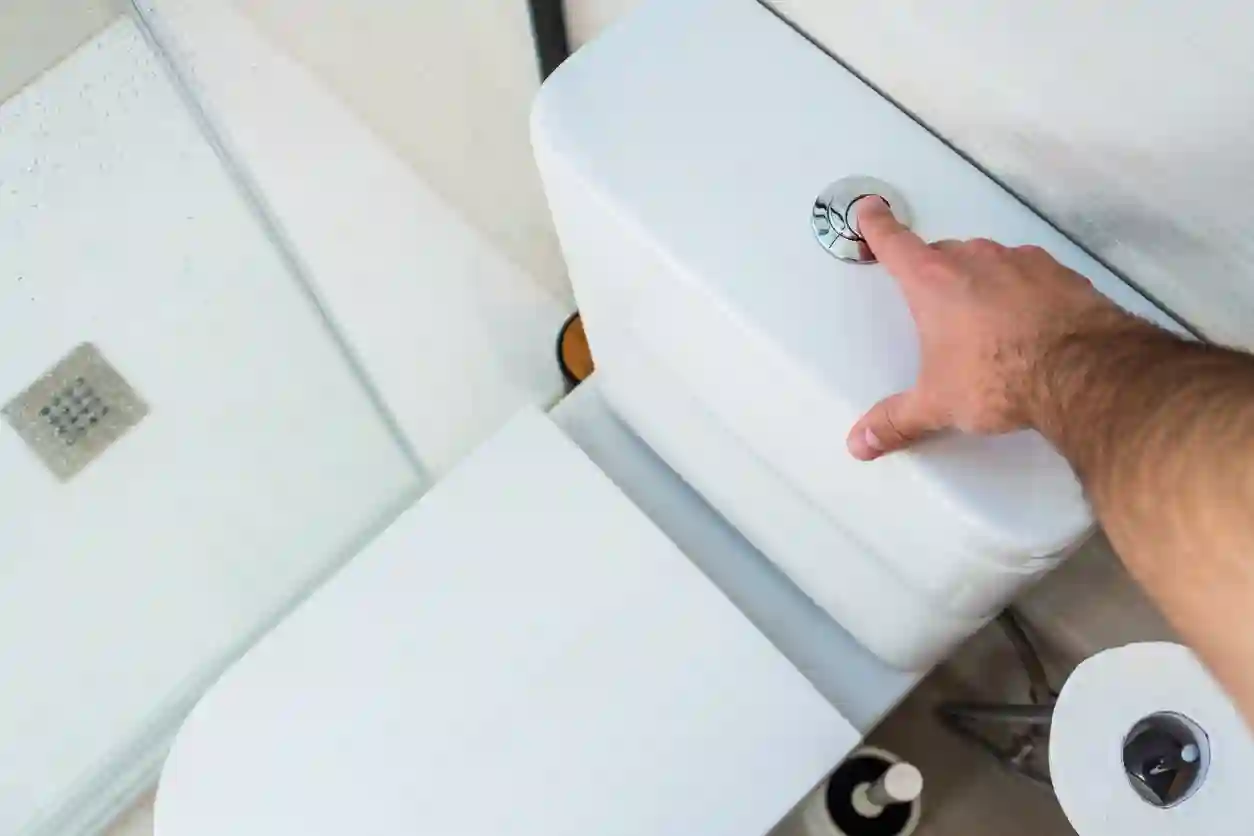
Before you panic, it’s worth knowing that a hissing toilet is one of the most common plumbing complaints homeowners report. The sound typically originates from one of two sources: water leaking from the tank into the bowl, or water entering the tank from the supply line when it shouldn’t be.
In both cases, what you’re hearing is pressurized water moving through a gap it shouldn’t be passing through. Think of it like air escaping a balloon with a tiny pinhole: the smaller the gap, the higher-pitched and more persistent the hiss.
The key distinction to make early on is whether your toilet is hissing constantly or only after a flush. A toilet hissing sound after flush that stops within 60 seconds is usually just normal tank refilling. A hiss that continues well beyond that or never stops points to a malfunction that needs attention.
Common Reasons for Toilet Hissing
1. A Faulty Fill Valve
The fill valve is the component responsible for refilling the tank after you flush. Over time, the rubber seal inside the valve wears down, warps, or gets coated with mineral deposits. When this happens, water seeps through even when the valve is supposed to be closed, creating a steady hissing noise.
This is the single most common reason a toilet makes a hissing sound, and it’s also one of the easiest fixes.
2. A Worn or Warped Flapper
The flapper is the rubber seal at the bottom of the tank. When you flush, it lifts to let water into the bowl. When the tank is full, it settles back down to create a watertight seal. If the flapper warps, hardens, or collects mineral buildup, it won’t seal properly, and water will continuously trickle into the bowl.
This is called a “phantom flush” situation and if your toilet makes a hissing sound, especially paired with occasional random refilling, a bad flapper is almost certainly involved.
3. High Water Pressure
If your home’s water pressure is too high (above 80 PSI), it can force water through the fill valve or around the flapper even when both are in reasonable condition. This creates a situation where my toilet makes a hissing sound no matter how many times you replace parts — because the real problem is upstream.
A pressure-reducing valve (PRV) installed on your main line is the fix here. This is a job for a licensed plumber.
4. A Waterlogged or Mispositioned Float
The float ball (or float cup in newer toilets) tells the fill valve when to stop adding water. If it’s set too high, water rises above the overflow tube and drains constantly into the bowl producing a hissing or trickling sound. If the float is waterlogged and sitting lower than it should, it can trigger the fill valve to run more than necessary.
5. Mineral Buildup in the Fill Valve
In areas with hard water, calcium and magnesium deposits can accumulate inside the fill valve over time. This narrows the opening and forces water through at higher velocity, which creates that familiar hissing noise. It’s especially common in older toilets that haven’t been serviced in years.
6. A Cracked Overflow Tube
The overflow tube prevents the tank from overfilling by channeling excess water into the bowl. If it’s cracked or the water level is set too high, you’ll hear a toilet making a hissing noise combined with a faint trickling sound.
How to Diagnose the Hissing Problem
You don’t need any special tools to figure out where the hiss is coming from. Here’s a simple step-by-step approach:
Step 1 — Listen closely. Lift the tank lid and stand quietly. Does the hissing seem to come from the fill valve (right side of tank), or is there water visibly trickling through the flapper?
Step 2 — The food coloring test. Add a few drops of food coloring to the tank water. Wait 10–15 minutes without flushing. If color appears in the bowl, your flapper is leaking.
Step 3 — Check the water level. Look at where the water sits in relation to the overflow tube. If it’s right at the top of or flowing into the overflow tube, your float is set too high.
Step 4 — Listen after flushing. Time how long the hissing lasts after a flush. If it stops cleanly within 60–90 seconds, the system may be working normally. If it continues longer or never stops you have an active leak or fill valve problem.
Step 5 — Check your water pressure. If you have a pressure gauge, attach it to a hose bib near the toilet supply line. Pressure above 80 PSI is a red flag.
You can read about: How to Repair Garbage Disposal Humming
DIY Fixes for a Hissing Toilet
Many toilet hissing issues are genuinely DIY-friendly. Here’s what you can realistically tackle yourself:
Replacing the flapper is the easiest fix in home plumbing. Turn off the water supply valve behind the toilet, flush to empty the tank, unclip the old flapper, and snap in a new one. Universal flappers are available at any hardware store for under $10. After replacing it, run the food coloring test again to confirm the seal.
Replacing the fill valve is slightly more involved but still manageable. After shutting off the supply and emptying the tank, disconnect the supply line from the bottom of the tank, unscrew the locknut holding the fill valve in place, and swap in the new unit. Most modern fill valves come with clear instructions and a universal fit.
Adjusting the float requires nothing more than your hand or a screwdriver, depending on your toilet model. On a ball float, bend the arm slightly downward. On a float cup design, twist the adjustment stem or slide the clip lower on the fill valve shaft. The goal is to have the water level sit about 1 inch below the top of the overflow tube.
Cleaning mineral deposits from the fill valve can sometimes resolve hissing without replacement. Turn off the water, remove the cap from the fill valve, hold a cup over the opening, and briefly turn the supply back on. The rush of water often clears debris from the valve seat.
You can read about: Why Is a Bathroom Called a Head
When to Call a Professional Plumber
Some hissing issues require more than a hardware store visit. Contact a licensed plumber if:
- You’ve replaced the flapper and fill valve and the hissing continues
- Your water pressure is consistently above 80 PSI
- You notice water on the floor around the toilet base
- The toilet randomly refills at night even after DIY repairs
- You’re uncomfortable working with the supply line or tank components
For homeowners in Eagle Rock and the surrounding communities, Derks Plumbing specializes in exactly these kinds of persistent plumbing problems. Our Plumbing Services in Eagle Rock team can diagnose the root cause quickly and fix it right the first time.
Preventing Future Toilet Hissing
The best time to deal with a hissing toilet is before it starts. A few simple habits will significantly extend the life of your toilet’s internal components:
Inspect your toilet tank interior once a year. Lift the lid, look for mineral staining, check that the flapper sits flush, and make sure the float is positioned correctly. This takes about two minutes and can catch small problems before they turn into water waste.
If you live in a hard water area, consider adding a toilet tank cleaner tablet periodically to slow mineral buildup inside the valve. Avoid the blue dye tablets that go in the bowl; they can actually accelerate rubber degradation in the flapper.
Have your home’s water pressure checked every few years. High pressure is one of the most under-diagnosed causes of early valve wear throughout your entire plumbing system, not just your toilet.
Replace rubber components proactively every 5–7 years. Flappers and fill valve seals are inexpensive. Waiting until they fail costs more in wasted water than the parts ever will.
Potential Costs and Considerations
Understanding what repairs cost helps you make smarter decisions about when to DIY and when to call for help.
A replacement flapper costs $5–$15 and takes about 10 minutes to install yourself. A fill valve replacement kit runs $10–$25. If you’re hiring a plumber for either of these, expect to pay $100–$175 including labor for a standard service call.
If high water pressure is the root cause and you need a pressure-reducing valve installed, that job typically runs $250–$500 depending on pipe access and your home’s layout but it protects every fixture and appliance in your house, so it’s usually money well spent.
A constantly running toilet that goes unrepaired for a year can waste up to 200 gallons of water per day in severe cases. At average U.S. water rates, that’s easily $500–$1,000 in unnecessary costs annually far more than any repair.
Environmental Impact of a Hissing Toilet
It’s easy to think of a small toilet hiss as just an annoyance, but the numbers tell a different story. A leaking flapper that lets water seep continuously into the bowl can waste anywhere from 30 to 500 gallons per day, depending on the severity of the leak.
Across millions of homes, constantly running toilets account for a significant share of residential water waste — one of the largest categories of indoor water loss in U.S. homes according to the EPA. Fixing a hissing toilet isn’t just good for your wallet. It’s a meaningful contribution to water conservation, particularly in Southern California where water resources are under sustained pressure.
Final Thoughts
A hissing toilet is almost never a crisis but it is always worth fixing. Whether it’s a $8 flapper, a quick float adjustment, or a conversation about your home’s water pressure, the solution is usually simpler than the sound makes it seem.
If you’ve worked through the steps above and still can’t get to the bottom of why your toilet is making a hissing sound, don’t hesitate to reach out. Contact us at Derks Plumbing today our team is ready to diagnose and resolve the issue quickly, with honest pricing and no unnecessary upsells.
 Frequently Asked Questions
Why does my toilet make a hissing sound even when no one has flushed it?
This usually means your fill valve or flapper has a slow leak that allows water to escape from the tank continuously. The fill valve activates to compensate for the lost water, and that’s the hiss you’re hearing. Running the food coloring test in your tank will tell you within 15 minutes whether the flapper is the culprit.
Is a hissing toilet an emergency?
Not immediately, but it should be addressed within a few days. A toilet making a hissing sound that goes unchecked will waste significant amounts of water and may indicate rising internal water pressure that can shorten the lifespan of other plumbing components.
How long does a toilet fill valve typically last?
Most fill valves are rated for 5–10 years of normal use. Homes with hard water or high water pressure often see shorter lifespans, sometimes as few as 3–4 years. If your toilet is older and you’ve never replaced the fill valve, that’s a reasonable starting point when diagnosing a toilet hissing sound after flushing.
Can I fix a hissing toilet without turning off the water supply?
For float adjustments, yes. For anything involving the fill valve or flapper, you should always turn off the supply valve first. It’s the small oval or football-shaped valve on the wall behind and below the toilet. Turning it clockwise shuts off the water.
Why does my toilet hiss only at certain times of day?
This often points to fluctuating water pressure in your municipal supply, which tends to run higher at night when neighborhood demand is low. If your toilet only hisses late at night or early in the morning, high water pressure is a strong suspect worth investigating.




