Most homeowners never think about their sewer line until something goes wrong. Slow drains, recurring clogs, and foul odors are all warning signs and one of the most common causes behind those symptoms is a pipe belly hiding underground.
So what is belly in sewer line systems? A sewer belly is a low spot or downward sag in a sewer pipe that traps waste instead of letting it flow freely to the main sewer. It does not fix itself and gets worse over time. This guide explains exactly what causes it, how to spot it, and what to do about it.
What Is Belly in Sewer Line?
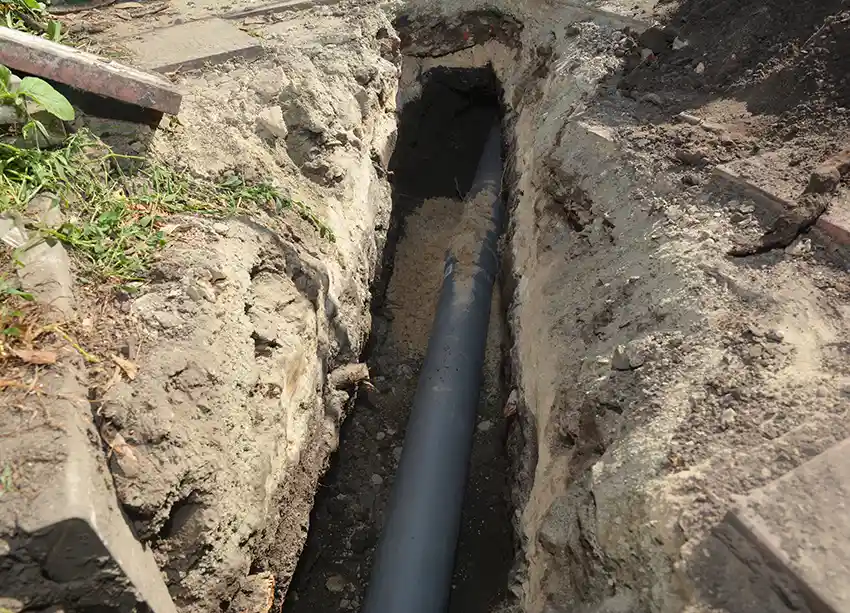
A sewer line belly also called a pipe belly is a section of your underground sewer pipe that has dropped below the correct slope. Sewer pipes are installed at a precise downward angle, typically 1/4 inch of drop per linear foot. That slope is what moves waste from your home to the municipal sewer or septic system using gravity alone.
When a section of that pipe sinks or shifts, it creates a reverse slope or a flat spot. Waste reaches that low point and slows down. Solids settle. Water pools. Over time, that pooling creates blockages, odors, and sewage backups that no amount of drain cleaning fully resolves.
What is a belly in a sewer line in practical terms? Think of a garden hose laying flat across a bumpy lawn. Water moves fine on the slope but stalls at any low point. Your sewer line works the same way and a belly is that low point underground where everything stops moving the way it should.
How Does a Sewer Belly Form?
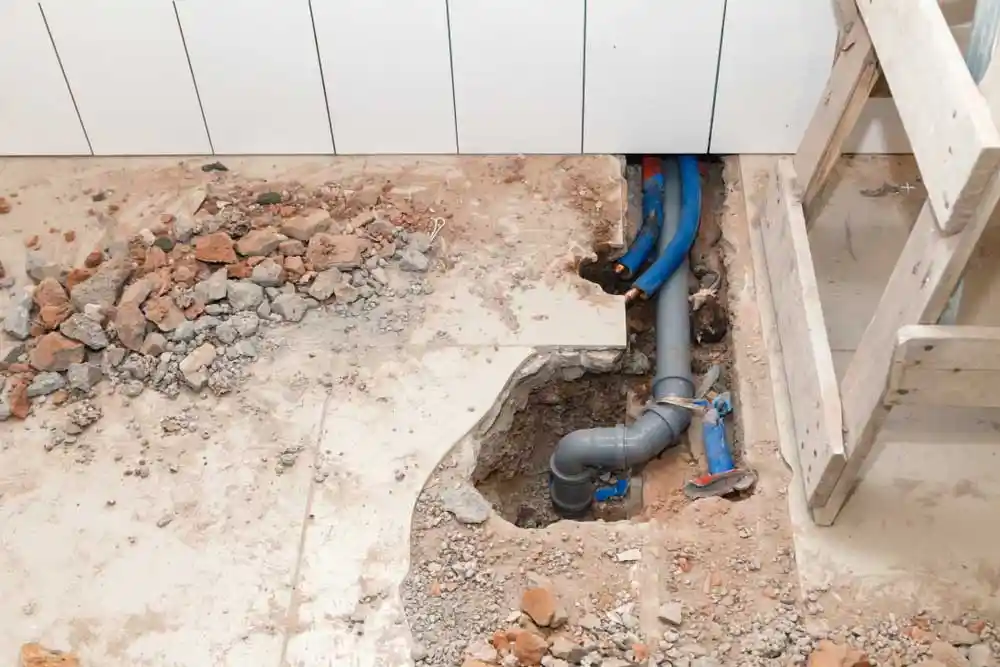
Sewer bellies do not happen overnight. They develop gradually over months or years as the soil supporting the pipe shifts or settles beneath it.
Soil Settlement
This is the most common cause. When a home is built, the soil around new sewer lines is disturbed during excavation and then backfilled. That backfilled soil takes years to compact fully. As it settles unevenly, sections of the pipe sink with it. Pipes installed in sandy or loose soil settle faster than those in clay or compacted ground.
Tree Root Activity
Tree roots grow toward moisture. Sewer lines carry warm, moist air and occasional slow leaks that attract root growth. As roots wrap around or penetrate a pipe, they can gradually displace and push sections of the pipe out of alignment.
Ground Shifting and Erosion
Freeze-thaw cycles in colder climates cause soil to expand and contract repeatedly. Over years, this movement displaces pipe segments from their original position. Water erosion beneath the pipe from leaks or surface water infiltration removes supporting soil and allows the pipe to drop.
Poor Original Installation
Sometimes what is a belly in the sewer line traces directly back to how the pipe was installed. If the pipe was not bedded in properly compacted material, if the slope was incorrect from day one, or if the backfill was done carelessly, a belly can develop within just a few years of installation.
Age of the Pipe
Older clay, cast iron, and Orangeburg pipes are significantly more prone to bellies than modern PVC systems. These materials corrode, crack, and lose structural integrity over decades making them more susceptible to displacement as the surrounding soil moves.
Signs You May Have a Belly in Sewer Line
The tricky thing about a pipe belly is that it is underground and invisible. You identify it from what it does to your drains and plumbing, not from seeing it directly.
Slow drains throughout the house not just one fixture but multiple. When the belly is in the main line, every drain in the house is affected to some degree.
Recurring clogs you clear the drain, it works for a few days, then slows again. The belly keeps accumulating waste in the same spot, so the problem returns no matter how many times you snake the line.
Gurgling sounds from drains or toilet air gets trapped in the low point of the belly. When water pushes through, it displaces that air and creates gurgling or bubbling sounds at nearby fixtures.
Sewage odors inside or outside the home waste sitting stagnant in a belly generates hydrogen sulfide gas. That gas finds its way back through drain traps and into living spaces, or surfaces as a sulfur smell in the yard above the pipe.
Wet or unusually green patches in the yard and a belly that has progressed to a full blockage or pipe failure can push sewage into the surrounding soil. Grass and plants directly above the pipe line grow noticeably faster and greener than the surrounding area.
Frequent need for professional drain cleaning if you are calling a plumber to clear the same drain every few months, the issue is structural, not just debris. A belly is one of the most common structural causes of recurring clogs.
How Plumbers Diagnose a Belly in Sewer Line
The only reliable way to confirm a belly is a sewer camera inspection. No surface-level test or guesswork replaces it.
A plumber inserts a waterproof camera on a flexible cable through a cleanout access point. The camera transmits live video of the inside of the pipe as it moves through the line. The technician watches for:
- Sections of standing water inside the pipe that should be dry between uses
- A visible sag or low point where the pipe changes direction downward then back up
- Sediment accumulation at the low point sand, silt, and organic buildup that has settled there over time
- Root intrusion or pipe damage at or near the belly location
Alongside the camera, many plumbers use a locating device that tracks the camera head’s position above ground. This allows them to mark the exact surface location and depth of the belly for accurate excavation if repair is needed.
The camera inspection typically takes 45 minutes to 1.5 hours depending on the length of the sewer line and access conditions.
Why a Belly in Sewer Line Is a Serious Problem
Some plumbing issues can be monitored and addressed gradually. A sewer belly is not one of them. Left unrepaired, it causes progressively worse problems.
Complete sewage backup is the end result of an ignored belly. Once waste accumulation reaches a critical point, sewage backs up into the lowest drains in your home floor drains, basement toilets, or ground-floor showers. This is a health hazard and creates significant property damage.
Pipe collapse is a real risk in older lines. A belly creates a stress point in the pipe. As soil continues settling and the sag deepens, the pipe walls experience increasing lateral pressure. Clay and Orangeburg pipes are especially prone to collapsing at belly locations.
Secondary contamination occurs when sewage infiltrates the surrounding soil from a belly that has progressed to a leak or collapse. This contaminates groundwater and creates remediation costs that dwarf the original repair expense.
Increased drain cleaning costs recurring clogs from an undiagnosed belly mean repeated service calls that solve the symptom but never address the cause. Those costs add up quickly over months of repeated visits.
Can a Belly in Sewer Line Fix Itself?
No. This is one of the most important things to understand about what is a belly in sewer line situations.
The soil shift that created the belly does not reverse. Gravity continues pulling the sagged section lower over time, not back up. Drain cleaning removes the accumulated waste temporarily but does not change the slope of the pipe. The belly remains, refills, and causes the same problems again.
Some minor bellies small sags with minimal slope disruption are manageable with more frequent maintenance if full repair is not immediately feasible. But this is a temporary approach, not a solution. The underlying problem only gets worse without structural repair.
How Is a Belly in Sewer Line Repaired?
The repair method depends on the severity of the belly, the pipe material, the depth of the line, and access conditions.
Traditional Excavation and Pipe Replacement
The most common repair for significant bellies. The plumber excavates down to the affected pipe section, removes the sagged segment, and installs a new section of PVC pipe with correctly re-established slope. The trench is then backfilled with properly compacted material to prevent future settlement.
This is the most reliable long-term solution. It physically removes the problem and replaces it with correctly installed new pipe. The main downside is the excavation disrupting landscaping, driveways, or hardscaping above the pipe location.
Pipe Bursting
A trenchless option suitable for some belly situations. A bursting head is pulled through the old pipe, fracturing it outward and pulling a new pipe into position behind it. This works best when the belly is relatively shallow and the surrounding soil is stable enough to hold the new pipe in correct alignment.
Pipe Lining (CIPP)
Cured-in-place pipe lining installs a flexible liner coated with resin inside the existing pipe. The liner is inflated and cured, creating a new pipe wall inside the old one. CIPP is effective for cracks, root intrusion, and minor deterioration but it does not correct the slope of a belly. For a true belly where the pipe has sagged below correct grade, lining reinforces the existing problem rather than fixing it.
Pipe Rerouting
In some cases where excavation of the original line is not practical under a concrete slab, deep beneath a structure, or in very poor soil conditions rerouting the sewer line along a new path is the most practical repair. This avoids the existing belly entirely and installs new pipe in a correctly graded trench.
You can read about: How to Remove Tree Roots from Sewer Line
How Much Does It Cost to Repair a Belly in Sewer Line?
Repair cost varies based on depth, location, length of affected pipe, and repair method.
- Camera inspection: $200 to $500 required before any repair decision
- Minor excavation and section replacement: $1,500 to $3,500
- Moderate repair (10 to 20 feet of pipe): $3,000 to $6,000
- Major repair or full line replacement: $6,000 to $15,000+
- Trenchless pipe bursting: $4,000 to $8,000 depending on length
- Concrete or hardscape removal and restoration: Add $1,000 to $5,000 if the pipe runs under a driveway, patio, or walkway
These ranges reflect typical costs in the Northeast US market in 2026. Your specific repair cost depends on site conditions and local labor rates. Getting at least two itemized quotes after the camera inspection gives you the best picture of real costs for your situation.
Can Homeowners Prevent a Belly in Sewer Line?
Complete prevention is not always possible so soil settlement and aging pipes happen regardless of how well you maintain your property. But several practices reduce the risk meaningfully.
Plant trees and large shrubs away from your sewer line. Root systems extend well beyond the visible canopy of a mature tree. Know your sewer line’s path and keep large plantings at least 10 feet away.
Avoid heavy vehicle traffic over the sewer line path. Parking vehicles, driving heavy equipment, or placing large storage containers above the underground pipe compresses and displaces the surrounding soil faster than normal settlement.
Address drainage issues promptly. Poor surface drainage that directs water toward the area above your sewer line accelerates soil erosion beneath the pipe. Fix grading issues and maintain gutters and downspout extensions.
Schedule periodic camera inspections. Every 5 to 7 years for homes with older sewer lines is a reasonable preventive maintenance interval. Catching a developing belly early when it is a minor sag rather than a significant drop means a smaller, cheaper repair.
Be careful with what goes down the drain. Grease, wipes, and heavy solid waste accelerate accumulation in any low point or belly. Good drain habits slow down the blockage progression even in an existing belly situation.
When Should You Call a Professional Plumber?
Call a plumber promptly if you notice:
- Multiple drains slowing at the same time
- Gurgling sounds from drains or toilets that were not present before
- Sewage odors inside the home that do not go away
- A drain clog that returns within days of being cleared
- Wet or soft spots in the yard above your known sewer line path
- Any sewage backup into floor drains or lower-level fixtures
Do not wait for a full backup before acting. Early diagnosis is significantly cheaper than emergency repair after a collapse or major backup event.
Why Professional Sewer Line Services Matter
What is belly in sewer line repair without the right equipment and experience? At best, an incomplete fix. At worst, a missed diagnosis that lets the problem continue until it causes serious damage.
Professional sewer diagnosis requires a camera system, a pipe locator, and the experience to interpret what the footage actually shows. Not every low spot in a camera inspection represents a repairable belly trained plumber distinguishing between minor sags, significant bellies, and pipe sections that need full replacement based on what they see and measure.
Derks Plumbing provides expert sewer line repair in Eagle Rock with camera inspection, accurate diagnosis, and clear repair recommendations based on the actual condition of your line, not a one-size-fits-all approach. We explain exactly what we find, what your options are, and what each option costs before any work begins.

Final Thoughts
What is belly in sewer line issues if left unaddressed? A guaranteed escalation from slow drains to full sewage backup. A pipe belly does not resolve on its own; it deepens, accumulates more waste, and eventually causes the kind of damage that costs far more to remediate than the original repair would have.
If your drains are slow, your clogs keep coming back, or you are noticing odors you cannot trace to a clear source, a sewer camera inspection is the right first step. It either confirms a belly and gives you a clear repair path or rules it out and points to the actual cause.
Contact Derks Plumbing today for a sewer camera inspection and an honest assessment of your line’s condition. Early action is always the less expensive option.
Frequently Asked Questions (FAQs)
What is a belly in a sewer line and how is it different from a clog?
A belly is a structural deformation of a section of pipe that has physically sagged below the correct slope. A clog is a blockage caused by debris accumulation. The key difference: a clog can be cleared with drain cleaning and stays clear. A belly keeps causing recurring clogs in the same spot because the structural problem remains even after the debris is removed.
What is a belly in the sewer line versus a pipe collapse?
A belly is a sag the pipe has dropped but is still intact and continuous. A collapse is a full structural failure where the pipe walls have caved in and blocked the line completely. A belly left unrepaired can progress to a collapse over time. Camera inspection distinguishes between the two and determines the appropriate repair approach.
What is pipe belly repair and how long does it take?
Pipe belly repair involves excavating to the affected section, removing the sagged pipe, and installing new pipe at the correct slope. A straightforward repair on an accessible line takes one full day of work. Complex repairs involving deep excavation, concrete removal, or long pipe runs take two to three days.
Can a belly in a sewer line cause health problems?
Yes. Sewage sitting stagnant in a belly generates hydrogen sulfide gas, the source of the rotten egg smell associated with sewer problems. That gas finding its way into living spaces through drain traps is a genuine health concern. Sewage backup from an advanced belly also introduces biological contamination into the home that requires professional remediation.
How often should sewer lines be inspected to catch bellies early?
For homes with original clay or cast iron sewer lines more than 30 years old, a camera inspection every 3 to 5 years is a practical preventive approach. For homes with newer PVC lines in stable soil conditions, every 7 to 10 years is a reasonable interval. Any time you notice recurring drain issues, immediate inspection is warranted regardless of the schedule.




