A humming garbage disposal usually means its motor has power but cannot turn the grinding plate. Food scraps, bones, or other objects may have jammed the unit. A jammed disposal can overheat if you keep running it. Turn off the power before checking anything inside.
If you want to know How to Repair Garbage Disposal Humming, start by disconnecting the power and checking for a jam. Use the correct Allen wrench to free the grinding plate, then remove loose debris with tongs. Press the reset button after the motor cools. If the unit still hums, it may need professional repair.
Why Is My Garbage Disposal Humming but Not Working?
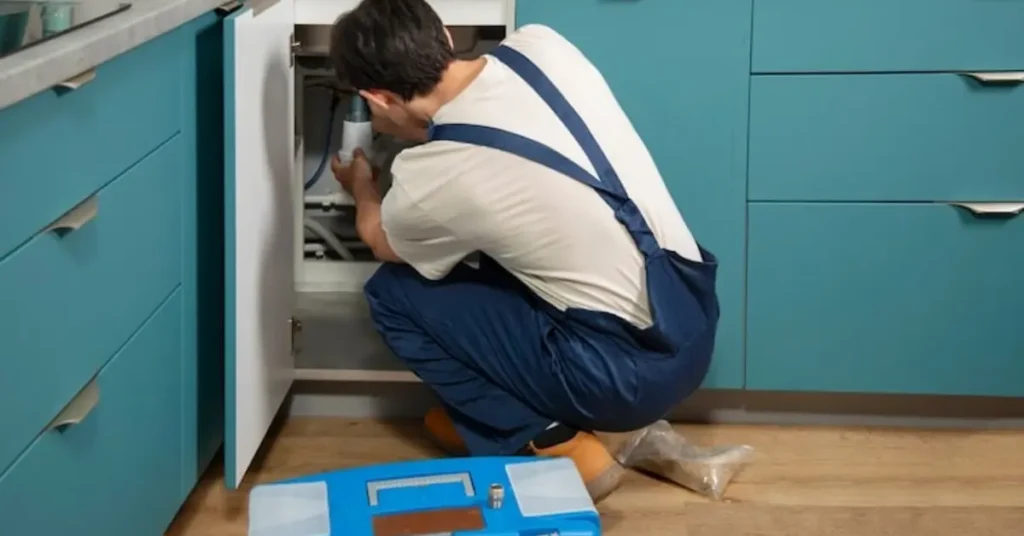
A garbage disposal makes a humming sound when electricity reaches its motor, but the motor cannot turn as expected. The sound often points to a jammed grinding plate or an overloaded motor.
When food waste enters the disposal, its spinning plate helps break it into smaller pieces. If a hard object gets stuck, the plate may stop moving. The motor still receives power, which creates the humming noise.
Running the disposal in this condition can cause more damage. The motor may overheat, and its overload protector may shut the unit off. Turn off the switch as soon as you hear a steady hum.
A humming sound does not always mean the motor has failed. A small object, such as a bone fragment or utensil, may block the grinding plate. Clearing the obstruction can restore normal operation.
However, repeated humming after clearing a jam may point to a worn motor, electrical fault, or internal damage. The next step is to identify the cause before attempting a repair.
Common Reasons a Garbage Disposal Makes a Humming Noise
Understanding the cause helps you choose the right repair. These are some common reasons a garbage disposal hums without grinding food waste.
1. Jammed Grinding Plate
A jammed grinding plate is one of the most common causes. Small bones, fruit pits, silverware, and other hard objects can become stuck inside the chamber.
When the plate cannot turn, the motor may continue making a humming sound. You may need to use the disposal’s hex wrench socket to free it.
2. Food Waste Blocking the Disposal
Too much food waste can stop the grinding plate from moving. Fibrous foods, large scraps, and tough peels may collect around the grinding parts.
Grease and fat can also build up inside the drain system. They may cause slow drainage or blockages, even when the grinding plate still moves.
3. Tripped Reset Button
Most garbage disposals have an overload protector. It shuts the motor off when the unit becomes too hot or faces an electrical overload.
The reset button is usually located underneath the disposal. A tripped button may sit slightly lower than its normal position.
4. Overheated Disposal Motor
A disposal can overheat when it runs for too long or struggles against a jam. The motor may stop working until it cools down.
If the unit hums and then stops, its overload protector may have activated. Allow the motor to cool before trying the reset button.
5. Electrical Problems
A loose connection, tripped breaker, faulty switch, or damaged wiring can affect disposal operation. Electrical problems may cause humming, no response, or repeated power loss.
Do not open electrical parts or handle exposed wires yourself. Contact a qualified electrician if you notice damaged wiring, burning smells, sparks, or repeated breaker trips.
6. Worn or Damaged Motor
An older disposal may develop motor problems over time. If the grinding plate moves freely but the motor only hums, an internal fault may be responsible.
A damaged motor often needs professional testing. Depending on the unit’s age and repair cost, replacement may be a better option.
How to Repair Garbage Disposal Humming
You can often fix a jammed disposal with a few basic tools. Before starting, check the manufacturer’s manual because designs and repair steps can vary.
Tools You May Need
- Correct Allen wrench or manufacturer-supplied jam wrench
- Flashlight
- Long-handled tongs or pliers
- Bucket or container
- Safety gloves for handling removed objects
Never use your fingers to search for debris inside the grinding chamber.
Step 1: Turn Off and Disconnect the Power
Switch off the garbage disposal at the wall switch. Then unplug the unit if it has an accessible plug.
For a hardwired disposal, switch off the correct circuit breaker. Do not rely only on the wall switch when clearing a jam.
Keep the power off throughout the repair. This prevents the motor from starting while you inspect or remove an obstruction.
Step 2: Check for Visible Objects
Use a flashlight to look inside the disposal from above. Check for objects such as bones, fruit pits, bottle caps, or pieces of metal.
If you see an obstruction, remove it with long-handled tongs or pliers. Never put your hand or fingers inside the chamber, even when the power is off.
Do not force an object deeper into the disposal. If it is difficult to reach, stop and contact a plumber.
Step 3: Locate the Allen Wrench Socket
Most disposals have a hex-shaped socket underneath the motor housing. It allows you to turn the grinding plate manually.
Place the correct Allen wrench into the socket. Many InSinkErator models use a 1/4-inch Allen wrench, but other brands may differ.
Check your owner’s manual before selecting a wrench. Using the wrong tool can damage the socket.
Step 4: Rotate the Grinding Plate
Move the wrench back and forth to loosen the jam. Use steady pressure instead of sudden force.
Keep turning until the grinding plate can move freely through a full rotation. If the wrench will not move, do not force it beyond what the manufacturer’s instructions allow.
Some models have different jam-release methods. Follow the instructions for your exact disposal.
Step 5: Remove Loose Debris
After freeing the plate, use your flashlight to inspect the grinding chamber again. Remove any loose objects with tongs or pliers.
Check around the edges for small pieces that may cause another jam. Do not leave metal, plastic, or other hard objects inside.
Remove your tools and make sure the chamber is clear before restoring power.
Step 6: Press the Reset Button
Allow the motor to cool before pressing the reset button. The button is usually red and located on the bottom of the disposal.
Press it gently until it stays in place. If it will not stay in, wait several more minutes and try again.
The cooling period depends on the model. Some InSinkErator instructions allow up to 20 minutes before resetting certain units.
Step 7: Restore Power and Test the Disposal
Make sure everyone is clear of the sink opening. Restore power and turn on cold water at a moderate flow.
Switch on the disposal briefly to check its operation. Listen for a steady grinding sound instead of humming.
If the unit works normally, let cold water run for a few seconds after grinding. If it hums again, switch it off immediately.
You can read about: How to Replace a Garbage Disposal?
What If Your Garbage Disposal Still Hums After Resetting?
A reset button does not repair every disposal problem. If the unit still hums, another issue may be stopping the motor.
Start by checking whether the grinding plate moves freely with the correct wrench. Make sure the power is disconnected before attempting this check.
If the plate still feels stuck, an object may remain inside the chamber. Do not force it or keep pressing the reset button.
If the plate moves freely but the motor only hums, the motor or electrical parts may be damaged. A faulty switch or wiring problem can also affect operation.
Check your home’s circuit breaker if the disposal has no power. If the breaker trips again, leave it off and call a qualified electrician.
Repeated humming, burning smells, smoke, or unusual heat are warning signs. Stop using the unit and arrange professional inspection.
How to Know When a Garbage Disposal Needs Repair or Replacement
Not every humming disposal needs a new motor or a complete replacement. The right choice depends on the unit’s age, condition, and repair cost.
Repair may be suitable when:
- A removable object has jammed the grinding plate.
- The overload protector has tripped.
- A minor blockage is affecting normal operation.
- A replaceable part has failed and the rest of the unit works well.
Replacement may make more sense when:
- The motor has failed and repair costs are high.
- The disposal has frequent jams and repeated breakdowns.
- The housing is cracked or badly corroded.
- The unit leaks from its body.
- Replacement parts are no longer available.
A disposal that leaks from its housing usually needs replacement. Tightening a loose drain connection may fix a plumbing leak, but it will not repair a cracked unit.
Ask a plumber to inspect the disposal before spending money on major repairs. They can help compare the cost of repair with a new installation.
Common Mistakes to Avoid When Fixing a Humming Garbage Disposal
Small mistakes can turn a simple jam into a costly repair. Avoid these actions when troubleshooting your disposal.
- Keeping the disposal running: Repeated humming can overheat the motor. Turn it off as soon as you hear the noise.
- Putting your hand inside: Hidden blades and sharp objects can cause serious injuries. Always use long-handled tools.
- Forcing the Allen wrench: Excessive force may damage the socket or internal parts.
- Ignoring the reset button: A tripped overload protector may need time to cool before resetting.
- Using chemical drain cleaners: Harsh chemicals can damage parts and create hazards during repairs.
- Ignoring repeated breaker trips: This can signal an electrical fault that needs professional attention.
- Using hot water while grinding: Cold water helps keep grease and fat from softening and spreading through the drain.
Follow the manufacturer’s repair instructions instead of trying random fixes. This protects the disposal and reduces the chance of injury.
When Should You Call a Professional Plumber?
Some disposal problems need more than basic troubleshooting. Contact a professional plumber if the jam will not clear or the unit keeps humming after you complete the safe checks.
Professional help is also important when you notice:
- Burning smells or smoke from the motor.
- Water leaking from the disposal housing.
- Repeated electrical breaker trips.
- Loud grinding, rattling, or metal-on-metal sounds.
- A grinding plate that remains stuck.
- A motor that hums despite a freely moving plate.
A plumber can inspect the grinding parts, mounting assembly, drain connections, and motor. They can also determine whether repair or replacement makes more sense.
For electrical faults, a licensed electrician may need to inspect the wiring and circuit. Never attempt electrical repairs if you are not trained to do them.
How to Prevent Your Garbage Disposal from Humming Again
Good daily habits can reduce jams and help your disposal last longer. Follow these simple steps to keep it working properly.
- Avoid hard objects: Keep bones, fruit pits, metal, glass, and plastic out of the disposal.
- Limit fibrous foods: Avoid large amounts of celery, corn husks, and onion skins.
- Keep grease out: Pour cooking oil and fat into a suitable waste container instead.
- Use cold water: Run cold water while grinding food waste and briefly afterward.
- Feed waste slowly: Add small amounts instead of filling the chamber at once.
- Clean it regularly: Follow the manufacturer’s cleaning instructions to remove food residue.
- Listen for unusual sounds: Turn off the unit if you hear humming, rattling, or grinding changes.
These habits reduce the chance of another jam. They also help protect your kitchen drain from grease and food buildup.
Conclusion
A humming garbage disposal often has a jammed grinding plate or an overheated motor. Turning off the power, clearing debris with tongs, and using the correct Allen wrench can solve many simple jams.
Knowing How to Repair Garbage Disposal Humming also means knowing when to stop. Do not keep running a stalled unit or force parts that will not move. Electrical faults, damaged motors, and persistent leaks need professional attention.
If your disposal continues humming or needs replacement, Derks Plumbing can help. Contact us for Garbage Disposal Installation and repair in Eagle Rock and get the problem checked by a plumbing professional.

Frequently Asked Questions
Why does my garbage disposal hum but not spin?
A garbage disposal usually hums without spinning when something blocks its grinding plate. Food scraps, bones, or foreign objects may cause a jam. Turn off the power before checking the unit.
Is it safe to run a humming garbage disposal?
No. A humming disposal may have a stalled motor that can overheat. Turn it off immediately and disconnect its power before checking for a jam.
Where is the reset button on a garbage disposal?
The reset button is usually located underneath the disposal near the bottom of its motor housing. It is often red. Check your owner’s manual because the location can vary by model.
Can a clogged garbage disposal damage the motor?
Yes. A severe jam can prevent the motor from turning and cause it to overheat. The overload protector may shut it off, but repeated attempts to run it can cause damage.
How do I manually unjam a garbage disposal?
Disconnect the power first. Use the correct Allen wrench in the bottom hex socket to turn the grinding plate. Remove loose debris with long-handled tongs. Never use your hands.
Should I repair or replace a humming garbage disposal?
Repair may be suitable if the problem is a simple jam or a replaceable part. Replacement may be better when the motor has failed, the housing leaks, or the unit breaks down often.


