Yes, most chemical drain cleaners can dissolve hair, but they rarely clear the entire clog. These products use harsh chemicals like sodium hydroxide to melt the organic proteins in hair. However, they often leave behind a thick, sticky sludge that causes the drain to clog again very quickly.
Many homeowners ask, will drain cleaner dissolve hair effectively enough to skip a plumber? While it works on a surface level, it is rarely a long-term fix. At Derks Plumbing, we see that these chemicals often damage your pipes more than they help the hair move through.
Will Drain Cleaner Dissolve Hair Effectively?
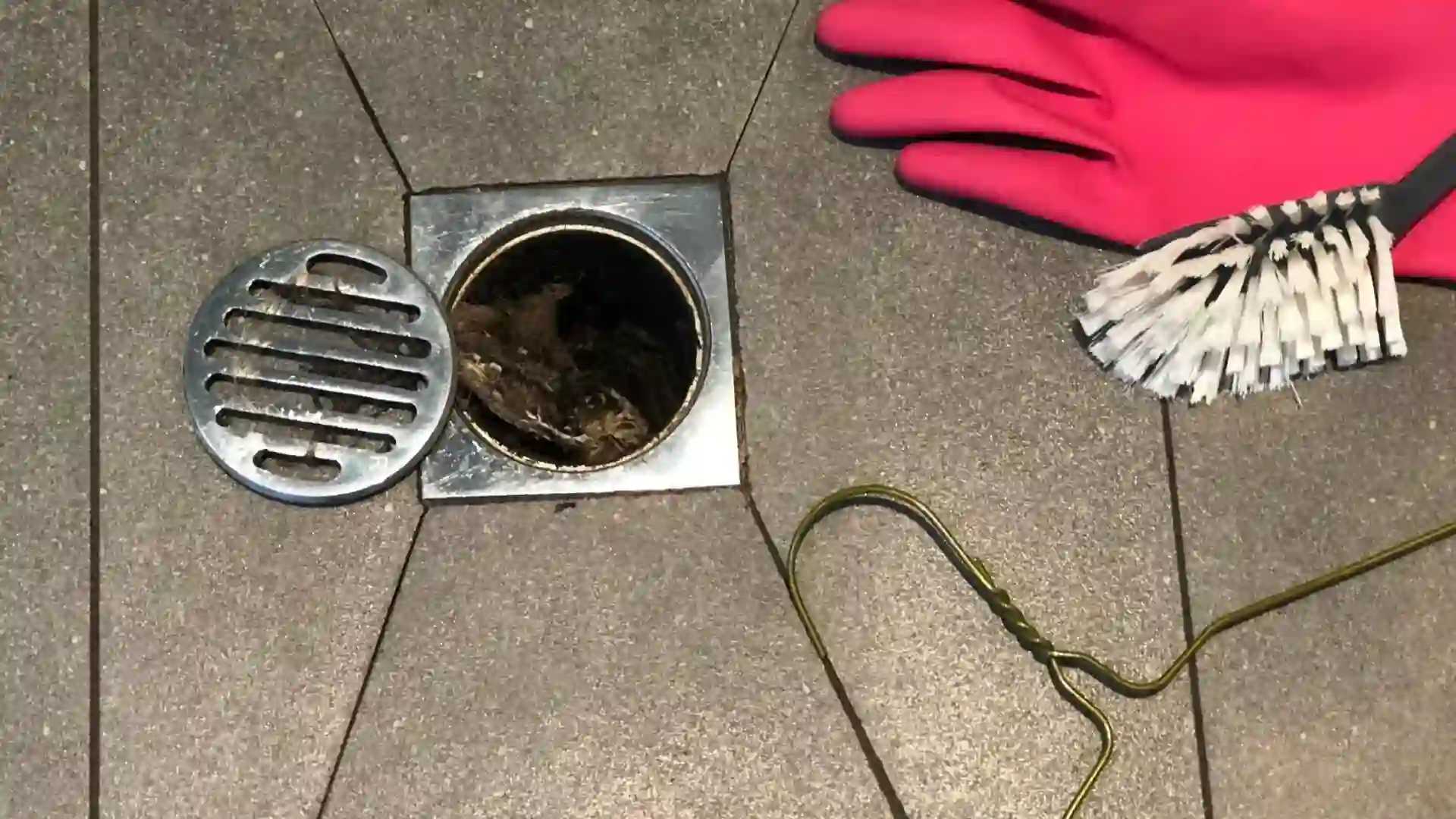
The short answer is yes, certain drain cleaners do dissolve hair. But the key word is certain.
Caustic drain cleaners, like those containing sodium hydroxide (lye), are the most effective at breaking down hair. Hair is made of a protein called keratin. Sodium hydroxide breaks the chemical bonds in keratin, turning solid hair into a soft, mushy material that can wash down the pipe.
Products like Drano Max Gel and Liquid-Plumr are built around this chemistry. They are thick, so they sink through standing water and sit directly on the clog.
That said, will drain cleaner dissolve hair completely every time? Not always. A large, compacted hair clog that has mixed with soap scum and grease may not fully dissolve with one treatment. Some clogs need a second application or a different approach entirely.
How Drain Cleaners Work on Hair
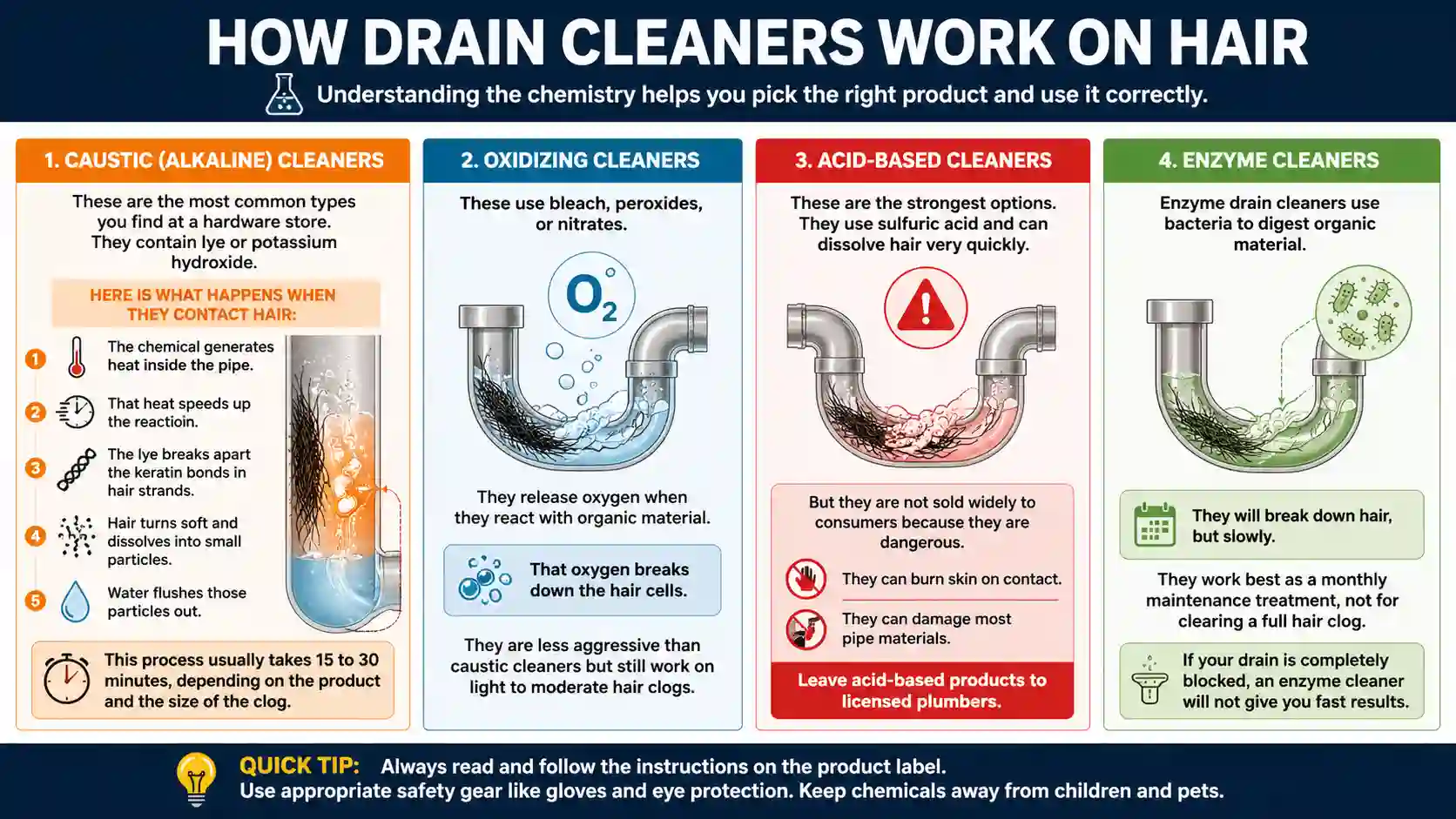
Understanding the chemistry helps you pick the right product and use it correctly.
Caustic (Alkaline) Cleaners
These are the most common types you find at a hardware store. They contain lye or potassium hydroxide.
Here is what happens when they contact hair:
- The chemical generates heat inside the pipe.
- That heat speeds up the reaction.
- The lye breaks apart the keratin bonds in hair strands.
- Hair turns soft and dissolves into small particles.
- Water flushes those particles out.
This process usually takes 15 to 30 minutes, depending on the product and the size of the clog.
Oxidizing Cleaners
These use bleach, peroxides, or nitrates. They release oxygen when they react with organic material. That oxygen breaks down the hair cells.
They are less aggressive than caustic cleaners but still work on light to moderate hair clogs.
Acid-Based Cleaners
These are the strongest options. They use sulfuric acid and can dissolve hair very quickly. But they are not sold widely to consumers because they are dangerous. They can burn skin on contact and damage most pipe materials.
Leave acid-based products to licensed plumbers.
Enzyme Cleaners
Enzyme drain cleaners use bacteria to digest organic material. They will break down hair, but slowly. They work best as a monthly maintenance treatment, not for clearing a full hair clog.
If your drain is completely blocked, an enzyme cleaner will not give you fast results.
Does Drain Cleaner Dissolve Hair in All Types of Drains?
Does drain cleaner dissolve hair in every situation? That depends on where and what you are dealing with.
Bathroom sink drains: Yes, caustic drain cleaners work well here. Hair and soap scum are the main culprits, and these products are designed for that combination.
Shower drains: Same result. Drano Max Gel is a popular choice here because it handles the standing water that tends to build up.
Bathtub drains: These can be trickier. The drain opening is smaller, and the clog may be deeper. A drain cleaner that dissolves hair works if the clog is within reach, but deep clogs may need a snake.
Kitchen sinks: Hair is rarely the issue in kitchen drains. The clog is more likely grease and food. Using a hair-focused product here is not the best choice.
Toilets: Most drain cleaners are not safe for toilets. They are not designed for the materials used in toilet traps. Stick to products made specifically for toilet use.
You can read about: How Much Does it Cost To Snake a Drain
Are Drain Cleaners Always Effective for Hair Clogs?
No. There are situations where even the best drain cleaner that dissolves hair will not be enough.
When the clog is too large: A big ball of tangled hair mixed with soap and grease is too dense for chemicals to fully penetrate. The outer surface may dissolve, but the inner core stays intact.
When there are multiple clogs: If your pipe has several partial blockages, a chemical cleaner may clear one and leave others behind. Water flow might improve slightly but not fully return to normal.
When the clog is too deep: Chemicals lose strength as they travel down a pipe. A clog sitting deep in the line may not get enough chemical contact to dissolve.
When the pipe is damaged: If your pipe is cracked or corroded, a chemical cleaner can make things worse. It may widen a crack or eat through weakened sections.
In these cases, learning how to dissolve hair in drains with chemicals is not the solution. A physical method or professional help is the better path.
Risks of Using Drain Cleaner on Hair Clogs
Drain cleaners do work on hair, but they come with real risks. You should know these before you pour anything down your drain.
Pipe Damage
Caustic chemicals generate heat. In older metal pipes or PVC pipes with existing wear, that heat can warp or weaken the material over time. Using chemical cleaners repeatedly in the same drain speeds up this damage.
Chemical Burns
These products are serious. They burn skin and eyes on contact. Always wear gloves. Keep the room ventilated. Do not lean over the drain while pouring.
Mixing Products
Never mix two drain cleaners. Never pour a new product into a drain that still has a previous cleaner sitting in it. The chemical reaction can be violent and produce harmful gases or cause pipes to crack under pressure.
Septic System Damage
If your home uses a septic system, strong chemical cleaners can kill the bacteria that keep your tank working. Enzyme cleaners are the safe choice for septic homes.
Not a Long-Term Fix
Even when a drain cleaner that dissolves hair works, it does not remove the root cause. Hair will keep building up. Without prevention habits, you will face the same clog again in weeks.
What Dissolves Hair in a Drain Besides Store Products?
If you prefer to avoid harsh chemicals, some home methods can help with lighter clogs.
Baking Soda and Vinegar
This is the most common DIY method. It creates a fizzing reaction that can loosen buildup around hair.
Steps:
- Pour half a cup of baking soda down the drain.
- Add half a cup of white vinegar.
- Cover the drain with a rag or stopper.
- Wait 20 to 30 minutes.
- Flush with hot water.
This works for mild buildup. It will not dissolve a large, packed hair clog. Think of it as a maintenance tool, not a heavy-duty fix.
Salt and Baking Soda
Mix equal parts salt and baking soda. Pour it down the drain and let it sit for several hours. Then flush with boiling water. The mild abrasive action helps shift early-stage buildup.
Hot Water Flush
For very light hair clogs, pouring boiling water slowly can soften soap scum holding the hair together. Once the soap loosens, the hair may flush through on its own.
Do not use boiling water on PVC pipes. Use very hot tap water instead.
Better Alternatives to Remove Hair from Drains
Sometimes the best answer to what dissolves hair in a drain is not a liquid at all.
Drain Snake (Hand Auger)
A basic plastic drain snake costs about five dollars. You insert it into the drain, twist it, and pull the hair clog out. It is fast, effective, and safe for all pipe types.
For bigger clogs, a manual or electric auger gives you more reach and pulling power.
Drain Claw or Hair Catcher Tool
These plastic tools have small hooks or teeth. They grab onto tangled hair and pull it out. They work best for clogs sitting close to the drain opening.
Wet and Dry Vacuum
Some plumbers recommend using a wet/dry vacuum over the drain to suck out a clog. It does not work in every case, but it is worth trying before chemicals.
Hydro-Jetting
This is a professional method. High-pressure water blasts through the pipe, clearing hair, soap scum, grease, and mineral buildup in one pass. It is the most thorough option available.
How to Prevent Hair Clogs in the Future
Prevention is always easier than clearing a clog. These habits keep your drains running clean.
Use a drain hair catcher. These mesh or silicone covers sit over the drain and catch hair before it enters the pipe. Empty them after every shower.
Brush your hair before showering. Loose hairs fall out during brushing. Fewer loose hairs in the shower means fewer hairs in the drain.
Rinse drains weekly with hot water. A simple hot water flush once a week helps move soap scum and early buildup through before it sets.
Use a monthly enzyme treatment. An enzyme cleaner used once a month keeps organic material from building up inside your pipes without any harsh chemicals.
Clean the drain stopper regularly. Hair often wraps around the stopper before it reaches the pipe. Pull it out and clean it every week or two.
When to Call a Professional
Will drain cleaner dissolve hair every time? No, and when it does not, the problem is usually bigger than a surface clog.
Call a plumber if:
- You have tried two treatments and the drain is still slow or blocked.
- Multiple drains in your home are slow at the same time.
- You hear gurgling sounds from your drain or toilet.
- Water backs up into another fixture when you use a different one.
- You smell sewage coming from a drain.
These are signs of a deeper blockage or a main sewer line issue. Chemical cleaners will not fix those problems, and overusing them can make pipe damage worse.
If you are in the Los Angeles area, Derks Plumbing offers expert Drain Cleaning in Eagle Rock and nearby neighborhoods. Their team uses camera inspection and hydro-jetting to find the actual source of the problem and clear it for good, not just temporarily.
Calling a professional early often saves money compared to waiting until a partial clog turns into a full backup or a pipe repair.

Final Thoughts
The answer to “will drain cleaner dissolve hair” is yes, under the right conditions. Caustic cleaners with sodium hydroxide are the most reliable. They work best on fresh, moderate hair clogs in bathroom sinks and shower drains.
But they are not a complete solution. They carry risks for your pipes and your health. They do not work on every clog. And they do not stop hair from building up again.
The smartest approach combines a quality drain cleaner for occasional use, physical tools for stubborn clogs, prevention habits to reduce buildup, and a professional when the problem goes deeper than a product can reach.
FAQs
Will drain cleaner dissolve hair completely?
Caustic drain cleaners can dissolve hair, but very large or deep clogs may not fully break down with one treatment. A follow-up application or a drain snake may be needed.
Does drain cleaner dissolve hair in shower drains?
Yes. Products like Drano Max Gel are designed for shower drains. They sink through standing water and work directly on hair and soap scum clogs.
What dissolves hair in a drain naturally?
Baking soda and vinegar help with light buildup. Hot water can loosen soap holding hair together. For a real clog, a drain snake or a caustic cleaner works better.
Is there a drain cleaner that dissolves hair without damaging pipes?
Enzyme-based cleaners are the gentlest option. They dissolve hair slowly without heat or harsh chemicals. They are safe for all pipe types, including older pipes and septic systems.
How long does drain cleaner take to dissolve hair?
Most caustic drain cleaners take 15 to 30 minutes to work. Some products recommend leaving them for up to an hour for tough clogs. Always follow the label instructions.
Can I use the drain cleaner in my toilet to dissolve hair?
Most standard drain cleaners are not safe for toilets. Use only products specifically labeled for toilet use, or call a plumber.




