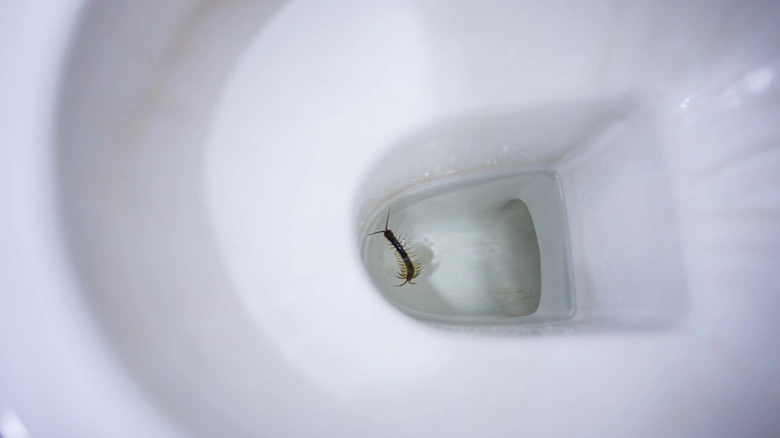
Spotting a worm in your toilet is alarming but it is almost never a sign of a serious health crisis. Most worms that appear in toilets come from your drains, pipes, or plumbing system, not from a person. Understanding what you are dealing with makes the solution much simpler.
So what should you do when you find a worm in toilet bowl water? First, do not panic. Identify the type, find the source, and fix it. This guide covers every common type of toilet worm, why they show up, and exactly how to remove them and keep them from coming back.
How to Identify Which Worm You Are Dealing With
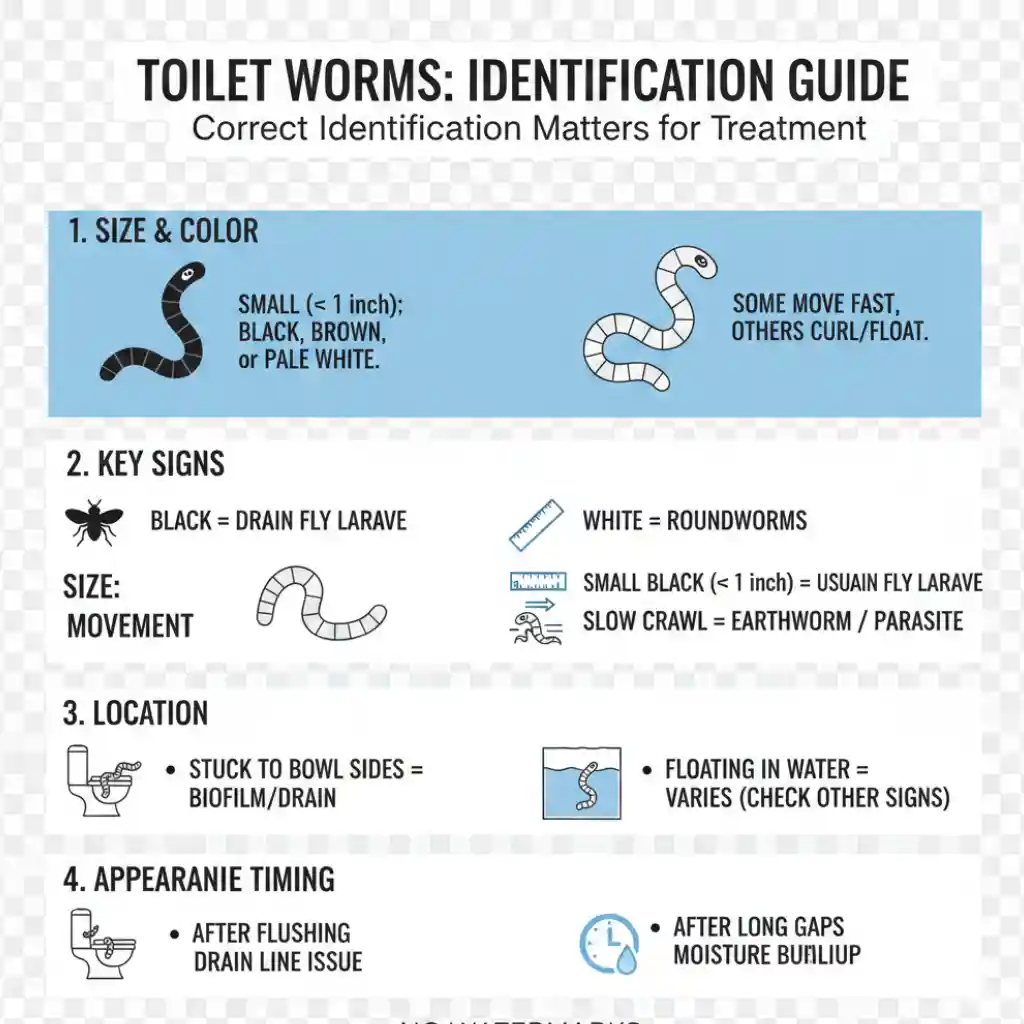
Before you reach for a cleaner, take a close look. The color, size, and movement of the worm tells you almost everything you need to know about where it came from.
Check the Color
- Black or very dark brown: Almost certainly drain fly larvae. These are the most common worms found in bathroom toilets.
- Bright red or pink: Bloodworms midge fly larvae that thrive in stagnant water.
- Brown and segmented: Earthworms. These usually mean a crack or break in your sewer line.
- Black and hair-thin: Horsehair worms. Long, coiled, and very thin, often found tangled in a knot.
- White or pale: Could be drain larvae in early stages. If found after a bowel movement, see a doctor to rule out intestinal parasites.
Check the Movement
- Slow, steady wriggling usually means drain fly larvae.
- Faster, more active movement suggests midge fly larvae.
- Thick, smooth gliding movement is typical of earthworms.
- Horsehair worms often appear still or coiled rather than actively moving.
Check When They Appear
- After a toilet has not been used for days: stagnant water is feeding larvae likely to drain fly or bloodworms.
- After a flush from a previously clean toilet: possible sewer line issue likely earthworms.
- After a bowel movement: contact a doctor immediately to rule out intestinal parasites.
Types of Worms That Commonly Show Up in Toilets
1. Drain Fly Larvae (Tiny Black Worms)
These are the most common culprits. Drain fly larvae are small, usually under half an inch dark in color, and live off the organic buildup inside toilet rims, tank walls, and drain pipes.
Adult drain flies lay clusters of eggs in moist, organic material. Your toilet bowl, especially under the rim and inside the tank, is an ideal breeding spot if cleaning is infrequent.
What they look like: Thin, black or dark brown, slow-moving. Sometimes found in small clusters.
What they mean: Your toilet or drain has organic buildup that needs a deep clean. This is a hygiene problem, not a structural plumbing problem.
2. Bloodworms (Red or Pink Worms)
Bloodworms are midge fly larvae. They get their red color from hemoglobin in their bodies, the same protein that makes human blood red. They are thin and can grow up to a few inches long.
They thrive in standing water. A toilet that sits unused for several days is a perfect environment for bloodworms. Guest bathrooms and vacation home toilets are the most common locations.
What they look like: Bright red or pink, thin, a few inches long.
What they mean: Your toilet water has been sitting stagnant too long. Regular flushing eliminates the environment they need.
3. Earthworms
Finding an earthworm in the toilet is a different situation entirely. Earthworms live in soil. They do not come from inside the toilet tank or drain buildup they enter through a crack or gap in your sewer line or the wax ring seal at the toilet base.
Earthworms absorb oxygen through their skin. If the water in your pipe has oxygen in it, they can survive and travel into your toilet bowl. Seeing earthworms repeatedly is a clear sign of a structural plumbing issue.
What they look like: Brown, segmented body, visible ridges. Thicker and longer than larvae.
What they mean: Likely a cracked sewer pipe, damaged wax ring, or root intrusion. This needs a plumber not just cleaning.
4. Horsehair Worms
Horsehair worms are among the strangest-looking pests you can find in a toilet. They are jet black, extremely thin, roughly the width of a horse’s hair and can grow several inches long. They are often found coiled or knotted rather than moving actively.
These worms enter your home through insects. Crickets, cockroaches, and beetles can ingest horsehair worm eggs from outdoor water sources. When those insects die indoors, near moist areas, the worms can migrate toward water.
What they look like: Long, very thin, black, sometimes knotted into a ball.
What they mean: An insect carrier died near your bathroom plumbing. Seal entry points around your home and address any insect activity.
5. Parasites in Toilet (Intestinal Worms — Rare)
This is the type most people fear but it is the least common. Intestinal parasites like roundworms or pinworms can appear in the toilet after a bowel movement if someone in the household has an infection.
These worms are white or pale, thread-like, and sometimes visible to the naked eye. They do not come from the toilet itself, they come from inside the body.
What they look like: White, pale, thin, thread-like.
What they mean: A medical issue, not a plumbing issue. See a doctor immediately. A stool test confirms or rules out infection. The rest of your household should be checked as well.
Main Reasons Toilet Worms Appear

Understanding why worms in toilet situations happen helps you fix the root cause, not just treat the symptom.
Organic Buildup in the Toilet
The inside of a toilet bowl, especially under the rim and in the tank, builds up organic material over time. Mineral deposits, soap residue, and bacteria create a layer that drain flies and bloodworms feed and breed in. A toilet that looks clean on the surface can still have significant buildup under the rim and inside tank walls.
Stagnant Water
Any toilet that sits unused for more than a few days creates ideal conditions for larvae. The water temperature rises slightly, oxygen levels change, and organic matter settles. Bloodworms and drain fly larvae both thrive in this environment. Holiday homes, guest bathrooms, and second toilets are the most common sources.
Cracked or Damaged Sewer Lines
This is the cause behind earthworms specifically. A crack in the sewer line, a deteriorating wax ring at the toilet base, or root intrusion from trees in the yard all create an opening from the soil into your plumbing. Once an entry point exists, soil-dwelling creatures can travel through it and up into the toilet bowl.
Poor Bathroom Ventilation
High moisture environments accelerate organic buildup and make bathrooms more hospitable to all types of larvae. Bathrooms without proper exhaust fans or windows hold humidity that speeds up the growth of the exact material that larvae live on.
Insect Activity Near Plumbing
Horsehair worms specifically require an insect carrier. If crickets, beetles, or cockroaches are active in or near your bathroom and dying near the toilet, horsehair worms can migrate toward moisture. This is more common in homes with general insect infestation problems.
How to Remove Worms From Your Toilet
The removal method depends on the worm type. Here is a clear step-by-step process for each.
Removing Drain Fly Larvae
Step 1: Put on rubber gloves. Scrub the entire inside of the toilet bowl with a stiff toilet brush and a strong toilet bowl cleaner. Pay close attention to under the rim this is where larvae and eggs concentrate.
Step 2: Remove the toilet tank lid and scrub the inside of the tank as well. Larvae hide here too.
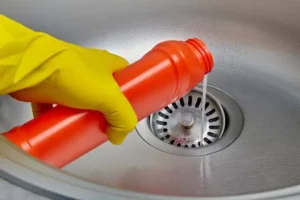
Step 3: Pour an enzyme-based drain cleaner down the toilet and into any nearby sink or tub drains in the same bathroom. Enzyme cleaners break down the organic material larvae feed on. Unlike bleach, they target the food source not just the visible larvae.
Step 4: Flush multiple times to clear the bowl and push the treatment through the drain. Repeat the deep clean every 7 days for 3 to 4 weeks until the problem clears completely.
Removing Bloodworms
Step 1: Clean the toilet bowl thoroughly with a toilet brush and cleaner.
Step 2: Flush the toilet daily going forward even if the toilet is rarely used. Stagnant water is the only reason bloodworms appear. Remove that condition and they will not return.
Step 3: If the toilet is in a vacation home or is used infrequently, add a toilet treatment tablet to the tank. These release a low-level cleaner with every flush and prevent organic buildup during periods of low use.
Removing Earthworms
Step 1: Remove any visible earthworms from the bowl. Flush the toilet.
Step 2: Do not attempt DIY repairs. Earthworms in the toilet mean your sewer line has a gap, crack, or compromised wax ring. Call a licensed plumber for a camera inspection of the sewer line. This is the only reliable way to find and fix the entry point.
Step 3: Until the plumber arrives, avoid using other drains that connect to the same sewer line if earthworms are appearing repeatedly this prevents more soil matter from entering.
Removing Horsehair Worms
Step 1: Remove the worm from the bowl manually using rubber gloves or tongs and dispose of it in the trash.
Step 2: Inspect your bathroom and home for insect activity. Horsehair worms arrived on an insect carrier. Address the insect source seal gaps under doors, around pipes, and at baseboards.
Step 3: If insect activity is significant, contact a pest control professional. They can eliminate the carrier insects and remove the source of horsehair worms.
Suspected Parasites in Toilet
Step 1: Do not attempt any home treatment.
Step 2: Contact a medical professional immediately. Describe what you saw. A stool test will confirm whether an intestinal parasite is present.
Step 3: Have all household members checked. Intestinal parasites spread easily within households. Medical treatment not plumbing treatment is the correct response.
You can read about: How to Get Rid of Springtails in Bathroom
How to Prevent Worms From Returning
Once your toilet is clean and the source is addressed, these habits keep worms from coming back.
Clean the toilet weekly under the rim and inside the tank. Most people clean the visible bowl but miss the underside of the rim and the tank walls. These are where drain fly larvae breed. A weekly scrub with an enzyme cleaner or standard toilet cleaner prevents buildup.
Flush every toilet in your home at least once every two days. Stagnant water is the primary cause of bloodworms. Even toilets that are rarely used need a regular flush to keep the water from sitting long enough to support larvae.
Fix plumbing issues as soon as they appear. A cracked wax ring, a slow-draining toilet, or roots near your sewer line are all ongoing entry points for earthworms and other pests. Small plumbing problems do not fix themselves and address them quickly before they become a recurring infestation.
Improve bathroom ventilation. Run your exhaust fan during and after showers. If your bathroom does not have a functioning exhaust fan, install one. Reduced moisture slows organic buildup dramatically and makes your bathroom far less hospitable to any type of larvae.
Install mesh screens over drains. Drain covers in the sink and tub prevent adult drain flies from entering the plumbing to lay eggs. This is a simple, inexpensive step that addresses drain fly problems at the source.
Seal entry points around your home. Horsehair worms and earthworms both need a physical gap to enter your home or plumbing. Seal gaps around pipes where they enter walls, check the wax ring at the base of every toilet annually, and address any visible cracks in foundation or exterior walls near plumbing.
When to Call a Plumber
Most toilet worm problems resolve with cleaning and better maintenance habits. But some situations require professional attention.
Call a plumber when:
- Earthworms appear in the toilet this always means a structural plumbing issue
- Worms reappear within a week of thorough cleaning
- Multiple toilets or drains in the home show the same problem simultaneously
- You notice a sewage smell alongside the worm problem
- The toilet is draining slowly or making gurgling sounds alongside the infestation
These symptoms together mean the issue is deeper in your plumbing than cleaning can reach.
Conclusion
A worm in toilet bowl water is unsettling but almost always fixable. Drain fly larvae and bloodworms are hygiene and maintenance issues, a deep clean and a changed routine solve them. Earthworms mean a plumbing inspection is needed. Horsehair worms point to an insect problem. And if you suspect parasites in toilet water after a bowel movement, see a doctor before doing anything else.
The fix is almost always simpler than it looks once you know what you are dealing with.
If you find earthworms repeatedly or your toilet is draining slowly alongside a worm problem, do not delay. Contact Derks Plumbing today. We provide expert plumbing inspections and Toilet Installation Services in Eagle Rock from camera inspections to full toilet replacement. We find the source, fix it properly, and make sure it does not come back.

FAQs
What is the most common worm found in toilet bowls?
Drain fly larvae are the most common. They are small, dark brown or black, and live off organic buildup inside the toilet bowl and under the rim. They are a hygiene issue, not a health emergency. A thorough deep clean with an enzyme drain cleaner and regular maintenance clears them reliably.
Are worms in toilet bowl water dangerous to my health?
In most cases, no. Drain fly larvae, bloodworms, earthworms, and horsehair worms are all plumbing or environmental issues not health threats. The exception is intestinal parasites found in the toilet after a bowel movement. If you see white, thread-like worms after using the toilet, contact a doctor immediately.
Why do I keep seeing worms in my toilet even after cleaning?
Recurring worms after cleaning usually mean one of two things: either the organic buildup source was not fully removed (check under the rim and inside the tank), or there is a structural entry point, a cracked pipe or damaged wax ring that keeps allowing worms in. The second scenario requires a plumber with a camera inspection.
Can worms come up through a toilet from the sewer?
Yes, specifically earthworms. If your sewer line has a crack, a gap at the wax ring, or root intrusion, earthworms from the surrounding soil can travel through the opening and up into your toilet bowl. This is not something cleaning solves. It requires a plumbing inspection and repair of the damaged pipe or seal.
Does bleach kill worms in the toilet?
Bleach kills visible worms on contact, but it does not dissolve the organic material they feed and breed in. Enzyme drain cleaners are more effective for long-term control because they break down the food source. Use an enzyme cleaner for the drain and pipes, and bleach or standard toilet cleaner for surface disinfection. Use both together for the best result.
How do horsehair worms get into a toilet?
Horsehair worms parasitize insects, crickets, cockroaches, and beetles are common carriers. When an infected insect dies indoors near a water source, the horsehair worm exits the insect’s body and moves toward moisture. Sealing your home against insect entry and addressing any active insect infestation prevents horsehair worms from appearing.
Should I be worried about parasites in toilet water?
Only if the worm appeared after a bowel movement. Intestinal parasites come from inside the body; they do not live in plumbing. If you see white, pale, or thread-like worms in the toilet after using it, that is a medical concern. Contact a doctor for a stool test. If the worm appeared on its own without a recent bowel movement, it is almost certainly a plumbing-related issue.