A skunk smell inside your home can come from a few places. A skunk may have sprayed nearby, a drain may be letting out sewer gas, or a gas line may be leaking. Whatever the cause, it’s worth tracking down fast, because some of these need action right away. The odor can slip in through a vent, a drain, the basement, or a tiny gap you never noticed.
If you’re asking Why Does My House Smell Like Skunk, check for danger first and hunt for the source second. Think there might be a gas leak? Get out of the building and call your gas company from a safe spot. If gas isn’t a worry, you can start looking at the other possibilities.
Why Does My House Smell Like Skunk?
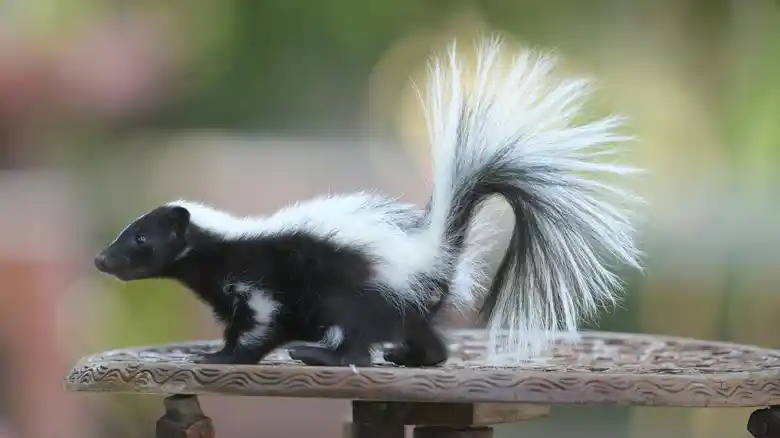
Usually it’s skunk spray, sewer gas, or something else with a heavy sulfur smell. Where you smell it and when it shows up will tell you a lot.
Skunks spray when they feel threatened. If one lets go near your house, the odor can drift in through open windows, doors, vents, or gaps. It also sticks to outdoor surfaces and can follow you inside.
Plumbing can cause a very similar smell. Sewer gas gets out when a drain trap dries up, a pipe leaks, or a plumbing vent has a problem. Plenty of people call that smell “skunky,” even when there’s no skunk anywhere near.
So the smell by itself won’t give you the answer. Notice where it’s strongest, what time it appears, and whether anything else seems off.
Is a Skunk Smell in Your House Dangerous?
Not always. But a sudden, strong smell is never something to shrug off. Rule out a gas leak before anything else.
Natural gas has a sulfur-like odor added on purpose so people can catch leaks. Some folks say it smells like skunk, others say rotten eggs. If you smell gas, or you can’t be sure it isn’t gas, leave right away. Don’t flip any light switches, use electrical devices, strike a match, or start a car near the building.
Once you’re outside and away from the smell, call your gas utility or local emergency number. Stay out until officials tell you it’s safe.
Sewer gas can be a problem too. It may contain hydrogen sulfide, which can be harmful at high levels. A strong odor near drains or in a basement deserves attention, especially if anyone feels dizzy, sick, or short of breath. If that happens, leave the area and get help.
Skunk spray on its own usually just irritates. It can sting the eyes and nose, and it can be rough on people with asthma or other breathing trouble.
What Causes a Skunk-Like Smell in a House
A handful of things can create a smell people mistake for skunk. Here are the most common ones.
A skunk sprayed near your home
A skunk can spray near a porch, garage, window, or outdoor air intake. The smell comes in through open windows or gaps around doors. It also clings to shoes, clothes, pets, and patio furniture.
Look for signs like dug-up soil, small openings under a deck, or a strong smell in the yard. Don’t try to approach or handle a skunk. Keep your pets away, and call a qualified wildlife professional if an animal has moved in under your home.
A natural gas leak
Some gas leaks give off a strong sulfur smell that people describe as skunky. You might notice it near a gas stove, furnace, water heater, or gas pipe, but it can spread through a whole room.
Don’t try to find the leak yourself. Walk out without touching switches or appliances, then call your gas provider or emergency services from outside. A smell that resembles skunk is not a reason to relax.
Sewer gas from a drain
Sewer gas can get into a home through faulty plumbing or a drain that has lost its water seal. It might smell like rotten eggs, sulfur, or just something sharp and nasty.
Bathrooms, laundry rooms, basements, and guest bathrooms are the usual places to catch it. If the smell comes from one drain, the problem is probably local. If it shows up in several rooms, a bigger plumbing or vent issue could be behind it.
A dry P-trap or plumbing problem
A P-trap is the curved pipe under most sinks and other fixtures. It holds a small amount of water that blocks sewer gas from rising into your home. If a drain rarely gets used, that water can evaporate and leave the path open.
If evaporation is the only issue, pouring water into the drain may restore the seal. But a cracked trap, a loose connection, a blocked vent, or a broken pipe needs a closer look.
An animal in a wall or crawl space
A dead rodent or other small animal can make a strong smell inside your home. It often gets worse in one room, or near a wall, ceiling, attic, or crawl space. It may not smell exactly like skunk spray, but people mix the two up all the time.
Don’t open walls or handle animal remains without proper protection. A pest control professional can find and remove the source.
An electrical or appliance problem
Overheated wiring, a worn-out motor, or an appliance with damaged parts can give off a sharp, strange smell. People describe it as burnt, chemical, or sulfur-like.
If the smell comes with smoke, sparks, heat, or buzzing, move away and call emergency services if needed. Don’t touch damaged equipment. And if you suspect gas, leave first without trying to shut off appliances.
Why Does My House Smell Like Skunk but There Is No Skunk Outside?
You can smell skunk indoors without ever seeing one outside. The animal may have sprayed and wandered off before you noticed. Wind can also carry the odor in from a nearby yard, alley, or wooded area.
The smell can sneak in through attic vents, bathroom fans, crawl-space openings, or the outdoor air intake on your heating and cooling system. Pets can carry it in on their fur and paws, too.
Plumbing is another strong possibility, especially when the smell is strongest near a bathroom or basement drain. A sewer vent problem can also let odors in through roof openings or nearby windows.
If you woke up and the house smells like skunk, pay attention to where it’s strongest. Is it one room or the whole house? A sudden smell doesn’t prove a skunk is around. Rule out gas first, then work through the other sources based on where the odor is concentrated.
How to Identify the Source of the Skunk Smell
Safety comes first. If a gas leak is even possible, don’t wander around the house looking for it. Go outside and call for help.
If there’s no sign of a gas emergency, these clues can help you narrow things down:
- Near a bathroom drain: A dry P-trap, a damaged seal, or a plumbing vent problem could be the cause.
- Near a window or outside wall: The odor may be drifting in from a skunk nearby or from a surface it sprayed.
- Near the basement or crawl space: Think plumbing trouble or animal activity, and don’t go into any space that doesn’t feel safe.
- Near an appliance: If the smell seems burnt, or comes with heat or odd noises, book a professional inspection.
- Throughout the house: Check whether the odor is coming in through the vents or spreading from a shared plumbing system.
Timing matters too. A smell that comes back after a guest bathroom sits unused may point to a dry trap. A smell that shows up outside after dark could be wildlife, though timing alone can’t confirm it.
One more thing. Don’t mix cleaning chemicals, and don’t pour bleach down a drain to chase an unknown smell. You can create a new hazard without fixing the real problem.
How to Get Rid of Skunk Smell in Your House
The right fix depends on the cause. Air freshener might hide the smell for a little while, but it won’t solve anything.
Address safety concerns first
If you suspect a gas leak, leave the building and call your gas provider or emergency services from a safe place. Don’t try to air out the house with fans or switches. Follow whatever the emergency crew tells you.
Ventilate when it is safe
Once you’ve ruled out a gas leak and other immediate dangers, open windows and doors if the weather allows. Fresh air helps clear odors from skunk spray and other sources. Keep kids and pets away from any area that was contaminated.
Clean surfaces affected by skunk spray
Skunk odor clings to fabrics, shoes, pet bedding, and outdoor items. Check the care instructions on each item and use a cleaner that suits it. If your pet got sprayed, ask your vet for a pet-safe product.
Be careful with homemade mixtures, and check the ingredients before you combine anything. Never mix bleach with ammonia, acids, or other cleaners. If the odor has soaked into carpet, insulation, or hidden spaces, you may need professional cleaning.
Fix the plumbing source
If the smell is coming from a drain, adding water may bring back a dry P-trap seal. If the odor returns, or several drains smell bad, have a plumber check the traps, pipe joints, drain lines, and vents.
Don’t treat a sewer smell with scented cleaners alone. The odor can point to a fault that needs a real repair.
You can read about: How to Get Rid of Sewage Smell
How to Prevent Skunk Smells From Returning
When a strong odor is hanging around outside, keep your doors and windows shut. Repair torn screens and seal gaps around pipes and exterior openings, but make sure no animal is trapped inside first.
Keep pet food and trash in secure containers, since both draw wildlife close to your home. Supervise pets outdoors, especially around sheds, decks, and other sheltered spots where animals like to hide.
Run water in rarely used sinks, showers, and floor drains every so often. That keeps the P-traps full. If a drain keeps drying out or smelling bad, ask a plumber to take a look.
Get loose plumbing connections, damaged vents, and broken drain parts repaired. Fixing the source is the best way to keep the same smell from coming back.
When Should You Call a Plumber?
Call a plumber if the smell seems to come from a drain, toilet, basement, or plumbing pipe. It’s also time to book an inspection if the smell comes back after you’ve added water to an unused drain.
A plumber can inspect drain traps, pipe connections, sewer lines, and vent pipes. They can spot faults you can’t see from inside the room. If several fixtures smell at once, the trouble may be in part of the plumbing system rather than a single drain.
If you suspect a gas leak, call your gas provider or emergency services instead. Suspected electrical faults need an electrician, and a skunk or other animal problem calls for a qualified wildlife or pest professional.
Derks Plumbing can help homeowners look into plumbing-related odors and figure out whether a drain or sewer issue needs repair. Tell them where the smell shows up and when it started. That makes it much easier to narrow things down.
Conclusion
A skunk-like smell can come from wildlife, sewer gas, a dry drain trap, or something else entirely. The safest approach is to rule out a gas leak first, then use the location and timing of the smell to look for clues.
If the odor seems to come from your plumbing, don’t count on air fresheners or drain cleaners alone. A proper inspection can find the cause and keep the smell from coming back. For plumbing concerns, contact Derks Plumbing to talk through your issue

Frequently Asked Questions
Why does my house suddenly smell like a skunk?
A skunk nearby may have sprayed, or the odor may be coming in through a vent or open window. Sewer gas and other problems can cause a similar smell. If a gas leak is possible, leave and call for help from outside.
Why does my bathroom smell like skunk?
A skunk smell in the bathroom often comes from a dry P-trap, a faulty drain connection, or a plumbing vent problem. If the odor sticks around or affects several fixtures, call a plumber.
Can sewer gas smell like skunk spray?
Yes. Sewer gas can have a strong sulfur odor, and some people describe it as skunky or like rotten eggs. Since the smell alone can’t confirm the cause, get any lingering plumbing odor checked.
How long does skunk smell last inside a house?
If the odor came from outside and fresh air can safely get in, it may fade within hours. It can last much longer on fabrics, carpets, pets, and sprayed surfaces. Cleaning those items and removing the source helps.
Should I use bleach to remove skunk smell?
No. Don’t pour bleach down drains or mix it with other cleaners to fight an unknown odor. Find the source first, then use a cleaner that suits the surface.
Who should I call if my house smells like skunk?
If you suspect a gas leak, call your gas provider or emergency services from outside. For lingering drain or sewer odors, call a plumber. Use an electrician for suspected electrical faults and a qualified wildlife professional for skunk activity.




