

A toilet wax ring creates a watertight seal between the toilet and the drain flange. If the seal fails, water can leak onto the floor and damage the subfloor. Installing a new ring is usually simple, but the toilet must sit level and firmly on the flange.
Learning how to install a toilet wax ring starts with proper removal, cleaning, ring placement, and toilet alignment. This guide explains each step, common mistakes, seal choices, and signs that the installation needs more work.
What Is a Toilet Wax Ring?
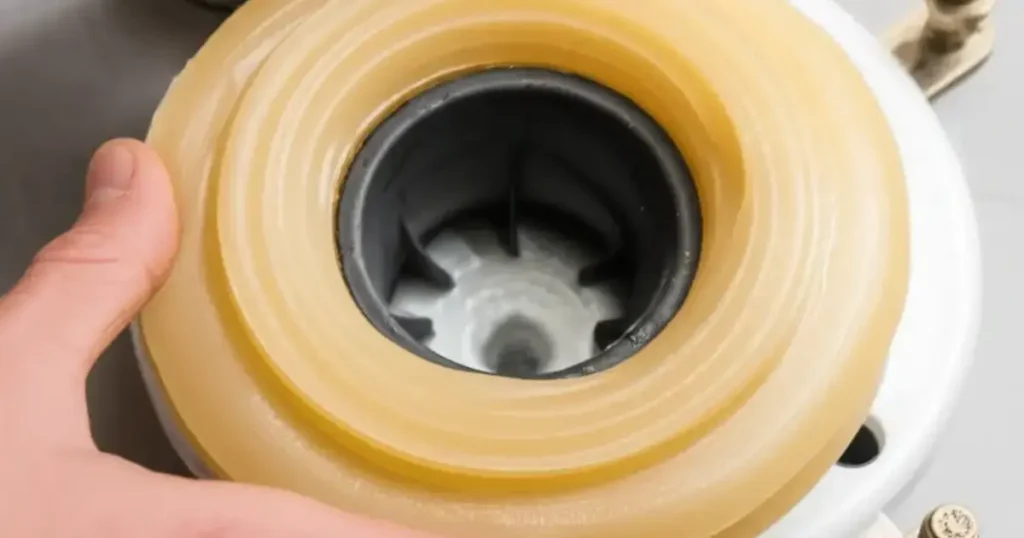
A toilet wax ring is a soft sealing ring placed between the bottom of a toilet and the closet flange. The flange connects the toilet drain opening to the home’s drain pipe.
When you tighten the toilet bolts, the toilet presses the wax ring against the flange. The wax spreads and fills small gaps around the connection. This helps keep wastewater and sewer gases from escaping.
A wax ring does not normally need glue. Its seal comes from pressure between the toilet and flange.
The ring must match the toilet and flange setup. A standard ring works for many installations, while an extra-thick ring can help when the flange sits lower than the finished floor.
When Should You Replace a Toilet Wax Ring?
Wax rings are often replaced when a toilet is removed. Reusing an old ring is not a good idea because the wax may no longer form a reliable seal.
Common signs of a failed seal include:
- Water appears around the toilet base after flushing.
- The bathroom floor smells like sewage.
- The toilet rocks or moves when someone sits on it.
- The wax seal becomes damaged during toilet removal.
- The toilet has been lifted from the flange for repair.
A leak at the toilet base does not always mean the wax ring is the only problem. A cracked flange, loose toilet, damaged drain connection, or blocked drain can also cause trouble.
What You'll Need to Install a Toilet Wax Ring
Gather everything before removing the toilet. This makes the job easier and reduces the chance of damaging the new seal.
You may need:
- New toilet wax ring
- Adjustable wrench
- Screwdriver
- Putty knife or plastic scraper
- Old towels or rags
- Disposable gloves
- Bucket
- Sponge
- New toilet bolts
- Level
- Caulk, if required by local practice or the toilet manufacturer
Check the new wax ring before installation. It should be clean and free from damage.
If the toilet has been removed before, inspect the flange and mounting bolts before buying the new ring. The condition and height of the flange can affect which seal you need.
How to Install a Toilet Wax Ring: Step-by-Step Guide
The following process explains a typical toilet wax ring install from start to finish.
1. Turn Off the Toilet Water Supply
Find the shutoff valve behind or beside the toilet. Turn it clockwise until the water stops.
Flush the toilet to empty most of the tank and bowl. Use a sponge or small container to remove any remaining water.
Disconnect the supply line from the bottom of the toilet tank. Keep a towel nearby because some water may remain inside the line.
2. Remove the Toilet
Remove the caps covering the toilet mounting bolts. Loosen the nuts with an adjustable wrench.
If the nuts are badly rusted, work slowly. Cutting a damaged nut may be safer than putting too much force on the toilet or flange.
Once the nuts are removed, hold the toilet firmly and lift it straight up.
Avoid rocking the toilet more than necessary. The old wax can stick to the flange and toilet base.
Place the toilet on an old towel or cardboard.
3. Remove the Old Wax
Use a putty knife or plastic scraper to remove the old wax from the flange.
Clean the bottom of the toilet around the drain opening as well. The surfaces should be free of old wax, dirt, and loose material.
Do not rush this step. A dirty or uneven surface can make it harder for the new ring to seal properly.
Inspect the flange after cleaning. Look for cracks, broken mounting slots, severe rust, or a flange that sits too low.
4. Check the Toilet Flange
The flange should be securely attached to the floor and should provide a solid mounting point for the toilet.
If the flange is damaged or badly corroded, stop before installing the new wax ring. A new wax ring cannot fix a broken flange.
Also check the flange height. If the finished floor has been changed, the flange may now sit below the floor surface.
That situation may require a different seal or a flange repair solution.
5. Install the New Wax Ring
Place the new wax ring over the toilet flange or onto the toilet base, depending on the ring design and manufacturer instructions.
Make sure the ring is centered around the drain opening.
Do not press and reshape the wax more than needed. The toilet will compress the ring when it is lowered into position.
This is the key part of how to install wax seal on toilet correctly. The ring must remain centered while the toilet is lowered.
6. Position the Toilet Over the Flange
Install the new mounting bolts into the flange slots.
Lift the toilet carefully and line up the bolt holes with the mounting bolts.
Lower the toilet straight down.
Do not drop the toilet onto the wax ring. A controlled lowering motion helps keep the ring centered.
Once the toilet reaches the floor, apply firm downward pressure.
You may feel the toilet settle as the wax compresses.
7. Make Sure the Toilet Is Level
Place a level across the toilet bowl or another suitable flat surface.
If the toilet rocks, do not solve the problem by simply tightening the bolts harder.
A small gap may need toilet shims to provide stable support.
Overtightening the bolts can crack the porcelain base. Tighten each side gradually and evenly until the toilet is secure.
8. Trim the Bolts and Install the Caps
After the toilet is stable, trim any excess bolt length if needed.
Install the decorative bolt caps.
Avoid putting heavy force on the toilet while tightening the hardware.
The goal is a secure toilet, not maximum bolt pressure.
9. Reconnect the Water Supply
Reconnect the supply line to the toilet tank.
Open the shutoff valve slowly. Watch the connection while the tank fills.
Check for leaks around the supply connection.
Once the tank is full, flush the toilet several times.
Look closely around the toilet base after each flush.
This is an important part of checking whether how to set toilet on wax ring was done correctly. A toilet can look stable while still having a sealing problem.
How Do You Know the Wax Ring Is Installed Correctly?
A properly installed toilet should sit firmly on the floor without rocking.
The toilet should also flush normally, and there should be no water around its base.
Check the toilet after several flushes instead of checking it only once.
Look for:
- Water leaking around the base
- Toilet movement
- Sewage odors
- Unusual floor moisture
- Water appearing after repeated flushing
If the toilet rocks, fix the stability issue before relying on the seal.
A toilet that moves can place stress on the wax seal over time.
Common Toilet Wax Ring Installation Mistakes
Small mistakes can cause leaks even when a new wax ring is used.
Reusing the Old Wax Ring
Once a wax ring has been compressed, it should not normally be reused. Install a fresh ring whenever the toilet is removed.
Failing to Clean the Flange
Old wax can prevent the new ring from sitting correctly. Remove the old material before installing the new seal.
Choosing the Wrong Ring Height
A standard ring may not work well if the flange is too low. An extra-thick ring may be needed in some situations.
Dropping the Toilet Into Place
Dropping the toilet can move the ring or damage the porcelain. Lower the toilet carefully.
Tightening the Bolts Too Much
Porcelain can crack under excessive pressure. Tighten the bolts evenly and only enough to hold the toilet securely.
Ignoring a Damaged Flange
A new wax ring cannot repair a cracked or unstable flange. Fix the flange problem first.
Using the Toilet Before Checking for Leaks
Always flush several times and inspect the base. A leak may only appear after water passes through the drain.
Standard vs. Extra-Thick Toilet Wax Ring
The right ring depends partly on the distance between the flange and finished floor.
A standard wax ring works for many normal installations.
An extra-thick ring provides more wax when additional sealing material is needed because of a lower flange position.
Do not automatically choose the thickest ring. Too much wax can create other installation problems.
If the flange is significantly below the finished floor, inspect the entire setup before choosing a seal. A flange adjustment may be better than relying on extra wax.
Wax Ring vs. Wax-Free Toilet Seal
Wax rings have been used for toilet installations for many years. They are inexpensive and can create a strong seal when installed correctly.
Wax-free seals use rubber or other flexible materials instead of wax. Some can be easier to reposition during installation.
The best choice depends on the toilet, flange condition, floor height, and product instructions.
For a simple replacement, a quality wax ring is still a common choice. For unusual flange conditions, a wax-free product may offer more flexibility.
Always follow the seal manufacturer’s installation instructions.
How Long Does a Toilet Wax Ring Last?
There is no fixed replacement date for every wax ring.
A properly installed wax ring can last for many years. Its service life depends on the toilet’s stability, flange condition, floor movement, and installation quality.
A toilet that rocks can put repeated stress on the seal. This may cause the seal to fail sooner.
You do not need to replace a healthy wax ring just because it has reached a certain age. Replace it when the toilet is removed or when the seal shows signs of failure.
Can You Install a Toilet Wax Ring Yourself?
Yes. Many homeowners can replace a toilet wax ring with basic tools and careful handling.
The physical steps are not especially complex. The harder part is identifying problems that are hidden below the toilet.
A homeowner should inspect the flange, floor, toilet base, and mounting points before installing the new ring.
If the flange is cracked, the floor is damaged, or the toilet continues to rock, the job may require more than a new seal.
Knowing when to stop is part of doing the repair safely.
When Should You Call a Professional Plumber?
Call a professional if you find a damaged flange, rotten flooring, a cracked toilet base, or a persistent leak.
Professional help is also useful when the toilet cannot be made stable without excessive bolt pressure.
A recurring sewage smell deserves attention too. The problem may involve the toilet seal, flange, drain connection, or another part of the plumbing system.
An experienced plumber can inspect the complete connection instead of replacing the wax ring repeatedly.
For older bathrooms, this inspection can also reveal floor or drain problems that are not visible while the toilet is installed.
Conclusion
Learning how to install a toilet wax ring can help you handle a basic toilet repair with confidence. The most important steps are cleaning the flange, choosing the correct seal, centering the ring, lowering the toilet carefully, and checking for leaks.
Do not ignore a damaged flange or unstable toilet. A new wax ring cannot correct a structural problem.
If you need professional help with Toilet Installation in Eagle Rock, the team at Derks Plumbing can inspect the toilet, flange, seal, and surrounding plumbing to find the actual cause of the problem.
A good toilet installation should leave the toilet stable, level, leak-free, and ready for normal use.

FAQs
How do I know if my toilet wax ring needs replacing?
Water around the toilet base, sewage odors, or a recently removed toilet can indicate that a new wax ring is needed. A loose toilet can also damage the seal over time.
Can I install a new wax ring without removing the toilet?
No. A proper seal requires the toilet to be lifted so the old ring can be removed and the new one positioned correctly.
Should the wax ring go on the toilet or flange?
It depends on the wax ring design and manufacturer instructions. Both methods are used. The important part is keeping the ring centered around the drain opening.
How do you set a toilet on a wax ring?
Place the ring correctly, align the toilet mounting holes with the flange bolts, and lower the toilet straight down. Press it firmly into place without rocking it.
How long after installing a wax ring can you use the toilet?
A wax ring does not need curing time. Once the toilet is securely mounted and the water supply is connected, you can normally use it after checking for leaks.
Can a toilet wax ring leak without visible water?
Yes. A small leak may be hidden below the toilet or may only occur during flushing. Sewage odors or damp flooring can be warning signs.




