Knowing what a plumber may charge helps you plan repairs without surprise bills. The price depends on the job, parts, labor, and time needed. Small fixes, like a dripping faucet, usually cost less than major pipe repairs. Emergency calls can also cost more than scheduled visits. Before hiring anyone, learn what the quote includes and whether extra fees may apply. This guide explains common plumbing prices, hourly rates, emergency costs, and ways to keep your budget under control.
If you’re asking How Much Does a Plumber Cost, the answer depends on your plumbing problem and location. In the United States, many routine repairs cost around $150 to $450, while larger jobs can cost much more. Use these estimates to plan your budget, then request a written quote for your home.
Quick Answer: Average Plumber Costs in 2026
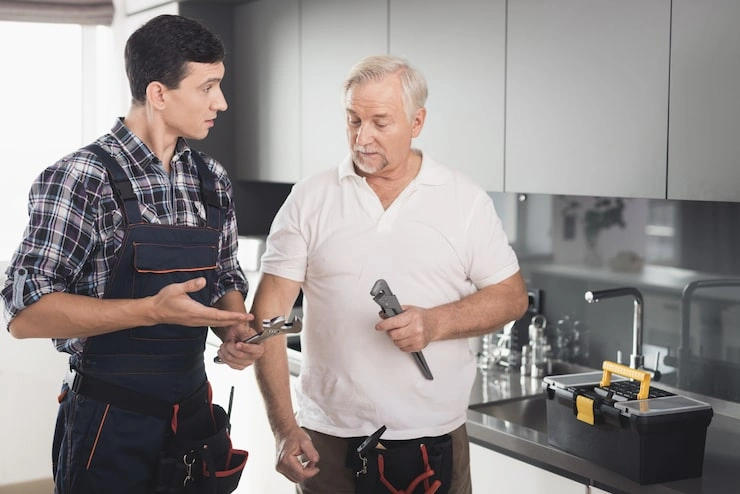
In 2026, many US homeowners pay about $80 to $130 per hour for routine plumbing work. Some plumbers charge $45 to $200 per hour, depending on the job and location. A service call may cost extra, often around $50 to $200. Simple repairs may cost a few hundred dollars, while major replacements can reach several thousand.
These are broad estimates, not fixed prices for every city. Los Angeles homeowners may pay more or less based on access, labor, parts, and the repair needed.
Factors That Affect Plumber Pricing
Several factors shape the final bill. Understanding them helps you compare quotes and plan your budget.
Type and Size of the Job
A loose faucet connection may take less time than a hidden pipe leak. Jobs that require wall removal, digging, or new pipes usually cost more. The plumber must also check whether the repair affects other parts of your plumbing system.
Labor and Experience
A plumber’s hourly rate depends on skill, licensing, experience, and local business costs. Complex work may require a highly trained professional. Ask whether the quoted rate includes all labor or only the first hour.
Parts and Materials
Replacement parts add to the total. A basic faucet may cost less than a premium fixture. Copper, PEX, and other pipe materials also have different prices. Ask whether the quote includes parts, delivery, and installation.
Location and Access
Plumbing costs often rise in areas with higher labor costs. A pipe under a concrete slab may also take longer to reach than one beneath a sink. Difficult access can increase labor and repair costs.
Permits and Extra Work
Some plumbing projects need permits or inspections. Wall repairs, disposal of old equipment, and cleanup may also add charges. Confirm which items are included before work begins.
Common Plumbing Services and Their Costs
The table below gives general US estimates for common residential plumbing jobs. Actual prices depend on the repair, materials, and local rates.
| Plumbing Service | Estimated Cost |
| Service call or diagnosis | 50–250 |
| Minor leak repair | 150–400 |
| Drain cleaning | 125–300 |
| Toilet repair | 100–250 |
| Faucet installation or replacement | 150–535 |
| Garbage disposal installation | 200–450 |
| Water heater replacement | 1,600–7,000 |
| Slab leak repair | 500–4,000 |
| Sewer line replacement | 3,000–10,000 |
| Whole-home repiping | 4,000–15,000 |
These ranges are useful for planning, but they are not a substitute for an inspection. For example, clearing a simple sink clog can cost far less than removing roots from a damaged sewer line.
If you suspect a sewer problem, ask whether the plumber recommends a camera inspection before quoting repairs. This can help locate damage without guessing where the problem lies.
Hourly vs. Flat-Rate Pricing: What’s the Difference?
Plumbers generally use hourly pricing, flat-rate pricing, or a mix of both.
Hourly pricing: You pay for the time spent on the job, often along with parts and service fees. This may suit repairs where the full scope is unclear at first.
Flat-rate pricing: You receive one price for a defined task. This can make budgeting easier for common jobs, such as installing a fixture or repairing a toilet.
For example, a plumber may charge $100 per hour and need two hours for a repair. Labor would be $200, but the final bill could be higher after parts and service fees.
With a flat rate, ask what the price covers. Check whether extra work, replacement parts, or hidden damage would cost more. Neither pricing method is always cheaper. The best choice is a clear quote that explains the work.
Emergency Plumbing Costs Explained
Emergency plumbing usually costs more than a scheduled appointment. After-hours, weekend, and holiday calls may cost 1.5 to 3 times standard rates. The exact charge depends on the plumber and the work required.
Common plumbing emergencies include:
- Burst pipes that release water inside the home.
- Severe leaks that threaten walls, floors, or belongings.
- Sewage backing up into tubs, toilets, or floor drains.
- Water heaters that leak heavily or create unsafe conditions.
If a pipe bursts, shut off the main water supply if you can do so safely. Keep away from wet electrical equipment and call a qualified plumber. If you smell gas, leave the area and contact your gas provider or emergency services from a safe location.
Ask about the emergency call fee, arrival window, and expected repair costs before approving work. When water damage is ongoing, quick action can help limit the damage.
You can read about: How Much Does an Emergency Plumber Cost?
How to Save Money on Plumbing Costs
You can control some plumbing expenses by planning ahead and asking clear questions.
- Get written estimates. Compare the same repair scope, parts, and warranty terms across quotes.
- Fix small leaks early. A minor drip can waste water and may lead to damage if ignored.
- Schedule routine work. Non-urgent repairs during regular hours may avoid emergency fees.
- Group small repairs. If several fixtures need attention, ask whether one visit can cover them.
- Choose suitable parts. Compare quality and warranty, not just the lowest price.
- Ask about repair options. A repair may work when replacement is not yet needed, but the plumber should explain the trade-offs.
- Check permits before work. Confirm who will arrange required permits and inspections.
Before approving any plumbing work, ask for a clear estimate and confirm what it includes. Planning ahead and dealing with problems early can help you avoid unnecessary costs.
DIY vs. Professional Plumbing: When to Call a Pro
Some small plumbing tasks are safe for homeowners who have the right tools. Others can cause water damage or safety risks when handled incorrectly.
You may be able to replace a showerhead, clean a faucet aerator, or tighten an accessible connection. Follow the product instructions and turn off the water when needed.
Call a professional for hidden leaks, burst pipes, sewer line problems, major drain blockages, and water heater installation. Gas lines and work that requires permits should also go to qualified professionals. Poor repairs can lead to leaks, damaged walls, and higher costs later.
Before attempting a repair, ask yourself whether you can reach the part safely and identify the cause. If you are unsure, a professional inspection may cost less than fixing a failed DIY repair.
Questions to Ask Before Hiring Plumbers
Before you agree to any plumbing job, ask questions that make the price and work clear.
- Are you licensed and insured for this work?
- Do you charge a service call or diagnostic fee?
- Is your quote hourly or a flat rate?
- Are labor, parts, cleanup, and disposal included?
- Could the price change if you find hidden damage?
- Will this job need a permit or inspection?
- Do you offer a warranty on parts and labor?
- Can you provide a written estimate before starting?
A reliable plumber should explain the problem in plain language. They should also describe the repair options and tell you what may increase the price. Keep the estimate and invoice for your records.
Red Flags When Hiring Plumbers
Be careful if a plumber refuses to explain the quote or pressures you to approve costly work immediately. A very low starting price can also be misleading if key fees are left out.
Watch for these warning signs:
- No clear business details or proof of required licensing.
- No written estimate for a major repair.
- Pressure to pay the full amount before work begins.
- Extra charges that were never explained or approved.
- Claims that a full replacement is necessary without a clear reason.
- No written warranty terms when a warranty is promised.
Ask for a second opinion if a major repair seems unnecessary or the price is much higher than other quotes. For urgent work, focus on stopping the damage first, then confirm the repair scope and price before authorizing additional work.
The Bottom Line: Budgeting for Plumbing Services
The right budget starts with the type of repair. A small leak may cost a few hundred dollars, while a water heater or sewer line replacement can cost thousands. Keep some extra room in your budget for hidden damage, permits, or parts that cannot be assessed before the work begins.
When comparing plumber prices, look at the full cost rather than the hourly rate alone. A quote should explain labor, materials, service fees, and any likely extra charges. Ask what happens if the plumber discovers a second problem after opening a wall or accessing a pipe.
A clear estimate helps you decide whether to repair, replace, or get another opinion. It also makes it easier to compare prices for plumbing services without choosing based on cost alone.
Conclusion
Understanding How Much Does a Plumber Cost helps you plan for repairs and avoid unexpected bills. The final price depends on the type of job, labor, materials, access, and whether you need emergency help. Always compare written estimates and check what each quote includes before choosing a plumber.
If you need help with a leak, clogged drain, damaged pipe, or another plumbing issue, contact Derks Plumbing. Our Plumbing Repair Service in Eagle Rock can be a starting point for homeowners seeking help with plumbing repairs. Discuss the problem, ask about the expected cost, and confirm the work before it begins.

FAQs About Plumber Costs
How Much Does a Plumber Cost for a Small Repair?
Many small plumbing repairs cost around $150 to $400. The price depends on labor, parts, and the issue being fixed. Ask for a quote before work begins.
How Much Does a Plumber Cost Per Hour in 2026?
Many plumbers charge $80 to $130 per hour for routine work. Rates can range from $45 to $200 or more based on location, job type, and experience. Service fees may apply separately.
Do Plumbers Charge Just to Look at a Problem?
Many plumbers charge a service call or diagnostic fee. Some apply that fee toward the repair if you hire them. Confirm the policy when booking.
Is Emergency Plumbing More Expensive?
Yes. Nights, weekends, and holidays often cost more than regular appointments. Ask about the emergency fee and estimated repair price before approving the work.
How Can I Get an Accurate Plumbing Estimate?
Describe the problem, share photos if possible, and explain when it started. For complex issues, an on-site inspection may be needed. Request a written quote that lists labor, parts, fees, and possible extra costs.
How Much Does a Plumber Cost to Replace a Water Heater?
A water heater replacement may cost around $1,600 to $7,000, depending on the unit and installation needs. Tankless models, venting changes, and required upgrades can affect the total. Get a quote based on your home’s setup.




