If you are wondering how long your home’s most essential plumbing fixture will keep working, the quick answer is that a standard porcelain toilet can easily last 30 to 50 years. In fact, many well-made porcelain bowls and tanks can technically last a lifetime if they do not experience any physical impacts or cracks.
However, while the heavy porcelain shell survives for decades, the inner mechanical components tell a completely different story. To truly understand how long do toilets last, you must look past the porcelain exterior and examine the working parts inside, which usually require major repairs or replacement every 5 to 10 years.
How Long Do Toilets Last? A Real Breakdown
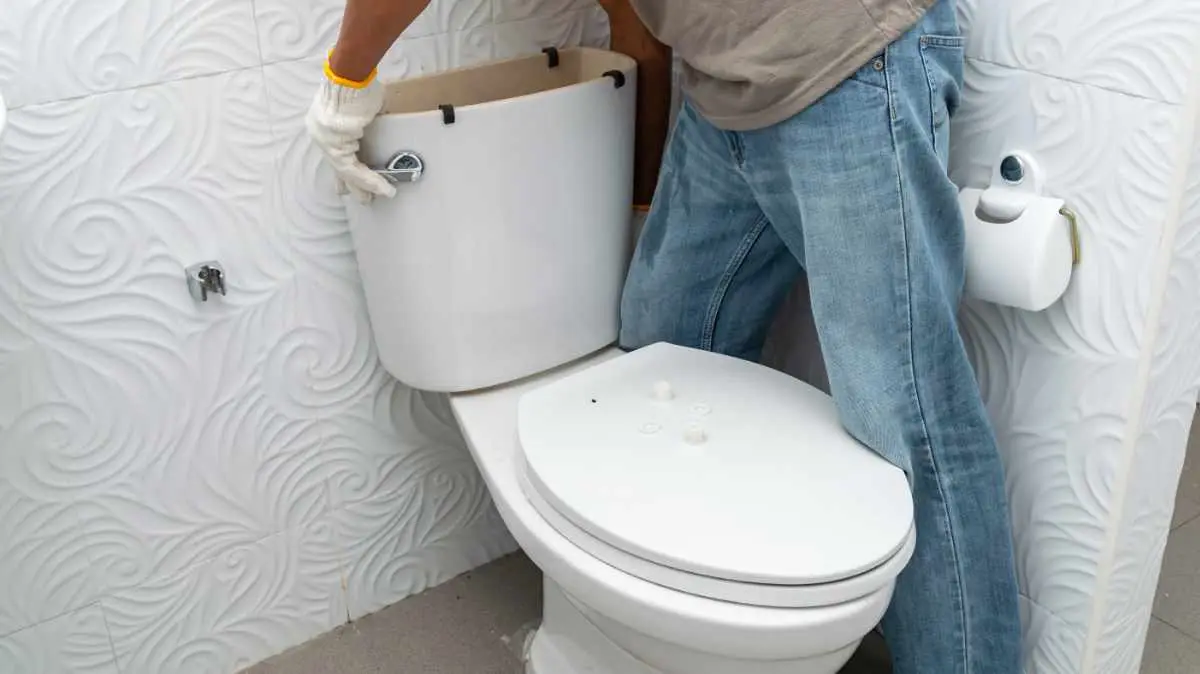
The porcelain bowl and tank can last 50 years or more. There’s no moving parts inside fired ceramic, so it doesn’t wear down from normal use the way rubber or plastic does.
The internal components are a different story. Flappers, fill valves, and flush valves do the actual mechanical work every flush, and that means wear over time. These parts typically need replacing every 5 to 10 years.
When people ask how long toilets last, they’re usually picturing the whole unit as one object. In reality, you’re dealing with two timelines. A toilet that’s 15 years old with a replaced flapper or two is in normal shape. A toilet still running on its original 1990s parts at 20-plus years is overdue for a check.
Here’s a quick breakdown of toilet lifespan years by part:
- Porcelain bowl and tank: 50+ years
- Flapper: 3 to 5 years
- Fill valve: 4 to 8 years
- Flush valve: 5 to 10 years
- Wax ring seal: 20 to 30 years (if undisturbed)
- Tank bolts and gaskets: 10 to 15 years
There’s also a water-use angle worth knowing. Federal law capped flush volume at 1.6 gallons starting in 1994. If your toilet predates that, you’re likely paying more on your water bill every month, even if it still flushes fine.
You can read about: How Long Do Toilets Seals & Valves Last
What Affects How Long a Toilet Lasts?
The lifespan of toilets isn’t fixed. A few real factors push it up or down.
Water quality. Hard water leaves mineral buildup inside the tank and around the flush valve. Over time, this affects how well the flapper seals, leading to slow leaks and constant running.
Usage frequency. A toilet in a guest bathroom used a few times a week lasts longer than one in a busy family bathroom used daily, multiple times a day.
Installation quality. A poorly seated wax ring or an unlevel install causes early problems, even if the porcelain itself is fine.
Maintenance habits. Toilets that get occasional attention, like checking the flapper seal yearly, outlast ones that are ignored until something breaks.
Brand quality. Higher-end brands use better materials and tighter tolerances. Budget models sometimes crack or fail years sooner.
5 Signs It’s Time to Replace Your Toilet
While a simple valve swap can fix minor issues, certain symptoms point toward structural failure or unresolvable inefficiency. Here are five undeniable signs that your fixture has reached the end of its functional life.
1. Hairline Cracks in the Porcelain
Porcelain can develop tiny hairline cracks over time due to shifting foundations, over-tightened bolts, or accidental impacts. Check both the exterior and interior of the tank and bowl regularly. Even a microscopic fracture can expand without warning, causing sudden, catastrophic flooding that can ruin your bathroom flooring and subfloor.
2. Chronic, Expensive Clogs
Older models often suffer from outdated trapway designs. If you find yourself reaching for the plunger multiple times a week, the internal porcelain glazing inside the trapway has likely worn away. Once the smooth glaze degrades, waste scratches the raw porcelain and catches easily, creating recurring blockages that no amount of clearing can permanently fix.
3. A Constantly Running Tank
If you constantly hear water trickling or hissing from the bathroom, your internal components are failing. While replacing a fill valve is simple, older toilet models often feature proprietary configurations that modern replacement parts cannot match. If multiple repair attempts fail to stop the constant water flow, a complete replacement is the most practical solution.
4. Poor Flush Power and High Water Consumption
Toilets manufactured before 1994 use anywhere from 3.5 to 5.0 gallons per flush (gpf). Modern fixtures are legally mandated to use 1.6 gpf or less, with High-Efficiency Toilets (HET) utilizing just 1.28 gpf. If your old unit requires multiple flushes just to clear the bowl, you are wasting thousands of gallons of water each year.
5. Unstable, Rocking Base
A toilet should sit perfectly flush against the bathroom floor. If it wobbles or rocks when you sit down, the floorboards beneath the base may have softened due to a long-term, hidden leak from the wax ring. This structural instability requires immediate professional attention to inspect the subfloor and replace the entire unit.
Repairing vs. Replacing
Repair makes sense when:
- The toilet is under 15 years old
- The issue is one isolated part, like a flapper or fill valve
- There’s no crack anywhere in the porcelain
- The toilet sits level and stable
- Repair cost stays under $150
Replacement makes sense when:
- The toilet is over 20 years old
- You’ve replaced internal parts more than twice recently
- There’s any crack in the porcelain
- It uses more than 1.6 gallons per flush
- You’re already renovating the bathroom
A simple rule: if repair cost gets close to half the price of a new toilet, replacement is the smarter move. Most quality toilets run $150 to $400 installed, so a $200 repair on an old unit rarely pays off.
Water savings matter too. Switching from an older 3.5 or 5 gallon-per-flush toilet to a modern 1.28 gallon model can save thousands of gallons a year, which adds up fast on your water bill.
Choosing a New Toilet
Flush type. Gravity-fed toilets are quieter and cheaper. Pressure-assisted models flush harder and resist clogs, but cost more and run louder.
Bowl shape. Elongated bowls offer more comfort and are now standard in most new builds. Round bowls suit smaller bathrooms better.
Height. Standard toilets sit around 15 inches tall. Comfort-height models sit closer to 17 to 19 inches, easier on the knees.
WaterSense certification. Look for this EPA label. These models meet water efficiency standards without losing flush power, and some utilities offer rebates for switching.
Trapway design. A fully glazed trapway resists buildup and clogs better than older designs.
How to Extend the Life of Your Toilet
A few habits stretch out toilet lifespan noticeably.
- Avoid chemical drop-in tank tablets. They break down rubber seals over time.
- Never flush wipes or paper towels, even ones labeled “flushable.”
- Check for leaks yearly using food coloring in the tank.
- Tighten loose bolts or a wobbly seat as soon as you notice them.
- Always install a new wax ring during any reinstall. Never reuse an old one.
Let Derks Plumbing Help You Flush Away Your Toilet Woes
Replacing a toilet involves heavy lifting, precise leveling, and an absolute watertight seal against the floor drain. A single mistake during the process can result in slow, hidden leaks that quietly rot your bathroom subfloor over time.
If you notice an unstable base, recurring clogs, or visible cracks in your porcelain, do not leave your home vulnerable to water damage. The experienced team at Derks Plumbing can evaluate your current fixture and help you choose the ideal high-efficiency upgrade for your space.
For homeowners seeking a seamless, worry-free upgrade, we provide expert Toilet Installation in Eagle Rock to ensure your new system functions perfectly for decades to come. Let Derks Plumbing manage the heavy lifting, precise flange alignment, and proper sealing so you can enjoy total peace of mind.

Conclusion
Understanding how long do toilets last helps you anticipate maintenance needs and protect your home from sudden plumbing failures. While the exterior porcelain shell can easily endure for 30 to 50 years, the internal valves and seals demand attention much sooner. Regularly inspect your fixture for hairline cracks, listen for running water, and track how often your system clogs. When minor repairs no longer resolve weak flushes or rising water bills, upgrading to a modern high-efficiency unit is the smartest path forward for your home and your wallet.
Frequently Asked Questions
How long do toilets last on average?
Most toilets last 25 to 50 years for the bowl and tank. Internal parts like flappers and fill valves typically need replacing every 5 to 10 years to keep things running properly.
What is the average toilet lifespan years for internal parts?
Flappers last 3 to 5 years. Fill valves last 4 to 8 years. Flush valves last 5 to 10 years. These wear out long before the porcelain shows any age.
How often should a toilet be replaced?
Most toilets don’t need replacement unless they’re over 20 years old, cracked, or constantly needing repairs. A well-maintained toilet can last decades with occasional part swaps.
Can a cracked toilet be repaired instead of replaced?
No. Cracked porcelain can’t be safely repaired. Even small cracks spread over time and eventually leak, so a cracked toilet always needs full replacement.
Is it worth replacing an old toilet to save water?
Yes, usually. Older toilets made before 1994 use 3.5 to 7 gallons per flush. Modern models use 1.28 gallons. Switching can save thousands of gallons a year.




