A gurgling toilet, slow drains, and a sewer smell inside the house usually point to one thing: a blocked plumbing vent. Most homeowners don’t know this system exists until something goes wrong. The vent is not visible inside the house, but when it gets blocked, your entire drain system suffers.
Knowing how to unclog plumbing vent can save you from bad odors, slow drains, and a costly service call. In most cases, you can clear the blockage yourself in an afternoon with basic tools. This guide covers every step.
What Is a Plumbing Vent and Why Is It Important?
Every drain in your home toilet, sink, shower, bathtub connects to a drain pipe. Those drain pipes need air to flow properly. Without air, water can’t drain freely. It creates a vacuum that slows or completely stops drainage.
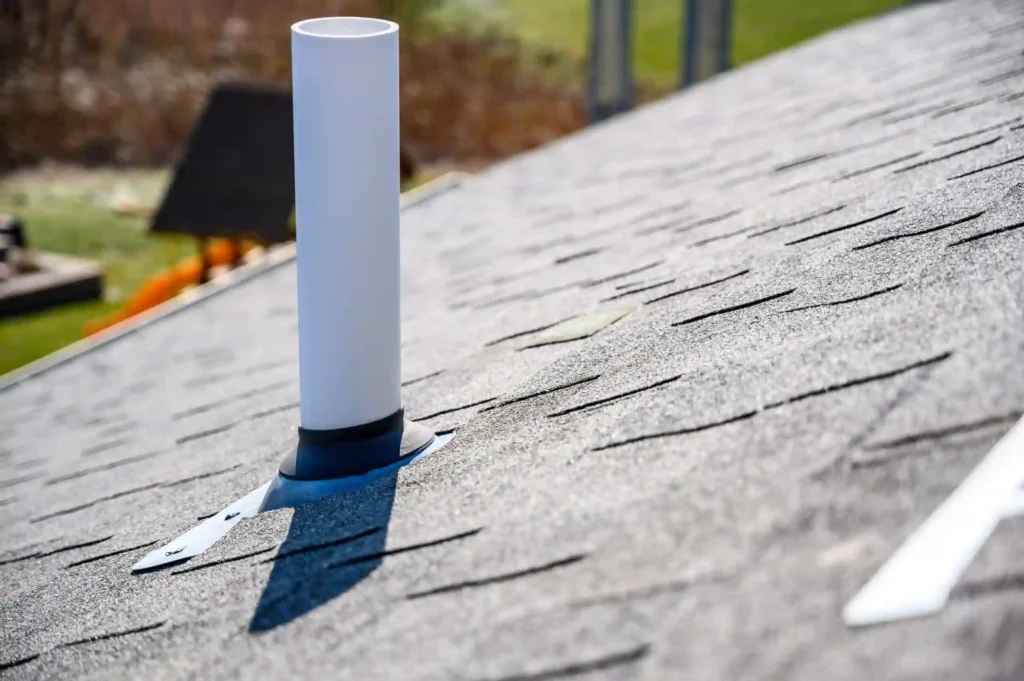
That’s what the plumbing vent system solves. The vent pipe runs vertically through your walls and exits through a pipe on the roof commonly called the plumbing vent on roof. It does two things:
- Allows air into the drain system so water flows freely and at the right speed.
- Vents sewer gases outside so methane, hydrogen sulfide, and other gases from the sewer don’t build up inside your home.
A properly working vent system is invisible. You never think about it. But when that pipe on the roof gets blocked by leaves, a bird nest, ice, or debris your entire drain system starts to show symptoms.
Signs and Symptoms of a Clogged Plumbing Vent
A clogged plumbing vent doesn’t always announce itself with one dramatic sign. It usually builds slowly. Here’s what to watch for:
Gurgling or bubbling drains. This is the most common sign. When a toilet gurgles after flushing, or a sink makes bubbling sounds as it drains, the vent isn’t supplying enough air to the system. The drain pulls air from the water trap instead creating that distinct gurgling sound.
Slow drains across multiple fixtures. One slow drain is usually a local clog. Multiple slow drains throughout the house kitchen sink, bathroom sink, and shower all draining slowly at the same time often point to a vent problem rather than individual pipe blockages.
Sewer smell inside the house. This is a serious warning sign. When sewer gases can’t escape through the roof vent, they push back into the house through drain openings. A persistent smell of sulfur or sewage in bathrooms or the kitchen means the vent system is not working.
Water backing up in unexpected places. Flushing a toilet and seeing water rise in the shower drain, or running the washing machine and watching the kitchen sink bubble these are signs of negative pressure caused by a blocked vent.
Dry P-traps. Every drain has a water-filled P-trap that blocks sewer gas from entering the home. A blocked vent creates suction that pulls water out of these traps. Once the trap is dry, nothing stops sewer gas from coming in.
What Causes a Plumbing Vent to Get Blocked?
Before you start the fix, it helps to know what you’re dealing with. The most common causes of a roof plumbing vent clogged situation are:
Leaves, twigs, and organic debris. The pipe opening sits on the roof. Over time, leaves fall in and pack down inside the pipe. In wooded areas, this is the most frequent cause.
Bird or animal nests. Birds often build nests directly over vent pipe openings. Small animals like squirrels or rodents sometimes fall in and get stuck. Both block airflow completely.
Ice and snow. In cold climates, moisture inside the vent pipe can freeze at the opening. Ice builds up around the pipe edge and eventually seals it shut. This is a common cause of gurgling toilets in winter.
Debris buildup from roof work. Roofing materials, gravel, or sealant from a repair job sometimes falls or washes into the vent opening.
Corroded or damaged vent pipe. An older pipe can collapse partially or rust through. This is also where a fix leaking roof vent situation can overlap with a blockage rust damage that creates gaps also creates spots where debris collects and blocks flow.
Step-by-Step Guide: How to Unclog Plumbing Vent
Here is the full process for how to unclog plumbing vent safely and effectively.
What You Need
- Ladder (tall enough to reach the roof safely)
- Garden hose with good water pressure
- Plumber’s snake or drain auger at least 20 feet long
- Flashlight or headlamp
- Rubber gloves
- Safety rope or roof harness (for steep roofs)
- A helper on the ground
Step 1: Safety First
Roof work carries real fall risk. Before you climb:
- Check that the ladder is on stable ground and extends at least three feet above the roof edge
- Wear non-slip shoes
- On steep roofs, use a roof harness or hire a professional
- Have someone on the ground to steady the ladder and assist
Never work on a wet roof. Wait for dry conditions.
Step 2: Locate the Vent Pipe Opening
Most homes have one or two vent pipes on the roof. They look like short black or white pipes — typically 3 to 4 inches in diameter sticking up above the roofline. They’re usually located above bathrooms or in the center of the roof.
Walk the roof carefully and identify all vent openings.
Step 3: Inspect the Opening
Shine a flashlight directly down the pipe. Look for obvious blockages near the top — leaves packed in, a bird nest, ice, or visible debris. If you can see and reach the blockage with your hand (with a glove on), remove it manually.
For deeper blockages, move to the next step.
Step 4: Flush With a Garden Hose
Insert the garden hose into the vent pipe opening. Turn the water on fully. The water pressure often dislodges leaves, debris, and soft organic matter. Watch and listen from the roof — you may hear the blockage clear and water start flowing freely down the pipe.
If water backs up toward you instead of flowing down, the blockage is solid or lower in the pipe. Move to the next step.
Step 5: Use a Plumber’s Snake
Feed the plumber’s snake (drain auger) down the vent pipe. Push it in until you feel resistance that’s the blockage. Rotate the handle to break it up or hook into it so you can pull it out.
Work the snake back and forth. For compacted debris, it may take several passes. Pull the snake out slowly and dispose of whatever comes with it.
Step 6: Flush Again
After snaking, run the hose down the pipe again for 2–3 minutes. This clears any loose debris the snake broke up.
Step 7: Test the System From Inside
Go back inside. Run water in several sinks, flush the toilet, and listen. If the gurgling is gone and water drains normally, the vent is clear. If you still hear gurgling or drains are still slow, the blockage may be lower in the vent system and a professional camera inspection is the next step.
You can read about: What Is a Plumbing Stack
Can a Clogged Vent Make a Toilet Noisy?
Yes and this surprises a lot of homeowners. A clogged vent pipe on the roof is one of the most common causes of a gurgling, bubbling toilet.
Here’s why it happens. When you flush, water rushes through the drain pipe below. That moving water creates negative air pressure behind it. Normally, the vent pipe supplies fresh air to equalize that pressure. When the vent is blocked, air gets pulled from wherever it can including through the water in the toilet bowl or P-traps.
That suction through water is what creates the gurgling sound.
A toilet that gurgles every single time it flushes especially when combined with slow drains elsewhere almost always points to a vent issue, not a toilet issue. Replacing the toilet won’t fix it. Clearing the vent will.
How to Fix a Leaking Roof Vent While You’re Up There
If you’re already on the roof clearing the vent, it’s worth inspecting the fix leaking roof vent situation around the base of the pipe.
The vent pipe connects to the roof through a rubber boot seal and metal flashing. Over time, the rubber boot cracks from UV exposure and temperature changes. A cracked boot lets rainwater run down the outside of the pipe and into the roof structure causing interior ceiling leaks and wood rot.
Check the boot:
- If the rubber is cracked, peeling, or has gaps, replace it. Replacement boots cost $10–$25 and fit over the existing pipe.
- If the metal flashing around the pipe has lifted or rusted, reseal it with roofing caulk or replace the flashing.
This is a 15-minute job while you’re already on the roof. Skipping it means coming back for a separate repair later.
How to Prevent Future Vent Blockages
Clearing the vent solves the problem today. Preventing it from happening again is smarter long-term.
Install a vent pipe cap or screen. Mesh vent covers keep leaves, birds, and debris out of the pipe while still allowing full airflow. They cost $5–$15 and screw directly onto the pipe opening. Choose stainless steel mesh — plastic ones degrade in UV faster.
Trim trees near the roofline. If branches hang over the roof, leaves and twigs will always find their way into open pipes. Keep overhanging branches cut back at least 5–6 feet from the roofline.
Inspect the roof twice a year. Spring and fall are good times to walk the roof (or have someone do it) and check vent openings for debris accumulation. A two-minute visual check prevents most blockages.
Check vent pipes after major storms. Heavy wind and rain push debris into openings quickly. After any significant storm, check the vent pipes as part of your post-storm roof inspection.
In cold climates, insulate the upper section of the vent pipe. Foam pipe insulation on the section of vent pipe in the attic slows the freezing cycle that causes ice blockages at the opening in winter.
When to Call a Professional
How to unclog plumbing vent is a manageable DIY job for most single-story homes or homes with accessible roofs. But there are situations where calling a licensed plumber is the right call:
- The roof is steep, wet, or otherwise unsafe to access
- Flushing with a hose and snaking hasn’t cleared the blockage
- You hear gurgling even after clearing the vent pipe
- Multiple fixtures are backing up simultaneously this may indicate a main sewer line issue, not just a vent problem
- You suspect a collapsed or damaged section of vent pipe inside the wall
- The vent pipe itself is cracked, corroded, or missing sections
For homeowners in the Los Angeles area, Plumbing Services in Los Angeles provides professional vent inspection, drain camera diagnostics, and full vent system repair. Derks Plumbing uses licensed plumbers with the right equipment to diagnose what you can’t see from the roof and fixes it correctly the first time.

Conclusion
A blocked plumbing vent causes gurgling drains, sewer smells, and slow drainage throughout your home. The fix is often straightforward: climb the roof, clear the opening, flush with a hose, and snake if needed. Knowing how to unclog plumbing vent before problems get worse saves you from a much bigger repair bill.
Do it safely, use the right tools, and inspect the vent boot while you’re up there. If the problem isn’t clear or you’re not comfortable on the roof, call a licensed plumber rather than pushing through a job that carries real risk.
FAQs
Q: How do I know if my plumbing vent is clogged and not just a drain clog?
A drain clog affects one fixture. A clogged plumbing vent affects multiple fixtures at the same time, slow drains in several rooms, gurgling throughout the house, and sewer smell are all signs the vent is the issue, not an individual drain.
Q: Can I unclog a plumbing vent from inside the house?
In some cases, yes. If you have access to a clean-out plug in the vent stack inside the house, you can insert a plumber’s snake from there. But most vent blockages are at or near the roof opening so the roof approach is more direct and effective.
Q: How often should I check my plumbing vent on the roof?
Twice a year spring and fall. Also check after major storms. Installing a mesh vent cap significantly reduces how often debris accumulates.
Q: Is a gurgling toilet always caused by a clogged vent pipe?
Not always, but it’s one of the most common causes. Other causes include a partial clog in the drain line and a blocked main sewer line. If gurgling happens in multiple fixtures, the vent or main line is the likely culprit.
Q: What happens if I ignore a clogged plumbing vent for too long?
Sewer gas including methane and hydrogen sulfide can build up inside the home. Dry P-traps make this worse. Beyond the smell and health risk, a long-term vent blockage increases pressure on drain connections, which can cause leaks inside the wall or under the floor over time.




