Your home’s plumbing system does more than carry water to sinks, showers, and toilets. It also needs a safe way to carry wastewater away and release sewer gases outside. One important part of this system is the plumbing stack. It connects drain lines from different fixtures and helps wastewater flow toward the sewer or septic system.
If you are wondering What Is a Plumbing Stack, it is a vertical pipe that carries wastewater from plumbing fixtures and often helps vent sewer gases. Knowing how it works can help you spot problems, protect your home, and understand when a plumber needs to inspect it.
What Is a Plumbing Stack?
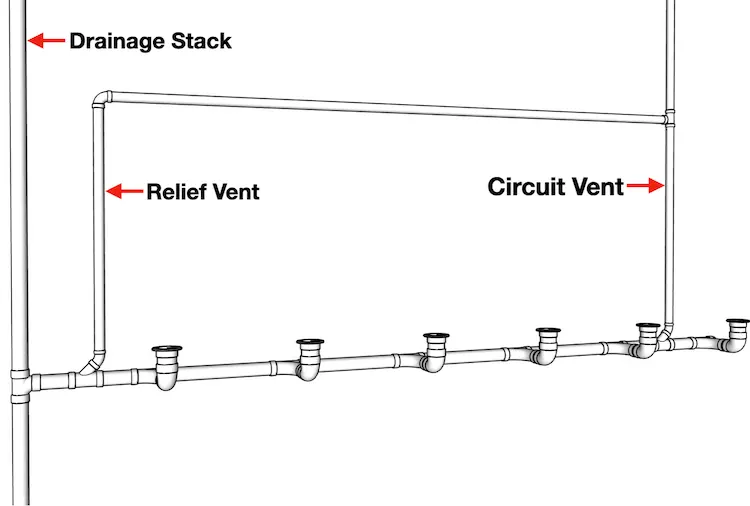
A plumbing stack is a large, mostly vertical pipe inside a building’s plumbing system. It connects to drain pipes from fixtures such as toilets, sinks, showers, and bathtubs. These pipes carry used water and waste away from the home.
Most plumbing stacks run through several floors in a house or building. They often connect to smaller branch drains and continue down toward the building drain. The building drain then carries wastewater toward a public sewer or private septic system.
Some plumbing stacks also extend upward through the roof. This section helps vent the drainage system and allows sewer gases to escape outdoors. It also helps air enter the system, which supports proper drainage.
You may hear plumbers use terms such as drainage stack, stack pipe, waste stack, or sanitary stack. These terms can describe different parts or types of vertical plumbing pipes. Their exact meaning depends on the system and local plumbing rules.
A plumbing stack is not the same as a single drainpipe under a sink. It serves as a main vertical route for wastewater from several fixtures or floors.
How Does a Plumbing Stack Work?
A plumbing stack works by using gravity, airflow, and connections to other drainpipes. Wastewater moves down through the system, while vent pipes help keep air pressure balanced.
Here is how the system usually works:
- Water enters the drain: When you flush a toilet or empty a sink, wastewater enters its drainpipe.
- Branch pipes carry the waste: Smaller pipes connect the fixture to the main stack.
- Wastewater moves downward: Gravity carries wastewater through the vertical pipe toward the building drain.
- The vent supports airflow: A vent connected to the drainage system helps air move in and out. This reduces pressure changes that can affect drain traps.
- Waste leaves the building: The building drain carries wastewater to the sewer or septic system.
The vent system is important because plumbing fixtures usually have traps. A trap holds a small amount of water that blocks sewer gases from entering living spaces. If pressure changes pull water out of a trap, unpleasant odors may enter the home.
For example, imagine flushing an upstairs toilet while another fixture drains nearby. A properly designed system allows wastewater and air to move without creating harmful pressure changes. A blocked vent or drain can disrupt this balance.
A working plumbing stack helps the whole drainage system operate as intended. However, pipe size, slope, vent design, and connections must follow local plumbing codes.
Types of Plumbing Stacks
Not every vertical plumbing pipe performs the same job. The main types depend on whether they carry wastewater, provide airflow, or handle both functions.
1. Soil Stack
A soil stack carries wastewater that includes human waste from toilets and similar fixtures. It usually connects to the building drain below the lowest floor.
Because toilets release solid waste and wastewater, the soil stack must be properly sized and installed. A blockage may cause slow flushing, gurgling, or sewage backing up into fixtures.
2. Waste Stack
A waste stack carries wastewater from fixtures such as sinks, showers, and bathtubs. In common plumbing terminology, a waste stack does not carry toilet waste directly.
However, pipe layouts and terms can vary by local code. A plumber can identify which pipes serve each fixture in your home.
3. Vent Stack
A vent stack helps control air pressure within the drainage system. It allows air to move through the plumbing vents and provides a path for sewer gases to escape above the roof.
A vent stack does not normally serve as the main route for wastewater. Its role is to support drainage and help protect the water seals inside fixture traps.
4. Sanitary Stack
A sanitary stack is a vertical pipe used to carry sewage or wastewater from plumbing fixtures. Depending on the system, it may carry toilet waste and other wastewater.
The term is sometimes used broadly to describe the main vertical waste pipe. The exact distinction between a sanitary stack, soil stack, and waste stack may depend on local rules and trade usage.
5. Combined Stack Systems
Some plumbing systems combine certain drainage and vent functions within an approved design. These arrangements must follow applicable plumbing codes and use the correct pipe sizes and connections.
Homeowners should not assume that any vertical pipe can handle both waste and venting. A plumber must check the existing layout before changing it.
Do You Need a Plumbing Stack in Your Home?
Most homes with indoor plumbing need a properly designed drainage and vent system. A plumbing stack is common in houses with multiple floors or several fixtures connected to a shared vertical drain.
In a multi-story home, the stack gives wastewater from upper and lower floors a main route toward the building drain. It also supports venting when designed as part of a vented drainage system.
A smaller, single-story home may have a different layout. It might use several drain branches and vent pipes arranged according to local plumbing rules. The system does not always look the same from one home to another.
You may already have a plumbing stack without knowing where it runs. It can be hidden behind walls, inside service shafts, or between floors. The vent portion may be visible as a pipe that extends through the roof.
If you are building an addition, moving a bathroom, or remodeling a kitchen, the stack location matters. New fixtures may need suitable drain and vent connections. Poor planning can lead to slow drainage, odors, or costly changes later.
Do not remove or move a stack pipe without a proper assessment. It may serve several fixtures, and changing it can affect the drainage system throughout the home.
Signs of a Problem with Your Plumbing Stack
A damaged or blocked stack can affect more than one plumbing fixture. Recognizing early warning signs can help you address the problem before wastewater causes damage.
Slow Drains in Several Fixtures
One slow sink may have a local clog. However, when several sinks, tubs, or toilets drain slowly, the issue may be farther along the shared drainage system.
A plumber can inspect the affected lines to find out whether the blockage is in a branch drain, stack, or building drain.
Gurgling Sounds
Gurgling from toilets or drains can indicate trapped air or pressure changes. A blocked vent, partial drain blockage, or other plumbing issue may cause these sounds.
Gurgling alone does not prove that the stack is damaged. The location and timing of the noise help a plumber narrow down the cause.
Sewer Smells Indoors
A sewer odor near a bathroom, kitchen, or utility area deserves attention. The cause might be a dry fixture trap, a loose connection, a damaged pipe, or a venting problem.
If the smell persists after checking rarely used drains, arrange a plumbing inspection. Strong or ongoing sewer odors should not be ignored.
Frequent Drain Backups
If wastewater backs up into multiple fixtures, there may be a blockage in a shared drain or the main sewer line. A damaged stack can also cause drainage trouble, depending on where the problem occurs.
Stop using affected fixtures if sewage is backing up. Avoid contact with wastewater and call a qualified plumber.
Visible Leaks or Damp Areas
Water stains, peeling paint, mold growth, or damp walls near a stack may point to a leaking pipe. Hidden leaks can damage framing, flooring, and other building materials.
A plumber may need to open part of a wall to inspect the pipe. Do not assume that every damp spot comes from the stack, since supply lines and roof leaks can cause similar signs.
You can read about: what does fip mean in plumbing
What Causes Plumbing Stack Problems?
Several issues can affect a stack over time. The cause depends on the pipe material, age, use, and installation quality.
- Blockages: Waste, grease, and other material can build up in drain lines and restrict flow.
- Pipe damage: Cracks, corrosion, or failed joints can allow leaks.
- Poor installation: Incorrect pipe sizing, unsuitable fittings, or improper venting can cause ongoing drainage problems.
- Tree roots: Roots can enter damaged underground sewer pipes, though they do not usually grow into an intact indoor stack.
- Building movement: Shifting or settling can place stress on pipe joints and connections.
- Vent obstructions: Leaves, debris, or other objects may block a roof vent.
The right repair depends on the actual cause. Repeatedly using chemical drain cleaners may not fix a stack problem and can damage some pipes or create safety risks. A proper inspection helps determine the safest solution.
Maintaining Your Plumbing Stack
Most homeowners do not need to clean or service a plumbing stack on a fixed schedule. However, sensible habits and timely repairs can help the drainage system last longer.
Watch for Changes in Drainage
Pay attention when several fixtures become slow or start making unusual sounds. A pattern across multiple rooms can be more useful than one isolated symptom.
Keep Grease and Waste Out of Drains
Avoid pouring cooking grease into sinks. Do not flush wipes, paper towels, or other items that are not designed to break down in plumbing systems.
Use drain strainers where suitable to catch hair and food scraps before they enter the pipes.
Check for Leaks and Odors
Look for water stains around accessible plumbing areas. Notice any repeated sewer smells, gurgling, or unexplained drainage changes.
If a pipe is hidden behind a wall, do not break into the wall without a clear reason. A plumber can assess the signs and recommend suitable testing.
Arrange an Inspection When Needed
A professional inspection is useful when several fixtures have problems, backups keep returning, or a home has older plumbing with a history of leaks.
Depending on the issue, a plumber may inspect accessible pipes, test drainage, check vent openings, or use a sewer camera for suitable drain lines. A camera does not inspect every hidden section of every plumbing stack, so the inspection method should match the suspected problem.
Avoid DIY Changes to the Stack
Do not cut, cap, or reroute a stack pipe without understanding its purpose. A change can affect multiple fixtures or leave sewer gases without a proper vent path.
Plumbing work may also require permits or code-compliant installation. Ask a licensed plumber about local requirements before making major changes.
When Should You Call a Plumber?
Call a plumber if several fixtures drain slowly, sewage backs up, sewer odors keep returning, or you see signs of a hidden leak. These symptoms may point to a shared drainage or venting problem that needs a closer look.
A plumber can trace the affected pipes, check likely blockages, and determine whether repair or replacement is needed. If wastewater is entering your home, stop using affected fixtures and arrange help promptly.
For a plumbing problem in an older home, share any history of repeated backups, pipe repairs, or renovations. This information can help the plumber choose where to start the inspection.
Final Thoughts
A plumbing stack is an important part of your home’s drainage system. It carries wastewater from connected fixtures and works with the vent system to support proper drainage. Knowing the signs of a blockage, leak, or vent problem can help you act before the issue gets worse.
If several fixtures drain slowly, sewer smells return, or you notice leaks, arrange an inspection instead of guessing at the cause. Derks Plumbing can help homeowners understand plumbing concerns and find suitable repair options.

Frequently Asked Questions
What Is a Plumbing Stack Used For?
A plumbing stack carries wastewater from connected plumbing fixtures toward the building drain. Depending on its design, it may also connect with the vent system to help control air pressure and release sewer gases.
Is a Plumbing Stack the Same as a Sewer Pipe?
No. A plumbing stack is usually a vertical pipe inside the building. The sewer pipe carries wastewater away from the building toward a public sewer or septic system.
What Is the Difference Between a Soil Stack and a Waste Stack?
A soil stack carries waste from toilets and similar fixtures. A waste stack usually carries wastewater from sinks, showers, and bathtubs without directly carrying toilet waste. Local plumbing rules may define these terms in more detail.
Can a Plumbing Stack Get Blocked?
Yes. Debris and buildup can restrict flow in a stack or connected drain lines. Slow drainage across several fixtures, gurgling, and recurring backups may indicate a blockage that needs inspection.
Does Every House Have a Plumbing Stack?
Most homes with indoor plumbing have a drainage and vent system, but the layout can vary. Multi-story homes commonly use a vertical stack, while some smaller homes may use a different arrangement that still meets local plumbing codes.
How Do You Know If a Plumbing Stack Is Leaking?
Possible signs include damp walls, water stains, peeling paint, musty smells, or visible moisture near plumbing routes. These signs can have other causes, so a plumber should identify the source before repairs begin.
Can I Repair a Plumbing Stack Myself?
Minor, accessible drain maintenance may be suitable for some homeowners. However, repairing or changing a main stack can affect several fixtures and the vent system. Have a qualified plumber assess leaks, major blockages, and pipe replacements.


