Hair appears to be safe to the naked eye when it falls out or is shaven off, and yes, when cleaning a hairbrush in the bottom of the toilet. But Hair is like any other substance that is difficult to precipitate. Since it disappears after flushing, a lot of people believe it is disintegrating in water just like toilet paper. But it’s above the noise.
But is it bad to flush hair down the toilet? Hair is not soluble in water, and it can damage your plumbing. It coagulates in the drain and, with fat, grease, soap scum, and other matter, can congeal into very robust blockages that are extremely expensive to remove.
Can I flush the hair down the toilet?
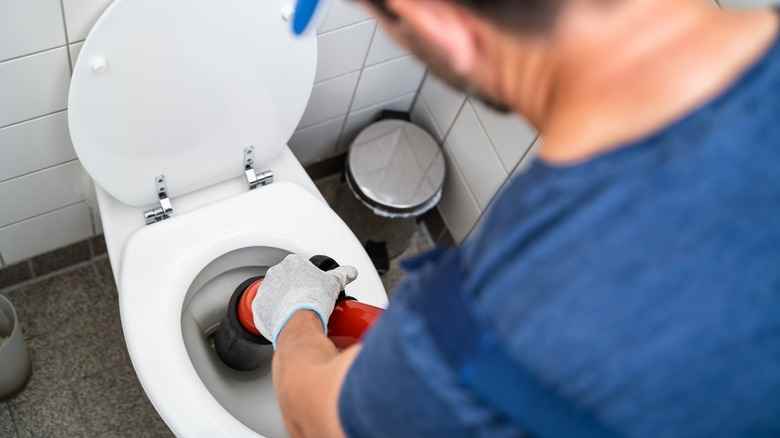
Another frequent inquiry is whether or not I can flush hair down the toilet when there is only a small amount.
The safest answer is no, but two are better than one.
One single little strand of hair isn’t going to block or clog up your plumbing. But the issue isn’t one flush it’s multiple flushes over weeks or months.
Each real hair can catch on ridges along the insides of your pipes. Once one strand sticks, additional hair begins collecting around it. As the accumulation grows, it can slow drainage or cause a complete blockage.
Even Baby wipes, flushed regularly in small quantities, can cause such havoc that it takes a couple of months to realise what’s happened. It’s why you really should toss hair clumps in the trash, not the toilet.
Is It Bad to Flush Hair Down the Toilet?
Is it bad to flush hair down the toilet? Well, knowing how hair moves in the pipes makes the answer obvious.
1:Hair Doesn’t Break Down
Unlike toilet paper, hair is barely altered once it goes in water.
Keratin, the protein that makes up human hair, is very tough and naturally resistant to decay. Even after months inside plumbing, hair generally remains strain-free.
2:Hair Easily Tangles Up
Hair hairs are curls around itself and the other surface object.
It snags on:
- Inside your plumbing,
- Pipe joints
- Rough pipe surfaces
- Mineral buildup
- Existing debris
Every additional strand fills the clog. Once attached, every additional strand increases the size of the clog.
3:Hair Attracts Other Debris and Waste
Hair on its own hardly ever results in blockages. It’s just that it acts as a net, capturing:
- Grease
- Soap
- Scum
- Toothpaste
- Dirt
- Food
- Toilet waste
As this substance builds up, the sense of blockage thickens and can become almost impossible to remove.
4:Hair is resistant to most drain cleaners.
Lots of homeowners believe that chemical drain cleaners will take care of the problem.
Conventional drain cleaners are ineffective against hair since keratin is resistant to the majority of household chemicals. This is why you usually need:
- A toilet auger
- Drain snake
- Hydro-jetting
- Plumbing services offered by experts.
What Happens When You Flush Hair?
Few people ever consider what happens after they flush the toilet.
This is the typical trip.
Step 1: Hair Passes Through the Toilet Trap
The toilet’s trapway is large enough for the hair to pass through the first time without causing a blockage.
At this point, everything appears normal.
Step 2: Hair reaches the drain pipe
Hair gets caught on when in the drain line:
- Pipe jointing
- Minor Cracks
- Rough finish
- Mineral Deposits
This is the start of clog formation.
Step 3: Debris Begins to Accumulate
The trapped hair, over time, snags other materials that travel down your pipes.
Those are
- Soap scum
- Grease
- Toilet waste
- Mineral deposits
The obstruction becomes increasingly larger, ever so slowly but surely, with each flush.
Step 4: Drainage Has Slowed to a Drip or Stop
When the blockage increases in size, you will start seeing some warning signs such as:
Slow flushing toilets
Water rises, then drains away
Gurgling sounds
Backups around lately
Turning a blind eye to these symptoms and it usually results in a worsened blockage.
Step 5: Total Blockage
Ultimately, there is so much hair that the wastewater can no longer flow easily.
At this point you notice that:
- Toilet overflows
- Toilet overflows Sewage backups
- Sewage backups
- Several slow draining drains
- Costly repairs to your plumbing
Why Toilets Aren’t Designed to Handle Hair
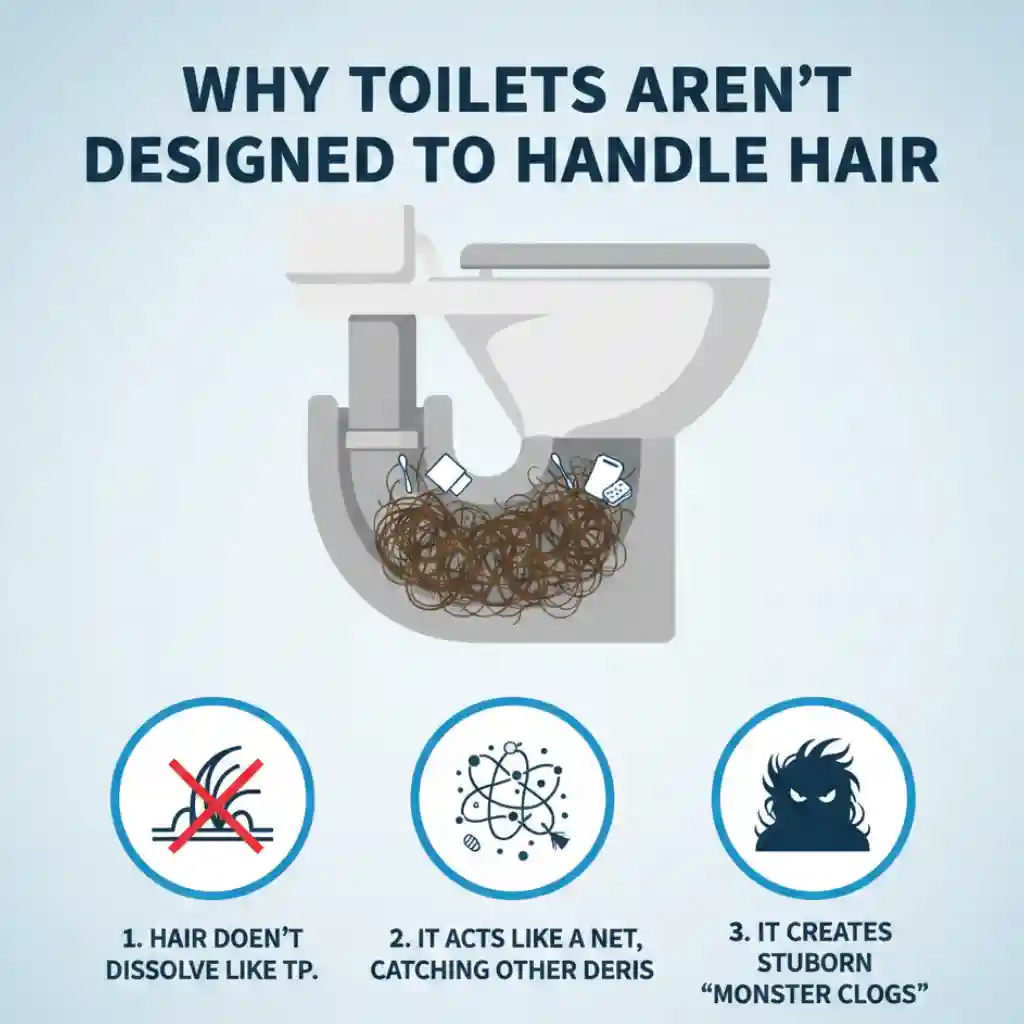
Toilets are built around a specific flushing mechanism designed to move waste and toilet paper through the drain. The design assumes everything going down will break apart in water quickly.
Toilet paper manufacturers test their products to ensure they disintegrate within seconds of being soaked. Waste breaks down naturally. Hair does neither.
The toilet trap the curved section at the base of the toilet holds a water seal that blocks sewer gas from entering the home. It is not shaped to catch or filter hair. Hair passes through it and continues into the drain line.
The drain line slopes at a specific angle to move water and waste toward the sewer using gravity. Hair, once it sticks to a pipe wall or joint, does not move with that flow. It stays and accumulates.
No part of a residential toilet or standard drain system is designed to handle hair. It simply does not belong there.
Can hair clog a toilet?
Can hair clog the toilet?
ANSWER: Yes. HAIR IS SO STRONG! Although hair is thin and feathery, it’s extremely strong when knotted up. A solid ball of hair combined with grease and soap is one of the most difficult things to remove from a pipe. The longest hair causes the most problems, for it has the greatest chance to get caught on other materials. When flushed down the toilet, pet hair and beard clippings can also lead to significant blockages. It may not clog immediately, but you are greatly increasing the risk by flushing repeatedly.”
Different Types of Hair That Can Cause Plumbing Problems
Not all hair is the same in plumbing, but all of them could potentially cause a clog.
1:Long Hair
Long strands, once knotted, are also more likely to catch foreign objects and become the main reason for toilet blockages.
2:Beard Hair
Beard hair is coarse and stiff, but shorter. It marries to the pipe roughness easily and gradually picks up other debris.
3:Pet Hair
Fur from pets behaves differently in water compared to human hair, and it can clog pipes just as quickly, if not faster, which is yet another plumbing hazard.
4:Chemically Treated Hair
Dyed or chemically treated hair tends to shred into smaller sections that usually penetrate further into the plumbing system before getting clogged; this makes the clog harder to access.
You can read about: What Happens If You Flush a Clorox Toilet Wand ?
How to Dissolve Hair in Toilet
Too many homeowners unfortunately go to Google to find answers to questions like “how to dissolve hair in the toilet without calling a plumber. Seems grossly misleading! But is it possible to dissolve hair 100%? What do they mean by easy?
Dosing hair: dissolve hair dissolution in a toilet. Yes
The reality is that total dissolution of hair is not possible.
Steel wool can also remove the tough protein that keratin is, the same protein composing hair and fingernails, which most household drain cleaners cannot eat away at.
But some cumulative deposits can be, with luck.
1:Enzymatic Drain Cleaners and Openers
Enzyme cleaners utilize a natural bacterium to eat through the organic material that the hair is wrapped in.
That said, they won’t melt through the hirsute equivalent of a boulder overnight.
These products are most effective when:
- The toilet still drains slowly.
- Water is running.
- It’s a partial blockage.
2:Toilet Auger
A toilet auger will typically work better and be more efficient than chemicals.
It bores a few feet into the drain and shreds or clears hair blockages while it is being used, making no contact with the porcelain.
For most homeowners, this is the safest route to take.
3:Plunger
A flange plunging cup can also clear a small blockage of hair at the distance of the toilet trap.
Use slow, steady pressure on the first plunge – rather than “pumping” quickly.
If the water in the toilet bowl is still unworkable after a few tries, it’s probably time for another technique.
4:Steer clear of Harsh Chemical Cleaners.
A number of chemical drain cleaners advertise that they dissolve hair, but many of them should not be used in toilets.
Toxic substances may:
- Corrode the old pipes
- Harm seals in the toilet
- Create toxic fumes
Not one of them can also supposedly “dissolve” large balls of hair that clog drains.
When using a drain-cleaning product, always read and follow the manufacturer’s directions.
Conclusion
Dumping hair down the toilet “is terrible for our drains and our environmentOverall press is bad for. Is it wrong to flush hair down the toilet? In contrast to toilet paper, hair does not disintegrate in water and causes very difficult clogs in your home’s plumbing system. May I wash the hair at home using detergent or flush it into the toilet? If you are wondering, can/should you flush hair down the toilet? The answer is a definitive NO.
Once you’ve got a clog and you’re wondering how to melt hair in the toilet, just know that there is no simple way to dissolve toilet-hair clumps with any household drain cleaner. A mechanical toilet auger or professional drain cleaning is typically the best and safest approach. Can hair actually clog a toilet? A common question today is, can hair clog a toilet? I know this one does, but just always remember flushing hair down the toilet can cause some very expensive plumbing repairs.
If you need drain cleaning, clog removal, or expert Toilet Installation in Eagle Rock the team at Derks Plumbing is ready to help.

FAQs
Is it bad to flush hair down the toilet?
Yes, it is bad to flush hair down the toilet. Hair does not dissolve in water like toilet paper. Instead, it can collect inside pipes, trap grease, soap scum, and other debris, and eventually create stubborn clogs that may require professional drain cleaning.
Can hair clog a toilet even if it’s only a small amount?
Yes, even small amounts of hair can clog a toilet over time. A single strand may not cause a problem right away, but repeated flushing allows hair to build up inside the plumbing system. As more hair collects, it can catch other waste and form a blockage.
How do you remove hair from a clogged toilet?
The best way to remove hair from a clogged toilet is by using a toilet auger or a flange plunger. In some cases, an enzyme-based drain cleaner may help loosen buildup around the hair. However, severe hair clogs often need professional plumbing service to fully clear the drain without damaging the toilet or pipes.
Can chemical drain cleaners dissolve hair in a toilet?
Most chemical drain cleaners are not very effective at dissolving hair because hair is made of keratin, a tough protein that resists many household chemicals. Some harsh cleaners can also damage older pipes, toilet seals, or create toxic fumes, so they should be used carefully.
What should I do instead of flushing hair down the toilet?
The safest option is to throw hair in the trash instead of flushing it. Whether it’s hair from a brush, beard trimmings, or pet fur, disposing of it in the garbage helps prevent clogs, slow drains, and expensive plumbing repairs.




