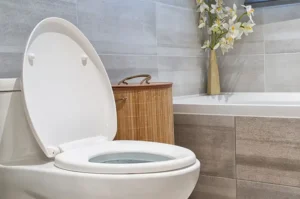
A clogged toilet is one of the most stressful household problems. When the plunger isn’t working, it’s tempting to reach for whatever drain cleaner is under the sink and pour it in. It makes sense in theory that a drain cleaner unclogs drains, a toilet is a drain. But the logic breaks down fast once you understand what these chemicals actually do inside a toilet.
So, can you put drain cleaner in a toilet? Technically you can, but you really shouldn’t. Most chemical drain cleaners can damage your toilet, crack the porcelain, and create dangerous chemical reactions without actually fixing the clog. This guide explains why, and what to do instead.
Can You Use Drain Cleaner in a Toilet?
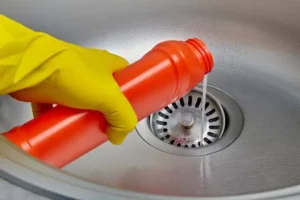
Let’s be direct. Most standard drain cleaners products like Drano or Liquid-Plumr are not designed for toilets. Their labels say this explicitly. Can I use drain cleaner in a toilet? The answer from every major manufacturer is no.
Here’s why this matters: drain cleaners are formulated for sinks, tubs, and shower drains. Those drains deal primarily with hair, soap, and grease. A toilet clog is almost always caused by something completely different: waste, toilet paper, or a non-flushable item that went down accidentally.
Chemical drain cleaner for toilet use is a mismatch from the start. The chemistry isn’t designed for the type of material causing the blockage. And the toilet’s structure, specifically its porcelain bowl and wax seal, is vulnerable to the heat and caustic reactions these chemicals generate.
There is one narrow exception: Drano makes a product called Drano Max Build-Up Remover, which uses enzymes rather than harsh chemicals and is labeled safe for toilets. But this is for slow drains from buildup not for a fully blocked toilet.
Why Drain Cleaners and Toilets Don’t Mix
There are three core reasons drain cleaners are a bad idea in toilets.
1. The Chemistry Creates Dangerous Heat
Most household drain cleaners contain sodium hydroxide (lye). When sodium hydroxide contacts water, it generates heat, sometimes significant heat. In a sink, that heat disperses quickly through the drain system.
In a toilet, the situation is different. The bowl holds standing water. The heat concentrates inside the porcelain bowl. Porcelain is ceramic; it doesn’t handle sudden, intense heat changes well. That thermal shock can cause the bowl to crack. Replacing a toilet costs $300 to $600 or more, plus labor.
2. The Chemicals Don’t Reach the Clog
Toilet traps and drain lines are designed differently from sink drains. The water in the bowl sits in a trap, a curved section of pipe that holds water to block sewer gases. When you pour chemical drain cleaner for toilet use into the bowl, the chemicals dilute heavily in that standing water before they ever reach the actual clog.
By the time the solution reaches the blockage, it’s too diluted to work effectively. You’ve used harsh chemicals, created heat and fumes, and the clog is still there.
3. It Can Make the Problem Worse
If the clog doesn’t clear, you now have a toilet full of highly caustic chemical solution. You can’t plunge it; the splash risk is serious and dangerous. You can’t flush it, it may overflow. And you can’t easily call a plumber because they’ll need to neutralize or remove the chemical before they can safely work.
Can I put drain cleaner in toilet situations? You’ve just made a simple clog into a complex, potentially expensive problem.
Drain Cleaners Are Inherently Dangerous
Even when used correctly in sinks, drain cleaners demand respect. In a toilet, the risks multiply.
Fumes. Sodium hydroxide and the heat it generates release caustic fumes. In an open, ventilated kitchen, this is manageable. In a small bathroom, fumes concentrate quickly and can cause respiratory irritation, eye watering, and throat burning.
Splash risk. A toilet bowl is at knee height. If any chemical splashes back whether from pouring or from agitation it contacts skin, clothing, or eyes at a close range. Sodium hydroxide causes chemical burns on contact.
Mixing with toilet bowl cleaner. Many households have chlorine-based toilet bowl cleaners already in the tank or recently used in the bowl. Mixing sodium hydroxide-based drain cleaner with chlorine compounds creates chlorine gas, a toxic substance that causes serious respiratory damage even in small quantities.
Never mix drain cleaners. If you’ve already poured one product and it didn’t work, don’t add a second. The combination of two different drain cleaning chemicals whether both alkaline, or one alkaline and one acidic can cause violent reactions, extreme heat, and dangerous gas release.
You can read about: Is Drain Cleaner Acidic or Basic
The Health and Environmental Risks
Is drain cleaner safe for toilets from an environmental standpoint? No and this matters beyond just your home.
Sodium hydroxide and sulfuric acid don’t just disappear when they go down the drain. In municipal sewer systems, these chemicals can disrupt the biological treatment processes at wastewater plants. Beneficial bacteria that break down waste are killed by highly alkaline or highly acidic solutions.
For homes on septic systems, this is an even bigger concern. Drain cleaners destroy the bacterial culture inside a septic tank. Without those bacteria, solid waste stops breaking down. The result is a septic system failure, an expensive and unpleasant problem that costs $3,000 to $10,000 or more to repair or replace.
From a health perspective: poison control centers receive thousands of calls every year related to drain cleaner exposure. Children and pets are especially at risk in homes where these products are stored under sinks near toilets.
How Should You Solve Your Toilet Clog?
If the drain cleaner is off the table, what actually works? Here’s the right approach, in order of what to try first.
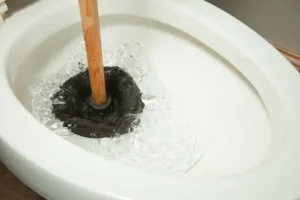
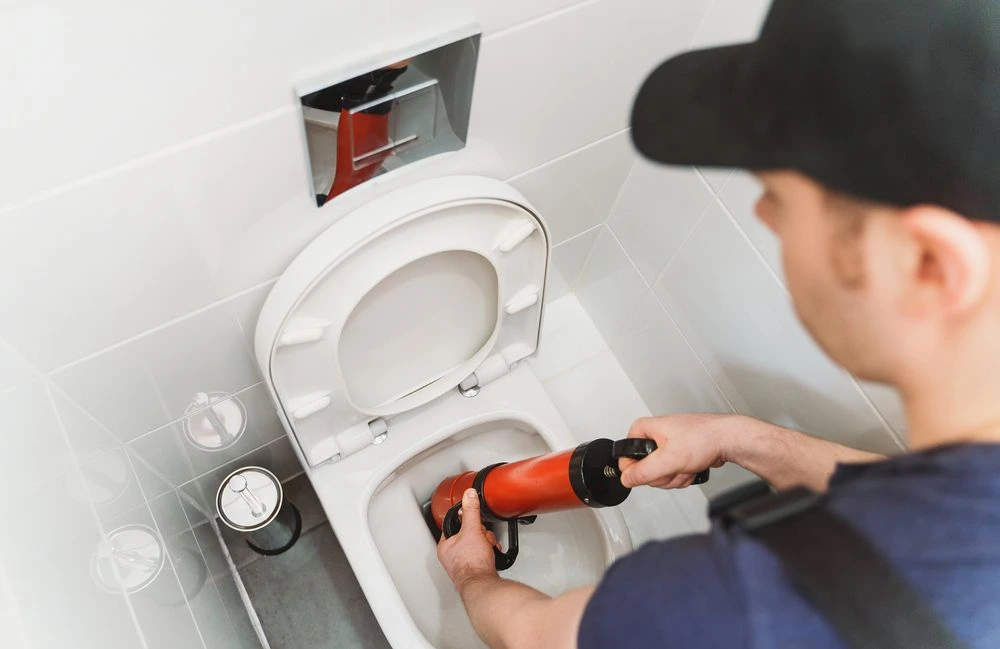
Step 1: The right plunger. Most people use a cup plunger, the flat, dome-shaped kind. That’s designed for sinks. For toilets, you need a flange plunger, which has an extended rubber lip that fits into the toilet drain opening. The seal it creates is far more effective.
Use firm, steady strokes not frantic ones. Push down slowly, then pull up sharply. Repeat 10 to 15 times. The suction and pressure combination dislodges most simple clogs.
Step 2: Hot water and dish soap. Squirt a generous amount of grease-cutting dish soap into the bowl. Follow it with a pot of hot (not boiling) water poured from waist height. The soap lubricates the clog and the force of the water helps push it through. Wait 10 minutes and try flushing.
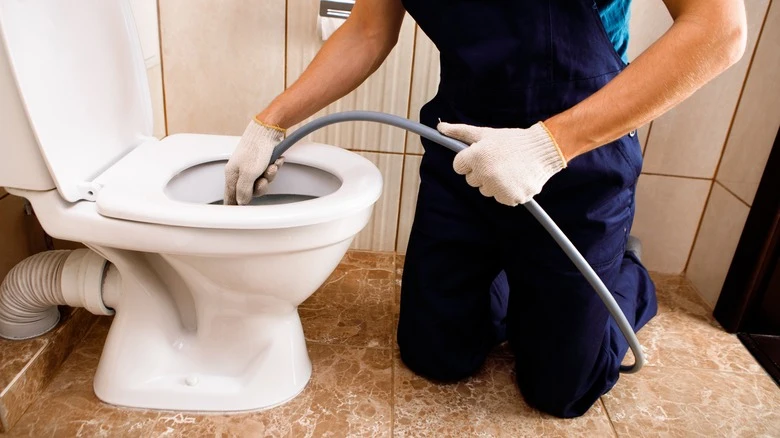
Step 3: Toilet auger (closet snake). A toilet auger is a specialized plumbing tool with a long, flexible cable and a protective rubber sleeve that prevents bowl scratching. Feed the cable into the drain opening and rotate the handle clockwise. The tip catches the blockage and either breaks it up or hooks it for removal.
A basic toilet auger costs $20 to $40 at any hardware store. It’s one of the most practical tools a homeowner can keep on hand.
Step 4: Call a plumber. If none of the above works, the blockage is likely deep in the drain line, caused by a non-flushable object, or related to a larger plumbing issue like a partial sewer line blockage.
Safer and Smarter Solutions for Clogged Toilets
Beyond the immediate fix, here are approaches that work safely for toilet drain cleaning:
Enzyme-based products. Unlike harsh chemical drain cleaners, enzyme cleaners use natural bacteria to digest organic waste. They’re slow; they work overnight, not in 15 minutes but they’re completely safe for porcelain, wax seals, pipes, and septic systems. Brands like Rid-X and Bio-Clean are designed for exactly this use case.
Baking soda and vinegar. Pour one cup of baking soda into the toilet bowl, followed by two cups of white vinegar. The fizzing reaction can help loosen minor buildup. Let it sit for 30 minutes before flushing. This won’t work on a full blockage but is useful for slow-flushing toilets with partial buildup.
Wet/dry vacuum. If you can see a foreign object near the drain opening, a wet/dry vac can sometimes suction it out. This only works when the obstruction is visible and accessible — not for deep clogs.
Professional hydro-jetting. A plumber with a hydro-jetting machine uses high-pressure water to blast through stubborn blockages in the drain line. It’s effective on grease buildup, mineral scale, and partial root intrusions. No chemicals, no pipe damage.
Tips for Preventing Future Toilet Clogs
Prevention is always cheaper than repair. Here’s what actually keeps toilets clear:
Flush only the right things. The only items that should go in a toilet are human waste and toilet paper. Nothing else, not “flushable” wipes, not paper towels, not cotton balls, not dental floss. “Flushable” wipes are a marketing term; they don’t break down the way toilet paper does and are a leading cause of drain blockages.
Use less toilet paper per flush. Thick, quilted toilet paper is more likely to clump and block narrow drain lines. If you have older plumbing or frequent clogs, switch to a thinner, more dissolvable paper.
Flush in stages. After using larger amounts of tissue, flush before finishing. Breaking it into two flushes reduces the volume of material going through at once.
Add a trash can near the toilet. People throw things in the toilet because there’s no alternative nearby. A small lidded trash can eliminates that habit.
Schedule annual drain inspections. A plumber can run a camera through your toilet drain line once a year to check for buildup, root intrusion, or pipe damage before it becomes a blockage.
Check the toilet flapper and flush valve. A weak flush caused by a worn flapper or low water level in the tank doesn’t generate enough force to push material through the drain. If your toilet flushes weakly, fix the flush mechanism. Weak flushes cause clogs.
What Happens If You Already Used a Drain Cleaner in Your Toilet?
If you’ve already poured a chemical drain cleaner into the bowl, here’s what to do:
Don’t add anything else. Don’t try another product. Don’t plunge, the splash hazard is real. Don’t flush repeatedly.
Open windows immediately. Ventilate the bathroom to reduce fume buildup.
Wait for the product to work or dissipate. Give it 30 minutes. If the toilet drains even partially, flush carefully with the lid down to minimize splash.
If it doesn’t drain, you need a plumber. Let them know what product you used and how much. They need to know what’s in the bowl before they start working.
If it overflows, don’t clean it up with your hands unprotected. Use rubber gloves rated for chemical use, and mop carefully. Rinse all contaminated surfaces with plenty of cold water.
Conclusion
Can you put drain cleaner in a toilet? Now you know the full picture. You can but the damage it can cause to your toilet, your pipes, your health, and your septic system makes it a risk not worth taking. Chemical drain cleaners simply aren’t designed for toilets, and the toilet’s structure isn’t built to handle them safely.
The right tools, a flange plunger, a toilet auger, and enzyme-based cleaners handle the vast majority of toilet clogs without any of those risks. When those don’t work, a licensed plumber is always the safer and smarter call.
If you’re in the Eagle Rock area and dealing with a stubborn clog or recurring toilet problems, Derks Plumbing is ready to help. Our Drain Cleaning Services in Eagle Rock cover everything from toilet auger service to full sewer line inspections and hydro-jetting. No chemicals, no guesswork, just a clean drain done right.

FAQs
Can you put a drain cleaner in the toilet?
You shouldn’t. Most drain cleaners are not designed for toilet use, can crack the porcelain bowl from heat, dilute before reaching the clog, and create dangerous fumes in a small bathroom. Use a flange plunger or toilet auger instead.
Is drain cleaner safe for toilets?
Standard chemical drain cleaners are not safe for regular toilet use. They can damage porcelain, harm wax seals, kill septic bacteria, and create hazardous conditions if the clog doesn’t clear. Enzyme-based cleaners are the only safe chemical option for toilets.
Can I use the drain cleaner in a toilet if it’s only partially clogged?
Still not recommended. Even on a partial clog, the chemicals dilute in the toilet’s standing water and rarely reach the blockage effectively. A plunger or auger will work better with zero risk of damage.
What drain cleaner is safe for toilets?
Enzyme-based drain maintenance products (like Rid-X or Drano Max Build-Up Remover) are the only chemical options appropriate for toilet drains. They work slowly and are safe for all pipe types and septic systems.
Can I put a drain cleaner in the toilet if I have a septic system?
No. Chemical drain cleaners destroy the beneficial bacteria inside a septic tank. Without those bacteria, the system fails. Never use chemical drain cleaners with a septic system enzyme products only.