
Can You Lay a Water Heater on Its Side?
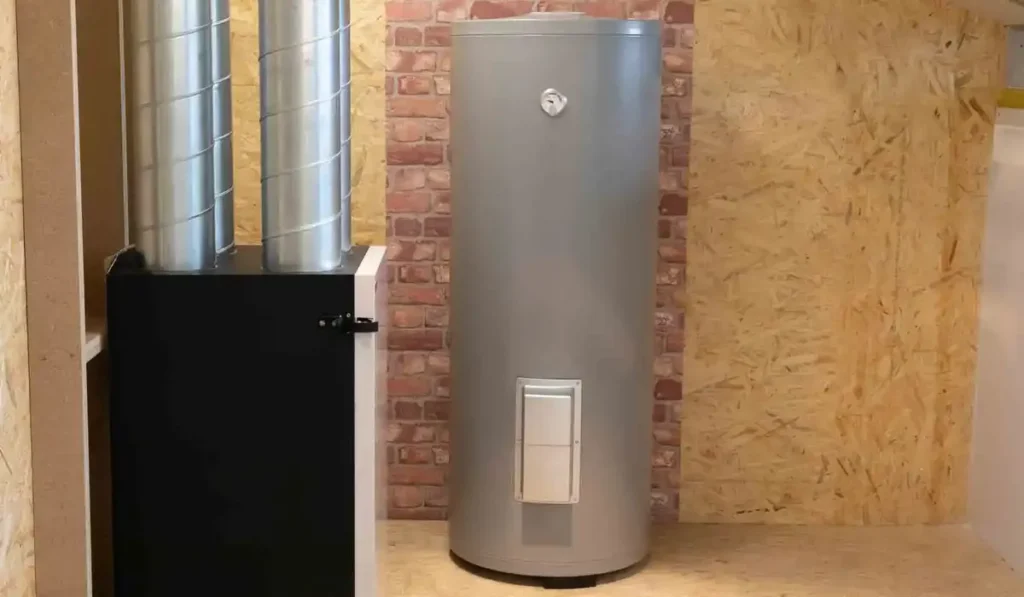
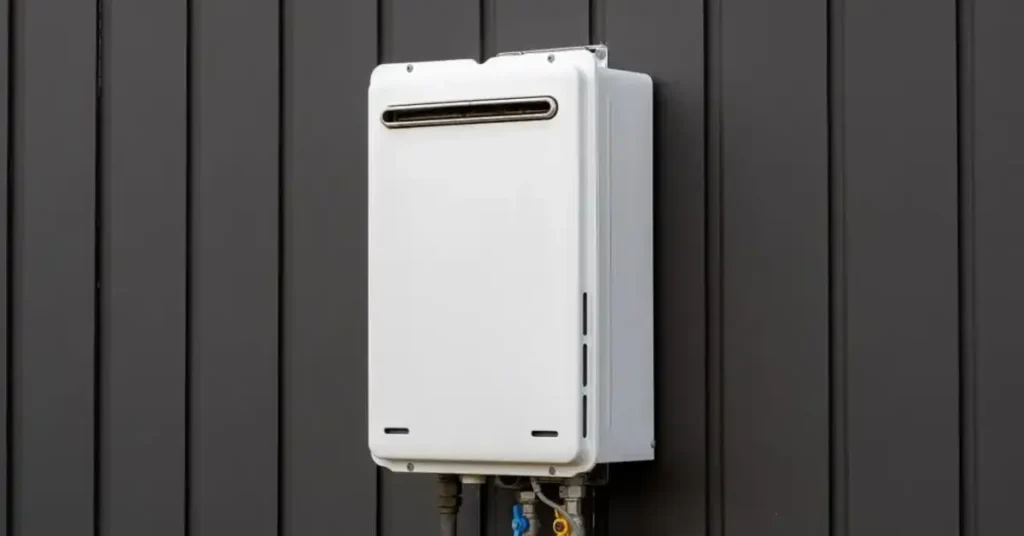
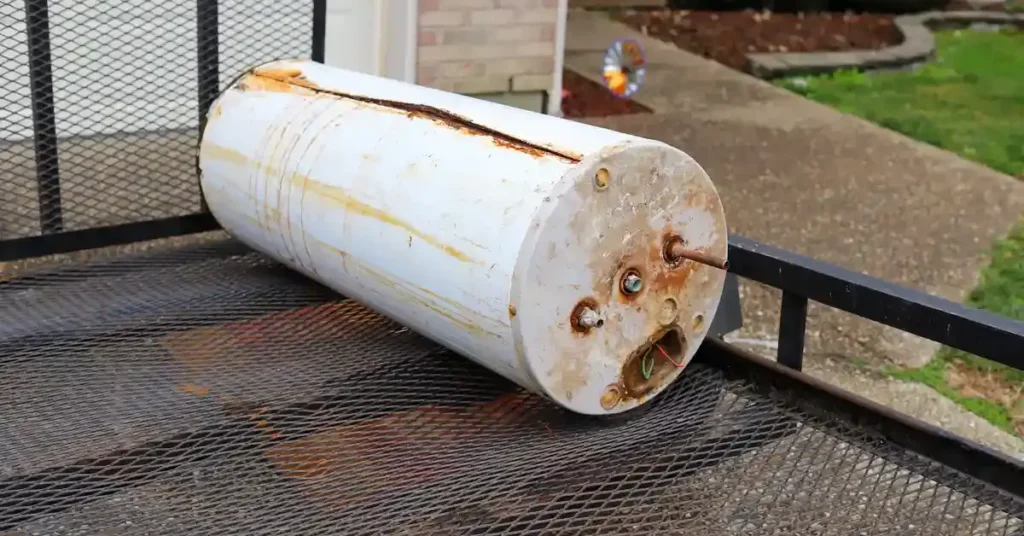
Can you lay a water heater on its side? Sometimes, but it depends on the specific model and the manufacturer’s transportation instructions. Some water heaters must remain upright, while others may allow horizontal transportation under certain conditions. Laying a unit down without checking these instructions can damage its connections, controls, or other components. If you’re moving a new water heater home or preparing to replace an old unit, check the manufacturer’s manual before loading it into your vehicle. The safest approach is to keep the heater upright whenever possible and avoid assuming that a unit can be transported horizontally just because it fits more easily. Why Does Laying a Water Heater on Its Side Matter? A water heater is designed to operate in a specific position. Although its outer casing may look sturdy, the components inside and around it can be vulnerable to impact, pressure, and improper handling. Here are some potential problems to consider before laying a water heater down. 1. Damage to Internal Components A traditional tank-style water heater contains a storage tank, insulation, heating components, and connections. Depending on the model, rough handling or an unsupported position may put stress on internal parts or mounting points. Electric water heaters contain heating elements and electrical connections. Gas models have their own burners, controls, and gas connections. These components must remain undamaged for safe operation. Horizontal transportation is not guaranteed to cause damage, but it should only be done when the manufacturer permits it. 2. Damage to Pipes and Connections Water heaters have inlet and outlet connections, drain fittings, and other parts that may extend beyond the outer casing. Placing the unit on an unsuitable surface can put pressure on these fittings. For example, if a water heater rests directly on its water connections, the weight of the appliance may damage them. Securing a unit too tightly with straps can also cause problems if the straps press against delicate components. Use the manufacturer’s recommended handling points and protect exposed fittings during transportation. 3. Damage to the Outer Casing A water heater can shift or roll when placed horizontally in a truck or van. If it is not secured properly, it may strike other cargo or the sides of the vehicle. Dents, damaged insulation, and bent fittings can make installation more difficult. Even when the outside looks fine, you should inspect the appliance for signs of impact before connecting it. Can You Lay a Hot Water Tank on Its Side for Transport? Traditional storage water heaters hold water inside an insulated tank. Whether a particular model can be transported horizontally depends on its construction and the manufacturer’s handling requirements. A common concern is that laying a water heater on its side will automatically damage the tank. That is not a universal rule. The more important questions are whether the manufacturer permits the position, whether the unit is properly supported, and whether transportation could damage its internal or external components. Consider these situations: A new, unused tank: Check the original packaging and model-specific instructions. Do not assume the unit is safe to lay down simply because it has not been installed. An installed water heater being replaced: The heater must be disconnected and drained according to the manufacturer’s instructions before removal. A plumber can help if the connections are difficult to access or the unit is heavy. An older water heater: Corrosion, worn connections, or existing damage may increase the risk of problems during moving. Inspect the unit carefully and avoid transporting it in a position that places pressure on its fittings. If the manual requires the tank to remain upright, do not lay it down for convenience. Can You Transport a Water Heater on Its Side if It Is Gas or Electric? Gas and electric water heaters have different operating components, but the fuel type alone does not tell you whether horizontal transportation is safe. Electric Water Heaters Electric models contain heating elements, wiring, thermostats, and electrical connections. Rough handling may damage these components or their mounting points. Before transporting an electric water heater, follow the model-specific instructions and protect its electrical connections. Once installed, the tank must be filled and properly purged of air according to the manufacturer’s instructions before the heating elements are energized. Operating an electric element without sufficient water can damage it. Gas Water Heaters Gas water heaters contain a burner assembly, gas controls, and related connections that require careful handling. Improper movement may damage or misalign components. Follow the manufacturer’s transportation requirements and protect the gas controls and fittings. After installation, gas connections and the appliance must be checked according to the manufacturer’s instructions and applicable safety requirements. Never attempt to operate a gas water heater if you suspect damage to its gas controls or connections. What About Tankless Water Heaters? Tankless water heaters are different from traditional storage models because they heat water as it flows through the unit rather than storing a large volume of hot water in a tank. However, this does not mean every tankless heater can automatically be transported on its side. These appliances contain heat exchangers, electronic controls, water connections, and, depending on the model, gas components. Some models may have specific transportation requirements that differ from those of storage water heaters. If you’re transporting a tankless water heater, check the manufacturer’s documentation for the approved orientation and handling method. Protect the connections and controls, and avoid using installation-position guidance as a substitute for transportation instructions. How to Transport a Water Heater Safely If your water heater’s manufacturer permits horizontal transportation, careful preparation can help reduce the risk of damage. Step 1: Check the Manual Find the exact model number and review the manufacturer’s transportation instructions. Confirm whether the unit can be placed horizontally and whether a particular side must face downward. Do not rely solely on advice for another model, even if it looks similar. Step 2: Prepare the Water Heater If the appliance has already been installed, it must be disconnected and prepared for removal. This