We are Available 24/7

Plumbing

Should You Have a Sewer Line Inspection Before Winter
Plumbing

Should You Have a Sewer Line Inspection Before Winter?

As winter approaches, homeowners often focus on preparing their homes for colder weather. While winterizing your windows, checking your heating systems, and clearing gutters are essential tasks, one vital area that often gets overlooked is your sewer line. Should you have a sewer line inspection before winter? Absolutely! Regular inspections can save you from costly repairs and prevent unpleasant surprises during the cold months. In this article, we’ll discuss why a sewer line inspection is a must before winter, what issues it can uncover, and how this proactive step can save you money and hassle. Reasons Why Should You Have a Sewer Line Inspection Before Winter? Winter brings freezing temperatures, which can exacerbate existing issues in your plumbing and sewer lines. A small crack or clog can turn into a major disaster when water freezes and expands, potentially leading to leaks, bursts, or complete blockages. A sewer line inspection can identify and address these problems before they escalate. Avoid Freezing Issues During winter, water inside compromised sewer pipes can freeze, causing expansion and damage. By inspecting your sewer line in the fall, plumbers can identify vulnerabilities such as cracks, leaks, or weakened joints and repair them before freezing temperatures arrive. Prevent Holiday Plumbing Disasters The winter season often coincides with increased household activity due to holidays. Hosting guests can put additional strain on your plumbing system. A pre-winter sewer line inspection ensures your plumbing can handle the extra usage without unexpected failures. Early Detection Saves Money Catching issues early can save you from expensive emergency repairs. Sewer line replacements or major repairs are far more costly than routine maintenance or minor fixes. Common Sewer Line Issues Detected During Inspections A sewer line inspection involves using specialized cameras and equipment to assess the condition of your sewer pipes. Here are some common issues that plumbers can detect When to Schedule a Sewer Line Inspection The best time to schedule your sewer line inspection is in the fall, well before freezing temperatures set in. Early inspections allow sufficient time for repairs and maintenance if needed. Homeowners in regions like Los Angeles benefit from milder winters, but that doesn’t mean sewer line maintenance should be ignored. If you’re located in the area, don’t forget to explore our Los Angeles Sewer Maintenance & Repair services for professional support. How a Sewer Line Inspection Works A professional plumber will typically use a video camera to inspect your sewer line. The process involves: This non-invasive approach is quick, efficient, and highly accurate in diagnosing sewer line problems. Benefits of Regular Sewer Line Inspections Extend Pipe Lifespan Routine inspections and maintenance can significantly extend the life of your sewer line. Small repairs and cleaning prevent issues from escalating into larger, costlier problems. Peace of Mind Knowing your sewer system is in good condition allows you to enjoy the winter months without worrying about unexpected plumbing disasters. Increase Property Value If you’re considering selling your home, a well-maintained sewer system can be a strong selling point. Potential buyers will appreciate the proactive care. Tips for Sewer Line Maintenance In addition to inspections, here are a few tips to keep your sewer system functioning optimally: Schedule Regular Cleanings: Professional drain cleaning can help remove build-up and maintain a smooth flow.Avoid Flushing Non-Decomposables: Items like wipes, feminine hygiene products, and paper towels can cause clogs.Dispose of Grease Properly: Grease can solidify in pipes, leading to blockages. Dispose of it in the trash instead of pouring it down the drain.Use Drain Strainers: Prevent debris like hair and food particles from entering your plumbing system. Why Choose Derks Plumbing for Sewer Line Inspections? Derks Plumbing is a trusted name for sewer maintenance and repairs in Los Angeles. With over 16 years of experience, we provide reliable, affordable, and professional plumbing services, including: Conclusion Should you have a sewer line inspection before winter? Without a doubt! Regular inspections are a proactive way to protect your home from costly plumbing emergencies during the colder months. By addressing potential issues like clogs, cracks, and tree root intrusion in advance, you can enjoy a stress-free winter season. Contact Derks Plumbing today to schedule your sewer line inspection and ensure your system is in top shape. Don’t wait until it’s too late—prepare your plumbing for winter now!

How to Unclog a Persistent Toilet Issue
Plumbing

How to Unclog a Persistent Toilet Issue

A clogged toilet is an inconvenience most homeowners face at some point, but a persistent clog can quickly escalate from frustrating to problematic. If you’re wondering how to unclog a persistent toilet issue, this comprehensive guide will help you tackle the problem effectively and prevent future occurrences. Persistent toilet clogs often arise from improper usage, underlying plumbing issues, or ageing systems. To address this plumbing challenge, let’s dive into the causes, solutions, and preventive measures. Understanding the Causes of Persistent Toilet Clogs Knowing how to unclog a persistent toilet issue starts with identifying the root cause. Here are the most common culprits: Effective Solutions to Unclog a Persistent Toilet Issue Addressing how to unclog a persistent toilet issue involves a combination of tried-and-true methods and professional interventions. Plunge It Right The plunger remains a household staple for clearing minor clogs. Use a flange plunger specifically designed for toilets to ensure a proper seal over the drain. Pump it vigorously several times to loosen the blockage. Deploy a Plumbing Snake For deeper clogs, a plumbing snake (or auger) can reach where a plunger can’t. Insert the snake into the toilet drain and carefully rotate it to break apart the clog. This tool is especially effective for stubborn blockages. Harness the Power of Hot Water and Soap If the clog isn’t too severe, pour a bucket of hot water (not boiling) mixed with a generous amount of dish soap into the toilet bowl. The soap helps lubricate the clog while the hot water softens and dislodges it. Try a Baking Soda and Vinegar Mix A natural and safe method for minor clogs involves baking soda and vinegar. Pour one cup of baking soda into the toilet, followed by one cup of vinegar. Let it fizz for about 30 minutes before flushing with hot water. Seek Professional Help Sometimes, DIY solutions aren’t enough. Persistent clogs could indicate more complex problems requiring professional equipment and expertise. Preventing Persistent Toilet Clogs While knowing how to unclog a persistent toilet issue is important, prevention is even better. Here’s how to reduce the likelihood of future clogs: When Should You Replace Your Toilet? Sometimes, persistent clogs may signal it’s time for a new toilet. Common signs include: For a seamless transition, consider professional toilet installation services. Experts ensure your new toilet is installed securely and functions optimally. Why Choose Derks Plumbing? At Derks Plumbing, we’re experts in handling even the toughest toilet problems. Whether you’re trying to figure out how to unclog a persistent toilet issue or need a new toilet installed, our team delivers top-notch service you can trust. We specialize in toilet installation Los Angeles services and offer comprehensive plumbing solutions for residential and commercial properties. With affordable pricing and unmatched expertise, Derks Plumbing is your go-to choice for all your plumbing needs. Contact us today for a reliable, stress-free solution. Conclusion Dealing with how to unclog a persistent toilet issue can be frustrating experience. Still, with the right approach and tools, you can effectively resolve the problem and prevent it from recurring. While DIY methods like plunging and using a plumbing snake can often help, persistent clogs may indicate deeper plumbing issues that require professional attention.

Illustration of what is the best liquid drain cleaner being poured into a sink to resolve a clog effectively.
Plumbing

What is the Best Liquid Drain Cleaner?

What is the Best Liquid Drain Cleaner? Blocked drains are a common problem in many homes, and when water starts to pool in sinks, showers, or bathtubs, it’s easy to feel anxious. You might ask, “What is the Best Liquid Drain Cleaner?” The solution relies on how severe the blockage is, the kind of pipes in place, and your environmental considerations. In this article, we will examine different liquid drain cleaners, highlight their advantages and disadvantages, and provide guidance on the optimal choice for keeping drains clear and healthy. At Derks Plumbing, we understand the importance of maintaining clean and clear drains, so let’s dive in and find the best solution for you! Understanding Drain Cleaners Liquid drain cleaners are chemical formulations created to dissolve or collapse blockages in plumbing. They are frequently utilized for unblocking drains and reinstating the finest flow. Several house owners choose them because of their simplicity of operation. Instead of contacting a plumber right away, without a doubt, pour the solution into the drain, permit it to take impact, and then rinse with water. Even though while inquiring, “What is the best liquid drain cleaner?” There are a couple of elements to don’t forget. The form of obstruction you’re dealing with, your plumbing system, and the materials inside the cleaner are all crucial. Certain drain cleaners contain strong chemicals, while others are designed to be more environmentally friendly and gentle to your plumbing. Chemical vs. Eco-Friendly Liquid Drain Cleaners When considering “What is the best liquid drain cleaner?” One of the initial aspects you’ll face is deciding between a chemical-based option or an environmentally friendly product. Each has its advantages, yet they fulfil distinct roles. Chemical drain cleaners, which include Drano Max Gel or Liquid-Plumr, are identified for their powerful, short-performing formulas. These gadgets can decompose grease, hair, soap residue, and diverse materials that result in blockages. However, they frequently include corrosive substances like sodium hydroxide or sulfuric acid, which can damage your plumbing over time and may pose handling risks. Conversely, environmentally safe liquid drain cleaners such as Green Gobbler and Bio-Clean are more secure choices that utilize enzymes or natural components to decompose organic matter. Although they might require more time to function than their chemical equivalents, they are more considerate of your plumbing and the ecosystem. These items are frequently biodegradable and safe for health, making them an excellent option for eco-minded homeowners. For more severe or persistent clogs, chemical cleaners may be quicker, but for routine upkeep and a milder method, eco-friendly cleaners tend to be the optimal choice. No matter which type you select, always ensure you read the instructions on the label and use the product properly to prevent harm to your pipes. What is the Best Liquid Drain Cleaner for Tough Clogs? When encountering a difficult clog, numerous individuals wonder, “What is the best liquid drain cleaner for significant obstructions?” This is where items such as Drano Max Gel and Liquid-Plumr are utilized. These powerful cleaners are intended for tough blockages. They function by dissolving grease, hair, soap residue, and various debris that could be blocking your pipes. For an especially tough blockage, think about utilizing a gel-type cleaner instead of a liquid. Gel cleaners usually adhere to the blockage for extended durations, enabling them to function more effectively. They work particularly well for sluggish drains that have gathered debris over time. Allowing these products sufficient time to dissolve the debris could enable you to remove the blockage without having to contact a plumber. Although these products are efficient, it’s crucial to apply them in moderation. Excessive use of chemical drain cleaners may cause pipe deterioration or harm, particularly in ageing plumbing systems. Moreover, they can lead to ecological damage if not discarded appropriately. Always review the label for safe disposal guidelines and refrain from overuse. What is the Best Liquid Drain Cleaner for Maintenance? If you seek a drain cleaner to upkeep your drains and avert future clogs, eco-friendly alternatives such as Green Gobbler or Bio-Clean are outstanding selections. These products contain natural bacteria or enzymes designed to decompose organic matter, thus stopping the accumulation of clogs. They operate at a slow pace, making them safer for your plumbing and the environment. For routine use, a natural drain cleaner can assist in maintaining your pipes in excellent shape without endangering your plumbing system. Utilizing them monthly can help maintain clear drains and lower the chances of facing bigger blockages later on. If you are managing especially tough water or mineral deposits, certain products have unique formulas to tackle these problems. Environmentally friendly liquid drain cleaners are also a great option for homes with septic systems. In contrast to chemical cleaners, these items are safe for septic systems and will not interfere with the natural bacteria essential for the system’s efficient operation. The Risks of Using Liquid Drain Cleaners Although liquid drain cleaners can offer a fast solution, it’s crucial to recognize the dangers linked to regular usage. Many chemical drain cleaners are corrosive and may harm pipes, particularly older ones or those constructed from plastic. Extended contact with aggressive chemicals can cause corrosion and fissures, leading to leaks or even ruptures in the plumbing system. Moreover, liquid drain cleaners can harm the environment if they are not discarded correctly. Regular use of chemical cleaners could also result in clogs worsening as time goes on. Overusing drain cleaners might conceal a deeper plumbing issue that needs expert help. If your drains keep getting blocked even after using cleaners, it may be time to seek advice from a plumber. If you require additional assistance with removing persistent blockages or wish to guarantee the lasting well-being of your plumbing system, think about contacting a professional plumber. At Derks Plumbing, we focus on professional drain cleaning in Los Angeles to deliver comprehensive and enduring solutions. How to Maintain Healthy Drains To avoid clogs and the desire for frequent liquid drain cleaner use, it’s vital to preserve your drains. Here are

how long does a tankless water heater lasts
Plumbing

How Long Does a Tankless Water Heater Last?

If you’re thinking about upgrading your private home’s water heater system, you would perhaps have asked yourself, “How long does a tankless water heater last?” The answer to this question is a significant detail when settling on regular water radiators and their tankless choices. Regularly, tankless water heaters have a life expectancy of 20 to 25 years, which is prominently longer than traditional capacity tank water heaters, for the most part enduring a cycle of 10 to 15 years. To expand the life expectancy of your tankless water heater, it means a lot to make specific safeguarding, setup, and utilization. In this article, we’re ready to test the strength of tankless water heaters, the components that influence their life expectancy, and the rules for maintaining your device’s performance as the year progresses. The Lifespan of Tankless Water Heaters The everyday lifespan of a tankless water heater ranges from 20 to 25 years, which makes it an amazing long-term investment. In contrast to standard tank water heaters that hold water stored and constantly heated, tankless versions heat water completely while required. This on-demand characteristic minimizes wear and tear, leading to a longer lifespan. In case you’re thinking, “How long does a tankless water heater last as opposed to a conventional one?” The distinction is clear. Tankless structures commonly have a lifespan that’s almost double, providing a long time of dependable hot water when nicely maintained. Factors Influencing the Lifespan of Tankless Water Heaters No doubt tankless water heaters are designed for durability; their lifespan is based on multiple elements. Let’s take a look at more closely the factors that affect how long your tankless water heater lasts: Water Quality The quality of the water in your home can directly affect the durability of your tankless water heater. Hard water, characterized by using expanded amounts of calcium and magnesium, may cause mineral accumulation within the system. With time, this diminishes efficiency and adds additional strain on the heat exchanger. Frequency of Use The frequency with which your family makes use of hot water also affects the system’s longevity. Dwellings with high demand, like the ones desirable for huge families or featuring several bathrooms, would possibly go through increased put and tear. However, tankless systems are built to control high usage more efficiently than conventional water heaters.With regular protection, even all through common use, you can help a tankless water heater’s lifespan stay closer to its maximum expected length. Proper Installation An inadequately installed tankless water heater may bring about decreased efficiency and early deterioration. Correct installation guarantees that the system operates at its best performance and endures for as long as it can.At Derks Plumbing, we provide expert installation services to ensure you get the most out of your system and answer your question, “How long does a tankless water heater last?” Routine Maintenance Consistent maintenance is a key factor in assessing the longevity of a tankless water heater. Yearly maintenance activities like flushing the system, cleaning filters, and checking components can stop minor issues from escalating into significant problems. Brand and Model Quality Not every tankless water heater is made the same; that’s why the question arises, “How long does a tankless water heater last”. Models from trusted brands that are of high quality generally endure longer and function more dependably than lower-cost, less efficient options.Putting money into a premium system might raise initial expenses, but it can greatly improve the lifespan of your tankless water heater, ultimately saving you money over time. Signs Your Tankless Water Heater May Need Replacement Despite receiving appropriate maintenance, a water heater cannot endure indefinitely. Here are several indications that it might be necessary to change your system: Inconsistent Water Temperature: If your water heater has difficulty keeping a consistent temperature, it may suggest that parts are worn out. Increasing Energy Costs: Decreased efficiency could indicate the system is exerting extra effort to heat water. Regular Repairs: If you find yourself contacting a plumber frequently, it could be more economical to replace the unit. Ongoing Mineral Accumulation:  If descaling fails to enhance performance, the heat exchanger might be excessively damaged. How to Maximize the Lifespan of Your Tankless Water Heater To ensure how long your tankless water heater lasts closer to 25 years, follow these tips: Routine Flushing Mineral accumulation can damage the heat exchanger and decrease efficiency. Performing an annual flush of the system aids in eliminating these deposits and ensures the unit operates efficiently. Clean or Substitute Filters Contaminated filters limit water flow and make the system exert more effort. Regularly inspect and clean filters to ensure peak performance. Supervise Water Standards Setting up a water softener or pre-filter can lessen the impact of hard water, decreasing scale formation and extending the lifespan of your water heater. Arrange Expert Evaluations Yearly check-ups by certified plumbers can detect and resolve possible concerns before they escalate into significant issues. At Derks Plumbing, we provide extensive maintenance programs to ensure your system remains in excellent condition. Benefits of Tankless Water Heaters Tankless water heaters are not just durable, but they also provide numerous benefits: Energy Efficiency: By heating water solely as required, tankless systems minimize energy loss, decreasing your utility expenses. Space-Efficient Design: Their small dimensions make them perfect for residences with restricted space. Endless Hot Water:  Relish in an uninterrupted flow of hot water without the concern of depletion. If you’re still wondering, “How long does a tankless water heater last, and is it worth it?” The longevity and efficiency of these units make them a valuable choice. Why Choose Derks Plumbing for Your Tankless Water Heater Needs? For installing, servicing, or changing tankless water heaters, Derks Plumbing is the reliable name you can count on. With extensive experience and a dedication to client satisfaction, we guarantee you maximize your system’s potential. Why Select Us? Professional Installation: Correct installation is essential for determining how long your tankless water heater lasts. Maintenance Plans: Our expert services encompass routine flushing, evaluations, and fixes. Client-Focused Strategy: We customize our offerings to

Electric vs gas tankless water heater
Plumbing

Electric vs Gas Tankless Water Heater Which One Is Best For You

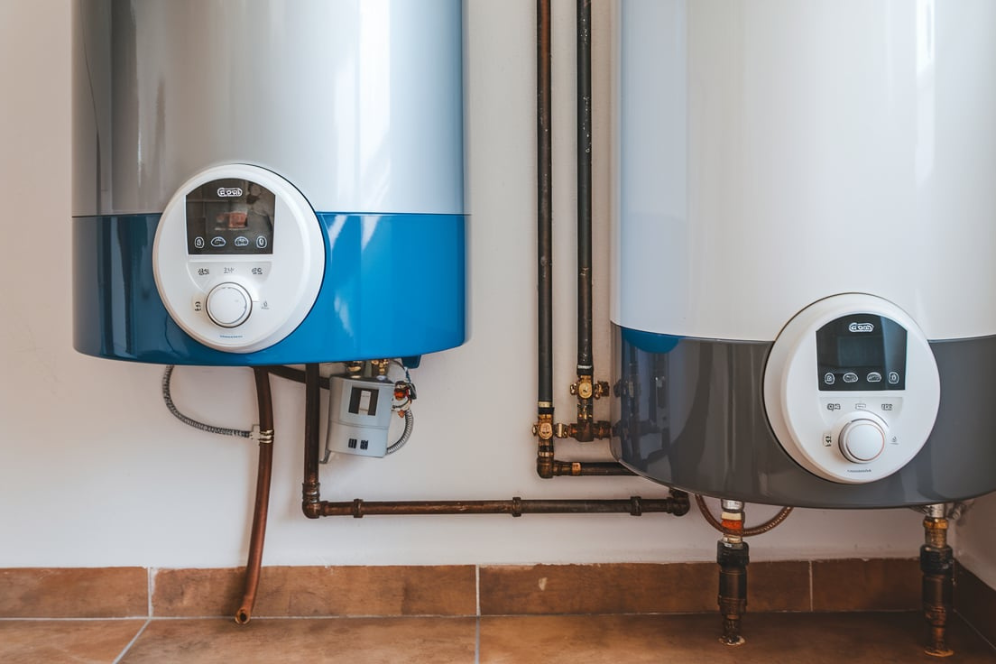
Wondering about electric vs gas tankless water heater? When choosing between an electric and gas tankless water heater, the decision hinges on energy efficiency, installation requirements, operating costs, and your home’s existing infrastructure. Electric models are generally easier to install and more energy-efficient in mild climates, while gas units excel in delivering higher flow rates for larger households. This guide will unpack every detail you need to make an informed choice, from upfront costs to long-term environmental impact. What Are Tankless Water Heaters? Tankless water heaters, also called “on-demand” systems, heat water directly without storing it in a tank. When you turn on the hot water tap, cold water travels through a heat exchanger, where it’s instantly warmed by either an electric element or gas burner. How Tankless Systems Work Electric models use coiled heating elements similar to those in kettles, while gas units ignite a burner to create heat. Gas systems require venting to expel combustion gases, whereas electric models don’t. For detailed guide about how tankless water heater work read our blog. Electric vs Gas Tankless Water Heaters: Key Differences 1. Energy Efficiency Electric tankless heaters convert 98–99% of energy into heat, compared to 80–85% for gas models. However, gas units often cost less to operate in regions with low natural gas prices. Example:A household using 40 gallons of hot water daily pays $150/year for electric vs $115 for gas in areas with $0.12/kWh electricity and $1.20/therm gas. 2. Flow Rate and Performance Gas models outperform electric ones in simultaneous use cases: Gas: 5–7 gallons per minute (GPM) Electric: 2–5 GPM A gas unit can handle a shower and dishwasher running together, while an electric system may struggle. 3. Installation Complexity Factor Electric Gas Venting Required No Yes Electrical Upgrade 240V N/A Gas Line Requirement No Yes   Electric models cost $500–$1,500 to install vs $1,200–$3,000 for gas. Cost of Electric vs Gas Water Heaters Upfront Costs Electric: $500–$1,200 Gas: $800–$1,800 Operating Costs (Annual) Region Electric Gas Northeast U.S. $220 $160 Southern U.S. $180 $135   Environmental Impact Electric models produce zero direct emissions, making them cleaner in areas with renewable energy grids. Gas units emit 45–55 kg of CO₂ annually for an average household. Choosing Between Gas or Electric Water Heaters Best For Electric: Small households (1–3 people) Mild climates Homes without gas lines Best For Gas: Large families Cold climates Existing gas infrastructure Not sure what size unit fits your needs? Check out our detailed guide on what size of tankless water heater do I need to make the right choice for your home. Wondering about the lifespan of your unit? Learn more in our full guide on how long does a tankless water heater last and find out when it might be time for a replacement. Expert Tankless Water Heater Installation in Los Angeles Ready to upgrade your home’s hot water system? Whether you’re leaning toward an electric or gas tankless water heater, our local team specializes in seamless, code-compliant installations to Los Angeles homes. Derks Plumbing handle everything from helping you choose the right model to professional setup and maintenance so you enjoy endless hot water with zero hassle. Trust our experienced technicians for reliable Tankless Water Heater Installation & Repair and experience the comfort and efficiency you deserve. Contact us today to schedule your service! Conclusion Gas or Electric water heater? For most households, gas tankless water heaters provide better performance for multi-fixture use, while electric models shine in efficiency and ease of installation. Consider your local energy costs, climate, and usage patterns before deciding. Newer hybrid systems combining both energy sources are also emerging as versatile options. FAQs Do tankless water heaters use gas or electricity? Both types exist! Electric models use heating coils, while gas units burn natural gas or propane. Are all tankless water heaters gas? No 33% of U.S. tankless installations are electric, particularly in warmer states. Will switching to a tankless water heater reduce my utility bills? Most homeowners see noticeable savings over time due to higher energy efficiency, especially if you have a household with moderate to low hot water demand. Are there any drawbacks to tankless water heaters? The main drawbacks are higher upfront costs and potential installation complexity, especially for gas units needing venting and gas line upgrades. Also, electric models may struggle with high simultaneous demand. What is the cold water sandwich effect in tankless water heaters? It’s a brief burst of cold water that can occur between hot water uses. Some premium models include buffer tanks or recirculation pumps to eliminate this effect.

role of clean out in plumbing system
Plumbing

Role of Clean Out in Plumbing System

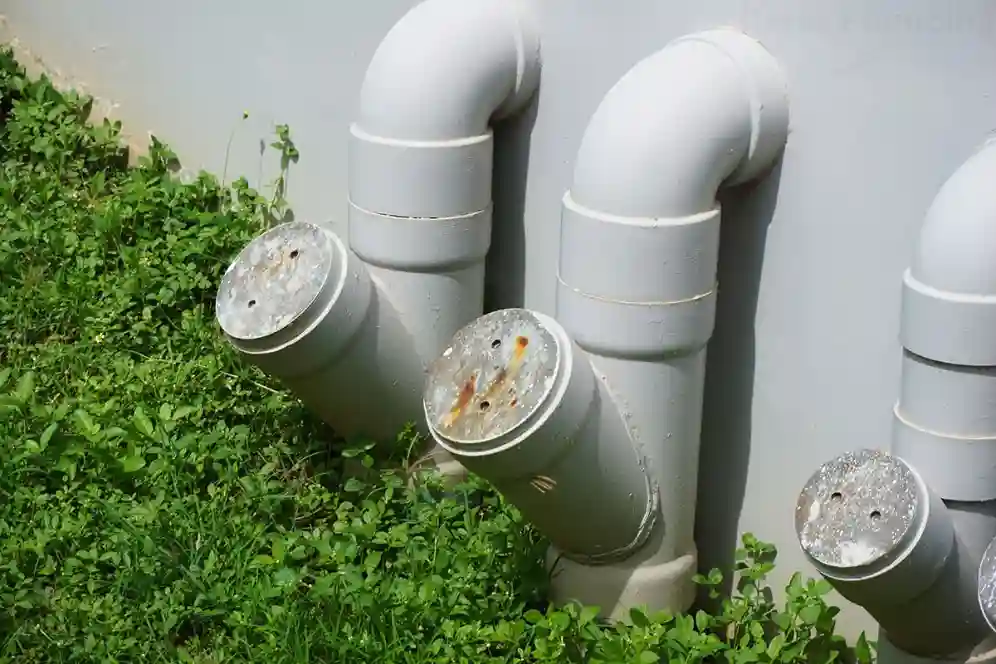
Role of Clean Out in Plumbing System The role of cleanout may not be the most crucial thing in your property; in any case, it means quite a bit to the proper activity of your pipe framework. The role of clean out in plumbing systems is fundamental, whether you are managing obstructions, performing routine redesign, or deflecting significant pipe issues. In this blog, we will concentrate on what cleanouts are, the reason they’re significant, where they’re found, how to hold them, and the manner in which they monitor the honesty of your plumbing system. What Is a Clean Out in Plumbing? A plumbing cleanout is a sealed pipe that allows entry into your plumbing system for cleaning, examinations, and maintenance. connected to your house’s primary sewer line or different important pipelines, cleanouts enable plumbers to reach and remedy problems without requiring great excavation or disassembly of pipes.The reason for the role of clean out in plumbing systems is especially to aid in maintenance and problem-solving, thereby saving time, lowering prices, and minimizing harm to your property. Why Is a Clean Out Important? Ensures Proper Maintenance A primary role of clean out in plumbing systems is to facilitate convenient access for maintenance. As time passes, waste, grease, and buildup can gather in your pipes, causing blockages that interfere with your plumbing system. Cleanouts provide a straightforward access point for plumbers to clear these clogs effectively.For those who own homes, this indicates: Prevents Plumbing Emergencies Plumbing emergencies frequently arise when small problems go undetected and develop into larger issues. Cleanouts assist in detecting and resolving potential issues early, averting expensive and disruptive emergencies like sewage backups or fractured pipes. Simplifies Inspections The role of clean out in plumbing systems also involves making inspections easier. When plumbers evaluate the condition of your pipes, cleanouts enable them to utilize tools such as sewer cameras to accurately identify the precise location and type of problems.This accuracy minimizes uncertainty and guarantees precise, effective repairs. How Does a Plumbing Cleanout Work? A cleanout offers direct entry to your pipes, enabling plumbers to resolve problems without taking apart extensive parts of the plumbing system. Here’s the way it functions: Access Point: The cleanout acts as an entry point into the plumbing system.Examination: Plumbers have the skills to utilize cameras or other diagnostic equipment to assess the state of the pipes.Cleaning: Plumbers can eliminate debris, grease, or other blockages using tools such as drain snakes or hydro jets.Repairs: When a repair is necessary, the cleanout enables plumbers to quickly pinpoint and tackle the problematic area. The cleanout accelerates these processes and reduces invasiveness, emphasizing its vital role of clean out in plumbing systems. Where Are Clean Outs Located? The positioning of cleanouts is planned to enhance their effectiveness. Exterior Cleanouts Exterior cleanouts are usually placed outside the house, close to the foundation. These cleanouts link to the primary sewer line and allow access to resolve major plumbing problems. Interior Cleanouts Positioned within bathrooms, kitchens, or laundry areas, interior cleanouts are compact and meant to address blockages in branch lines. Roof Cleanouts In some homes, roof cleanouts are installed as an alternative access point for plumbing maintenance. These are connected to the venting system and can be used when other cleanouts are not easily accessible. Benefits of Plumbing Clean-Outs Cost Efficiency The role of clean out in plumbing system also contributes to saving costs for homeowners. Cleanouts simplify maintenance access, removing the necessity for expensive and disruptive methods such as excavation. Improved System Longevity Consistent cleaning and examination via cleanouts can greatly prolong the longevity of your plumbing system by avoiding blockages and minimizing damage. Enhanced Safety Obstructed sewer pipes can result in dangerous situations, such as sewage overflow and unpleasant smells. Cleanouts ensure proper drainage, contributing to a safe and hygienic environment. Maintenance Tips for Clean-Outs Maintaining your plumbing systems in proper condition is vital for the overall well-being of your plumbing system. Regular Inspections Regularly inspect your cleanouts to confirm the caps are secure and that there are no indications of damage. A broken or absent cap can permit debris to infiltrate the system, leading to obstructions. Professional Maintenance Arrange yearly maintenance with a qualified plumber. This guarantees that your cleanouts and plumbing system are unobstructed and functioning effectively. Prevent Clogs Avoid flushing non-biodegradable items like wipes, feminine hygiene products, or paper towels. These items can cause clogs that even cleanouts might struggle to resolve. Common Issues Related to Clean-Outs Although cleanouts are very efficient, they are not free from issues. Damaged Caps An absent or broken cap can let dirt or insects infiltrate the system, resulting in blockages or contamination. Hidden or Inaccessible Cleanouts Certain older houses might lack cleanouts placed in easily reachable spots, which can complicate maintenance. Blocked Cleanouts In some instances, the cleanout may get blocked, necessitating expert help to resolve. Why Choose Derks Plumbing for Cleanout Services? At Derks Plumbing, we recognize the essential part of the role of clean out in plumbing systems. Our team of certified plumbers focuses on cleanout services, guaranteeing your system operates smoothly and effectively. What Sets Us Apart? Specialized Expertise: Our plumbers are skilled in managing all varieties of cleanout setups and upkeep.Modern Equipment: We utilize state-of-the-art technology to examine and care for your plumbing system.Customer-focused Method: Your contentment is our main goal, and we strive to offer dependable, cost-effective solutions. Whether you require regular maintenance, a cleanout installation, or urgent plumbing services, Derks Plumbing is ready to assist. Conclusion The role of clean out in plumbing systems is critical for keeping up with the productivity and steadfastness of your confidential home’s pipes. Cleanouts are basic for guaranteeing your lines stay clear and your plumbing system works effectively, aiding reviews, and taking off outrageous plumbing issues. In case you’re facing a plumbing problem or require assistance along with your cleanouts, rely upon Derks Plumbing. Our professional team is ready to offer professional solutions customized to your requirements. Reach out to us today and allow us to hold your plumbing

Wondering "Why is my toilet not flushing?" Discover common causes, DIY fixes, and expert solutions. Contact Derks Plumbing for reliable toilet repair services in Los Angeles.
Plumbing

Why Is My Toilet Not Flushing? Simple Proven Fixes

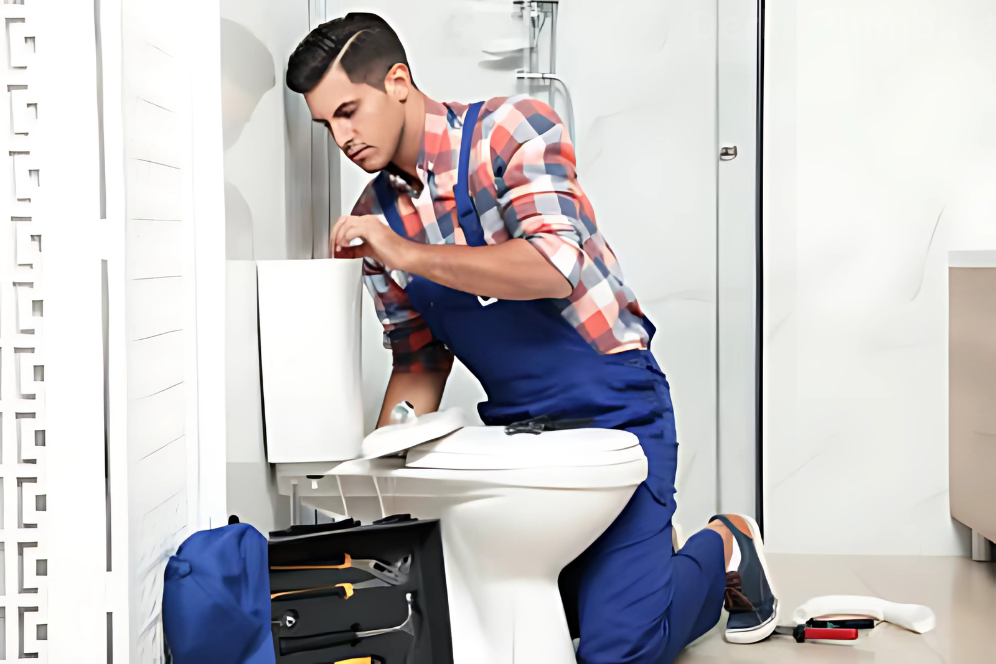
It’s a situation we’ve all encountered at some point, you go to flush the toilet, and it doesn’t work. Panic sets in, frustration builds up, and the question arises: “Why is my toilet not flushing?” It can be an inconvenience at the best of times and a nightmare at others. Whether it’s a slow flush, a partial flush, or the dreaded complete lack of flushing, understanding what’s going on inside the toilet tank is the first step toward solving the issue. I’ve had my fair share of plumbing mishaps over the years, and I’m here to break it down for you with a clear and simple guide. Common Causes for a Toilet That Won’t Flush Toilets are deceptively simple machines, but sometimes things just go wrong. When your toilet refuses to flush properly, the issue usually stems from one of these common causes. 1. Clogged Toilet Bowl One of the most common reasons for a toilet not flushing is a simple clog. If you’ve recently used a large amount of toilet paper or flushed something that shouldn’t be flushed, like wipes or sanitary products, you could have a blockage. Even though many things are labeled “flushable,” they can cause a backup. How to fix it:Grab a plunger, and give it a few firm pumps. If the clog doesn’t clear up, try a toilet auger for a deeper reach. In severe cases, you may need to call a plumber. 2. Low Water Level in the Tank If the water level in your toilet tank is too low, the flush will lack the necessary force to push everything through the pipes. This issue often arises if the water supply valve isn’t fully open or if there’s an issue with the fill valve inside the tank. How to fix it:Take the lid off the tank and check the water level. It should be about an inch below the top of the overflow tube. If it’s too low, you may need to adjust the fill valve to ensure enough water enters the tank. 3. Malfunctioning Flush Valve A faulty flush valve can prevent water from entering the toilet bowl when you press the flush lever. Over time, the rubber flapper that seals the flush valve may wear out, become misaligned, or get dirty. When this happens, the water won’t fully flow into the bowl, and your flush won’t have enough power. How to fix it:Examine the flush valve for any damage or debris. If the flapper is worn out or cracked, replace it. A new flush valve assembly might also be required if the problem persists. 4. Faulty Toilet Handle or Lift Chain A common issue I’ve encountered is a malfunctioning toilet handle or lift chain. Over time, the handle may become loose or the lift chain might disconnect or become tangled. Without the proper mechanical connection between the flush lever and the flapper, you won’t be able to initiate a proper flush. How to fix it:Inspect the handle and lift chain. If the chain is disconnected or too tight, adjust it to ensure it moves freely when you press the handle. If the handle is loose, tighten the screws to make sure it functions properly. 5. Blocked Vent Stack You may not immediately think of it, but a blocked vent stack can disrupt your toilet’s flushing ability. The vent stack helps air flow properly through the plumbing system, ensuring that water moves smoothly through the pipes. If the vent stack is blocked (for example, by leaves, debris, or even birds nesting), it can create a vacuum effect that prevents your toilet from flushing completely. How to fix it:This can be a tricky problem to diagnose and often requires a professional. The vent stack is typically located on the roof of your home, and trying to clear it yourself can be dangerous. If you suspect a blockage, it’s best to call a plumber to inspect and clear the vent. 6. Insufficient Water Pressure In some cases, low water pressure can affect the functioning of your toilet. If the water pressure is weak, it won’t provide enough force to flush waste down the drain. How to fix it:If other appliances in your house are also experiencing low water pressure, the problem might be with your main water supply. In this case, you’ll want to contact your local water utility company. However, if it’s isolated to your toilet, check the fill valve to see if it’s working correctly. Replacing the valve may restore normal water pressure. 7. Sediment Buildup in the Tank Over time, sediment from hard water can accumulate in your toilet tank, affecting the function of internal components like the flush valve or fill valve. This buildup can prevent the toilet from flushing properly and cause it to run constantly or weakly flush. How to fix it:Clean your toilet tank by draining it and scrubbing away any visible buildup. You can also use a descaling solution designed for toilet tanks to remove hard water deposits. Regular maintenance will help prevent this issue in the future. 8. Old or Worn Toilet Parts Lastly, if your toilet is old or has seen a lot of use, the internal parts may simply be worn out. The components like the fill valve, flush valve, and handle can degrade over time, leading to frequent flushing issues. How to fix it:Consider replacing older parts with newer, more efficient versions. It may be a good idea to call a plumber if you’re unsure which parts need replacing. An upgrade can ensure that your toilet continues to work efficiently for years to come. You can read about: Why Does My Bathroom Smell Like Sewage? When to Call a Professional In many cases, DIY fixes like plunging or adjusting the tank components can resolve minor issues. However, there are times when a more complex issue arises, and you might need a professional plumber. For instance, a blocked vent stack or problems with the plumbing system might require specialized knowledge and tools. If

how to clean tankless water heater​
Plumbing

How to Clean Tankless Water Heater | Step-by-Step

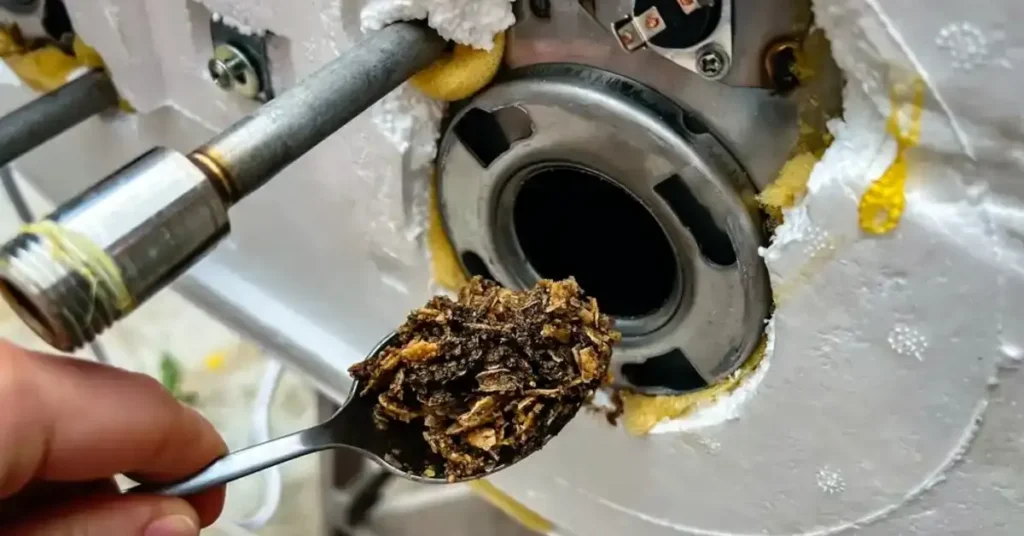
A tankless water heater should be cleaned to remove mineral buildup, dirt, and other debris. Hard water is a common cause of scale inside the heat exchanger. This buildup can reduce water flow, affect heating, and make the unit work harder. Regular cleaning helps keep the heater working as it should. The exact process depends on the heater model, so always check the owner’s manual first. For many units, cleaning involves shutting off the energy supply, isolating the water lines, connecting service hoses, circulating a cleaning solution, and flushing the system with fresh water. If you want to know How to Clean Tankless Water Heater, start by checking whether your unit has service valves. These valves make the flushing process easier and safer. Never start cleaning while the heater is still connected to an active gas or electrical supply. Why Does a Tankless Water Heater Need Cleaning? A tankless water heater heats water as it passes through a heat exchanger. Over time, minerals in the water can collect on the heat exchanger. Calcium and magnesium are common minerals found in hard water. When heated, they can form a hard layer called scale. This buildup can restrict water flow and reduce heat transfer. The heater may then need to work harder to heat the same amount of water. Cleaning also helps remove dirt from the inlet filter. This small filter can collect sand, rust, and other debris from the water supply. Common reasons for tankless water heater cleaning include: Mineral buildup from hard water Reduced hot water flow Longer heating times Temperature changes during use Error codes on some models Unusual sounds during operation A dirty inlet water filter Cleaning is only one part of tankless water heater maintenance. You should also check the water filter, connections, venting on gas models, and other parts listed in your owner’s manual. What Does Cleaning a Tankless Water Heater Involve? Cleaning usually has two main parts. The first is descaling. This removes mineral deposits from the heat exchanger. The second is flushing the unit with clean water. This removes the cleaning solution and loosened debris. Some maintenance tasks are separate from descaling. For example, cleaning the inlet filter removes debris from the incoming water supply. The complete process may include: Turning off the heater’s energy source. Shutting off the water supply. Isolating the heater with service valves. Connecting cleaning hoses. Circulating an approved cleaning solution. Flushing the system with clean water. Cleaning the inlet filter. Restoring water and energy. Checking the heater for leaks and proper operation. The steps can vary between brands and models. Rinnai, for example, provides model-specific instructions for maintenance and flushing. Always follow the instructions for your unit. How Often Should You Clean a Tankless Water Heater? Many tankless water heaters need flushing about once a year. However, your actual schedule depends on water quality, usage, and the manufacturer’s instructions. Homes with hard water may need more frequent cleaning. Mineral buildup can happen faster when water contains high levels of calcium and magnesium. Your heater may also need attention sooner if you notice poor flow, temperature changes, or unusual sounds. Do not use a fixed schedule without checking your owner’s manual. Some manufacturers provide different maintenance recommendations for different models. If you are unsure about your water quality, a local water test can help. Your utility provider may also publish information about water hardness in your area. What You Need to Clean a Tankless Water Heater Gather your supplies before starting the job. You may need: A small circulation pump Two suitable hoses A clean bucket Manufacturer-approved descaling solution Gloves and eye protection A wrench if required A clean cloth The heater’s owner’s manual Many tankless systems use service valves with hose connections. These allow cleaning solution to circulate through the heat exchanger without removing the heater from the wall. Do not force a connection that does not fit. Using the wrong hose or fitting can cause leaks. The cleaning solution should also match the manufacturer’s instructions. Some models may have restrictions on what products can be used. How to Clean a Tankless Water Heater Step by Step The following process is a general guide. Your model’s manual should always take priority. 1. Turn Off the Energy Supply Turn off the heater before beginning maintenance. For an electric model, switch off the power at the proper disconnect or breaker. For a gas model, follow the manufacturer’s instructions for shutting off the gas and heater controls. Allow the unit to cool before working on it. 2. Shut Off the Water Supply Close the water supply leading into the heater. If your system has hot and cold isolation valves, close both valves before opening the service ports. This prevents normal water flow while you clean the heat exchanger. 3. Open the Service Valves Follow your valve manufacturer’s instructions. Service valves are designed to isolate the heater and provide access for flushing. Do not remove parts simply because you cannot identify the service ports. If your system does not have suitable isolation valves, professional help may be safer. 4. Connect the Cleaning Hoses Connect one hose from the circulation pump to the appropriate service port. Connect the second hose from the other service port back to the cleaning bucket. Check every connection before adding the cleaning solution. A loose hose can spill solution and create a mess or safety issue. 5. Add the Cleaning Solution Use the amount and type of solution recommended for your heater. The solution is used to loosen mineral deposits inside the heat exchanger. Do not mix different cleaning chemicals. Never add a product that your manufacturer does not approve. 6. Circulate the Solution Turn on the circulation pump and allow the solution to move through the heater. The pump sends the solution through the heat exchanger and back into the bucket. The circulation time depends on the product and the amount of buildup. Follow the instructions for the cleaning solution and heater. 7. Flush the Heater With

How does a garbage disposal work
Plumbing

How Does A Garbage Disposal Work?

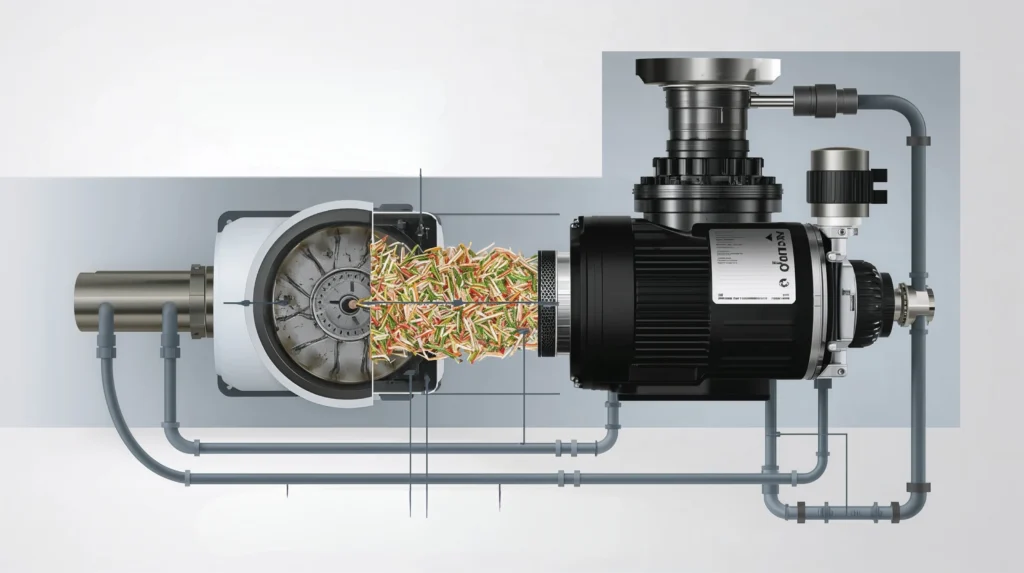
A garbage disposal is an important cooking appliance that gets rid of food waste quickly. It fits under your kitchen sink and breaks down food scraps into small pieces that are easy to flush down the drain. But how does a garbage disposal work? What are the most important things that make it work? This article will explain the working methods of trash disposal, what its main parts are, how to keep it in good shape, and a lot more. Purpose of Garbage Disposal Garbage disposals serve a simple but very useful purpose. It helps cut down on the loss of food that would otherwise go to the trash or landfill. Because of this, there is less trash, and it’s easier and faster to clean up the kitchen. It keeps your kitchen smelling fresh by grinding food waste into small pieces that don’t get stuck in drains. A garbage disposal is basically a machine that gets rid of trash and handles food scraps quickly and with little trouble. How Does a Garbage Disposal Work? To understand how a garbage filter works, you need to know how it’s put together. Food scraps are put into the grinding chamber when you turn on the garbage disposal. There, rotating blades break them up into smaller bits. The small particles are then washed away by moving water, which makes their way down the drain and into the pipes. The Stages of How a Garbage Disposal Works: Food Waste Enters the Grinding Chamber: Food scraps are flushed into the grinding chamber from your sink drain. Grinding Process: The motor activates the garbage disposal blades, which rotate rapidly, grinding the food waste into smaller pieces. Flushing Through the Drain: Once the food is ground into small particles, cold water helps push it through the disposal’s drain line, where it flows safely to the sewer or septic system. The whole process happens quickly, in just a matter of seconds, transforming large food scraps into fine particles that are easy to manage. You can read about: Who to Call to Fix Garbage Disposal Key Parts of a Garbage Disposal System To better understand how a garbage disposal works, let’s take a look at the critical garbage disposal parts that make this system function effectively. Motor: The motor is the heart of the garbage disposal, responsible for rotating the blades and powering the grinding mechanism. The motor typically runs between ½ to 1 horsepower, depending on the model. Grinding Chamber: This is the compartment where food waste is ground into smaller particles. Inside the chamber, the food waste is broken down by garbage disposal blades. Flywheel: The flywheel is a disk that rotates when the motor is turned on. It connects to the grinding components and helps crush the food waste. Grinding Blades: These blades are responsible for breaking down the food scraps. The blades are mounted on the flywheel, and as the flywheel spins, the blades shred the food into tiny bits. Discharge Tube: The discharge tube sends the ground waste out of the disposal and into the drain line, from where it travels to the sewer or septic system. Mounting System: The mounting system holds the garbage disposal unit in place under the sink and attaches it to the sink drain. Reset Button: If the garbage disposal becomes jammed or overheated, the reset button can be pressed to restart the motor and allow it to resume normal operation. Garbage Disposal Blades and Their Role in Grinding One of the most important components of a garbage disposal is the garbage disposal blades. These sharp blades spin at high speeds to crush and grind the food waste inside the grinding chamber. There are two types of blades commonly used: Impeller Blades: These are blunt, metal blades that move food waste around and force it toward the grinding plate. Grinding Plates: These are serrated metal surfaces that work in tandem with impeller blades to finely chop food waste. Over time, these blades may require garbage disposal blades replacement if they become dull or damaged. Proper care and occasional replacement of blades ensure that your garbage disposal continues to work efficiently. Understanding the Garbage Disposal Motor and How It Powers the Unit The motor in a garbage disposal is critical to the unit’s performance. It powers the grinding blades, helping them spin at speeds that crush food scraps. The motor is connected to a flywheel that turns the blades, and this spinning motion is what creates the grinding action. If the motor fails or gets overheated, the disposal will stop working, leading to the need for garbage disposal troubleshooting. Regular maintenance and checks are essential to ensure that the motor remains in good condition. The Importance of Proper Garbage Disposal Use To get the most out of your garbage disposal, it’s essential to know how to use a garbage disposal properly. Here are some key tips: Use cold water: Always run cold water when the disposal is on to help solidify any fats or oils, making it easier to break them down. Feed waste slowly: Avoid overloading the disposal by feeding it food scraps gradually. Avoid putting large, hard items down the drain: Bones, fibrous vegetables, and large quantities of food can damage the blades or cause clogs. By using the garbage disposal correctly, you’ll help prevent damage to the sink waste disposal system and extend the lifespan of the appliance. How to Maintain Your Garbage Disposal Proper garbage disposal maintenance is key to ensuring that your unit lasts as long as possible and works efficiently. Regular cleaning helps prevent odors, and timely repairs prevent small issues from becoming major problems. Maintenance Tips: Clean the grinding chamber: Use ice cubes or citrus peels to clean the blades and remove stuck food scraps. Deodorize regularly: Running a mixture of baking soda and vinegar through the disposal can eliminate bad odors. Check for leaks: Inspect the seals and pipes regularly to avoid any leaks that could cause water damage. Garbage Disposal Troubleshooting:

garbage disposal installation Eagle Rock
Plumbing

How Much is a Garbage Disposal? Find Out the Cost

An efficient kitchen requires a new garbage disposal. If you are wondering How Much Is a Garbage Disposal?, there is more than one answer available than just price.Cost estimates range anywhere from $150 to $950 for purchasing and installing a kitchen disposal, with most homeowners spending between $450-$650. Price fluctuation largely depends upon power, material choice and professional installation fees charged by plumbers – it all adds up. The Full Cost: How Much is a Garbage Disposal (Unit + Labor) The total garbage disposal costs are split into two parts: the unit itself and the labor to install it. Whether you are replacing an old one or installing a new one, this split is important for your budget. Cost Component Typical Price Range Notes Garbage Disposal Unit $75 to $400 Varies by horsepower (HP), brand, and material. Professional Labor/Installation $100 to $550 Varies by project complexity and local plumber rates. Average Total Cost $175 to $950 The total cost to replace disposal. Most of the final cost depends on the model you choose and your plumbing setup. Choosing a high-end unit can raise the price, but often means better grinding power and longer lifespan. Understanding Your Costs: 3 Key Price Factors The price for a garbage disposal unit, excluding labor, is mainly driven by the features you select. These choices directly affect performance and the long-term disposal replacement cost. 1. Unit Type: Continuous vs. Batch Feed There are two main styles of garbage disposals. Continuous Feed: This is the most common type. It runs continuously as long as the wall switch is on. Cost of Garbage Disposals: Typically cheaper, averaging $75 to $250 for the unit. Pros: Easy to use; you can add food waste while it is running. Cons: Requires a wall switch, which may need new electrical wiring. This can increase installation labor cost. Batch Feed: This unit only turns on when a special stopper is placed in the drain. Cost of Garbage Disposals: Generally pricier, averaging $150 to $350 for the unit. Pros: Much safer, as the grinding mechanism is covered during operation. Good for households with children. Cons: More expensive and slower to use, as you must process food waste in batches. 2. Motor Size: HP vs. Household Size Motor horsepower (HP) is measured in horsepower units. Selecting an appropriate motor size is key for both longevity and efficiency; purchasing too small a motor for a large family often leads to early failure. HP (Horsepower) Ideal Household Size Typical Price Range (Unit) 1/3 HP 1–2 people, light use $50 to $100 1/2 HP 2–3 people, standard use $75 to $150 (e.g., InSinkErator Badger 5) 3/4 HP 4–6 people, heavy use $150 to $300 1 HP 6+ people, gourmet kitchen $200 to $400 For most households, a 1/2 HP or 3/4 HP is adequate. However, if you do a lot of cooking and need to break down tough food waste, investing in a 1 HP model will give you superior performance and a longer warranty. 3. Material: Aluminum vs. Stainless Steel The material of the grinding components affects durability and price. Galvanized Steel/Aluminum: Found in lower-end models. They are budget-friendly but are more prone to rust and corrosion over time. This shortens the lifespan of the disposal. Price for a Garbage Disposal: $75 to $300. Stainless Steel: Found in mid-to-high-end models. They are highly resistant to rust and corrosion. This material is a sign of a quality unit built for longevity. Price for a Garbage Disposal: $300 to over $1,100. If you want a unit that lasts ten years or more, choose a stainless steel model. The extra upfront garbage disposal prices are often offset by the long-term durability. You can read about: How to Replace a Garbage Disposal?  Beyond the Unit: Additional Costs to Budget For When calculating the cost to replace disposal, remember these potential added expenses: Removal and Disposal: Removing and correctly disposing of your old unit can cost an extra $50 to $100. This is often included in a professional plumber’s flat fee. Electrical Work: If you are installing a disposal for the first time, you will need a grounded outlet and a wall switch. An electrician may charge an extra $120 to $200 for this work. Plumbing Modifications: If you are switching from a continuous-feed to a batch-feed unit, or if the new disposal is significantly larger than the old one, minor pipe adjustments may be needed. This increases the overall labor costs. Warranties: High-quality disposals, like those from InSinkErator or Waste King, often come with longer warranties (5 to 10 years). This is factored into the initial purchase price but provides valuable peace of mind. DIY vs. Pro: Who Should Replace Your Garbage Disposal? You can save money by doing the job yourself, but a DIY replacement comes with risks. The average labor costs for a plumber range from $100 to $550. Weigh the potential savings against the risks. Factor DIY Installation Professional Installation Cost Saves $100 to $550 in labor. Costs an average of $100 to $550 for labor. Time Can take 2–6 hours, especially if it’s a first-time install. Usually completed in 1–2 hours. Expertise Requires comfort with plumbing and basic electrical connections. Guaranteed proper hookup of pipes and electrical wiring. Risk High risk of leaks or electrical issues if seals are not properly tightened. Plumber is responsible for all work; errors are covered by warranty. Warranty Some manufacturers may void the warranty if the unit is improperly installed. Installation is typically warrantied by the plumbing company. Unless you are an experienced DIYer replacing an old unit with an identical model, calling a professional is the smarter, safer long-term choice. The peace of mind is worth the cost to fix garbage disposal issues later. When Should You Replace Your Garbage Disposal? Most garbage disposals are designed to last 5-10 years; if yours has reached this age range, replacement may be more cost-effective than ongoing repairs. Be on the lookout for these warning signs: Frequent Clogging: If the disposal struggles with normal

Fast and Efficient Plumbing Services in Eagle Rock

Client Reviews

Posted on Google Google
Ryan Haden profile picture
Ryan Haden
Google star 1Google star 2Google star 3Google star 4Google star 5Trustindex verifies that the original source of the review is Google.
Could not have been happier with Alex! We was right on time, polite, fixed all my kitchen sink issues and have me good tips on how to best maintain. I will for sure be using him again and highly recommend anyone who needs a great plumber to use his services as well. Thank you!
Posted on Google Google
Lorena Marcoe profile picture
Lorena Marcoe
Google star 1Google star 2Google star 3Google star 4Google star 5Trustindex verifies that the original source of the review is Google.
Talk about a professional...yes, I am talking about Alex Derks, Derks Plumbing. He is by far the most knowledgeable plumber we have ever had the pleasure of hiring. He's been in the plumbing business for years and it shows. Any questions you have re: plumbing issues, install, etc., Alex is your man. So happy with his work and he has a great sense of humor as well... extremely easy to talk to...thank you Alex!!!
Posted on Google Google
Andrew Jalil profile picture
Andrew Jalil
Google star 1Google star 2Google star 3Google star 4Google star 5Trustindex verifies that the original source of the review is Google.
Alex did a great job installing my kitchen faucet and an under-sink Aquasana water filter. He also addressed a few other plumbing-related issues. He was friendly and helpful. Excellent work!
Posted on Google Google
Abigail Bigham profile picture
Abigail Bigham
Google star 1Google star 2Google star 3Google star 4Google star 5Trustindex verifies that the original source of the review is Google.
Alex does what other plumbers cannot do! He is our go to.
Posted on Google Google
Danielle Driver profile picture
Danielle Driver
Google star 1Google star 2Google star 3Google star 4Google star 5Trustindex verifies that the original source of the review is Google.
Alex is very friendly and responsive. What a pleasure to work with!
Posted on Google Google
Lawrence Isaacs profile picture
Lawrence Isaacs
Google star 1Google star 2Google star 3Google star 4Google star 5Trustindex verifies that the original source of the review is Google.
Very very happy with the work Alex did for us replacing the tanks in our Aquasana filtration system. From first contact over the phone through job completion Alex was a pleasure to work with. He explained what he was doing, and why, every step of the way, and made sure we understood what we needed to do to maintain the system. Strongly recommend Alex!
Posted on Google Google
Joey Aucoin profile picture
Joey Aucoin
Google star 1Google star 2Google star 3Google star 4Google star 5Trustindex verifies that the original source of the review is Google.
Alex Derks has been such a lifesaver for me. Anytime I'm in a pinch with the plumbing in my home, Alex is only a phone call away and I've only seen great results from his work. He's reliable, knowledgable, and entirely trustworthy. A must-have source when owning a home.
Posted on Google Google
Eric Gorman profile picture
Eric Gorman
Google star 1Google star 2Google star 3Google star 4Google star 5Trustindex verifies that the original source of the review is Google.
After working with dozens of plumbing services in the LA area, I can confidently say Derks is the best in the business. On time, reliable and capable of even the most difficult tasks, Derks goes above and beyond to make sure your water system is working correctly.
Posted on Google Google
Jason Gruenbaum profile picture
Jason Gruenbaum
Google star 1Google star 2Google star 3Google star 4Google star 5Trustindex verifies that the original source of the review is Google.
Excellent know-how and fast!! Reasonable pricing and super responsive!!
Posted on Google Google
Jonathan Hepfer profile picture
Jonathan Hepfer
Google star 1Google star 2Google star 3Google star 4Google star 5Trustindex verifies that the original source of the review is Google.
Alex is an expert plumber, and he always goes out of his way to educate me about how to prevent future issues. Highly recommended!

Derks Plumbing has been providing professional plumbing services to Eagle Rock residents for over 20 years. Our experience and strong reputation have allowed us to grow, and we are proud to serve customers in 15 nearby areas, including Venice, Santa Monica, Beverly Hills, and more.

Contact

Hours of Operation

Monday: Open 24 Hours
Tuesday: Open 24 Hours
Wednesday: Open 24 Hours
Thursday: Open 24 Hours
Friday: Open 24 Hours
Saturday: Open 24 Hours
Sunday: Open 24 Hours

© 2026 Created by Localpro1

Scroll to Top