A tankless water heater typically lasts 15 to 20 years with proper care. Some units last longer when homeowners follow the maker’s maintenance schedule. These systems heat water only when needed, which helps avoid some problems linked to stored water and tank corrosion. However, hard water, poor installation, and missed maintenance can shorten their useful life. Knowing what affects your heater helps you plan repairs and avoid an early replacement.
A few simple habits can also help protect your investment.If you are asking, How Long Does a Tankless Water Heater Last, the answer depends on its condition, water quality, and upkeep. Regular inspections and timely repairs help you get more years from your unit.
How Long Does a Tankless Water Heater Last?
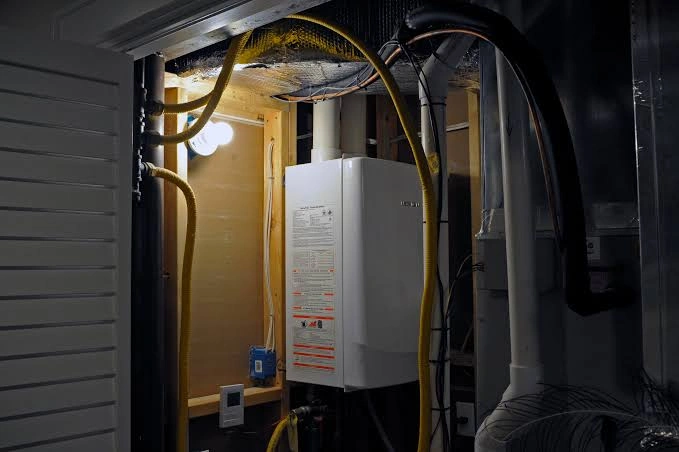
Most tankless water heaters last around 15 to 20 years. Some well-maintained models may work for 20 years or longer. The exact lifespan depends on the model, water quality, daily use, and care.
Tankless systems heat water as it passes through a heat exchanger. They do not store a large amount of hot water in a tank. This design avoids the tank corrosion that can affect traditional water heaters. However, internal parts can still wear out over time.
Mineral buildup is one of the main threats to a tankless water heater. Minerals in hard water can collect inside the heat exchanger. This buildup makes heat transfer less effective and may restrict water flow. Regular descaling helps control the problem.
The manufacturer’s care guide is the best starting point for maintenance. It explains how often to clean the unit and which parts need inspection. Following those instructions can help your heater reach its expected lifespan.
Tankless vs. Traditional Water Heater Lifespan
Tankless and traditional tank water heaters work in different ways. These differences affect their useful life, maintenance needs, and replacement costs.
| Feature | Tankless Water Heater | Traditional Tank Water Heater |
| Typical lifespan | 15 to 20 years | 8 to 12 years |
| How it works | Heats water on demand | Stores and heats water |
| Main wear concerns | Scale, parts, and heat exchanger damage | Tank corrosion and sediment |
| Maintenance | Periodic descaling and inspections | Tank flushing and anode rod checks |
| Replacement | May allow individual parts to be replaced | A corroded tank usually needs replacement |
These are general ranges, not guarantees. Actual results depend on the model, water conditions, installation, and care. Manufacturer guidance from Rheem also places tankless systems at around 15 to 20 years or more with proper care.
A traditional water heater may cost less to install at first. A tankless unit may last longer, but its purchase and installation costs can be higher. Compare the full cost of ownership before choosing either system.
What Factors Affect the Lifespan of a Tankless Water Heater?
Several factors affect how long your unit stays reliable. Understanding them helps you spot risks and plan proper care.
1. Water Quality and Mineral Buildup
Hard water contains minerals such as calcium and magnesium. When water passes through a hot heat exchanger, these minerals can form scales. Thick scale reduces heat transfer and may cause overheating or poor water flow.
Homes with hard water may need more frequent descaling. Some models may also need a suitable water treatment system. Ask a plumber to test your water and check the manufacturer’s requirements.
2. Regular Maintenance
Routine care helps prevent small issues from turning into costly repairs. Many manufacturers recommend periodic cleaning and inspection, often around once a year. The correct schedule depends on your model and local water conditions.
Maintenance may include cleaning the inlet filter, descaling the heat exchanger, and checking key parts. Gas models may also need burner, vent, and ignition checks. Follow the owner’s manual or hire a qualified plumber for these tasks.
3. Installation Quality
Correct installation affects both safety and lifespan. A unit that is too small may struggle to meet household demand. Incorrect venting, poor water flow, or unsuitable gas supply can also cause problems.
Choose a unit that matches your home’s hot water needs. A qualified installer should check the fuel supply, venting, water pressure, and local code requirements. Good setup reduces avoidable stress on the system.
4. Household Water Use
A busy household may run several hot water fixtures at once. Heavy demand does not automatically mean the heater will fail early. However, repeated use can expose sizing or flow problems.
If the unit cannot meet demand, check its capacity and settings before assuming it is worn out. The right system should match the number of fixtures used at the same time.
5. Parts, Model, and Operating Conditions
Different models use different parts and designs. Heat exchangers, sensors, fans, valves, and control boards can wear or fail. Some parts can be replaced without changing the entire heater.
Outdoor units also need protection from freezing conditions. Indoor models need suitable airflow and venting. Use the manufacturer’s instructions to keep the system within its approved operating conditions.
Signs Your Tankless Water Heater Needs Repair or Replacement
A tankless water heater may show warning signs before it stops working. Pay attention to changes in performance, unusual sounds, and error codes.
Common warning signs include:
- Water temperature changes: Water turns hot and cold during normal use.
- Reduced hot water flow: Mineral buildup or a blocked filter may restrict water.
- Repeated error codes: The unit may have a sensor, ignition, or flow problem.
- Unusual noises: Popping, rumbling, or other new sounds may signal scale or a mechanical issue.
- Visible leaks: Water around the unit or its pipes needs prompt attention.
- Higher energy bills: A sudden rise may point to scale, a fault, or changed usage.
- Frequent repairs: Repeated failures can make an older unit costly to keep.
These signs do not always mean the heater needs replacement. A dirty filter, faulty sensor, or worn part may be repairable. Ask a qualified technician to find the cause before buying a new system.
If you smell gas, leave the area and contact your gas provider or emergency services from a safe location. Do not try to locate the leak yourself.
How to Extend the Lifespan of a Tankless Water Heater
Good care can help your heater work well for many years. Use these steps to reduce wear and catch problems early.
Schedule Regular Descaling
Descaling removes mineral deposits from the heat exchanger. Follow the maintenance interval in your owner’s manual. Hard water may require more frequent service than soft water.
Do not use random cleaning chemicals. Use only the approved solution and procedure for your model. A plumber can perform the task if you are unsure how to do it safely.
Clean the Water Inlet Filter
The inlet filter catches debris before it enters the unit. A blocked filter can reduce flow or trigger error codes. Check the manual for cleaning instructions and service intervals.
Check for Leaks and Error Codes
Look around the heater and its pipe connections from time to time. Watch for moisture, corrosion, and repeated warning codes. Never remove covers or work on gas and electrical parts unless qualified.
Keep Vents and Airflow Clear
Gas tankless heaters need proper air supply and exhaust. Keep the approved vent openings clear of leaves, dust, and other blockages. Have a qualified technician inspect the vent system as recommended.
Keep Service Records
Record the installation date, repairs, descaling, and part changes. These notes help you track the heater’s age and condition. They also make it easier for a plumber to identify recurring problems.
Follow the Manufacturer’s Instructions
Maintenance needs differ by model. Follow the recommended temperature settings, service schedule, and care steps. This also helps you avoid actions that could affect warranty coverage.
When Should You Replace a Tankless Water Heater?
Age alone does not mean you must replace a tankless water heater. A 16-year-old unit may still work well, while a younger unit may have serious damage. Look at its condition, repair history, and overall cost.
Replacement may make sense when the heat exchanger has failed, major parts are no longer available, or breakdowns keep returning. If repair costs are close to the price of a suitable new unit, compare both options carefully.
Ask a plumber to explain the fault and provide a repair estimate. Also check the warranty, replacement cost, and expected future maintenance. This helps you make a choice based on facts instead of age alone.
A Separate Plumbing Concern: Earthquakes and Drains
Earthquakes can affect plumbing pipes, joints, and sewer lines, but these issues are separate from tankless water heater lifespan. If an earthquake has occurred nearby, check for visible pipe damage, leaks, slow drains, or sewage odors.
If you need to know how to check your sewer line after an earthquake, arrange a plumbing inspection when you suspect damage. A camera inspection can help locate cracks, shifted joints, or blockages. The phrase earthquake drains may refer to drainage concerns after ground movement, but it is not a factor used to estimate a water heater’s lifespan.
Do not enter damaged areas or handle leaking gas lines. Contact the appropriate professional if you notice a safety concern.
Conclusion
A tankless water heater can last 15 to 20 years or longer when installed correctly and maintained well. Water quality, scale buildup, worn parts, and missed service can shorten its useful life. Regular descaling, filter cleaning, and prompt repairs help protect your investment.
If your unit is aging or showing repeated problems, have it checked before deciding whether to repair or replace it. Homeowners looking for professional help can learn more about Tankless Water Heater Installation in Eagle Rock from Derks Plumbing. A qualified plumber can review your hot water needs, inspect your current system, and help you choose the right next step.

Frequently Asked Questions
How long do tankless water heaters last on average?
Most tankless water heaters last about 15 to 20 years with proper care. Some last longer, depending on the model, water quality, and maintenance.
What is the life expectancy of a tankless water heater?
The life expectancy of a tankless water heater is commonly 15 to 20 years. Regular descaling and timely repairs can help extend its useful life.
Does hard water shorten a tankless water heater’s lifespan?
Yes. Hard water can leave mineral deposits inside the heat exchanger. Regular descaling and suitable water treatment can help reduce this damage.
How often should a tankless water heater be serviced?
Many units need maintenance about once a year, but the right schedule depends on the model and water quality. Check the owner’s manual for the correct interval.
Should I repair or replace an old tankless water heater?
Compare the repair cost, unit age, condition, and availability of parts. Replacement may be a better choice if major parts fail or breakdowns happen often.
Can a tankless water heater last 25 years?
Yes, some units may last 25 years or more. This is not guaranteed and usually depends on good installation, suitable water conditions, and regular care.


