Yes, you should consider a sewer line inspection before winter, especially if your home has older pipes, slow drains, or a history of sewer problems. Finding cracks, root growth, blockages, and pipe damage early can help you avoid backups during cold weather. Fall is often a good time to check your sewer system because repairs may be easier to schedule before winter weather arrives.
If you are asking, Should You Have a Sewer Line Inspection Before Winter, the answer depends on your home’s plumbing history and pipe condition. A camera inspection can reveal hidden problems before they become urgent. It also helps you plan repairs based on actual findings instead of guessing.
Why a Sewer Line Inspection Is Essential Before Winter
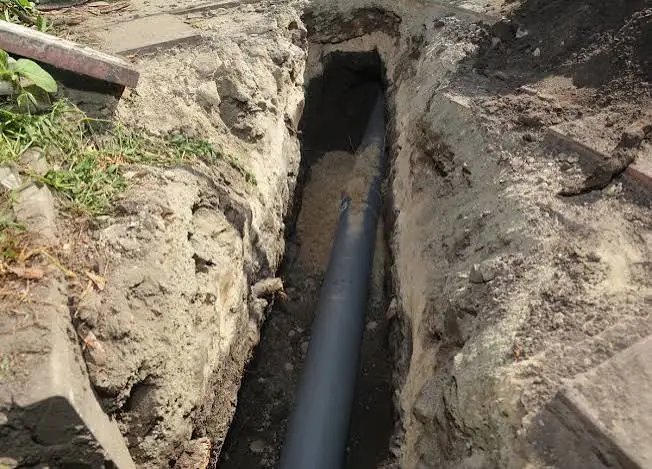
Your sewer line carries wastewater from your home to the main sewer system or a private septic system. When the line becomes blocked or damaged, wastewater may drain slowly or back up into your home.
Cold weather does not cause every sewer problem, especially in areas with mild winters. However, freezing ground, heavy rain, and seasonal changes can add stress to an already damaged line. A cracked pipe or partial blockage may become more troublesome when drainage conditions change.
A sewer line inspection helps identify problems such as:
- Tree roots growing through pipe joints.
- Grease, waste, and debris building up inside the line.
- Cracks, breaks, or separated pipe joints.
- Pipes that have shifted or started to sag.
- Older pipes showing signs of wear.
- Standing water caused by poor drainage or a damaged section.
Finding these issues early gives you time to compare repair options. You can also avoid waiting until a sewer backup affects your bathroom, kitchen, or laundry area.
Not every home needs an inspection each fall. Homes with older sewer pipes, repeated clogs, or past sewer repairs may benefit more than homes with newer, well-maintained systems.
The Fall Advantage: Ideal Weather and Ground Conditions
Fall can be a practical time to schedule a sewer check before winter arrives. The ground is often easier to work with than during freezing weather, though local conditions vary. You may also have more time to arrange repairs before holiday gatherings and colder days.
A sewer problem can take longer to fix when frozen soil, snow, or heavy rain affects the work area. These conditions do not occur everywhere, but they can make digging and outdoor repairs harder in colder regions.
An inspection in fall also gives you time to plan the repair. If the plumber finds a small root blockage, you may be able to clear it before it causes a backup. If the camera shows a broken pipe, you can discuss repair options before the problem becomes urgent.
For example, imagine your kitchen sink drains slowly and your toilet occasionally gurgles. You might assume the issue is a simple clog. A camera inspection can help show whether the cause is a local blockage or a problem farther down the sewer line.
Fall is not the only suitable time for an inspection. If you notice warning signs during winter or any other season, arrange an assessment rather than waiting for warmer weather.
Preventive vs. Reactive Maintenance
Preventive maintenance means checking your sewer system and dealing with known problems before they cause a major failure. Reactive maintenance means arranging repairs after a blockage, leak, or backup occurs.
Preventive sewer line maintenance can help you spot trouble early. It does not guarantee that a pipe will never fail, but it gives you better information about its condition.
Consider the difference:
- Preventive approach: A camera check finds roots entering a pipe joint. You arrange suitable cleaning or repair before wastewater backs up.
- Reactive approach: The roots grow thicker, block the flow, and cause sewage to back up into a shower or floor drain.
- Preventive approach: An inspection reveals a sagging pipe section where waste collects. You can plan a repair based on the severity of the problem.
- Reactive approach: Repeated clogs continue until the pipe needs urgent attention.
The cost of each repair depends on the pipe material, location, damage, and work required. An inspection may add an upfront expense, but it can help you avoid unnecessary digging or repeated drain cleaning.
Ask the plumber to explain the camera findings and show you the areas of concern. A clear report helps you decide which repairs need attention now and which areas can be monitored.
Signs You Need a Sewer Line Inspection
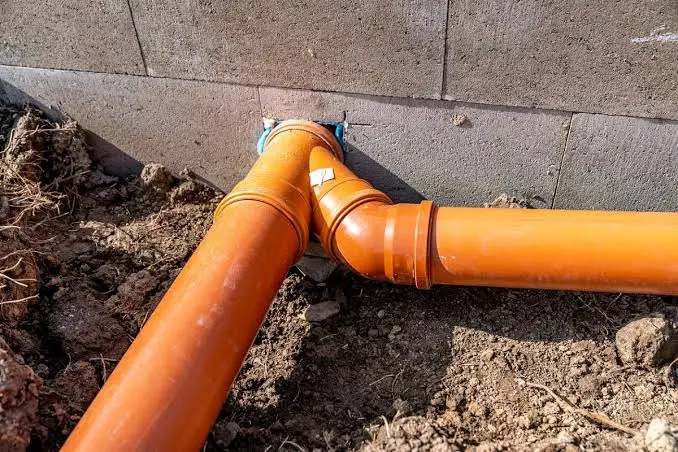
Some sewer problems begin with small changes in your home’s drains. Watch for these warning signs, especially before winter.
1. Repeated drain clogs
If several drains clog again soon after cleaning, the problem may be in the main sewer line. A single clogged sink usually points to a local issue, but repeated trouble across multiple fixtures deserves attention.
2. Slow drains throughout the home
A slow kitchen sink alone may have a blocked trap. When toilets, showers, and sinks all drain slowly, a shared drain or sewer line problem becomes more likely.
3. Gurgling sounds
Bubbling or gurgling from toilets and drains can mean air is moving through the plumbing due to a blockage. It can also have other causes, so a plumber should check the pattern.
4. Sewage odors
A strong sewer smell inside or outside the home may point to a dry trap, damaged pipe, or other plumbing fault. Do not ignore an odor that keeps returning.
5. Wet patches or unusual green areas
A damaged underground sewer pipe may release wastewater into the soil. Wet ground or unusually lush grass can be a clue, but rain, irrigation, and other leaks can cause similar signs.
6. Sewage backing up
Wastewater coming up through a toilet, tub, or floor drain is a serious warning. Stop using water fixtures and contact a plumber promptly.
One warning sign does not always mean the sewer line is damaged. A professional can check the symptoms and determine whether a camera inspection is needed.
Preventive Maintenance Before Winter
Simple habits can reduce the risk of avoidable sewer problems. They cannot repair a cracked pipe, but they can help keep waste moving through a healthy line.
- Keep cooking grease out of kitchen drains. Let it cool and place it in the trash.
- Avoid flushing wipes, paper towels, cotton products, or other items that do not break down easily.
- Use sink strainers to catch food scraps and hair.
- Address recurring clogs instead of relying on repeated chemical drain cleaners.
- Keep track of previous sewer repairs and recurring drainage problems.
- Check that outdoor cleanout caps are present and secure.
- Ask about tree roots if large trees grow near the buried sewer line.
Do not assume a product labeled “flushable” is safe for your sewer system. Many such products can still contribute to clogs.
Avoid pouring harsh chemicals into a sewer line to solve a suspected root problem. They may not remove the cause and can create safety risks. Use a suitable cleaning method based on the pipe’s condition.
If your home has a septic system, follow its separate care and inspection needs. A private sewer lateral connected to a public sewer requires a different approach from a septic tank and drain field.
What Happens During a Sewer Line Inspection?
A professional sewer line inspection often uses a small waterproof camera attached to a flexible cable. The plumber feeds it through an access point to view the inside of the pipe. This helps locate damage without digging up the yard first.
Here is what the process usually involves.
Step 1: Discuss the problem. The plumber asks about slow drains, past backups, unusual smells, and earlier repairs. This history helps guide the inspection.
Step 2: Locate an access point. The plumber may use an existing sewer cleanout or another suitable opening. Access depends on the home’s plumbing layout.
Step 3: Guide the camera through the pipe. The camera sends live images to a screen. The plumber checks for roots, cracks, standing water, blockages, and separated joints.
Step 4: Record the findings. Depending on the equipment and service, you may receive video, images, or a written report. Ask for the location and severity of each concern.
Step 5: Discuss the next steps. The plumber explains whether the line needs cleaning, repair, more testing, or no immediate work.
A camera inspection can show many problems inside a sewer pipe, but it cannot reveal every hidden issue. Severe blockages may need to be cleared before the camera can pass. The plumber may also recommend other tests if the cause remains unclear.
The Challenges of Winter Sewer Repairs
Winter sewer repairs can be harder in places where the ground freezes or heavy snow limits access. Digging through frozen soil may take more time and require special equipment. Snow and ice can also make outdoor work less safe.
Heavy rain can create a different problem. Water may enter damaged sewer joints or overload systems that receive unwanted stormwater. The risk depends on local drainage, soil, and sewer design.
Emergency repairs can also disrupt household routines. A severe blockage may leave you unable to use toilets, sinks, or showers until the line is safe to use again.
Still, winter repairs are sometimes necessary. A serious backup or broken sewer line should not wait until spring. If sewage enters your home, avoid contact with it and seek prompt professional help.
A fall inspection can give you time to arrange work when conditions are more favorable. It also helps you understand whether a repair is urgent or can be scheduled later.
Understanding Orangeburg Pipe and Its Risks
Orangeburg pipe is an older type of sewer pipe made from bitumen-treated fiber. It was used in some residential sewer systems during the mid-1900s. Over time, this material can weaken, flatten, or lose its shape under pressure from the surrounding soil.
As the pipe changes shape, wastewater may have less room to flow. Roots can also enter through joints and worsen the blockage. Repeated clogs may be one sign of a failing Orangeburg line.
The City of Tempe and the City of Ann Arbor describe problems linked to aging Orangeburg pipes, including flattening, root intrusion, and repeated sewer backups.
If your home was built several decades ago, its age alone does not prove that it has Orangeburg pipe. Building records may help, but a plumber may need to inspect the line to identify the material.
If Orangeburg pipe is present, ask the plumber to explain its condition and remaining risks. Cleaning may offer short-term relief in some cases, but a weakened or flattened pipe may need replacement. Avoid aggressive cleaning until the pipe’s condition is understood.
A camera inspection can help guide the decision, although the best repair plan depends on the pipe’s condition and access.
How to Prepare Your Sewer Line for Winter
Once the inspection is complete, use the findings to make a clear maintenance plan. Focus on known problems instead of paying for work your sewer line does not need.
Follow these steps:
- Clear confirmed blockages. Ask a plumber to remove roots or debris using a method suited to your pipe.
- Repair damaged sections. Cracks, separated joints, and collapsed pipes may need repair or replacement.
- Check outdoor drainage. Keep rainwater flowing away from your home’s foundation where possible. Never direct roof runoff into a sanitary sewer unless local rules and system design allow it.
- Protect exposed pipes. Pipes in cold, unheated areas may need suitable insulation or other freeze protection.
- Keep inspection records. Save camera footage, repair reports, and dates of past work. These records help track changes over time.
- Know where the cleanout is located. Keep it accessible so a plumber can reach the sewer line if trouble develops.
Remember that buried sewer lines do not all face the same winter risks. Pipes below the local frost depth may be less likely to freeze, while shallow or exposed sections may need extra care. Ask a local plumber about the conditions around your home.
If the inspection finds no serious problems, you may not need major work. Follow the plumber’s advice about future checks based on the pipe material, age, and history of blockages.
Conclusion
Should You Have a Sewer Line Inspection Before Winter? For homes with older pipes, recurring clogs, or past sewer backups, an inspection before winter can be a smart step. It helps identify root intrusion, cracks, sagging sections, and other problems before they cause bigger disruptions.
A camera inspection also gives you a clearer picture of your sewer line’s condition. You can plan repairs, address known blockages, and avoid guessing about problems hidden underground. However, not every home needs an annual inspection. Your plumbing history and the condition of your pipes should guide that decision.
If you notice repeated drain problems or suspect sewer damage, contact Derks Plumbing for help assessing your plumbing needs. Homeowners who need Sewer Line Repair in Eagle Rock can discuss the inspection findings and suitable repair options with a professional. Taking action when warning signs first appear can help protect your home from avoidable sewer trouble during winter.

Frequently Asked Questions
Should You Have a Sewer Line Inspection Before Winter Every Year?
Not every home needs an annual inspection. Homes with older pipes, repeated blockages, or previous sewer damage may benefit from more frequent checks. A plumber can recommend a schedule based on your sewer line’s condition.
How Much Does a Sewer Line Inspection Cost?
The price depends on your location, access to the sewer line, and the type of inspection. Ask whether the fee includes camera footage, a written report, and any recommended follow-up tests.
Can Cold Weather Damage a Sewer Line?
Cold weather can affect shallow or exposed pipes, especially where freezing conditions occur. Existing cracks, poor drainage, and other pipe problems can also become more troublesome during winter. Proper depth and installation help reduce freeze risks.
What Are the Signs of a Damaged Sewer Line?
Common signs include repeated clogs, slow drains in several fixtures, gurgling sounds, sewage odors, wet patches, and wastewater backups. A camera inspection can help identify the cause.
How Long Does a Sewer Camera Inspection Take?
Many straightforward inspections take about 30 to 90 minutes. The time varies with pipe length, access, blockages, and the need for extra testing or cleaning.
Can a Sewer Camera Find Tree Roots?
Yes. A sewer camera can often show roots entering joints or growing inside the pipe. The plumber can use the footage to locate the blockage and recommend suitable cleaning or repair.


