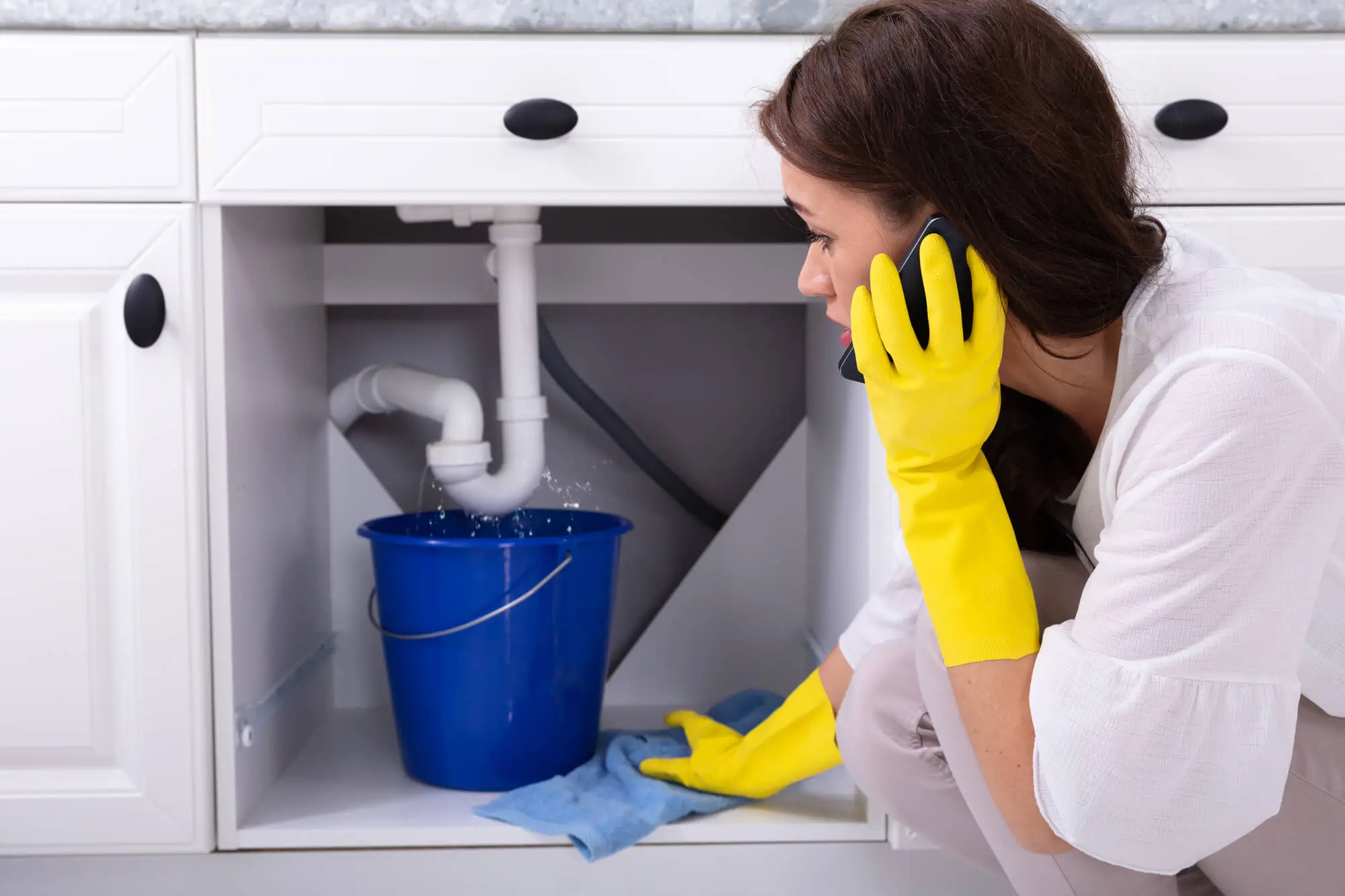
A burst pipe at 2 AM. A toilet overflowing with no sign of stopping. Raw sewage backing up into your shower. These aren’t just stressful, they can cause serious damage to your home within minutes if you don’t act fast. Knowing the difference between a problem that can wait and one that can’t save you money, stress, and a lot of water damage.
So, what is considered a plumbing emergency? Simply put, it’s any plumbing issue that puts your health, safety, or home structure at immediate risk. If water is spreading fast, sewage is coming up, or you’ve lost your water supply entirely, that’s an emergency. Keep reading. We’ll walk you through exactly what qualifies, what to do first, and when it’s okay to wait for a regular appointment.
What Is Considered a Plumbing Emergency?
Not every plumbing problem needs a midnight phone call. But some absolutely do.
A plumbing emergency is any situation where delay causes significant damage, creates a health hazard, or leaves your home without basic water service. What counts as a plumbing emergency typically falls into three categories:
- Active water damages water leaking or flooding where it shouldn’t be.
- Sewage or contamination risk raw sewage, gas smells near pipes, or black water backup.
- Total loss of service: no running water, no hot water during extreme cold, or a completely blocked main line.
If your situation fits one of these, stop reading and call a plumber now. If you’re not sure, keep going. We’ve got a full breakdown below.
Signs You Are Facing a Plumbing Emergency
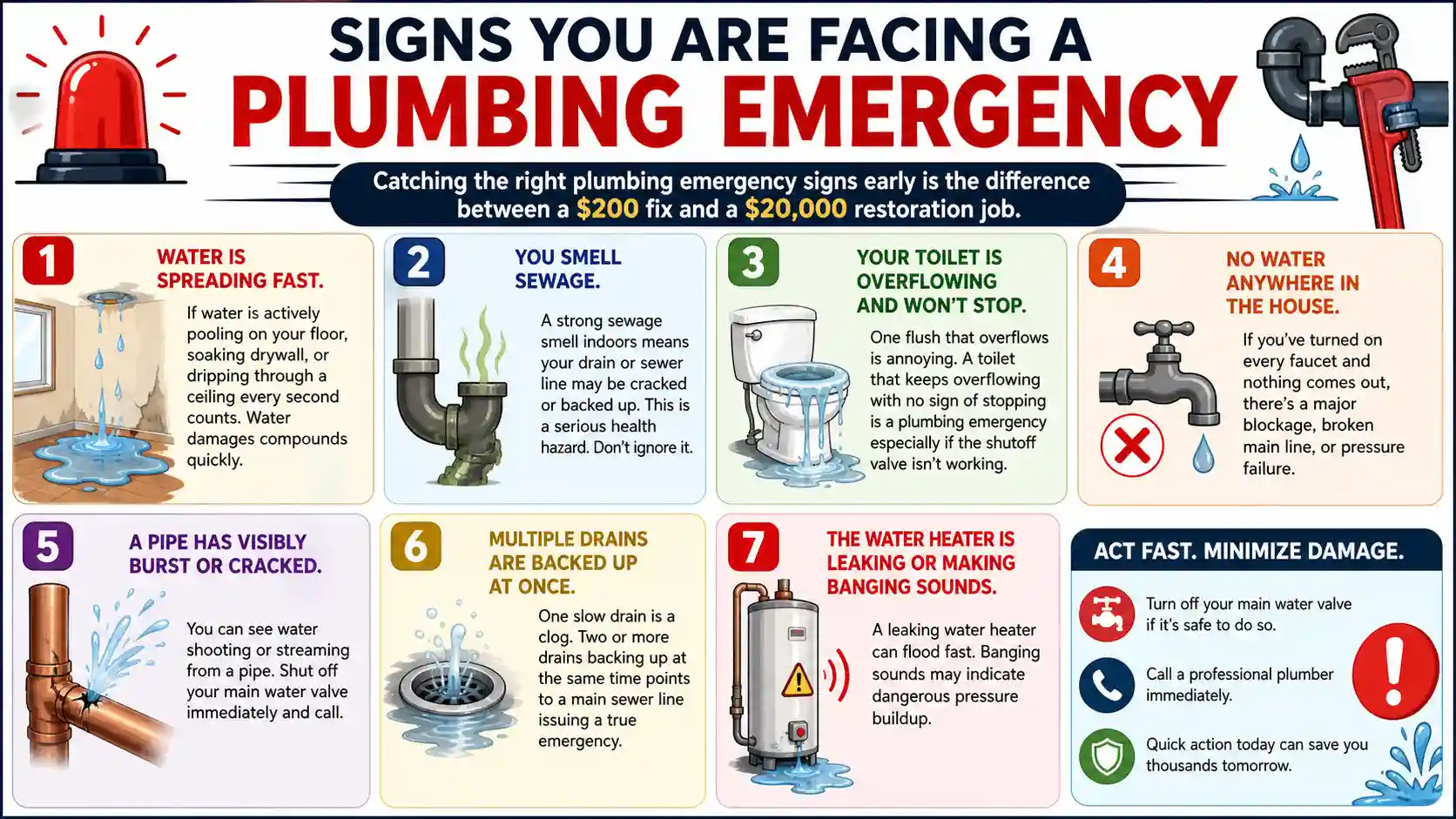
Catching the right plumbing emergency signs early is the difference between a $200 fix and a $20,000 restoration job.
Watch for these red flags:
Water is spreading fast. If water is actively pooling on your floor, soaking drywall, or dripping through a ceiling every second counts. Water damages compounds quickly.
You smell sewage. A strong sewage smell indoors means your drain or sewer line may be cracked or backed up. This is a serious health hazard. Don’t ignore it.
Your toilet is overflowing and won’t stop. One flush that overflows is annoying. A toilet that keeps overflowing with no sign of stopping is a plumbing emergency especially if the shutoff valve isn’t working.
No water anywhere in the house. If you’ve turned on every faucet and nothing comes out, there’s a major blockage, broken main line, or pressure failure.
A pipe has visibly burst or cracked. You can see water shooting or streaming from a pipe. Shut off your main water valve immediately and call.
Multiple drains are backed up at once. One slow drain is a clog. Two or more drains backing up at the same time points to a main sewer line issuing a true emergency.
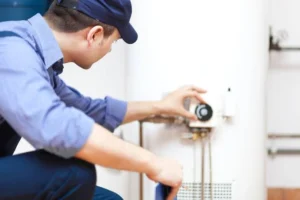
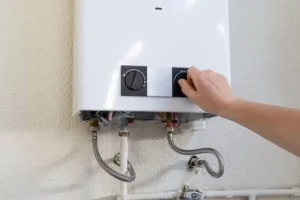
The water heater is leaking or making banging sounds. A leaking water heater can flood fast. Banging sounds may indicate dangerous pressure buildup.
You can read about: How to Handle a Plumbing Emergency
Common Plumbing Emergencies and How We Handle Them
Burst Pipes
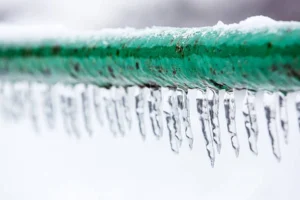
Pipes burst from freezing temperatures, old age, or sudden pressure changes. When this happens, water spreads into walls, floors, and ceilings within minutes. We shut off the water supply, locate the break, and replace the damaged section. We also inspect surrounding pipes for hidden weaknesses.
Sewage Backup
This is one of the most urgent plumbing emergency signs. Raw sewage contains bacteria and pathogens. If sewage is coming up through a floor drain, toilet, or tub, your sewer line is likely fully blocked or collapsed. We use camera inspection and hydro-jetting to clear or repair the line.
Overflowing Toilets
If the toilet keeps running water after multiple flushes and the shutoff valve fails, water can spread across the bathroom floor in minutes. We assess the cause of blockage, failed flapper, or tank issue and fix it on the spot.
Gas Line Plumbing Leaks
If you smell gas near your water heater or any gas-connected appliance, leave the house immediately and call your gas company first, then a licensed plumber. This is a life-safety issue.
No Hot Water in Winter
In freezing temperatures, loss of hot water can be dangerous for elderly people or young children. If your water heater has completely failed, we treat this as an urgent call.
Major Leak Under a Slab
Slab leaks are sneaky. You might hear water running when everything is off, or notice warm spots on your floor. Left untreated, slab leaks destroy foundations. Early detection saves enormous cost.
You can read about: what to do if ceiling is leaking ?
First Steps to Take During a Plumbing Emergency
Don’t panic. These steps protect your home while you wait for help.
Step 1: Shut off the water. Know where your main shutoff valve is before an emergency happens. It’s usually near your water meter, under the sink, or behind a wall panel. Turn it clockwise to close.
Step 2: Turn off the water heater. If you’ve shut off the main supply, protect your water heater from running dry by switching it to “pilot” or turning it off.
Step 3: Open drains and faucets. After shutting off the main, open faucets to drain the remaining water from pipes. This reduces pressure and slows any active leak.
Step 4: Don’t use electrical switches near standing water. Water and electricity are a deadly combination. If flooding is near outlets or panels, stay out and call an electrician too.
Step 5: Document the damage. Take photos and video before cleanup. You’ll need this for insurance claims.
Step 6: Call a licensed emergency plumber. Now is the time to call. Don’t wait until morning if water is actively spreading.
You can read about: How Much Do Plumbers Charge Per Hour
Plumbing Problems That Are Usually NOT Emergencies
Knowing when to call emergency plumber services also means knowing when NOT to. Here are issues that can wait for a regular appointment:
A slow-draining sink. Annoying, yes. Emergency? No. A standard drain cleaning appointment will handle this.
Running toilet. If the toilet runs constantly but isn’t overflowing, it’s wasting water but not causing immediate damage. Book a regular appointment.
Low water pressure. Unless it drops to zero suddenly, low pressure is usually a gradual issue linked to mineral buildup or a pressure regulator problem.
Dripping faucet. A steady drip wastes water over time but won’t flood your home overnight. Schedule a repair.
Minor pipe condensation. Pipes sweating in summer is normal. It’s not a leak.
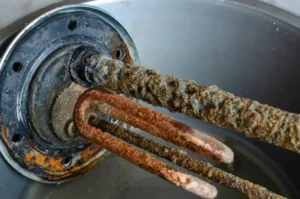
Water heater making a slight hissing noise. This usually means mineral buildup. Not urgent, but worth scheduling soon.
The bottom line: if it isn’t spreading, contaminating, or cutting off your service entirely it can usually wait.
When to Call an Emergency Plumber
Knowing when to call an emergency plumber is a skill every homeowner needs. Here’s a simple rule: if waiting 12 hours would make the damage significantly worse, call now.
Specifically, call immediately if:
- Water is actively flooding a room
- You suspect a sewer line collapse
- You smell gas near any plumbing fixture
- A pipe has visibly burst
- You have zero water service in winter
- Multiple drains are backing up at once
- Your water heater is leaking heavily
A good emergency plumber will be honest with you on the phone. If you describe your situation and they think it can wait until morning, they’ll tell you. What you want is someone available 24/7 who will show up when it truly can’t wait.
How Emergency Plumbers Help
What constitutes a plumbing emergency response is more than just showing up fast. A qualified emergency plumber brings:
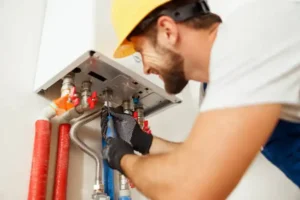
Specialized tools. Drain cameras, hydro-jetting equipment, pipe locators, and pressure gauges. They diagnose fast and fix right.
24/7 availability. Real emergencies don’t wait for business hours. Emergency plumbers are on call nights, weekends, and holidays.
Damage control first. A good plumber stops the bleeding before worrying about the full repair. Temporary fixes prevent further loss while a full solution is planned.
Insurance documentation. Many emergency plumbers provide written reports that help with insurance claims.
Licensed and insured work. Emergency work still needs to meet code. A licensed plumber protects you legally and structurally.
How to Prevent Plumbing Emergencies
Most plumbing emergencies don’t happen without warning signs. Regular maintenance catches problems before they explode literally.
Schedule annual plumbing inspections. A licensed plumber can spot weak pipe joints, early corrosion, and water heater wear before they fail.
Know where your shutoff valves are. Main valve, individual fixture valves, washing machine valve. Practice turning them off so you’re not scrambling in a panic.
Never pour grease down drains. Grease coats pipes and builds up over time. It’s one of the leading causes of major drain blockages.
Insulate exposed pipes in winter. Pipe insulation is cheap. Burst pipe repairs are not.
Replace washing machine hoses every 5 years. Rubber hoses degrade. A failed washing machine hose is one of the top causes of home water damage.
Watch your water bill. A sudden spike in water usage with no clear reason often means a hidden leak. Catch it early.
Don’t ignore slow drains. A drain that takes 60 seconds to clear today can be fully blocked in weeks. Clear it now.
Test your sump pump before the rainy season. Pour water into the pit. If the pump doesn’t kick on, fix it before you need it.
Final Thoughts
Understanding what is considered a plumbing emergency helps you act fast when it matters and stay calm when it doesn’t. Most plumbing problems fall somewhere on a spectrum; some need immediate action, others just need a timely appointment.
The key is knowing the difference. Active flooding, sewage backup, burst pipes, and gas-adjacent leaks are emergencies. A slow drain or a running toilet usually isn’t.
If you’re in the Los Angeles area and facing a real plumbing crisis, Derks Plumbing is here to help. Our team handles Emergency Plumbing in Eagle Rock and surrounding neighborhoods 24 hours a day, 7 days a week. We show up fast, fix it right, and make sure your home is safe before we leave.
When in doubt, call. A two-minute phone call can save you thousands in water damage.

Frequently Asked Questions (FAQs)
Q: What is considered a plumbing emergency at night?
A: Any active water leak, burst pipe, sewage backup, or complete loss of water service qualifies as a nighttime plumbing emergency. Don’t wait until morning if water is spreading.
Q: Is a clogged toilet a plumbing emergency?
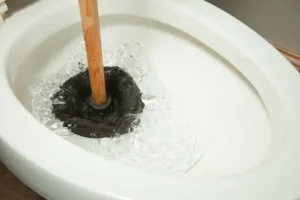
A: It depends. A toilet that won’t flush once is usually not an emergency. A toilet that overflows and won’t stop especially if the shutoff valve isn’t working is.
Q: What counts as a plumbing emergency for insurance purposes?
A: Most home insurance policies cover sudden and accidental water damage. A burst pipe typically qualifies. Slow leaks from neglect usually don’t. Document everything and call your insurer right away.
Q: How do I know if a pipe has burst inside my wall?
A: Signs include wet spots on drywall, paint bubbling, musty smell, a sudden drop in water pressure, or the sound of running water when everything is off.
Q: What constitutes a plumbing emergency versus a regular repair?
A: If the issue is causing active damage, creating a health hazard, or has cut off your water supply it’s an emergency. If it’s inconvenient but not spreading or harmful it’s a standard repair.
Q: Should I try to fix a plumbing emergency myself?
A: Shut off the water, yes. Attempt repairs on burst pipes, sewer lines, or gas-adjacent fixtures no. DIY attempts on emergencies often make things worse and can void your insurance.
Q: How fast should an emergency plumber arrive?
A: Most emergency plumbing services aim for a 30-minute to 2-hour response window depending on your area. Ask when you call.