A water heater provides hot water for showers, laundry, dishes, and daily cleaning. When an old unit fails, replacing it can restore comfort and help prevent leaks. The right installation depends on your heater type, home setup, local building codes, and fuel source. A small mistake with gas, wiring, or venting can create serious safety risks.
Learning How to Install a Water Heater starts with choosing a compatible unit, preparing the work area, and understanding the main connections. Some preparation is manageable for homeowners, but gas and electrical work may require a licensed plumber or electrician.
How to Install a Water Heater: What to Know First
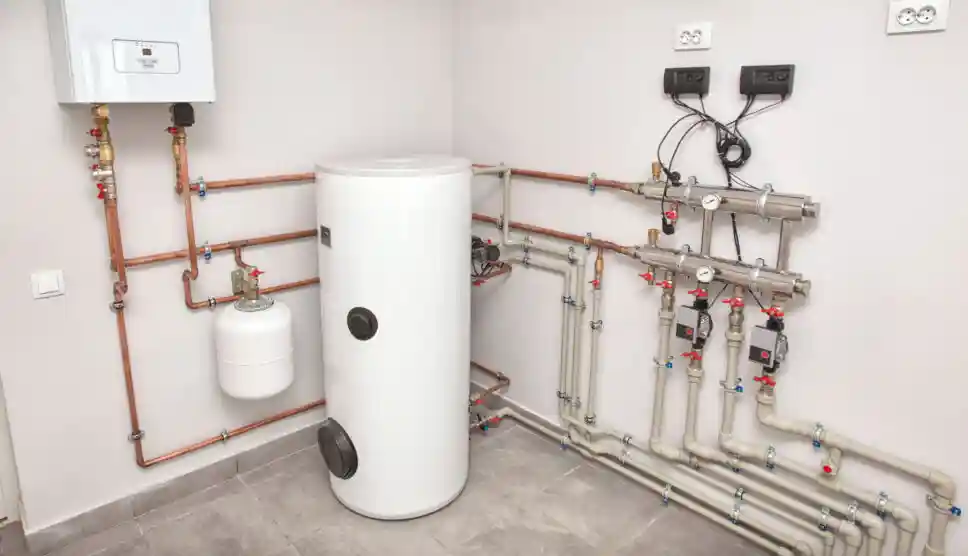
Before buying a new unit, check your current heater and the needs of your household. A replacement should fit the space and provide enough hot water for daily use.
Review these details before choosing a model:
- Fuel source: Check whether your current heater uses gas or electricity.
- Tank capacity: Choose a size that meets your household’s hot water demand.
- Available space: Measure the height, width, and service clearance around the unit.
- Connections: Check the water lines, power supply, gas line, and venting system.
- Energy use: Compare the energy ratings and expected running costs of suitable models.
- Local rules: Confirm permit, inspection, and safety requirements with your local building department.
Replacing an old unit with a similar model may reduce the changes needed. However, the new heater must still meet current codes and manufacturer instructions.
Switching from gas to electric, or electric to gas, often requires extra work. The home may need new wiring, gas connections, venting, or other changes. Check these needs before purchasing the unit.
Tools and Materials Needed for Water Heater Installation
The tools and supplies depend on your heater type and existing plumbing. Read the manufacturer’s installation manual before gathering materials.
Common tools and supplies include:
- Adjustable wrenches and screwdrivers
- A tape measure and level
- A garden hose for draining the old tank
- Approved water connectors and fittings
- Sealant suitable for the connection type
- Safety glasses and work gloves
- A drain pan, where required
- The new heater’s installation manual
Gas models may require approved gas fittings and vent parts. Electric models need wiring and circuit protection that match the unit’s rating.
Do not choose parts based only on size or appearance. Check the material, pressure rating, and model instructions. If you are unsure which fittings to buy, ask a qualified installer before starting.
How to Prepare for Water Heater Installation
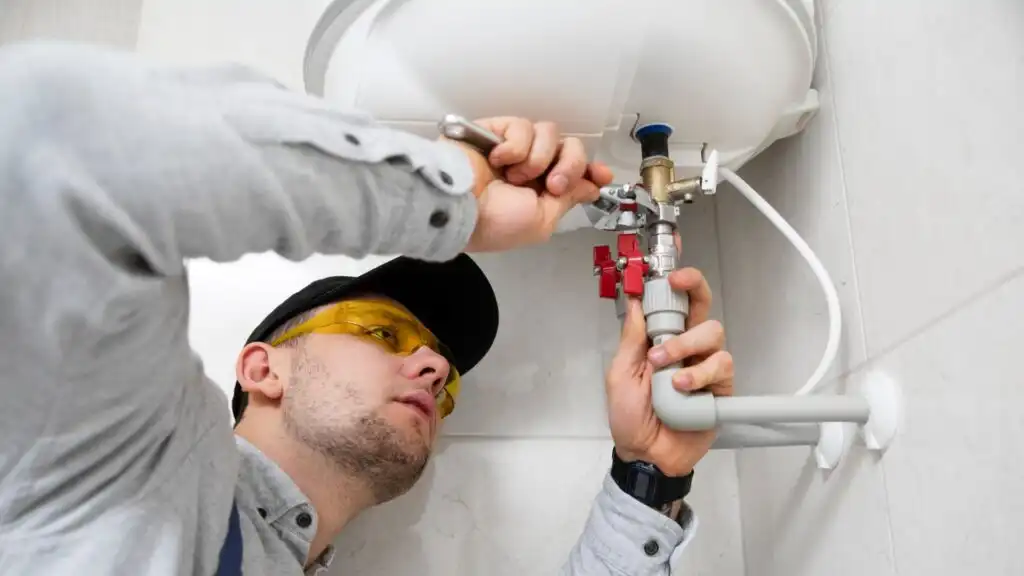
Good preparation can prevent delays, leaks, and damage. Clear the work area and keep children and pets away. Make sure the route for removing the old tank is free of obstacles.
Find the cold water shut-off valve and identify the correct power breaker or gas shut-off. Never assume a circuit is safe just because a switch is off. Electrical work requires proper isolation and testing.
Check whether a permit or inspection is needed. Local rules may cover drain pans, seismic straps, relief valves, venting, and access space. Requirements vary by location and heater type.
Review the new unit’s instructions before disconnecting anything. If you cannot safely shut off the energy source, stop and call a professional.
How to Remove an Old Water Heater
Removing a heater involves hot water, pressure, and possibly gas or electricity. Follow the manufacturer’s instructions and do not proceed with connections you cannot handle safely.
- Shut off the energy source. Turn off the correct breaker for an electric heater. Follow the approved shutdown procedure for a gas model. If you smell gas, leave the building and contact the gas provider or emergency service from a safe location.
- Close the cold water supply. This prevents more water from entering the tank.
- Let the water cool. Hot water can cause serious burns. Do not drain a dangerously hot tank.
- Attach a garden hose. Connect it to the drain valve and direct the other end to a suitable drain.
- Open a hot water tap. This can help release pressure and allow the tank to drain.
- Drain the tank. Follow the instructions for your model. Do not force a blocked or damaged drain valve.
- Disconnect the unit. Gas lines and electrical wiring should be handled by qualified people when required. Never cut a gas line or pull on live wires.
- Move the old tank. Once it is empty and safely disconnected, remove it carefully. Even a drained tank can be heavy and awkward.
If a valve will not close, a pipe is badly corroded, or a connection is stuck, stop. Forcing the part can cause flooding or other damage.
How to Position the New Water Heater
Place the new tank on a stable, level surface. Follow the required clearances in the installation manual. Keep the unit accessible for future checks and repairs.
Install a drain pan if the model or local rules require one. Where needed, connect the pan to an approved drain. A pan can limit water damage, but it cannot prevent every leak.
Secure the heater when required by local code or the manufacturer. This is especially important in areas where earthquakes can cause a tank to move.
Before connecting pipes, confirm that the hot and cold ports match your home’s plumbing. Check that the temperature and pressure relief valve, often called the T&P valve, is installed correctly.
Never block or cap the relief valve’s discharge pipe. This part helps protect the tank from unsafe pressure. Its pipe must follow the manufacturer’s instructions and local code.
How to Connect the Water Supply Lines
Most tank heaters have marked hot and cold connections. Connecting them incorrectly can stop the system from working as intended.
Connect the cold supply to the marked inlet and the home’s hot water pipe to the outlet. Use approved connectors that match the heater and existing pipe material.
Apply thread sealant only where the manufacturer allows it. Some fittings use washers or gaskets instead. The wrong sealant can damage a fitting or prevent a proper seal.
Some plumbing systems need a thermal expansion tank or pressure control device. Whether these parts are required depends on the system and local rules. A qualified plumber can check what your setup needs.
Once the connections are fitted, inspect them before filling the tank. Avoid overtightening, which can damage threads or fittings. The relief valve and discharge pipe must remain clear and functional.
How to Install an Electric Water Heater
Electric heaters use heating elements powered by a dedicated electrical circuit. The wiring must match the unit’s voltage, power rating, and installation instructions.
A qualified person should handle the electrical connection when required. The circuit must have the correct breaker, wire size, grounding, and protection under local code.
Never turn on an electric heater while the tank is empty or partly filled. The heating elements can burn out when they run without water.
Keep the power off while filling the tank. Open a hot water tap and turn on the cold supply. Let the tank fill until water flows steadily from the tap without air spurts.
Check the plumbing joints for leaks before restoring power. Follow the manufacturer’s start-up steps. If the wiring, breaker, or grounding is uncertain, hire a qualified electrician.
How to Install a Gas Water Heater
Gas heaters need careful work on the fuel supply, burner, air supply, and exhaust vent. Incorrect installation can cause fires, gas leaks, or carbon monoxide exposure.
The gas line must use approved materials and meet local rules. The vent must be suitable for the specific model. Its size, slope, clearances, and connections must follow the manufacturer’s instructions.
Gas heater installation should be handled by a licensed plumber or qualified gas technician where required. Professional help is especially important if the job involves a new gas line, vent changes, or a different heater type.
The installer should test gas connections with an approved method. Never use a flame to check for leaks. Do not light the burner until the tank is full and the correct start-up steps have been followed.
If you smell gas, do not operate switches or use a flame. Leave the building and contact the gas provider or emergency service from a safe location.
How to Fill and Test the New Water Heater
Testing helps catch problems before regular use. Follow the instructions supplied with your exact model.
- Fill the tank: Open the cold water supply and a hot tap. Wait for a steady flow without air.
- Check for leaks: Inspect the pipe joints, valves, and nearby connections.
- Check safety parts: Confirm the relief valve and discharge pipe are fitted correctly and remain unobstructed.
- Restore the energy supply: For electric models, confirm the tank is full before switching on power. For gas models, follow the approved lighting procedure.
- Set the temperature: Use the manufacturer’s guidance and consider the risk of scalding.
- Check operation: Allow time for the water to heat. Watch for error codes, unusual sounds, leaks, or venting problems.
Do not ignore leaks, gas odors, burning smells, or signs of poor venting. Shut down the system if you can do so safely, then contact a qualified professional.
You can read about: How to Install Tankless Water Heater
Common Water Heater Installation Mistakes
Avoid these common errors during a replacement:
- Choosing the wrong size: A small tank may not meet demand, while an oversized unit may cost more to run.
- Reversing the water lines: Check the hot and cold labels before connecting pipes.
- Energizing an empty tank: Fill an electric heater fully before restoring power.
- Ignoring permits: Unapproved work may require costly changes or a failed inspection.
- Using unsuitable fittings: Parts must match the heater, pipe material, and pressure rating.
- Blocking the relief pipe: This can prevent a key safety feature from working.
- Ignoring venting: Poor gas venting can allow harmful exhaust gases into the home.
- Skipping leak checks: Inspect all connections before using the system normally.
Keep the installation manual, warranty details, and model number. Follow the maker’s care instructions to help the unit work safely over time.
When to Hire a Professional Plumber
Hire a professional when the job involves gas lines, new wiring, vent changes, damaged pipes, or major changes to the plumbing system. Professional help is also wise if a shut-off valve will not close or the new unit does not match the existing connections.
A qualified installer can check the heater size, water pressure, safety valves, and local code needs. They can also explain whether permits or inspections apply.
If you need water heater installation in Eagle Rock, contact Derks Plumbing to discuss your home’s setup and the type of heater you need. Ask for a clear quote that explains labor, permits, old-unit removal, parts, and any extra work.
Before hiring a contractor, check the required license, insurance, warranty terms, and total price. A clear quote should explain what is included and which conditions could increase the cost.

Conclusion
A safe heater replacement starts with the right unit, careful planning, and correct connections. The tank must be filled properly, the plumbing checked for leaks, and all safety parts kept clear.
Learning How to Install a Water Heater means understanding both the process and its limits. Gas connections, electrical work, and venting can be dangerous when handled incorrectly. If the job involves these systems or you are unsure about a step, hire a qualified professional.
Frequently Asked Questions
Can I install a water heater myself?
Some homeowners may handle basic preparation where local rules allow it. Gas work, wiring, venting, and permits may require qualified professionals. Check local codes and the manufacturer’s instructions before starting.
How long does water heater installation take?
A simple replacement may take a few hours. Changes to pipes, wiring, venting, or permits can add time. Ask an installer for an estimate based on your home’s setup.
Do I need a permit to replace a water heater?
Permit rules vary by city, county, and type of work. Some areas require permits or inspections even for replacements. Check with your local building department before starting.
What should I check before buying a new heater?
Check the fuel type, tank size, dimensions, energy use, water connections, venting needs, and warranty. Choose a model that meets your household’s needs and fits the space.
Why must an electric water heater be full before power is turned on?
The heating elements must be covered by water. Turning on an empty tank can damage them. Fill the tank and let air escape through a hot tap before restoring power.
When should I call a plumber?
Call a qualified professional for gas connections, electrical changes, venting, damaged pipes, or code questions. Get help if you notice gas odors, damaged wiring, leaks, or a faulty relief valve.




