Your water heater may need a temperature adjustment if the water feels too hot, runs out quickly, or never gets warm enough. Most homes can start with a setting of 120°F, which helps reduce scalding risks and may lower energy use. The right setting depends on your heater, household needs, and manufacturer instructions.
Learning How to Adjust Water Heater Temperature starts with identifying your unit. Gas, electric, and tankless models use different controls. Follow the correct steps, take safety precautions, and check the water temperature after making changes. If you notice electrical faults, gas smells, or signs of damage, contact a qualified professional.
What Temperature Should a Water Heater Be Set At?
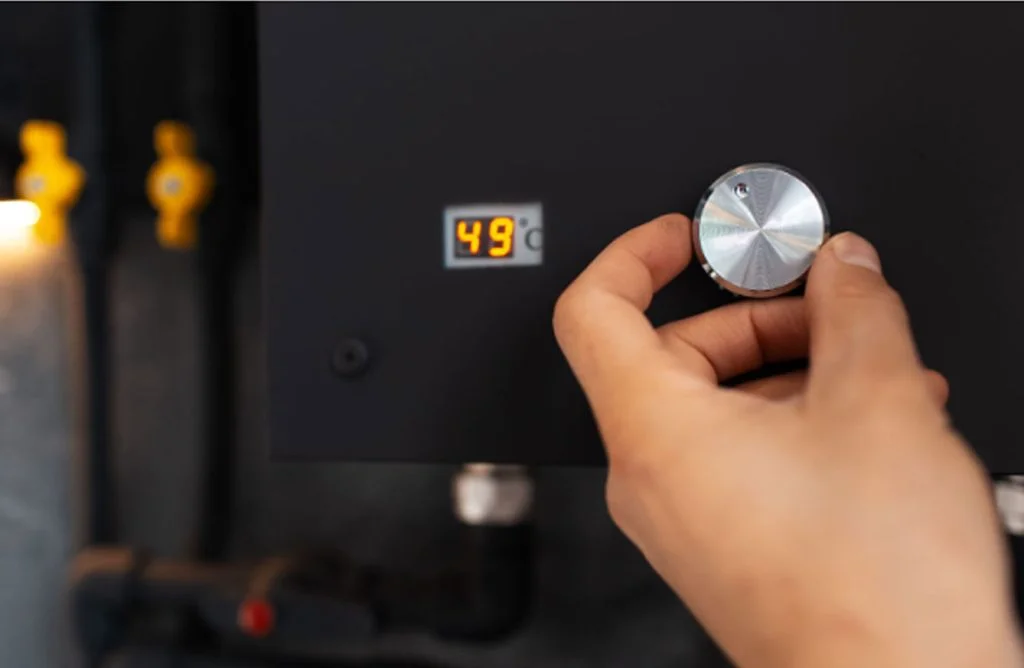
For many homes, 120°F is a practical starting point for the water heater temperature setting. It can provide useful hot water while helping reduce the risk of burns. The U.S. Department of Energy also recommends this setting for many household situations.
However, one setting does not suit every home. Your heater’s manual, plumbing system, and household needs all matter. Some homes may need different storage temperatures to meet health or equipment requirements.
Why 120°F Is Often a Good Starting Point
A 120°F setting can offer several benefits:
- Lower scalding risk: Hot water can burn skin, especially for young children and older adults.
- Potential energy savings: Heating water to a lower temperature may reduce energy use.
- Comfortable daily use: Many households can shower, wash dishes, and clean with water at this setting.
Water that is too cool can also create problems under certain conditions. Some systems need higher storage temperatures to help control harmful bacteria. Follow the manufacturer’s guidance and applicable health or plumbing requirements.
If your home has a mixing valve, it may allow the tank to store hotter water while limiting the temperature delivered to faucets. Ask a qualified plumber to check the setup before changing the storage temperature.
How to Adjust the Temperature on a Gas Water Heater
Many gas water heaters have a dial near the bottom of the tank. It may show numbers, words such as “Warm” and “Hot,” or temperature marks. Check your model’s manual before turning the control.
Follow these steps:
- Find the temperature control. Look near the lower front of the tank. Some models have a dial behind a small cover.
- Check the current setting. Note the position before making a change. This helps you return to the original setting if needed.
- Turn the dial slightly. Move it toward a lower or higher setting based on your needs. Use the manual to understand the markings.
- Wait for the water to heat. A tank heater needs time to bring its stored water to the new temperature.
- Test the hot water. Use a suitable thermometer at a faucet after the water has had time to stabilize.
Do not force a stiff or damaged control. Never remove gas fittings or alter the burner assembly to change the temperature. If you smell gas, leave the area and contact your gas provider or emergency services from a safe location.
Some gas models use electronic controls instead of a basic dial. Follow the instructions for your exact model rather than assuming every unit works the same way.
How to Adjust the Temperature on an Electric Water Heater
Electric tank water heaters often have one or two thermostats behind access panels. These controls may sit behind insulation and protective covers. Opening the panels can expose dangerous electrical parts.
If your manual permits homeowner adjustment, follow its instructions carefully. If you are unsure how to shut off and verify the power, hire a qualified professional.
Steps for an Electric Tank Water Heater
- Turn off the circuit breaker. Switch off the breaker that supplies the water heater. Do not rely on the temperature dial alone to make the unit safe.
- Verify the power is off. Electrical testing should be done with suitable equipment by someone who knows how to use it safely. If you cannot verify the power, stop and call an electrician.
- Locate the thermostat access panels. Follow the manufacturer’s directions for removing the covers.
- Check the thermostat settings. Some electric tank models have upper and lower thermostats. The manual may require both to be set to the same temperature.
- Make the approved adjustment. Use the control markings and instructions for your model. Do not touch wiring or other electrical components.
- Replace all covers and insulation. Make sure the panels are secured as directed before restoring power.
- Turn the breaker back on. Allow enough time for the tank to heat before checking the water.
If the heater trips the breaker, shows damaged wiring, or continues to have temperature problems, leave it off and contact a qualified electrician or plumber. Do not keep resetting a breaker that trips repeatedly.
How to Adjust Temperature on a Tankless Water Heater
Tankless water heaters heat water as it flows through the unit. Many models have a digital screen, buttons, or a remote control for temperature changes. Some also use a phone app.
To change the setting:
- Find the control panel or approved remote.
- Check the current temperature setting.
- Use the controls to choose the temperature recommended by the manufacturer.
- Make small changes rather than raising the setting sharply.
- Run hot water and measure the temperature at a faucet.
A tankless unit may show the target temperature, but the temperature at the tap can differ. Long pipe runs, water flow, incoming water temperature, and mixing with cold water can affect what you feel.
If the water stays cold or changes temperature during use, check the manual for basic troubleshooting. Do not open the unit’s gas compartment or electrical housing unless the manufacturer specifically permits the work and you can do it safely. A qualified technician should handle internal faults.
Safety Precautions Before Adjusting Your Water Heater
Before changing any setting, identify the heater type and read its manual. Gas and electric models have different risks, and some controls are not intended for homeowner adjustment.
Keep these precautions in mind:
- Watch for scalding: Water above 120°F can increase burn risk. Test water carefully, especially before bathing children or older adults.
- Protect against electric shock: Turn off the correct breaker before any permitted work on an electric heater. Never touch exposed wiring.
- Do not handle gas parts: Stop if you smell gas or suspect a leak. Leave the area and seek help from a safe location.
- Avoid damaged equipment: Leaks, rust, burnt wiring, unusual sounds, or a damaged control need professional attention.
- Follow the manual: Do not remove safety devices or change settings beyond the manufacturer’s instructions.
Some homes may require hotter stored water for specific health or system needs. Higher storage temperatures increase the risk of scalding, so a properly set mixing valve may be needed. Ask a licensed plumber about the safest setup for your home.
How to Check the Water Temperature After Adjustment
Changing a dial does not tell you the exact temperature reaching your faucet. Testing the water gives you a better idea of the result.
Use a clean thermometer that can measure hot water. Follow these steps:
- Wait for the heater to complete its heating cycle. The time needed varies by model and the size of the temperature change.
- Choose a faucet that receives hot water from the heater.
- Let the hot water run until the temperature becomes steady. Take care to avoid splashes.
- Place the thermometer in the water stream or in a suitable container filled with the running water.
- Read the temperature and compare it with your intended setting.
- If needed, make a small adjustment according to the manual and test again after the water reheats.
Do not use your hand to judge whether water is safe. Water can cause burns before it feels unbearable. Always check the temperature before bathing, especially when children or vulnerable adults will use it.
If the water temperature at the faucet differs greatly from the heater’s setting, the cause may be a mixing valve, a faulty thermostat, a damaged sensor, or another plumbing issue. A professional can inspect the system.
Why Is Your Water Heater Temperature Not Changing?
If you have followed the instructions but the water remains too hot or too cold, the control setting may not be the only problem.
The heater needs more time. Tank heaters must warm the stored water after a setting change. Wait for the heating cycle to finish before making another adjustment.
A thermostat may be faulty. A damaged thermostat can fail to control the heating cycle correctly. Electric models may have separate upper and lower thermostats.
The heating element may have failed. An electric tank heater with a faulty element may produce too little hot water or none at all. Internal testing and repairs should be handled by a qualified professional.
Sediment may have built up. Minerals can collect inside a tank and affect performance. Follow the maintenance guidance for your model or arrange professional service.
A mixing valve may be affecting the output. A valve that blends hot and cold water can change the temperature delivered to faucets. A plumber can check whether it works correctly.
The unit may have a control or sensor fault. Tankless heaters can display error codes or limit heating when a fault occurs. Check the manual for the code and contact a technician if needed.
Do not keep turning up the setting to hide a fault. If the water suddenly becomes scalding, the heater leaks, or an electrical breaker trips repeatedly, stop using the unit until it has been checked.
Conclusion
Adjusting your water heater can improve comfort and may help reduce energy use. Start with the manufacturer’s instructions, choose a suitable setting, and test the water with a thermometer. Gas, electric, and tankless models have different controls, so use the steps designed for your unit.
If the temperature does not respond, or you notice a leak, gas smell, or electrical fault, arrange professional help. Derks Plumbing can help homeowners with water heater concerns and related plumbing needs. If you need a new unit or a professional installation, learn more about Water Heater Installation in Eagle Rock and contact the team to discuss your needs.
Frequently Asked Questions
How do I adjust the water heater temp safely?
Check the owner’s manual and identify your heater type first. Make a small change using the approved control, then allow the water to heat and test it with a thermometer. Do not open electrical panels unless you can safely verify the power is off.
How to adjust temp on water heater models with a digital display?
Use the control panel or remote specified in the manual. Select the target temperature and make a small change if needed. Wait for the system to respond, then measure the water at a faucet.
How to change temperature on water heater units with two thermostats?
Some electric tank heaters have upper and lower thermostats. The manufacturer may require both to use the same setting. Turn off and verify the power before any permitted access. If you are unsure, have a qualified professional make the adjustment.
Is 140°F too hot for a water heater?
A 140°F setting increases the risk of scalding. Some systems may need hotter stored water for specific health or equipment reasons, but they may also need a suitable mixing valve. Follow professional advice and local requirements.
How long does it take for a water heater to reach a new temperature?
The time depends on the heater type, tank size, incoming water temperature, and size of the adjustment. A tank heater may need several hours to fully recover. Follow the manual and test the water before use.
Will lowering my water heater setting save energy?
It may. A lower setting can reduce heat loss and energy use, depending on the system and household habits. Keep the setting high enough for your needs and follow any health, equipment, or local requirements.


