Why does it smell like skunk in my house? In most cases, it’s a natural gas leak, sewer gas escaping through dry drains, or a skunk that sprayed near your home. Each cause is different, and some can be dangerous. Knowing the difference is key.
This guide covers every reason behind that skunky odor, what to do about it, and how to stop it from coming back. We’ll also cover what your nose might be missing that could put your family at risk.
Is Skunk Smell in House Dangerous?
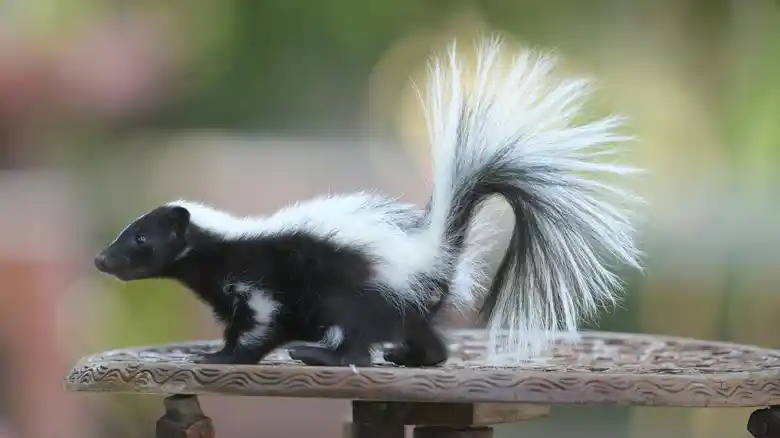
Yes, it can be. Skunk smell in the house is dangerous when it signals a natural gas leak. Natural gas has no odor on its own. Gas companies add a chemical called mercaptan (methyl mercaptan) to it. Mercaptan smells exactly like skunk spray.
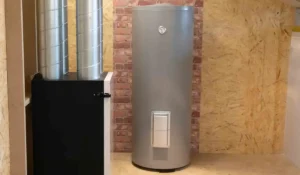
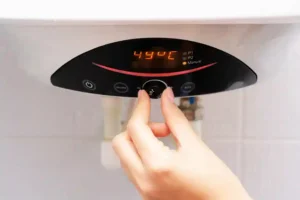
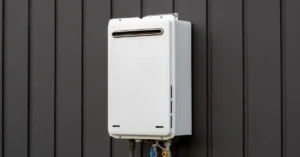
If you smell skunk near a stove, furnace, or water heater, treat it as a gas leak until proven otherwise. Gas leaks can cause explosions, fires, and carbon monoxide poisoning.
What to do right now if you suspect gas:
- Leave your home immediately. Don’t stop to grab anything.
- Do not turn lights on or off. Do not use your phone inside.
- Leave the door open as you go out.
- Call your gas company (SoCalGas: 1-800-427-2200) from outside.
- Do not re-enter until a technician clears the building.
Sewer gas is also a health concern. It contains hydrogen sulfide and methane. Short-term exposure causes headaches and nausea. High concentrations in a closed space are toxic.
Common Reasons Your House Smells Like Skunk
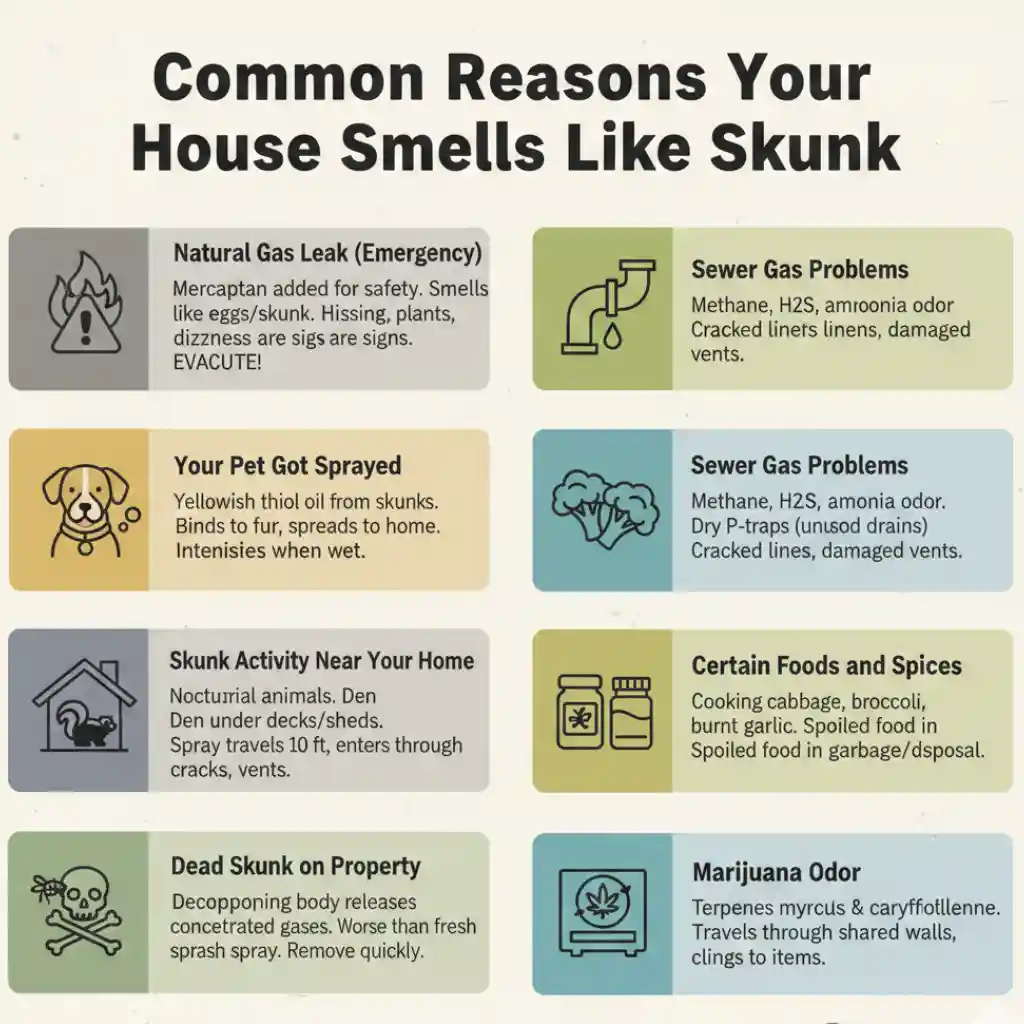
There are six main causes. Some need emergency action. Others need simple fixes. Here is how to tell them apart.
1. Natural Gas Leak (Most Urgent)
Can a gas leak smell like skunk? Yes, and this is the most important thing to know. Mercaptan, the odorant added to natural gas, produces the same sulfur-based smell as skunk spray. Many homeowners ask ‘does gas leak smell like skunk’ and the honest answer is: it smells nearly identical.
Warning signs of a gas leak beyond the smell:
- A hissing or whistling sound near gas pipes or appliances
- Dead or yellowing plants near your gas meter
- Dizziness, headaches, or nausea that ease when you go outside
- Bubbling in standing water near your gas line
Older homes in Los Angeles with original gas lines face higher risk. Corroded pipes and faulty appliance connections are the top causes.
2. Sewer Gas From Dry or Damaged Drains
Sewer gas is the most common reason a house smells like skunk but there is no skunk in sight. It contains methane, hydrogen sulfide, and ammonia. That mix smells almost identical to skunk spray.
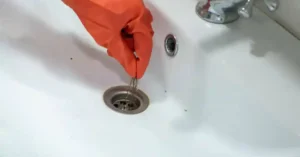
The most common cause is a dry P-trap. Every drain in your home has a U-shaped pipe that holds a small amount of water. That water blocks sewer gas from entering your home. When a drain goes unused for a few weeks, the water evaporates. Gas seeps in.
Check these drains first:
- Guest bathroom sink, shower, or tub that rarely gets used
- Basement floor drain (very common source of skunk smell in basement)
- Laundry room drain
- Rarely used toilets
Other plumbing causes include cracked sewer lines, broken vent stacks, and failed wax rings under toilets. These need a licensed plumber to diagnose and fix.
3. Skunk Activity Near or Under Your Home
Skunks den under porches, decks, sheds, and crawl spaces. In Southern California, skunk activity peaks during mating season (February to March) and baby season (April to May). A skunk that sprays in your yard sends odor molecules through window screens, door gaps, and foundation cracks.
If the smell is strongest near windows or vents at night and fades in the morning, a skunk outside is likely the source.
4. Your Pet Got Sprayed
Skunk spray is an oily thiol compound. It bonds to fur, skin, carpet, and furniture. When your dog or cat brings it indoors, the smell spreads fast and gets worse when wet. One sprayed pet can stink up a whole house for weeks without the right treatment.
5. Dead Skunk on or Near Your Property
A decomposing skunk smells worse than fresh spray. Skunks can die under decks, in crawl spaces, inside wall cavities, or in window wells. Bacteria break down the carcass and release hydrogen sulfide and other sulfur gases. This odor soaks into drywall and insulation. The smell gets stronger over days before fading.
6. HVAC System or Electrical Issues
Dead animals in ductwork, moldy air filters, and bacteria in condensate pans all produce sulfurous smells that travel through your entire home. Certain electrical faults, like overheating wiring or a failing motor, can also produce a sulfur-like odor.
Gas Leak vs. Skunk Spray: How to Tell the Difference
Many homeowners panic trying to figure out if they have a gas leak or a real skunk problem. Here is a simple comparison:
Signs pointing to a gas leak:
- Smell is strongest near appliances (stove, furnace, water heater)
- Smell appeared suddenly with no outdoor skunk activity
- You or family members feel dizzy or nauseous indoors
- You hear a hissing sound near the gas meter or pipes
Signs pointing to a real skunk:
- Smell is strongest near doors, windows, or vents
- Your pet came inside and the smell started immediately after
- Smell is worse at night or early morning (peak skunk hours)
- Smell fades when you move to the center of the house
When in doubt, treat it as a gas leak. It is always safer to evacuate and call your gas company than to investigate on your own.
How to Get Rid of Skunk Smell in Your House
Step 1: Rule Out Gas and Address It If Present
Before anything else, rule out a gas leak using the checklist above. If you suspect gas, stop reading and leave now. Call SoCalGas at 1-800-427-2200 from outside. Gas technicians respond 24/7 at no charge.
Step 2: Fix Sewer Gas at the Source
Run water down every drain in your home for 30 seconds each. This refills dry P-traps. For floor drains, pour in a quarter cup of vegetable oil after the water. Oil floats on top and slows evaporation.
If the skunk smell in your basement or bathroom returns within a day or two of running water, you likely have a cracked drain line, broken vent stack, or failed wax ring. These require a plumber.
Step 3: Treat a Sprayed Pet Correctly
Keep your pet outside while you make this solution. This is the formula that actually works. Tomato juice does not.
What you need:
- 1 quart of 3% hydrogen peroxide
- 1/4 cup of baking soda
- 1 teaspoon of liquid dish soap
Mix and apply to dry fur right away. Work it into the coat and avoid the eyes and mouth. Leave for 5 minutes, then rinse completely. Do not store this mixture. It creates oxygen gas under pressure and will burst in a sealed container.
Wash all bedding, collars, and toys in hot water with enzyme-based detergent.
Step 4: Ventilate Aggressively
Open every window and door. Place box fans in windows facing outward to push stale air out. Run bathroom and kitchen exhaust fans. Replace HVAC filters immediately as skunk odor particles collect in filters and recirculate throughout the house.
Step 5: Clean All Surfaces
Skunk oil bonds to surfaces. Regular cleaning sprays won’t break it down. You need a chemical reaction.
Hard surfaces (floors, countertops, walls):
Wipe down with equal parts white vinegar and water. Let it air dry.
Carpets and upholstery:
Use an enzyme-based pet odor cleaner. These break down the organic sulfur compounds instead of just masking them. Rent a steam cleaner for deep cleaning. Add one cup of white vinegar to the rinse water.
Fabrics (curtains, bedding, clothing):
Wash in hot water with 1 cup of white vinegar added to the rinse cycle.
Step 6: Use Odor Absorbers, Not Air Fresheners
Air fresheners mask smells temporarily. Odor absorbers actually remove them. Place shallow bowls of white vinegar in each room. Sprinkle baking soda on carpets, let it sit for 8 to 12 hours, then vacuum. Activated charcoal bags work best for stubborn odors and last up to two months.
Step 7: Remove Dead Skunks Safely
If a dead skunk is accessible, wear rubber gloves, a face mask, and old clothes. Place the carcass in two sealed plastic bags and dispose according to your local rules. If the dead animal is inside a wall cavity or crawl space, do not attempt to find it yourself. Call a wildlife removal professional. Cutting into drywall without knowing the exact location makes the problem worse
You can read about: Why Does My Bathroom Smell Like Sewage?
Additional Tips for Skunk Smell Removal
Use an Ozone Generator (Empty Rooms Only)
Ozone generators oxidize odor molecules at the molecular level. They work very well for serious skunk smells. Never run one while people or pets are home. Ozone is toxic to breathe. Run for 3 to 6 hours in empty rooms, then ventilate for at least 4 hours before re-entering.
Consider Professional Thermal Fogging
Thermal fogging heats a deodorizing solution into a fine mist that penetrates walls, drywall, and fabrics. It costs $200 to $500 but eliminates odors that home methods cannot reach. It is worth it for severe contamination or before selling a home.
When to Replace Materials
In extreme cases, cleaning is not enough. You may need to replace carpet padding, upholstered furniture, or mattresses. In very severe situations, drywall that absorbed skunk spray may need to come out. This is rare but it does happen.
How Long Does Skunk Smell Last in a House?
Here is a realistic timeline so you know what to expect:
- Minor outdoor exposure through vents or windows: 1 to 3 days with ventilation
- Pet sprayed indoors or near entry: 1 to 2 weeks with proper cleaning
- Direct spray inside the home: 2 to 4 weeks depending on how fast you act
- Dead skunk in a wall or crawl space: 3 to 6 weeks, may need professional help
Sewer gas smells disappear quickly once you fix the root cause. If P-traps were dry, filling them takes care of the odor within hours.
Preventing Skunk Smells in the Future
Seal Your Property Against Skunks
- Use hardware cloth to block under decks, porches, and foundation vents
- Keep garbage cans tightly sealed with locking lids
- Remove fallen fruit, bird seed, and outdoor pet food
- Trim shrubs and remove wood or debris piles where skunks hide
- Install motion-activated lights or sprinklers near likely entry points
Maintain Your Plumbing Year-Round
Run water through every drain in your home once a month, including guest bathrooms and basement floor drains. This prevents P-trap evaporation. Schedule a plumbing inspection once a year to check vent stacks, sewer lines, and wax rings before small issues become big ones.
Keep Your HVAC System Clean
Change HVAC filters every one to three months. Have ducts inspected annually for animals, mold, or gaps. Clean condensate pans to prevent bacterial growth that produces sulfur odors.
Protect Your Pets
Walk dogs on a leash at dawn and dusk when skunks are most active. Keep cats indoors at night, especially from February through May during peak skunk season in Southern California.
When to Call a Professional
Some situations are beyond DIY fixes. Call a professional when:
- You smell gas near any appliance
- Sewer gas smell returns within 24 hours of refilling your drains
- The smell is isolated to one room with no drain or skunk access nearby
- You suspect a dead animal is inside a wall or crawl space
- Odor has lingered for more than two weeks despite cleaning
Sewer gas problems, cracked drain lines, and damaged vent stacks need a licensed plumber. Gas leaks need your gas company. Dead animals in inaccessible spaces need a wildlife removal service.

Conclusion
A skunk-like smell in your home has a clear cause. It is almost always one of six things: a gas leak, sewer gas, a skunk nearby, a sprayed pet, a dead animal, or an HVAC problem. Treating it right depends on finding the right source first.
Always rule out gas first. If your drains are the issue, run water through them and monitor. For pet spray, use the hydrogen peroxide formula right away. For anything more serious, get professional help fast.
If sewer gas, cracked drain lines, or plumbing-related odors are the problem in your Los Angeles home, Derks Plumbing provides fast, expert diagnostics and repairs. Our team handles everything from P-trap replacements to full sewer line inspections. Contact us today for trusted Plumbing Services in Los Angeles that get to the root of the problem.
FAQs
Why does it smell like skunk in my house but there is no skunk?
The most common cause is sewer gas from a dry P-trap. Other causes include a natural gas leak, marijuana smoke from a neighbor, certain foods cooking (cabbage, Brussels sprouts), or an HVAC issue. Check unused drains first by running water for 30 seconds. If the smell is near a gas appliance, evacuate and call your gas company.
Does a gas leak smell like skunk?
Yes. Gas companies add mercaptan (methyl mercaptan) to natural gas so people can detect leaks. Mercaptan has a sulfur-based odor nearly identical to skunk spray. If the smell is near an appliance, stove, or furnace, treat it as a gas leak and evacuate immediately.
Is skunk smell in the house dangerous?
It depends on the source. Skunk spray itself is not toxic, but it causes headaches, nausea, and eye irritation in high concentrations. Sewer gas contains hydrogen sulfide and methane, both harmful in enclosed spaces. Natural gas leaks are the most dangerous, as they can cause explosions or carbon monoxide poisoning. Always rule out gas first.
Why does my basement smell like skunk?
Skunk smell in the basement usually comes from a dry floor drain. Floor drains in basements have P-traps that evaporate if unused. Pour a bucket of water down the drain and add vegetable oil to slow future evaporation. If the smell continues, you may have a cracked sewer line or broken vent pipe, which needs a plumber.
How long does skunk smell last in a house?
Without any treatment, skunk odor lingers for two to three weeks indoors. With proper ventilation, enzyme cleaners, and activated charcoal, most cases resolve in three to seven days. Severe contamination from a sprayed pet or dead skunk inside a wall can take several weeks, even with professional help.
My house smells like skunk suddenly. What should I do first?
First, check if the smell is near any gas appliances. If yes, leave immediately and call your gas company. If the smell is away from appliances, check your pets, then run water down all drains. Open windows to ventilate and identify whether the smell is stronger indoors or coming through vents and windows from outside.