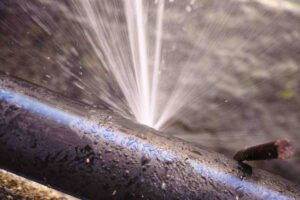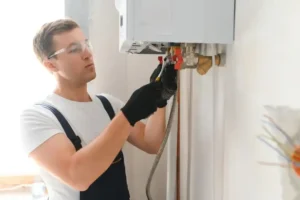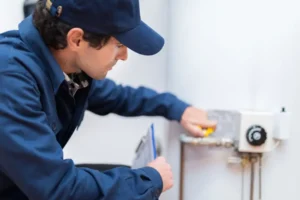
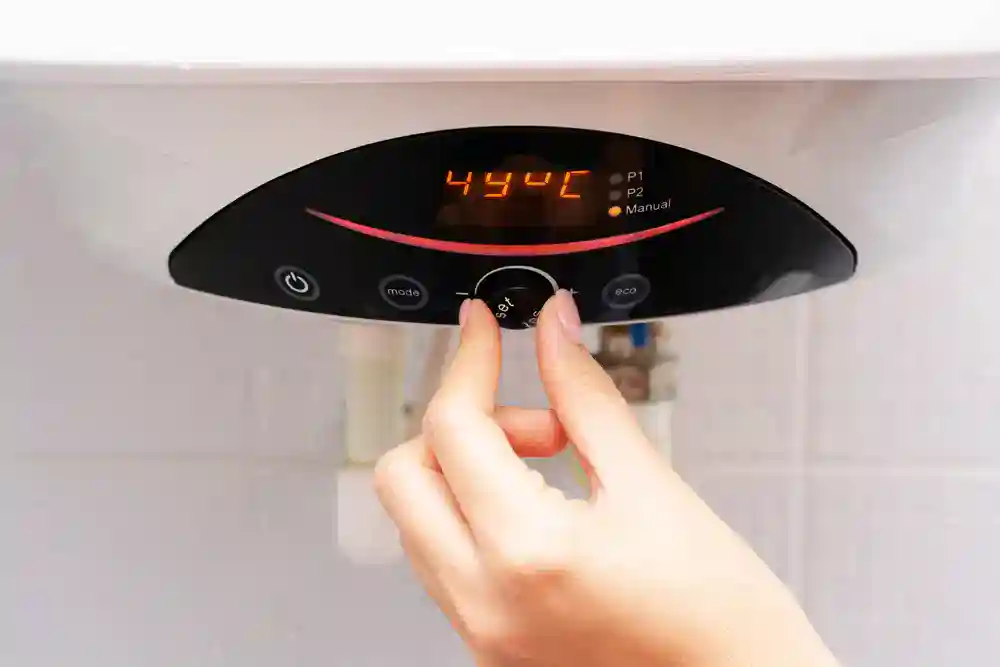
A water outage can happen at any time. A pipe bursts, your utility company shuts off service, or you turn off the main valve for a repair. In those moments, most people forget one important thing: the water heater is still running. That oversight can damage your unit in under 30 minutes and cost you hundreds of dollars in repairs.
So, should you turn off water heater when water is off? Yes, always. Without water flowing in, the heating element or gas burner keeps working but has nothing to heat. This causes overheating, part failure, and in some cases, permanent tank damage. It takes seconds to shut it off and can save you from a costly replacement.
What Happens to a Water Heater When the Water Supply Is Off?
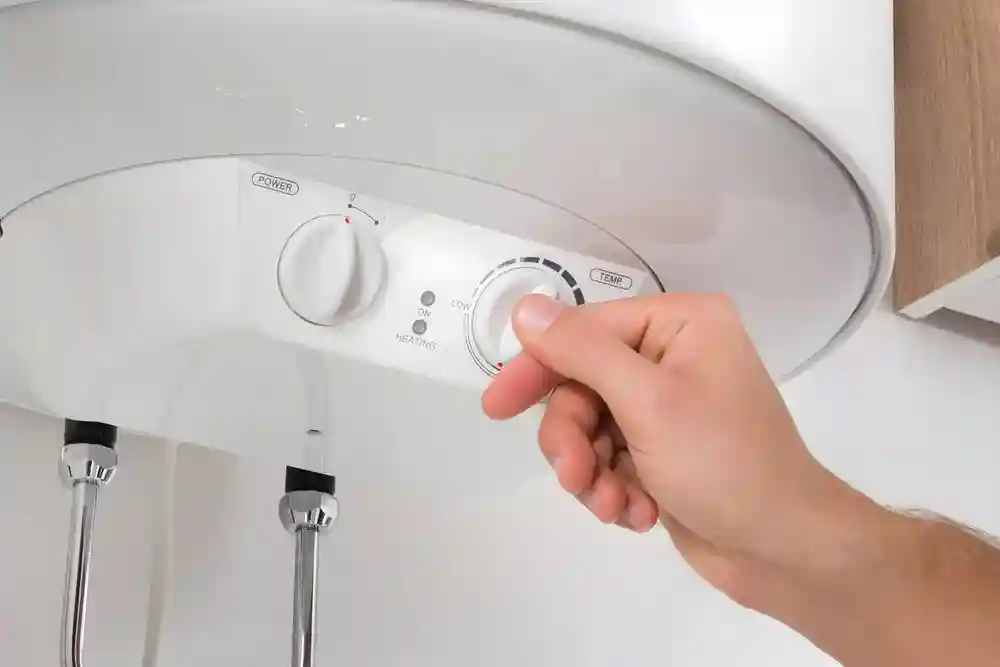
Your water heater is built to heat water, not air. The moment your supply stops, the tank stops refilling. If there’s any hot water left and it gets used up, the heating components are left running in an empty or near-empty tank.
Tank Heaters (Electric and Gas)
In electric models, the heating elements sit inside the tank. They need to stay submerged in water to work safely. When the water level drops too low, those elements heat up rapidly with nothing to cool them. They can burn out in 15 to 30 minutes.
Gas units work differently. The burner sits underneath and heats the steel tank from the outside. With no water inside, the metal overheats. This warps the tank lining, weakens the structure, and can crack the glass coating that protects against rust.
Tankless Water Heaters
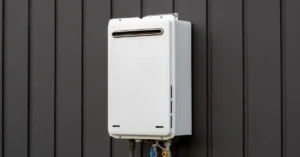
Tankless systems heat water on demand, so they don’t store water. Most modern units have flow sensors that cut power when no water is moving. But if the sensor fails, or if water pressure drops slowly rather than stopping all at once, the unit can still fire up and overheat internally.
The Air Pressure Problem
When water leaves your pipes, air rushes in to fill the space. This trapped air creates pressure spikes inside your system. It stresses the TPR valve (temperature pressure relief valve), fittings, and internal connections. Over time, this shortens your heater’s life span even if it doesn’t cause immediate damage.
Why Running a Water Heater Without Water Is Dangerous
Overheating Happens Fast
Electric heating elements can fail in as little as 15 minutes when dry. Gas burners can warp the steel tank in a similar time frame. The damage is not gradual. It is sudden and often irreversible.
Safety Devices Have Limits
Modern heaters have thermostats, high-limit switches, and TPR valves. These are meant to handle temporary spikes, not extended dry running. If the thermostat fails to cut power in time, the relief valve may open, releasing pressure. On older units, these safety systems may not trigger at all before damage occurs.
Repair Costs Are High
Replacing a single electric heating element costs between $150 and $300 with labor. A new gas valve runs $200 to $400. If the tank lining cracks or rusts through, you are looking at a full replacement, which can run $800 to $2,000 depending on the unit. Turning off your heater costs nothing.
High Repair Costs
The cost of replacing a burned-out heating element or gas valve may be more than the cost of just turning the heater off in an outage. If the tank breaks, you may need a whole new system.
When You Should Turn Off Your Water Heater
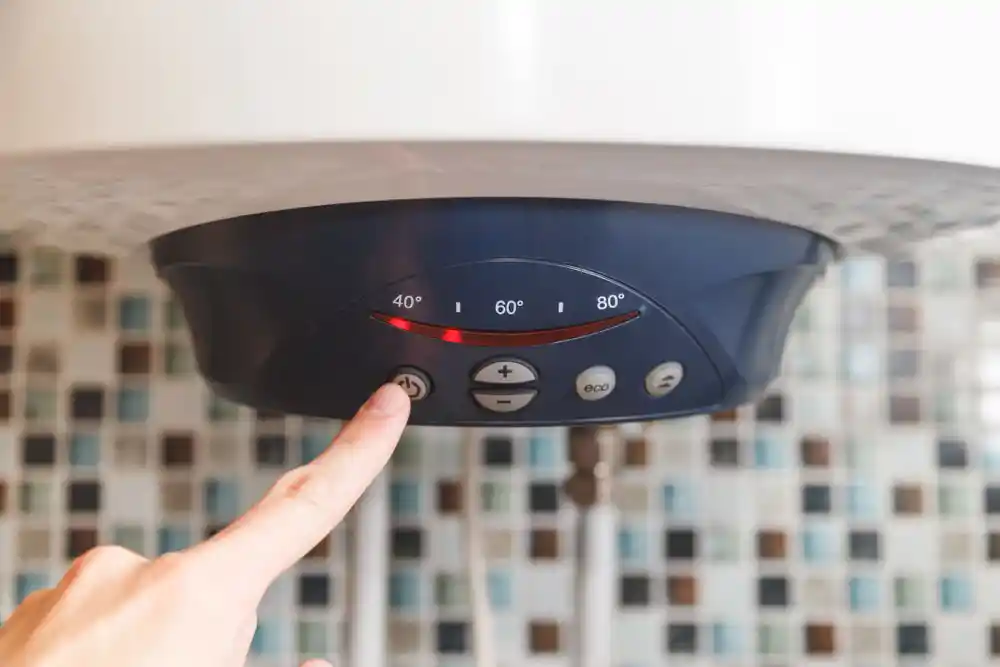
During Planned Utility Shutoffs
If your water company sends notice of a scheduled shutoff, turn off the heater the night before or right when service stops. This is the easiest situation to prepare for.
During Emergency Water Loss
Pipe burst? Main valve leak? Turn off the water heater immediately. Do not wait to see how long the outage will last. Even 20 minutes of dry running can damage electric elements.
Before Any Plumbing Repair
Any time you are turning off the water supply to your home for plumbing work, shut off the heater first. This applies to small jobs like replacing a faucet and big ones like repiping.
When Leaving for Vacation
If you are gone for more than three days, turn the heater off or set it to vacation mode. This saves energy and protects the unit if a leak occurs while you are away.
Should You Turn Off Water Heater When Water Is Off? Here’s the Simple Answer
Yes. Every time. No matter the type of heater you have, turning off the water supply without also turning off the heater puts the unit at risk.
Can I turn off water and leave water heater on? Technically yes. But it is not safe. Even a short dry run can cause damage that is not immediately visible. You may not notice the problem until the heater stops working weeks later.
The rule is simple: turning off water to water heater should always follow turning off the cold water supply to your home.
How to Safely Turn Off Different Types of Water Heaters
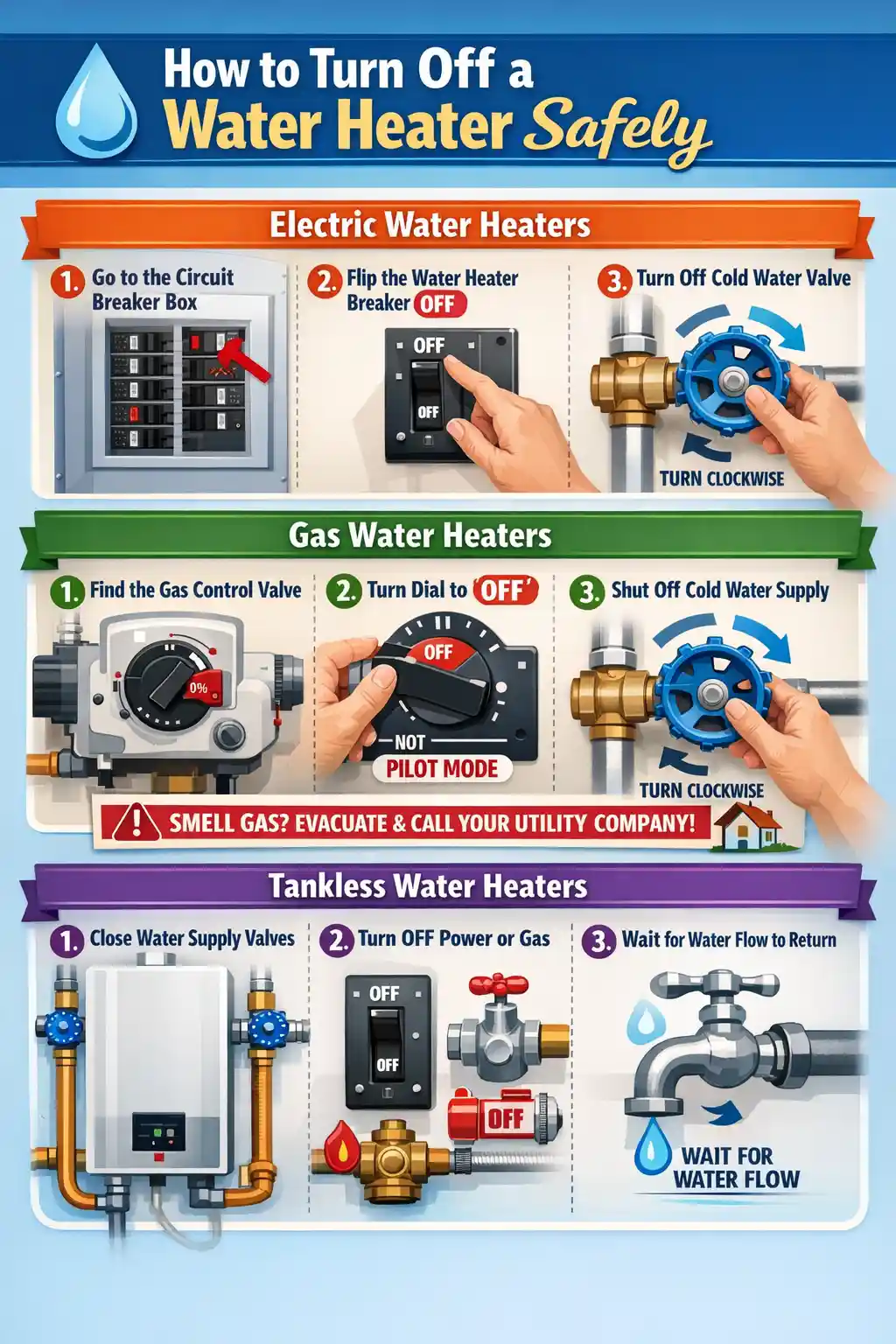
Electric Water Heater
- Go to your home’s circuit breaker panel.
- Find the breaker labeled ‘water heater.’
- Flip it to the OFF position.
- Close the cold water inlet valve at the top of the tank by turning it clockwise.
That’s all it takes to shut off hot water heater on an electric unit. The process takes under two minutes.
Gas Water Heater
Find the gas control valve on the front of the unit.
Turn the dial to the OFF position. Do not leave it on ‘pilot.’ The pilot still generates heat.
Close the cold water supply valve.
If you smell gas at any point, leave the house immediately. Call your gas company from outside.
Tankless Water Heater
Turn off the gas line or flip the dedicated circuit breaker.
Close the inlet and outlet valves on the unit.
Leave them closed until full water pressure is restored.
Most tankless units sense water flow and shut off automatically. But do not rely on this during a full outage. Manual shutoff is always the safer choice.
You can read about: How to Install a Water Heater
What Happens If You Forget to Shut Off Hot Water Heater?
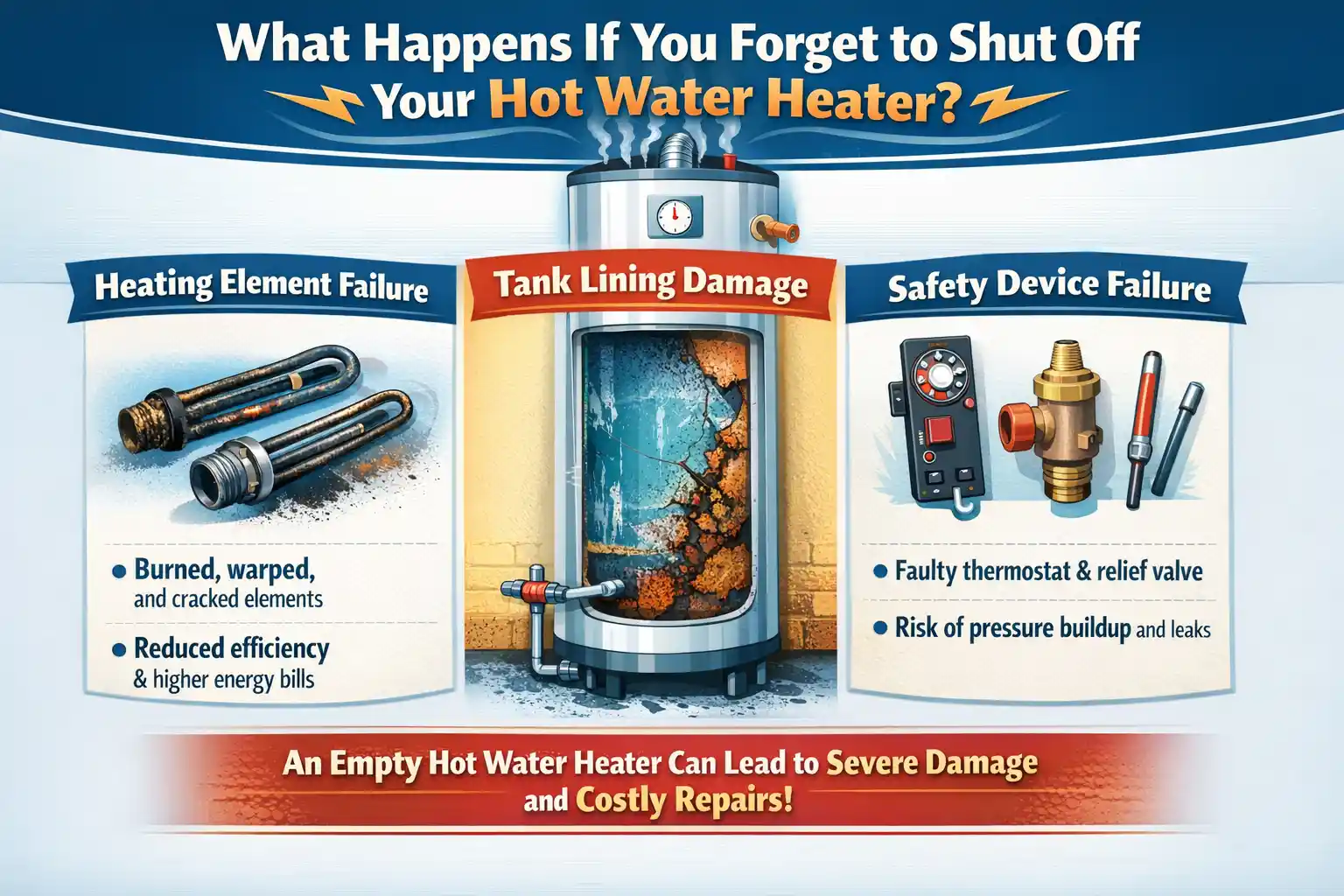
Many homeowners learn of the dangers the hard way after a power outage. Running the heater empty or dry one time will damage it for life.
Heating Element Failure
Electric elements are distorted, burned, or cracked when dry. Honeywell’s approval means P11 turbine elements can still produce heat, but that significantly reduced efficiency means higher energy bills.
Tank Lining Damage
The steel is protected from corrosion by a glass lining inside the tank. Overheating causes cracks, and water can get to the metal. Rust starts immediately, and it progresses rapidly.
Safety Device Failure
High temperature causes damage to the thermostat, relief valve, and internal probes. These devices guard the system against the potentially hazardous pressure accumulation.
Gas vs. Electric Water Heaters: Key Differences in Outage Safety
| Factor | Electric Heater | Gas Heater |
| Dry-run risk | Very high. Elements burn out fast. | High. Burner overheats the tank. |
| Time to damage | 15 to 30 minutes | 20 to 40 minutes |
| Shutdown method | Flip circuit breaker | Turn dial to OFF (not pilot) |
| Auto-protection | High-limit switch | Thermocouple + shutoff |
| Repair cost (element/valve) | $150 to $300 | $200 to $400 |
| Tank replacement cost | $800 to $1,500 | $900 to $2,000 |
What to Do When Water Service Is Restored
Restoring power or gas too quickly after an outage is a common mistake. Follow these steps to restart safely.
Step 1: Purge Air From the Lines
Open all hot water faucets in your home. Let them run until the water flows steady with no sputtering or spurting. This clears trapped air from the lines.
Step 2: Inspect the Heater
Before turning anything back on, check around the base of the tank for drips, rust stains, or moisture. Check the TPR valve for any sign it opened. Listen for unusual sounds like banging or popping when water starts flowing in.
Step 3: Slowly Refill the Tank
Open the cold water inlet valve slowly. Wait until you can no longer hear water rushing into the tank. For a 50-gallon tank, this can take 15 to 20 minutes.
Step 4: Restore Power or Gas
Only restore power or relight the gas after the tank is completely full. For electric units, flip the breaker back on. For gas units, follow the relight instructions on the label of your specific model. Brands like Rheem, A.O. Smith, and Bradford White each have slightly different pilot lighting procedures.
Step 5: Watch and Wait
Give the unit 30 to 60 minutes to heat the water. Listen for any unusual sounds. If you notice popping or banging, this likely indicates sediment buildup that got disturbed during the outage. A professional flush can clear this.
Water Heater Safety During Vacations or Long Absences
Short trip of two or three days? Simply turn the heater off. Longer trip? Here’s what to do based on how long you’ll be away.
| Trip Length | Recommended Action | Why |
| 1 to 3 days | Lower temperature setting | Saves energy, no risk |
| 4 to 14 days | Turn off or use vacation mode | Prevents leaks and wasted heat |
| 14+ days | Shut off and partially drain | Prevents tank stress and corrosion |
What Is Vacation Mode?
Many modern water heaters from brands like Rheem, A.O. Smith, and Navien have a ‘vacation mode’ setting. This keeps the water at a low temperature (around 50 degrees) to prevent freezing and bacterial growth without using full energy. Check your thermostat dial or digital control panel for this option.
Should You Drain the Tank Before a Long Vacation?
For trips over two weeks, yes. Draining reduces internal pressure, prevents sediment from hardening, and protects the tank if a leak happens while you are away. Connect a hose to the drain valve at the bottom of the tank and run it to a floor drain or outside.
Common Mistakes Homeowners Make During Water Shutoffs
- Forgetting to shut off the heater entirely. Many people turn off the main water valve but leave the heater running.
- Restarting the heater before the tank is full. This is the single biggest cause of element burnout after an outage.
- Setting gas heaters to ‘pilot’ instead of ‘off.’ The pilot still generates heat, which can cause problems during extended dry periods.
- Not purging air before restarting. Air in the lines causes banging sounds and can damage valves.
- Ignoring small noises after restart. Popping or rumbling after water returns often signals sediment or trapped air that needs to be addressed.
- Not labeling shutoff valves. In an emergency, you should not be hunting for the right valve. Label everything now.
Long-Term Damage Caused by Ignoring Water Heater Shutdowns
One dry-run incident may not kill your heater immediately. But it shortens its life significantly.
Glass Lining Cracks
The inside of your tank is coated with glass to prevent rust. Overheating cracks this lining. Once cracked, water contacts the bare steel and rust starts. You will notice discolored or rust-tinted water coming from your hot tap. At this point, the tank needs replacement.
Anode Rod Depletion
The anode rod is a metal rod inside the tank that attracts corrosion so the steel walls don’t rust. Heat stress from dry running accelerates this depletion. Once the anode rod is gone, the tank itself starts to rust. Annual maintenance and anode rod inspections extend tank life by years.
Sediment Hardening
Every water heater collects sediment at the bottom over time. Overheating causes this sediment to harden and bake on. This reduces efficiency, causes loud popping sounds, and puts stress on the tank floor. Flushing the tank annually prevents this.
TPR Valve Damage
The temperature pressure relief valve is your last line of defense against dangerous pressure buildup. Heat stress can damage the spring inside this valve, causing it to either leak constantly or fail to open when needed. A failed TPR valve is a serious safety hazard.
Practical Tips for Water Heater Safety
Label Your Shutoff Valves and Breakers Now
Use waterproof labels or a marker. Write ‘Water Heater Gas Off’ and ‘Water Heater Breaker’ on the appropriate controls. This takes five minutes and can save you from serious damage during an emergency.
Install a Water Leak Detector
A $20 to $30 sensor placed near the base of your water heater will alarm if it detects moisture. This gives you time to act before a small drip becomes a flood.
Set a Maintenance Reminder
Schedule annual maintenance. This should include flushing the tank, inspecting the anode rod, testing the TPR valve, and checking all connections. For gas heaters, venting should also be inspected.
Know Your Heater’s Age
Tank water heaters last 8 to 12 years on average. If yours is older than 10 years, a dry-run incident may push it to failure faster than a newer unit. If you are approaching that age, keep a closer eye on performance and consider planning a replacement.
Keep a Shutdown Checklist on the Unit
Write a simple card and tape it to your heater: (1) Turn off gas or electricity. (2) Close the cold water inlet valve. (3) After water returns, purge air and refill before restarting. Simple reminders prevent expensive mistakes.
Conclusion
Turning off your water heater during any water shutoff is a small action with a big payoff. It prevents dry firing, protects your heating elements, and extends the life of your tank. Whether you have a gas, electric, or tankless system, the rule stays the same: no water supply means the heater needs to be off.
When the water comes back, take your time. Purge the air, refill the tank completely, then restore power or gas. Check for leaks, listen for odd noises, and give the unit time to heat up before testing.
If your heater is older, making unusual sounds, or showing signs of rust or leaks, do not wait for a major failure. Derks Plumbing offers professional inspections, maintenance, and Water Heater Installation in Eagle Rock and surrounding areas. Our team can assess your current system, catch problems early, and help you choose the right replacement if needed. Contact us today to keep your water heater running safely for years to come.

FAQs
Should you turn off water heater when water is off for a short time?
Yes. Even 20 to 30 minutes of dry running can burn out electric heating elements. Turn off the heater as soon as you know water service has stopped.
Can I turn off water and leave water heater on overnight?
No. If the tank empties overnight due to a leak or usage, the elements will run dry and burn out. Always shut the heater off when turning off the water supply.
What happens if I forget to turn off the water heater during an outage?
Heating elements may burn out, the tank lining may crack, or the TPR valve may be damaged. Watch for signs after the water returns: discolored water, reduced hot water, strange sounds, or visible leaks near the tank.
How long can a water heater run without water?
Electric units can sustain damage in 15 to 30 minutes. Gas units may last slightly longer before damage occurs, but neither type should ever be left running without a water supply.
Should I drain my water heater if the water will be off for several days?
For shutoffs longer than 48 hours, partially draining the tank reduces internal pressure and stress on the components. For shutoffs over two weeks, drain the tank fully.
Do tankless water heaters need to be turned off during outages?
Most tankless heaters sense water flow and auto-shut off. But sensors can fail. To be safe, manually turn off the gas or breaker and close the supply valves during any extended outage.
How much does it cost to replace a damaged heating element?
Replacing a single electric heating element typically costs $150 to $300 including labor. If the tank lining is cracked or the tank has rusted through, a full replacement runs $800 to $2,000 depending on the model and installation complexity.