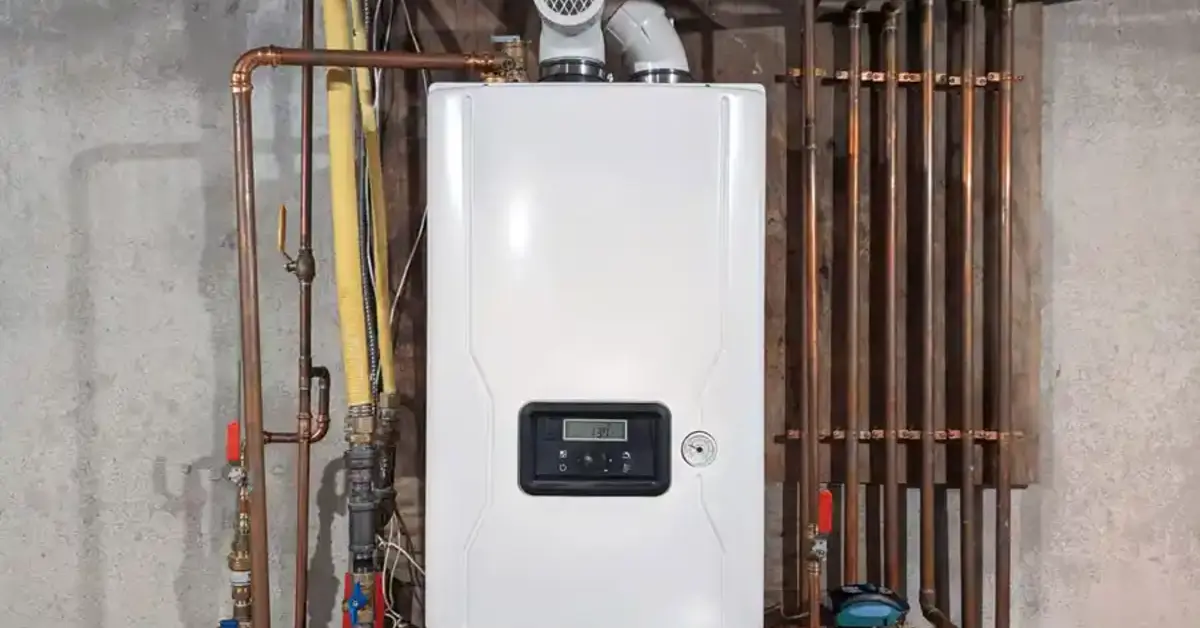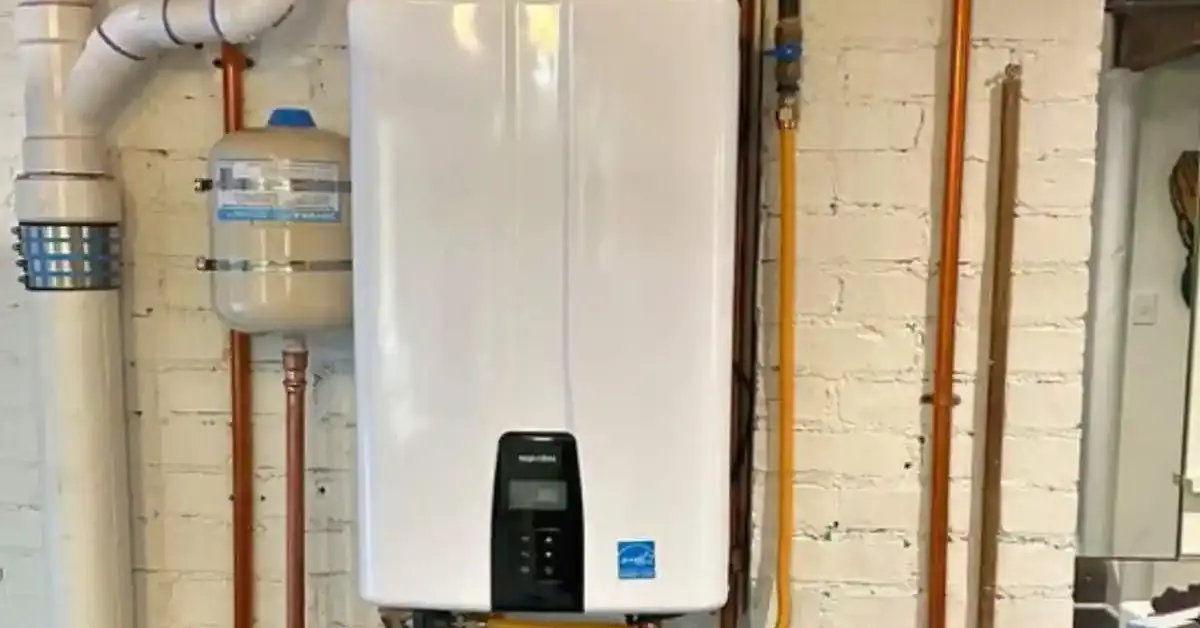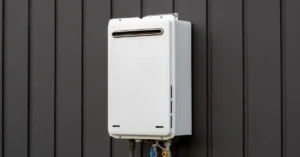
Upgrading to a tankless water heater can boost your home’s energy efficiency while providing endless hot water on demand. Before making the switch, it’s important to understand how much to install tankless water heater systems. The average tankless water heater installation cost ranges from $1,800 to $6,500, with most homeowners spending around $3,000 for a complete setup. This tankless water heater install cost varies based on factors such as unit size, fuel type, and installation complexity. Electric units typically cost less upfront, while gas models require a higher initial investment but offer long-term savings. Additional costs for venting, electrical upgrades, or gas line modifications can increase the total expense.
Average Cost to Install a Tankless Water Heater

Understanding the complete investment required for a tankless water heater helps you plan your home improvement budget effectively. The total expense includes both the unit itself and professional installation, which can vary considerably based on several factors.
National Average Cost
The national average cost to install a tankless water heater is approximately $3,000. This figure represents a typical installation that includes a mid-range unit and standard labor charges. However, tankless water heater prices can fluctuate based on your geographic location, with urban areas typically commanding higher installation fees than rural regions. The price of a tankless water heater unit alone ranges from $500 to $2,500, while labor costs add another $1,000 to $3,500 to the total. High-efficiency models from premium brands can push costs toward the upper end of the spectrum, while basic electric units represent the most affordable option for budget-conscious homeowners.
Typical Price Range
Most homeowners spend between $1,800 and $6,500 on tankless water heater installation, with the majority falling in the $2,500 to $4,500 range. Budget-friendly electric models start around $1,800 for complete installation, making them accessible for smaller homes or point-of-use applications. Mid-range installations typically cost $3,000 to $4,500 and include quality gas or electric units suitable for average households. Premium installations can exceed $6,500, particularly for whole-house gas systems requiring extensive modifications to existing infrastructure. The tankless water heater costs you’ll encounter depend heavily on whether you’re replacing a similar system or converting from a traditional tank, with conversions generally requiring additional plumbing and electrical work.
Cost Comparison: Tankless vs. Traditional Tank Water Heaters
When weighing your options, comparing tankless systems to traditional tank water heaters reveals significant differences in both upfront and long-term costs. Traditional tank water heaters cost substantially less to install, typically ranging from $800 to $2,500 for a complete installation. This lower entry price makes them attractive for immediate budget considerations. However, tankless units offer compelling advantages that offset their higher initial investment. They consume 24% to 34% less energy than conventional tank heaters for homes using 41 gallons or less of hot water daily, translating to annual savings of $100 to $150 on utility bills. With a lifespan of 20 to 25 years compared to 10 to 15 years for tank heaters, tankless systems provide better long-term value.
Tankless Water Heater Cost Factors
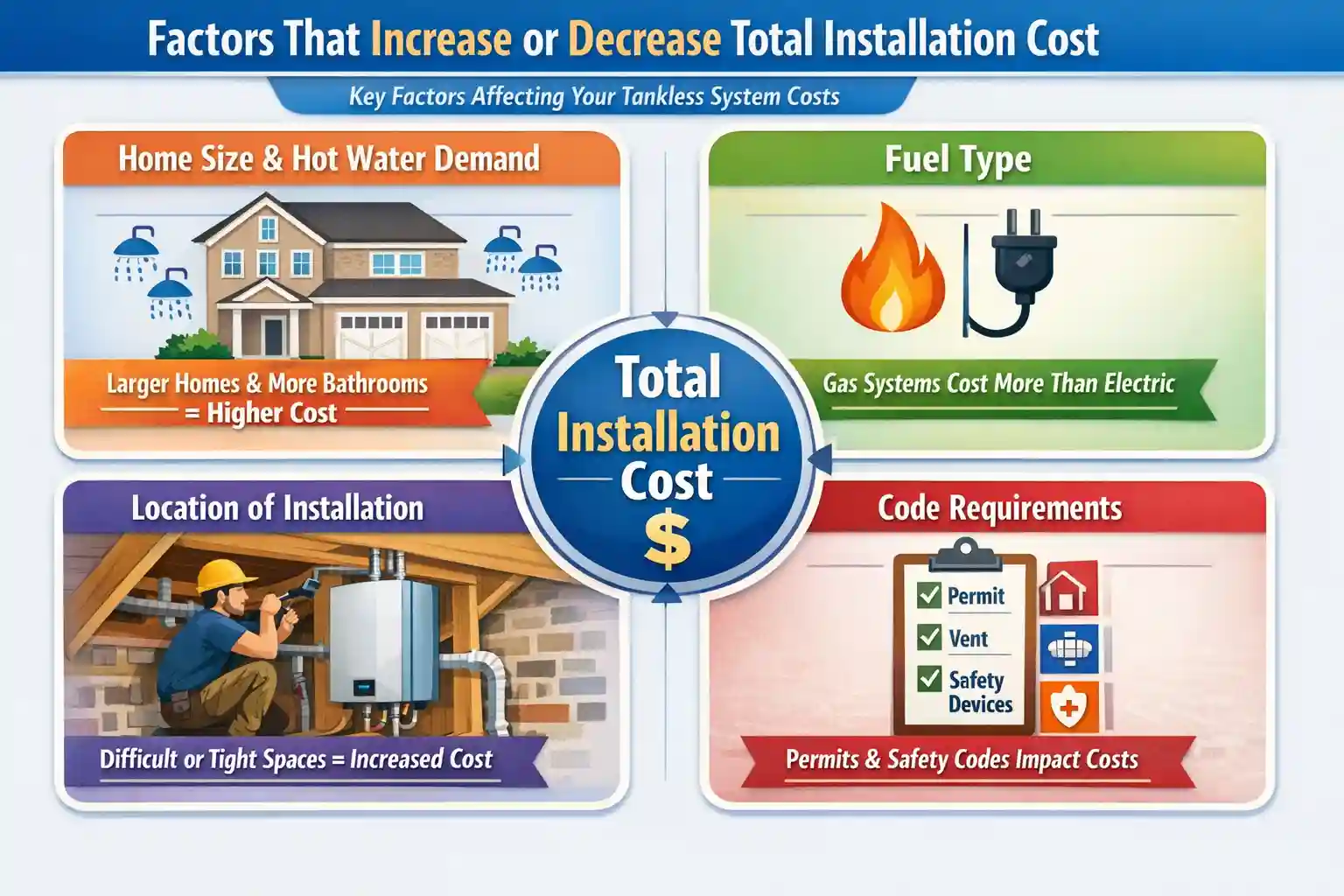
Several variables influence the total expense of installing a tankless water heater in your home. Understanding these factors helps you anticipate costs and make informed decisions about your hot water system upgrade.
Unit Type and Brand
The type and brand of tankless water heater you select significantly impacts your overall investment. Electric models typically cost between $500 and $1,500, making them the most budget-friendly option for smaller applications. Gas-powered units range from $1,000 to $2,500, offering higher flow rates suitable for larger households. Premium brands like Rinnai, Navien, and Rheem command higher prices but provide superior reliability, advanced features, and longer warranties. Budget-friendly brands can save you $300 to $800 upfront, though they may lack the efficiency ratings and durability of top-tier manufacturers. Condensing tankless units cost $500 to $1,000 more than non-condensing models but capture additional heat from exhaust gases, achieving efficiency ratings above 90%.
Labor and Installation Complexity
Labor represents a substantial portion of your total installation costs, typically accounting for $1,000 to $3,500 of the project. Straightforward replacements of existing tankless systems require minimal work and fall at the lower end of this range. However, converting from a traditional tank to a tankless system involves more extensive modifications, increasing labor expenses considerably. Gas installations demand specialized skills for proper venting and gas line connections, often requiring certified technicians who charge premium rates. Electric installations are generally simpler but may still require electrical panel upgrades. The complexity increases if your water heater is located in a difficult-to-access area like a cramped attic or basement corner. Contractors typically charge $45 to $150 per hour depending on their expertise and your location. Complex installations requiring multiple tradespeople—such as a plumber, electrician, and gas fitter can add several hours of billable time to your project, potentially doubling basic labor costs.
Location and Accessibility
Where you install your tankless water heater directly affects labor costs and installation difficulty. Easily accessible locations like garages, utility rooms, or open basements minimize installation time and expenses. Conversely, installing units in tight crawl spaces, finished areas requiring wall removal, or upper floors necessitating extensive pipe runs can add $500 to $2,000 to your project. Outdoor installations in suitable climates can reduce venting costs but may require weatherproof enclosures costing $200 to $500. The distance from your main water line and electrical panel or gas supply also matters; longer runs mean more materials and labor.
Existing Infrastructure and Upgrades
Your home’s current setup significantly influences installation costs. Older homes often require substantial infrastructure modifications to accommodate modern tankless units. Electrical systems may need panel upgrades costing $1,500 to $3,000 to handle the 120 to 200 amps required by electric tankless heaters. Gas systems might need line upgrades from ½-inch to ¾-inch pipes to supply adequate fuel, adding $500 to $1,500 to your project. Water supply lines smaller than ¾-inch diameter restrict flow and require replacement, costing $300 to $800. Homes with hard water should install water softeners ($500 to $2,500) to prevent mineral buildup that damages tankless systems and voids warranties.
Permits and Inspection Fees
Most municipalities require permits for tankless water heater installations, ensuring work meets local building and safety codes. Permit costs typically range from $50 to $500 depending on your location and the scope of work involved. Major cities and jurisdictions with strict building codes usually charge higher fees. Your contractor typically handles permit acquisition, though some may pass these costs directly to you or include them in their overall quote. After installation, inspections verify that electrical connections, gas lines, venting, and water connections comply with regulations. Inspection fees generally run $50 to $200 per visit, and some projects require multiple inspections at different completion stages.
Tankless Water Heater Cost by Size

Selecting the right size tankless water heater ensures adequate hot water supply while avoiding unnecessary expenses. The size you need depends on your household’s simultaneous hot water demands, measured in gallons per minute (GPM), which directly impacts how much to install tankless water heater systems in your home.
Small Units (1-2 Bathrooms)
Small tankless water heaters are ideal for compact homes, apartments, or single-point applications serving one to two bathrooms. These units typically provide 2 to 5 GPM flow rates, sufficient for running one shower and one sink simultaneously. The cost of tankless water heater units in this category ranges from $500 to $1,200 for the equipment alone. Total installation costs, including labor, typically fall between $1,800 and $3,500. Electric models dominate this size range, offering the most affordable and straightforward installation option. These smaller units work well for studio apartments, vacation homes, or as dedicated systems for specific areas like a master bathroom addition. Gas-powered small units cost slightly more, ranging from $800 to $1,500, but offer faster recovery times and can handle slightly higher simultaneous demands.
Medium Units (2-3 Bathrooms)
Medium-sized tankless water heaters suit average households with two to three bathrooms and moderate hot water usage patterns. These units deliver 5 to 7 GPM, accommodating two showers running simultaneously or a shower plus a dishwasher and washing machine. Tankless water heater costs for medium units range from $1,000 to $2,000 for the equipment, with total installation expenses typically running $2,500 to $4,500. Gas models are particularly popular in this category due to their ability to heat water quickly while maintaining consistent temperatures across multiple fixtures. Medium units represent the sweet spot for most families, balancing capacity with reasonable pricing.
Large Units (3+ Bathrooms)
Large tankless water heaters are designed for spacious homes with three or more bathrooms and high simultaneous hot water demands. These powerful units provide 7 to 12 GPM or more, supporting multiple showers, appliances, and fixtures operating concurrently. The cost of tankless water heater equipment in this category ranges from $1,500 to $2,500 or higher for premium models. Total installation costs typically range from $4,000 to $6,500, with complex installations potentially exceeding $8,000. Gas-powered units dominate the large-capacity market because electric systems would require impractically large electrical service upgrades. These units are essential for large families or homes with luxury amenities like multiple shower heads and soaking tubs. Large units often feature advanced controls and Wi-Fi connectivity for enhanced convenience.
Whole-House vs. Point-of-Use Systems
Whole-house units serve your entire home from a single location, costing $1,500 to $6,500 installed depending on size and fuel type. They provide centralized hot water distribution and simplified maintenance with one unit to service. Point-of-use systems are small units installed near specific fixtures, costing $500 to $1,500 each. Installing multiple point-of-use units throughout your home costs $2,000 to $4,500 total but eliminates wait times and reduces water waste. This distributed approach works well for large homes or additions far from the main water heater. Some homeowners combine both approaches, using a whole-house unit for primary needs and supplementing with point-of-use units for distant fixtures, creating a hybrid system that maximizes comfort while managing tankless water heater costs effectively.
Cost to Install a Tankless Water Heater by Fuel Type
The fuel type you choose for your tankless water heater significantly affects both upfront installation costs and long-term operating expenses. Each option offers distinct advantages and cost considerations based on your home’s existing utilities and hot water demands.
Electric Tankless Water Heaters
A tankless electric water heater is the most affordable option for upfront installation, with unit costs ranging from $500 to $1,500. Total installation expenses typically fall between $1,800 and $3,500, making electric models attractive for budget-conscious homeowners. These units require less complex installation since they don’t need venting systems or gas line connections. However, electric models often require electrical panel upgrades costing $1,500 to $3,000 to handle the 120 to 200 amp draw. They work best for smaller homes or point-of-use applications, as whole-house electric units can be expensive to operate in areas with high electricity rates. Electric tankless heaters offer nearly 100% energy efficiency since all energy converts directly to heat, but higher electricity costs compared to gas can result in monthly operating expenses of $50 to $100 or more depending on usage.
Natural Gas Tankless Water Heaters
Natural gas tankless water heaters are the most popular choice for whole-house applications, with unit costs ranging from $1,000 to $2,500. The cost for tankless water heater installation using natural gas typically runs $2,500 to $5,000 total. Gas units provide higher flow rates and faster heating than electric models, making them ideal for larger households with multiple bathrooms. Installation complexity increases due to venting requirements, which can add $500 to $1,500 to your project. Existing gas lines may need upgrading from ½-inch to ¾-inch pipes, costing another $500 to $1,500. Despite higher installation costs, natural gas units offer lower operating expenses, typically $30 to $50 monthly depending on usage and local gas rates. They maintain efficiency ratings of 80% to 98%, with condensing models achieving the highest performance levels.
Propane Tankless Water Heaters
Propane tankless water heaters cost similarly to natural gas models, with units priced between $1,000 and $2,500 and total installation running $2,500 to $5,000. They’re ideal for rural homes without natural gas access. Propane units deliver comparable performance to natural gas models with similar flow rates and heating capacity. Installation requirements mirror natural gas systems, including proper venting and adequate fuel line sizing. The primary difference lies in operating costs propane typically costs more than natural gas, resulting in monthly expenses of $50 to $80 depending on usage and regional propane prices. However, propane burns hotter than natural gas, potentially providing slightly faster heating. Homes already using propane for other appliances find this option convenient, while those requiring new propane tank installation face additional costs of $400 to $2,000 for tank purchase or rental and setup.
Additional Tankless Water Heater Costs
Beyond the base unit and standard installation, several supplementary expenses can impact your total project budget. Understanding these potential add-ons helps you plan for the complete tankless water heater install cost and avoid surprise charges.
Venting System Installation
Gas-powered tankless water heaters require proper venting to exhaust combustion gases safely, adding $500 to $1,500 to your installation. Direct-vent systems are most common, drawing air from outside and expelling exhaust through the same pathway. If your home lacks compatible existing venting, installers must create new pathways through walls or roofs. Power-vent systems that use fans to expel gases cost slightly more but offer flexible installation locations. Condensing units need PVC venting, which is affordable, while non-condensing models require expensive Category III stainless steel venting that can exceed $2,000. Outdoor installations eliminate venting costs entirely in suitable climates but may require weatherproof enclosures costing $200 to $500.
Electrical Panel Upgrades
Electric tankless water heaters demand substantial power, often requiring electrical panel upgrades that add $1,500 to $3,000 to tankless water heater costs. Whole-house electric units typically need 120 to 200 amps of dedicated service, which older homes’ 100-amp panels cannot support. The upgrade involves installing a larger service panel, potentially upgrading the meter, and adding dedicated circuits with appropriate breakers. Even gas units may require minor electrical work for ignition systems and digital controls, typically costing $200 to $500. Homes with adequate electrical capacity can skip this expense, but most installations of electric tankless systems require some level of electrical enhancement to ensure safe, code-compliant operation.
Gas Line Installation or Modification
Existing gas lines often require upgrades to supply adequate fuel for tankless water heaters, costing $500 to $1,500. Standard ½-inch gas lines that served tank heaters typically can’t deliver the volume needed for tankless units’ higher BTU demands. Upgrading to ¾-inch lines ensures proper gas flow and prevents performance issues. Homes without existing gas service face much higher costs running a new gas line from the street can cost $1,500 to $3,000 or more depending on distance. The tankless water heater installation cost increases further if the installation location is far from the main gas supply, requiring extensive pipe runs through walls, floors, or crawl spaces. All gas work must be performed by licensed professionals and inspected for safety compliance.
Water Softener or Filtration System
Hard water significantly reduces tankless water heater lifespan and efficiency, making water softeners a valuable investment costing $500 to $2,500 installed. Mineral buildup from hard water clogs heat exchangers, requiring frequent maintenance and potentially voiding manufacturer warranties. Whole-house water softeners remove calcium and magnesium before they reach your tankless unit, protecting your investment. Basic filtration systems that remove sediment cost $100 to $500 and provide essential protection in areas with particulate-heavy water supplies. Some manufacturers require water treatment systems as a warranty condition in regions with particularly hard water. While these systems add to upfront tankless water heater costs, they prevent expensive repairs and extend unit longevity, ultimately saving money over time.
Warranty and Extended Protection Plans
Standard manufacturer warranties typically cover parts for 5 to 12 years, with labor coverage for just one year. Extended warranty plans cost $150 to $500 and provide additional coverage for parts, labor, and maintenance services. These plans often include annual maintenance visits, which are essential for preserving performance and preventing problems. Some extended warranties cover the cost of descaling services, which run $150 to $300 annually when paid out-of-pocket. Premium brands sometimes offer complimentary extended warranties with product registration. Consider your home’s water quality and usage patterns when deciding on extended protection homes with hard water or heavy usage benefit most from comprehensive coverage that protects against premature component failure and expensive emergency repairs.
DIY vs. Hiring a Pro
Deciding whether to tackle tankless water heater installation yourself or hire a professional requires honest assessment of your skills, local regulations, and the project’s complexity. While DIY installation might seem like a money-saving opportunity, the technical requirements and potential risks make professional installation the preferred choice for most homeowners.
When DIY Might Be Possible
DIY installation might be feasible only when replacing an existing electric tankless unit with an identical model in the same location. If you possess electrical expertise and your local jurisdiction allows homeowner installations, you could potentially save $1,000 to $3,000 in labor costs. Simple electric point-of-use units under sinks represent the most DIY-friendly option, requiring basic plumbing connections and a dedicated electrical circuit. You’ll still need permits in most areas, and inspections will verify your work meets code requirements. First-time installers should never attempt whole-house systems or gas installations, as the complexity and safety risks far outweigh potential savings.
Risks and Limitations of DIY Installation
DIY installation carries significant risks that can exceed professional installation costs. Improper electrical connections create fire hazards, while incorrect gas work can cause deadly leaks or carbon monoxide poisoning. Most critically, DIY installation typically voids manufacturer warranties, leaving you responsible for all repair costs. Many jurisdictions legally prohibit homeowners from performing gas, electrical, or plumbing work beyond basic tasks. Insurance companies may deny claims for damage from unpermitted installations. Even minor mistakes like undersized gas lines or improper venting cause performance problems requiring costly professional remediation.
Benefits of Professional Installation
Hiring licensed professionals ensures your installation meets all safety codes and manufacturer specifications. Professional installers bring specialized expertise and carry liability insurance protecting you from damage claims. They provide workmanship warranties, typically covering labor for one to two years, and efficiently handle permits and inspections. Most importantly, professional installation preserves your manufacturer warranty, which typically requires licensed installation. While professional installation costs $1,000 to $3,500 in labor, this investment protects your equipment and eliminates the stress, liability, and dangers of DIY attempts.
Cost to Maintain a Tankless Water Heater
Regular maintenance is essential for keeping your tankless water heater operating efficiently and extending its lifespan. While tankless units require less maintenance than traditional tank heaters, annual servicing ensures optimal performance and prevents costly breakdowns.
Annual Descaling and Flushing
Descaling and flushing your tankless water heater annually removes mineral buildup that reduces efficiency and damages components. Professional descaling services cost $150 to $300, depending on your location and buildup severity. Homes with hard water should perform this maintenance more frequently, potentially twice yearly. DIY descaling is possible using a submersible pump, hoses, and descaling solution, costing $50 to $100 for supplies. However, improper flushing can damage internal components, so many homeowners prefer professional service for peace of mind.
Filter Replacement
Tankless water heaters include inlet filters that prevent sediment from entering the unit. These filters require cleaning every few months and replacement annually. Replacement filters cost $10 to $50 depending on the model. Cleaning the filter is a simple DIY task—turn off water supply, remove the filter, rinse thoroughly, and reinstall. Neglecting filter maintenance restricts water flow and reduces performance. Most manufacturers recommend checking filters quarterly in areas with sediment-heavy water.
Professional Inspection Costs
Annual professional inspections cost $100 to $200 and identify potential problems before they become expensive repairs. Technicians check gas connections, venting, electrical components, water pressure, and overall performance. Many homeowners bundle inspections with descaling services, reducing combined costs to $200 to $350. Some extended warranty plans include free annual inspections. Regular professional maintenance catches issues early, preventing system failures that require emergency repairs costing $300 to $1,000 or more.
Ways to Save Money on a Tankless Water Heater
Installing a tankless water heater represents a significant investment, but several strategies can help you reduce costs without compromising quality. Smart planning and research can save you hundreds or even thousands of dollars on your project.
Shop Around for Competitive Quotes
Getting multiple quotes from different contractors is essential for finding the best price. Aim to collect at least three to five estimates from licensed professionals in your area. Quotes can vary by $500 to $2,000 or more for the same work. Ensure each quote includes identical specifications, same unit size, fuel type, and scope of work—for accurate comparisons. Don’t automatically choose the lowest bid, as extremely low prices may indicate inexperienced installers. Check reviews, verify licenses and insurance, and ask for references before deciding.
Take Advantage of Rebates and Tax Credits
Federal tax credits, state rebates, and utility company incentives can significantly reduce your costs. The federal Energy Star tax credit offers up to $600 for qualifying high-efficiency tankless water heaters. Many utility companies provide rebates ranging from $100 to $500 for energy-efficient upgrades. Check the Database of State Incentives for Renewables & Efficiency (DSIRE) to find programs in your area. Some manufacturers also offer promotional rebates during certain periods. Combined incentives can reduce your total installation cost by $500 to $1,500.
Consider Off-Season Installation
Scheduling your installation during off-peak seasons can result in lower labor costs. Plumbers and HVAC technicians are typically less busy during spring and fall, making them more willing to offer competitive pricing. Avoid peak demand periods like winter when heating emergencies keep contractors fully booked at premium rates. Off-season installation may save you 10% to 20% on labor costs, translating to $200 to $600 in savings. You’ll also enjoy faster scheduling and more attentive service when contractors aren’t overwhelmed.
Choose the Right Size for Your Needs
Selecting the appropriately sized unit prevents overspending on unnecessary capacity. Calculate your peak hot water usage by adding up the flow rates of fixtures you’ll use simultaneously. A typical shower uses 2.5 GPM, dishwasher uses 1.5 GPM, and washing machine uses 2 GPM. Most households can meet their needs with medium-sized units costing $1,000 to $2,000 rather than large units costing $2,500 or more. Consult with professionals to accurately assess your needs and avoid paying for capacity you won’t use.
You can read about: How to Install Tankless Water Heater
Conclusion
Understanding how much to install tankless water heater systems helps you make an informed investment in your home’s comfort and efficiency. While costs typically range from $1,800 to $6,500 depending on unit size, fuel type, and installation complexity, the long-term benefits of endless hot water, energy savings, and extended lifespan make tankless systems a worthwhile upgrade. From selecting the right size to factoring in additional expenses like venting and electrical upgrades, proper planning ensures your project stays within budget. Taking advantage of rebates, comparing quotes, and scheduling off-season installation can further reduce costs.
For homeowners seeking professional Tankless Water Heater Installation in Eagle Rock,the team of Derks Plumbing offers expert service backed by years of experience. Our licensed technicians ensure code-compliant installations that preserve manufacturer warranties and deliver reliable performance. With proper maintenance and professional care, your tankless water heater will provide efficient, on-demand hot water while reducing energy costs for years to come.
FAQs
How long does a tankless water heater last?
Tankless water heaters typically last 20 to 25 years with proper maintenance, significantly longer than traditional tank water heaters that last only 10 to 15 years. Regular annual descaling and flushing are essential to maximize lifespan, especially in areas with hard water. This extended lifespan offsets the higher upfront installation cost, making tankless systems a better long-term investment.
Can I install a tankless water heater myself?
While technically possible for experienced DIYers, self-installation is generally not recommended. DIY installation often voids manufacturer warranties, may violate local building codes, and creates safety risks including fire hazards and gas leaks. Most jurisdictions require licensed professionals for gas and electrical work. Professional installation ensures code compliance, preserves warranties, and provides liability protection, making the $1,000 to $3,500 labor cost worthwhile.
How much can I save on energy bills with a tankless water heater?
Tankless water heaters can save you $100 to $150 annually on energy bills compared to traditional tank water heaters. They’re 24% to 34% more efficient for homes using 41 gallons or less of hot water daily. Gas tankless models typically offer greater savings than electric ones in areas where natural gas is cheaper than electricity. Over the unit’s 20+ year lifespan, energy savings can total $2,000 to $3,000 or more.
What size tankless water heater do I need for my home?
The right size depends on your simultaneous hot water demands, measured in gallons per minute (GPM). Small homes with 1-2 bathrooms need 2-5 GPM units, medium homes with 2-3 bathrooms require 5-7 GPM, and large homes with 3+ bathrooms need 7-12 GPM or more. Calculate peak usage by adding flow rates showers use about 2.5 GPM, dishwashers 1.5 GPM, and washing machines 2 GPM. A professional can help determine the exact size for your needs.
Are there tax credits or rebates available for tankless water heaters?
Yes, several incentives can reduce installation costs. The federal Energy Star tax credit offers up to $600 for qualifying high-efficiency units. Many utility companies provide rebates ranging from $100 to $500 for energy-efficient upgrades. Check the Database of State Incentives for Renewables & Efficiency (DSIRE) to find programs in your area. Combined, these incentives can reduce your total cost by $500 to $1,500.