You turn on the hot water tap and nothing comes out but cold water. That’s frustrating. Your water heater is running, the pilot light is on, but the water stays cold. This problem is more common than most people think, and it can happen at any time of year, though cold weather makes it worse.
If you’ve been searching for a cold field water heater meaning, you’re in the right place. It refers to a water heater that stops heating water properly, often caused by a failed heating element, thermostat issues, or weather-related stress on the unit. This guide covers everything you need to know, from causes to fixes.
What Does Cold Water Heater Mean?
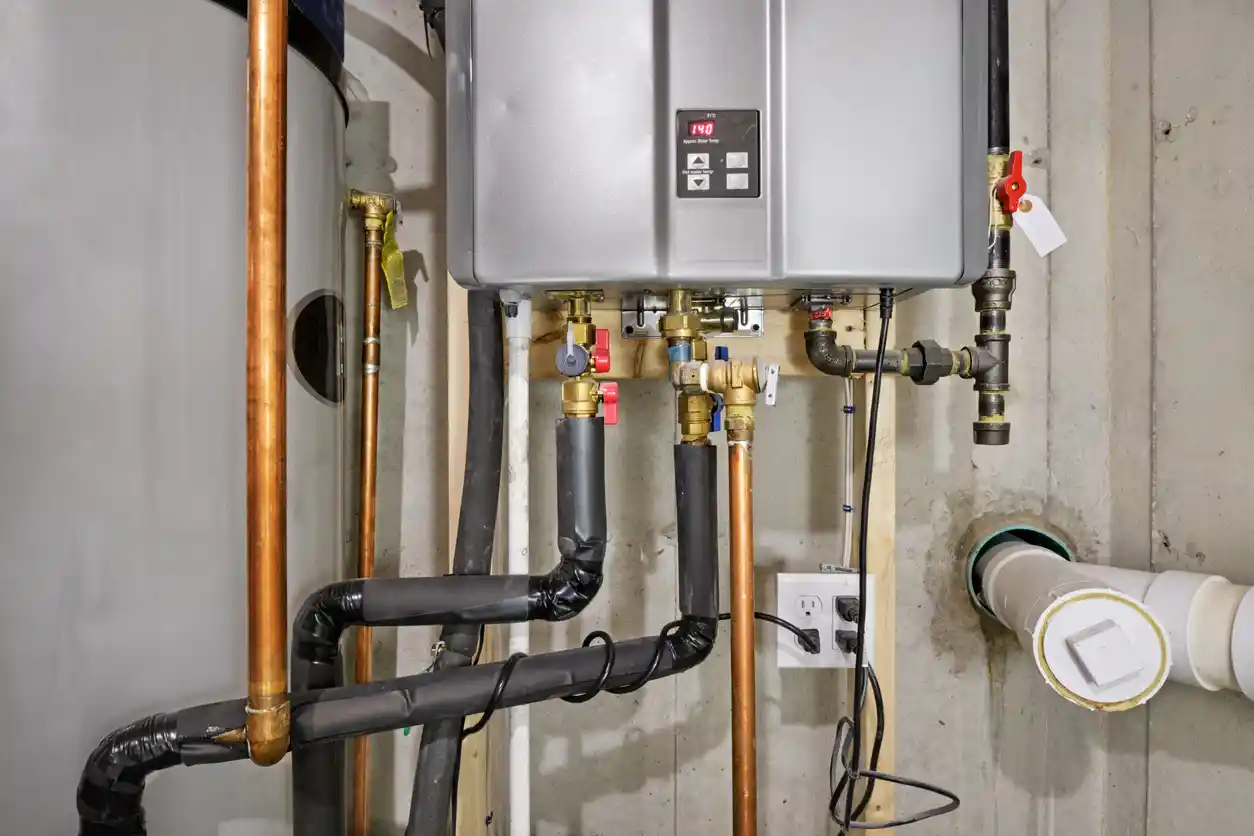
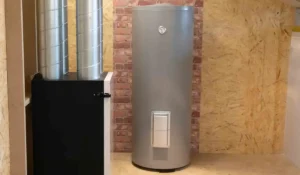
A cold water heater is exactly what it sounds like: a water heater that is no longer doing its job. Instead of heating your water to a warm, usable temperature, it delivers cold or lukewarm water to your taps.
This can happen with both tank-style and tankless water heaters. The term cold field water heater meaning is often used by plumbers and HVAC techs to describe a unit that has failed in the field, meaning it stopped working at the installation site rather than in a factory or lab setting.
Understanding the difference between a completely cold heater and one that produces lukewarm water matters. A fully cold unit usually means a total component failure. Lukewarm water suggests the heater is partially working, possibly with one failed heating element out of two.
Tank vs. Tankless: Does the Type Matter?
Yes, it does. With tank-style water heaters, the most common reasons for cold water are a broken heating element or a faulty thermostat. With tankless units, it’s usually a flow sensor issue, a tripped reset button, or an ignition failure on gas models.
Both types can be affected by cold weather, but tank units are more vulnerable because the stored water can lose heat fast when temperatures drop.
You can read about: How to Install a Water Heater
Common Reasons and Causes Behind This Problem
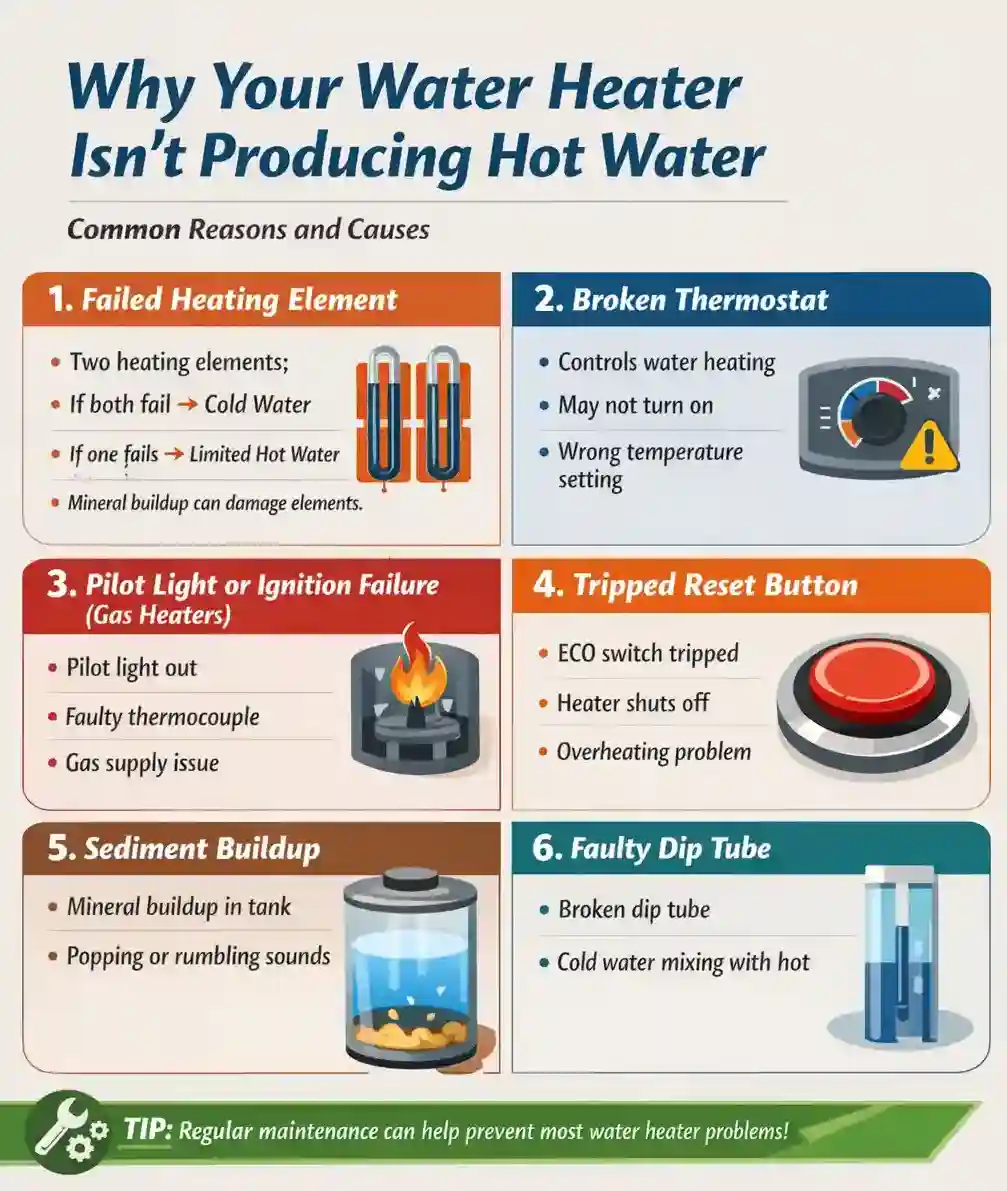
There’s no single reason why a water heater stops producing hot water. Most of the time, it comes down to one of these issues:
1. Failed Heating Element
This is the most common cause in electric water heaters. Most electric units have two heating elements, one at the top and one at the bottom. If both fail, you get cold water. If only one fails, you might get less hot water than usual.
Heating elements wear out over time. Mineral buildup from hard water can coat them and reduce their efficiency. Eventually, they stop working entirely.
2. Broken Thermostat
The thermostat tells your water heater when to heat and when to stop. If it fails, the heater may never turn on, or it might not heat water to the right temperature. Electric water heaters typically have two thermostats matching the two heating elements.
3. Pilot Light or Ignition Failure (Gas Heaters)
For gas water heaters, a blown-out pilot light is one of the first things to check. If the pilot light goes out, the burner won’t ignite, and you’ll get cold water. This can happen due to a faulty thermocouple, a gas supply issue, or simply a strong draft.
4. Tripped Reset Button
Electric water heaters have a reset button, sometimes called an emergency cut-off or ECO switch. If the water gets too hot, the reset trips to protect the unit. A tripped reset will shut off your heater completely. You can press it to restore power, but if it trips often, there’s an underlying problem.
5. Sediment Buildup
Over time, minerals in your water settle at the bottom of the tank. This layer of sediment acts like insulation between the burner and the water, making it harder to heat. You may hear popping or rumbling sounds when this happens. Flushing the tank regularly helps prevent this.
6. Faulty Dip Tube
The dip tube pushes cold incoming water to the bottom of the tank so it can be heated before rising to the top. If this tube breaks or cracks, cold water mixes with hot water near the top, and you end up with lukewarm output.
Why This Issue Is Common in Winter Seasons
Cold weather affects your water heater more than most people realize. When outdoor temperatures drop, it puts extra pressure on your unit in several ways. First, the water coming into your home is colder in winter. Your water heater has to work harder and longer to bring it up to the right temperature. This extra workload puts more stress on heating elements, thermostats, and gas burners.
Second, if your water heater is in an unheated space like a garage, basement, or utility room, the unit itself gets cold. A cold water heater in an unheated area loses heat fast. The unit runs almost constantly trying to keep up, which accelerates wear.
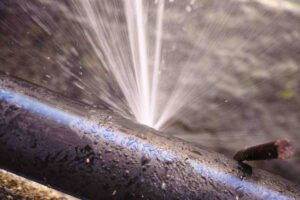
Third, pipes can freeze in very cold weather. If the pipes connected to your heater freeze, no water flows at all, which can look like a heater problem when it’s actually a pipe problem.
Does cold weather affect water heater performance? Absolutely. Studies and real-world plumbing reports consistently show a spike in water heater service calls during winter months, especially in regions where temperatures drop below 20 degrees Fahrenheit.
What Temperature Is Too Cold for a Water Heater?
Most water heaters are designed to work in spaces above 40 degrees Fahrenheit. If your unit is in a space that drops below that, you risk reduced performance, pipe damage, and faster wear on internal components. Some tankless units have built-in freeze protection, but tank-style heaters generally don’t.
Warning Signs That You Should Not Ignore
Don’t wait until you have no hot water at all. These are the signs that tell you something is going wrong:
- Your hot water runs out much faster than it used to.
- The water temperature is inconsistent, hot one minute, cold the next.
- You hear strange noises like popping, rumbling, or banging from the tank.
- You see rust-colored or discolored water coming from the hot tap.
- There is visible rust or corrosion on the tank or connected pipes.
- Water is pooling around the base of the heater.
- Your energy bills have increased without a clear reason.
- The unit is more than 10 to 12 years old.
Any one of these signs is worth taking seriously. Multiple signs at once usually mean the unit needs immediate attention or replacement.
Preventing Cold Water Heater Problems
Most water heater problems don’t happen overnight. They build up slowly over months and years. The good news is that regular care can extend your unit’s life and keep it running well.
Flush the Tank Every Year
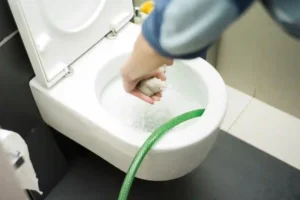
Sediment is one of the biggest killers of water heaters. Flushing the tank once a year removes mineral deposits that build up at the bottom. It’s a simple process that takes about 30 minutes and can add years to your unit’s life.
Test the Pressure Relief Valve
The pressure relief valve, also called the T&P valve, is a safety device. It releases pressure if your tank gets too hot or builds up too much pressure. Test it once a year by lifting the lever slightly and letting it snap back. If water keeps dripping after the test, the valve needs to be replaced.
Insulate the Heater and Pipes
In cold climates, insulating your water heater tank and the first few feet of connected pipes makes a real difference. A water heater blanket can reduce heat loss significantly. Pipe insulation prevents freezing and helps deliver hotter water faster.
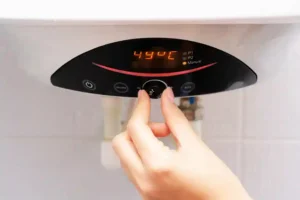
Set the Thermostat Correctly
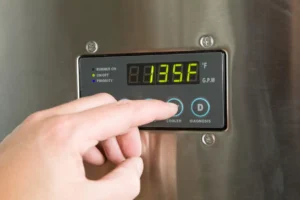
The Department of Energy recommends setting your water heater thermostat to 120 degrees Fahrenheit. This is hot enough for everyday use but not so hot that it causes scalding or puts unnecessary stress on the unit.
Check the Anode Rod
The anode rod is a metal rod inside your tank that attracts corrosive minerals, protecting the tank walls. It should be checked every two to three years and replaced when it’s heavily corroded. A failed anode rod means your tank starts corroding instead.
When You Need a Replacement
Sometimes repairs are not the right answer. Here’s when replacement makes more sense than fixing the existing unit:
- Your heater is more than 10 to 12 years old.
- Repair costs are close to or more than half the cost of a new unit.
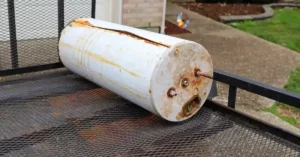
- The tank is leaking, which usually means internal corrosion.
- You’ve had multiple repairs in the past two years.
- Your energy bills are consistently high despite a functioning unit.
Upgrading to a newer model, especially a high-efficiency or tankless unit, can save money on energy bills in the long run. Modern water heaters are significantly more efficient than units made 10 or 15 years ago.
When shopping for a replacement, consider the size of your household, your hot water usage habits, and whether you want gas or electricity. A licensed plumber can help you choose the right model and size for your home.
How to Troubleshoot a Cold Water Heater at Home
Before calling a plumber, there are a few basic checks you can do yourself.
For Electric Water Heaters
Start by checking your circuit breaker panel. A tripped breaker means no power to the heater. Reset it and see if that solves the problem. If the breaker trips again, you likely have a wiring or component issue.
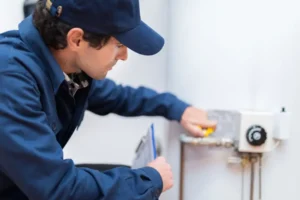
Next, press the reset button on the heater. It’s usually a red button on the upper thermostat behind the access panel. Hold it in for a few seconds. If the heater starts working, the reset had tripped. Watch to see if it trips again soon.
For Gas Water Heaters
Check whether the pilot light is on. If it’s out, follow the manufacturer’s instructions to relight it. Most units have a step-by-step guide printed on the label. If the pilot won’t stay lit, the thermocouple may need to be replaced.
Also check that your gas supply valve is fully open. Sometimes it gets bumped and partially closed without anyone noticing.
Professional Assistance from Derks Plumbing
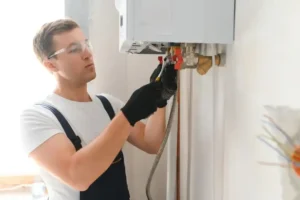
Some water heater problems are simple enough to fix yourself, but many are not. If you’ve tried the basic troubleshooting steps and still have cold water, it’s time to call a professional.
Derks Plumbing specializes in water heater diagnosis, repair, and replacement across the Eagle Rock area. Whether you have an electric, gas, or tankless unit, the team at Derks Plumbing has the tools and experience to find the problem fast and fix it right.
If you’re looking for reliable water heater installation in Eagle Rock, the team at Derks Plumbing offers transparent pricing, quality parts, and professional service. They handle everything from simple element replacements to full unit installations, making sure your hot water is back up and running as quickly as possible.
You can trust our team for honest assessments. They won’t recommend a replacement if a repair will do. And they won’t push a low-quality fix if replacement is the smarter long-term choice.

Conclusion
A cold water heater is more than an inconvenience. It can signal a serious underlying problem that, if left unaddressed, may result in water damage, higher energy costs, or a complete breakdown.
Understanding the meaning of the cold field water heater helps you respond faster and smarter. Whether the cause is a failed heating element, a gas ignition issue, or cold weather putting stress on the unit, knowing what to look for puts you in control.
Keep up with annual maintenance, watch for early warning signs, and don’t wait until you’re standing under a cold shower to take action. And when the problem is beyond a simple fix, Derks Plumbing is ready to help.
Frequently Asked Questions
What does cold field water heater meaning refer to?
It refers to a water heater that has stopped producing hot water at the installation site. The term is used by plumbers to describe a unit that has failed in real-world use, as opposed to a controlled testing environment.
Does cold weather affect water heater performance?
Yes. Cold weather makes incoming water colder, forces the heater to work harder, and can cause problems if the unit is installed in an unheated space. Insulating the unit and surrounding pipes helps reduce weather-related issues.
How do I know if my water heater needs repair or replacement?
If the unit is under 10 years old and the repair cost is reasonable, repair usually makes sense. If it’s older than 10 to 12 years, if the tank is leaking, or if you’ve had multiple repairs recently, replacement is likely the better investment.
Can I fix a cold water heater myself?
You can safely do some basic troubleshooting, like checking the breaker, resetting the unit, or relighting the pilot light. But replacing heating elements, thermostats, or thermocouples is best left to a licensed plumber to avoid safety risks.
How often should I maintain my water heater?
Flush the tank once a year. Check the anode rod every two to three years. Test the T&P valve annually. These simple steps can significantly extend the life of your water heater and prevent unexpected failures.
What temperature should I set my water heater?
120 degrees Fahrenheit is the standard recommendation. It’s safe, efficient, and enough for most household needs including showers, dishwashing, and laundry.
How long does a typical water heater last?
Most tank water heaters last between 8 and 12 years with regular maintenance. Tankless units can last 15 to 20 years. If your unit is approaching or past these ages, start planning for a replacement before a total failure leaves you without hot water.