
Can you lay a water heater on its side? In most cases, a tank water heater is best transported upright. However, some situations may require you to move the unit horizontally. Whether this is safe depends on the water heater type, model, manufacturer instructions, and how the unit is handled during transportation.
Laying a water heater on its side for transportation is different from installing or operating it horizontally. Before moving the unit, check the manufacturer’s instructions for the specific model. If sideways transportation is allowed, the water heater should be drained, protected, and secured properly to prevent damage.
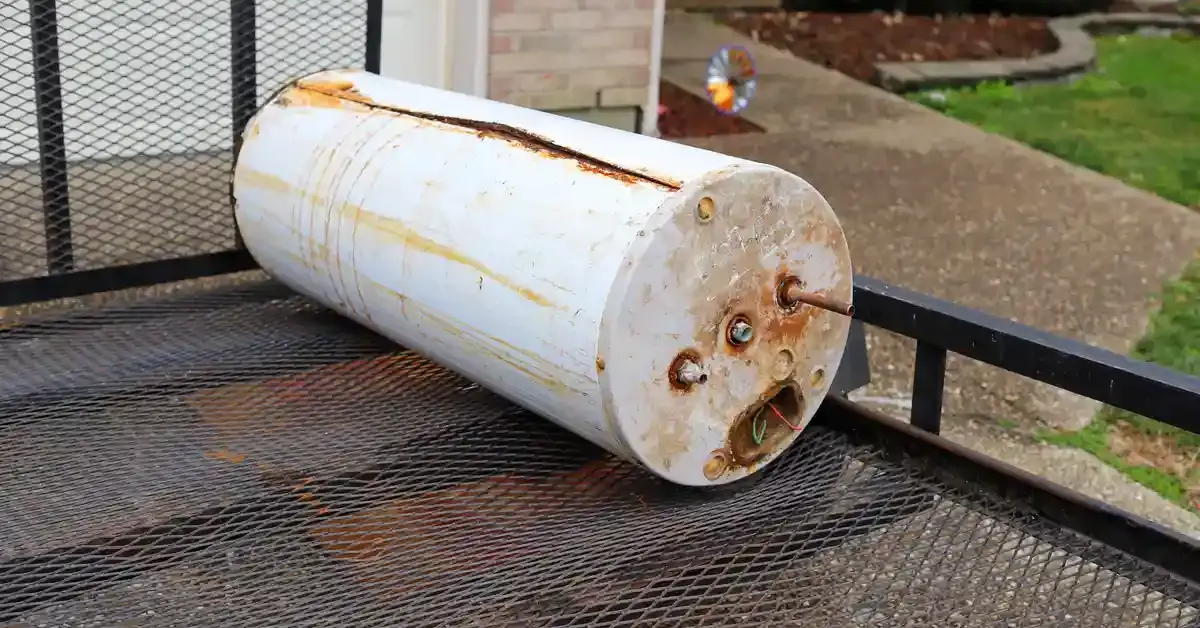
Can You Transport a Water Heater on Its Side?
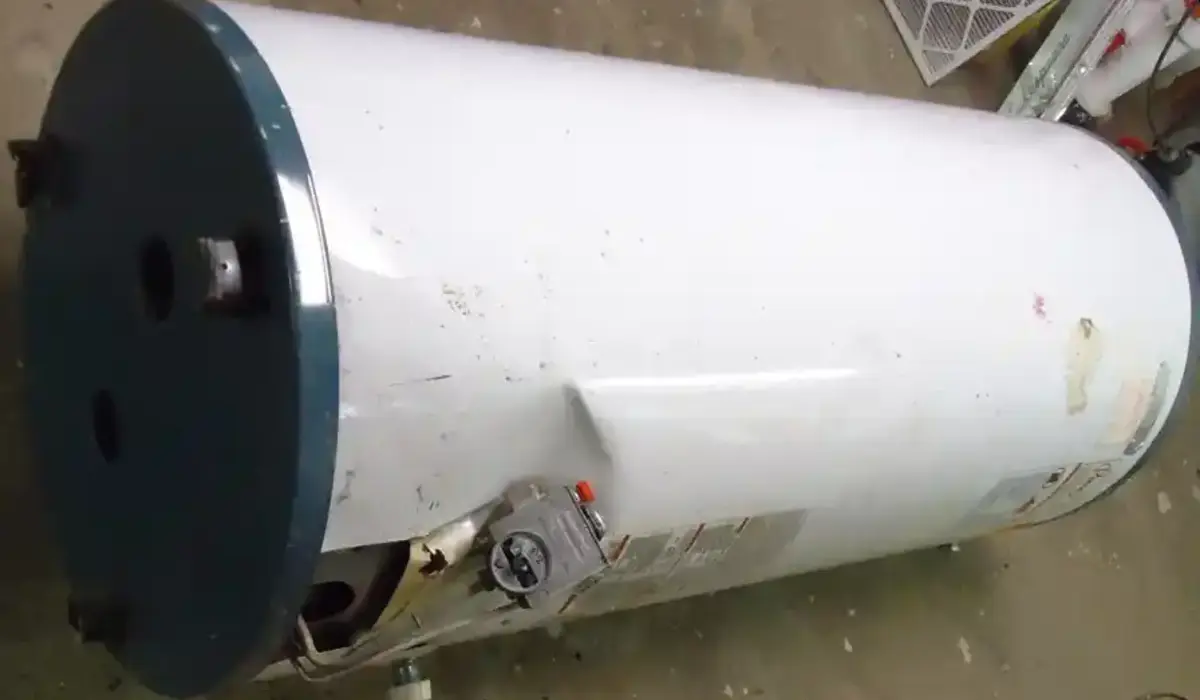
Yes, some water heaters can be transported on their side temporarily, but keeping the unit upright is generally the preferred option.
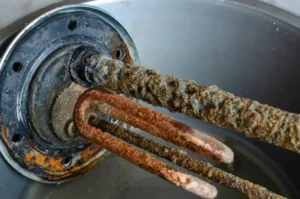
A traditional tank water heater contains several components that can be affected by rough handling. These include the storage tank, anode rod, dip tube, heating elements, thermostats, valves, and plumbing connections.
If you need to transport a water heater on its side, follow these basic precautions:
- Check the manufacturer’s instructions first.
- Drain the tank completely if it has been used.
- Protect the heater with suitable padding.
- Keep valves and fittings away from hard surfaces.
- Secure the unit so it cannot roll or shift.
- Avoid dropping, dragging, or roughly handling the heater.
- Return the unit to an upright position after transportation.
- Inspect the heater for damage before installation.
The manufacturer’s instructions should always take priority because transportation requirements can vary between models.
Should a Water Heater Be Transported Upright?
Yes, upright transportation is generally the safest and preferred method for a tank-style water heater.
Water heaters are normally designed to stand vertically during installation and operation. Keeping the unit upright during transportation can make it easier to stabilize and protect the tank and its components.
If your vehicle does not have enough space to keep the heater upright, check the manufacturer’s instructions before laying it down. Never assume that every model can safely be transported horizontally.
Why Can Transporting a Water Heater on Its Side Be Risky?
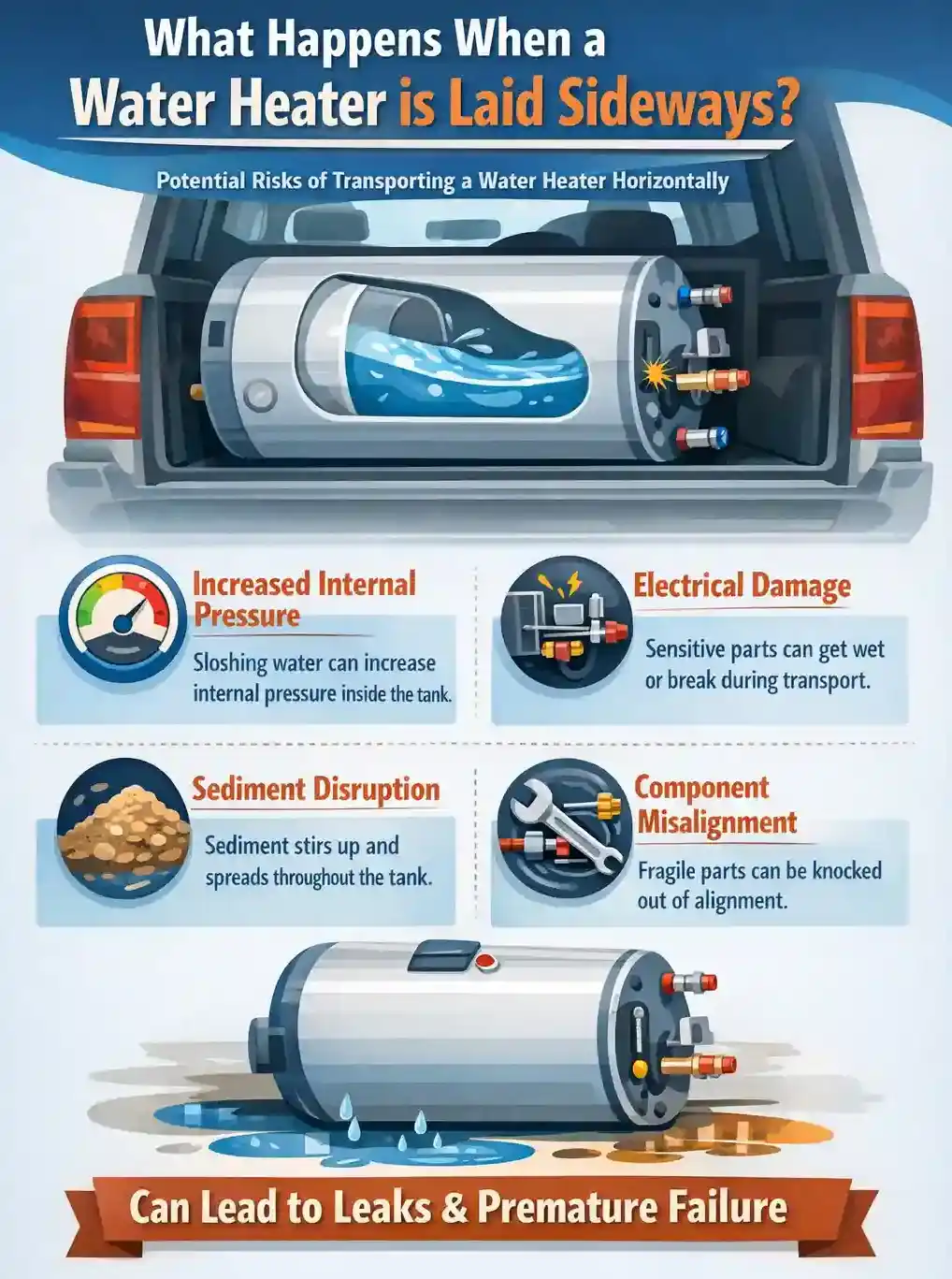
The main concern is not simply that the heater is horizontal. Rough handling, impacts, and improper securing can cause damage.
Damage to the Tank
Many traditional water heaters have a glass-lined steel storage tank. A strong impact or drop during transportation can potentially damage the tank or its protective lining.
This is why the heater should be handled carefully and protected from direct impacts.
Damage to Internal Components
A tank water heater contains several internal components, including the anode rod, dip tube, heating elements, and thermostats.
Rough movement or impacts can put unnecessary stress on these components and may lead to problems after the heater is installed.
Damage to Water Connections
The inlet and outlet connections can be damaged if the water heater is dropped, dragged, or placed directly on its fittings.
A damaged connection may result in leaks when the unit is connected to the plumbing system again.
Damage to Gas Components
Gas water heaters contain additional components such as gas controls and burner assemblies. These components require extra care during transportation.
If a gas connection or control component appears damaged after moving the heater, have it inspected before reconnecting or operating the unit.
Damage to the Outer Jacket
The outer jacket protects the components inside the water heater. Dents may be cosmetic, but severe impacts can indicate that the unit has experienced significant force.
Inspect the heater carefully after transportation before proceeding with installation.
How to Safely Transport a Water Heater on Its Side
If the manufacturer’s instructions allow temporary horizontal transportation, use proper handling methods to reduce the risk of damage.
1. Check the Manufacturer’s Instructions
Before moving the water heater, read the owner’s manual and installation instructions.
Look for information about transportation, storage, orientation, handling, and installation. Some models may specifically require upright transportation.
If the manufacturer says the unit must remain upright, arrange transportation accordingly.
2. Drain the Water Heater
If you are moving an existing tank water heater, shut it down safely and drain the tank before transportation.
A tank filled with water is extremely heavy and much harder to move. Never attempt to move a full water heater without proper equipment and assistance.
3. Disconnect the Water Heater Safely
Before moving the unit, the necessary water, gas, or electrical connections must be disconnected.
Gas and electrical connections can create serious safety hazards. If you are not qualified to disconnect these systems, have a professional handle the work.
4. Protect the Unit
Use moving blankets, padding, or other suitable protective materials around the water heater.
Pay special attention to exposed:
- Water connections
- Valves
- Pipes
- Electrical components
- Gas controls
- Other external fittings
This helps reduce the chance of scratches, dents, or impact damage.
5. Use Proper Moving Equipment
Water heaters can be heavy and difficult to control.
An appliance dolly or suitable hand truck can make transportation easier and reduce the risk of dropping the unit.
Avoid carrying a large water heater manually if it cannot be safely controlled.
6. Secure the Water Heater
If the heater is being transported in a truck, van, or trailer, secure it properly.
Use suitable straps to prevent the unit from:
- Rolling
- Sliding
- Falling
- Shifting during turns
- Moving during sudden braking
Do not rely only on the weight of the water heater to keep it in place.
7. Avoid Rough Handling
Drive carefully and avoid unnecessary impacts during transportation.
Do not drop, drag, or roll the heater. Keep other heavy equipment from hitting the unit during the move.
8. Return the Heater Upright
After reaching the destination, place the water heater back into its normal upright position.
Do not leave a standard tank water heater lying horizontally for storage or operation unless the manufacturer specifically permits that position.
Can You Transport a Gas Water Heater on Its Side?
A gas water heater requires additional care because it contains gas controls, burner components, and combustion-related parts.
Before transporting a gas water heater, check the manufacturer’s instructions for the specific model. If upright transportation is required, keep the unit vertical throughout the move.
If the manufacturer allows temporary horizontal transportation, protect the gas controls and connections from impacts and secure the heater carefully.
After transportation, inspect the unit for visible damage. If any gas connection, valve, or control appears damaged, do not reconnect or operate the heater until it has been checked by a qualified professional.
Can You Transport an Electric Water Heater on Its Side?
Electric water heaters contain heating elements, thermostats, electrical connections, and a storage tank.
The correct transportation method can vary by model, so check the manufacturer’s instructions before moving the unit.
If an electric water heater is transported horizontally, protect its electrical connections and plumbing fittings from impact. Once the unit reaches its destination, return it to the proper upright position.
Never turn on an electric tank water heater before the tank has been completely filled with water.
Can You Transport a Tankless Water Heater on Its Side?
Tankless water heaters are different from traditional water heaters because they do not contain a large storage tank.
However, this does not mean that every tankless unit can be transported or installed in any position. Different models have specific mounting and orientation requirements.
Always check the manufacturer’s instructions before moving a tankless water heater on its side.
If the unit needs to be reinstalled after transportation, proper water heater installation is important to ensure that the plumbing, electrical, gas, and safety components are connected correctly.
You can read about: How to Install a Water Heater
What Water Heater Components Can Be Damaged During Transport?
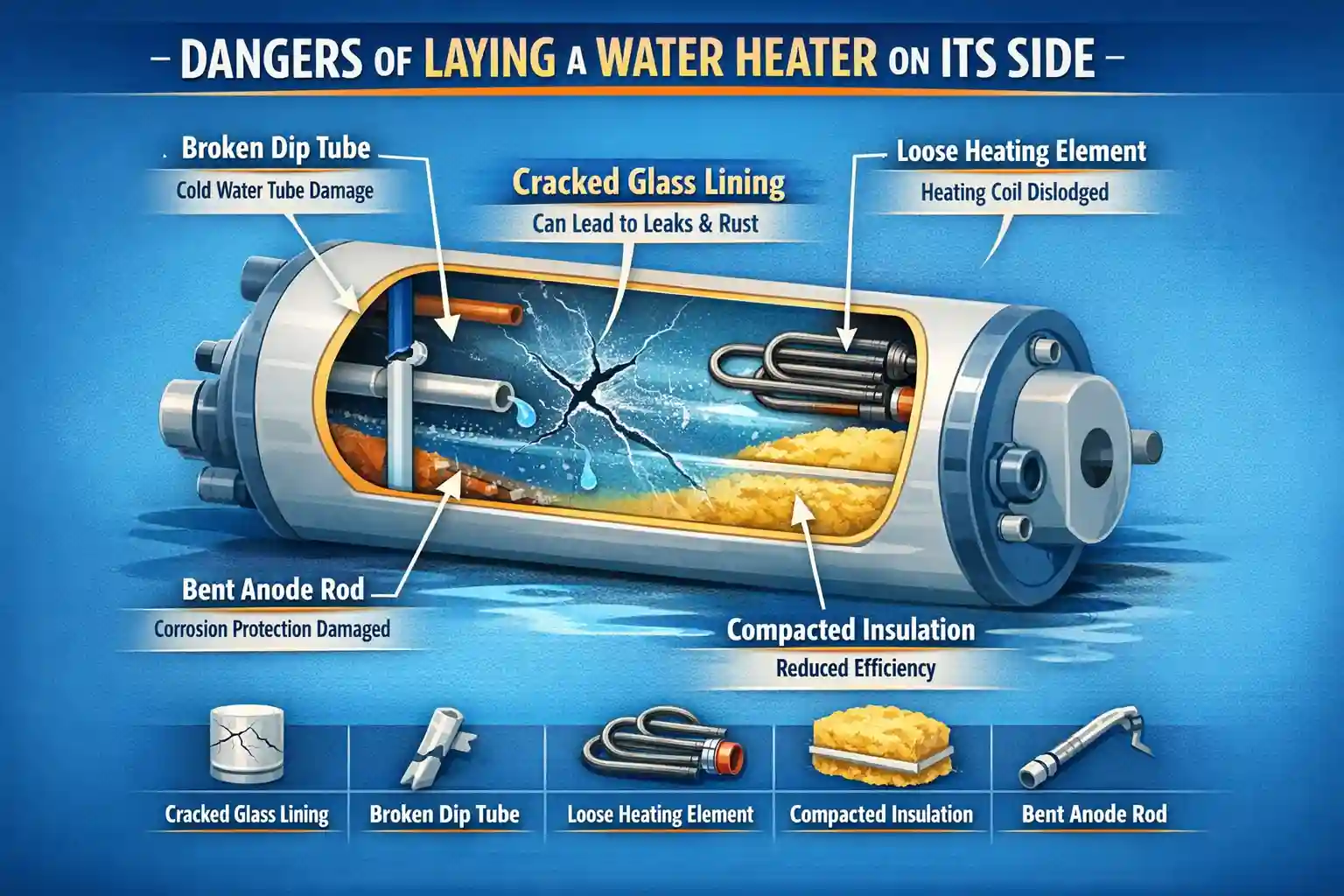
Understanding the main components can help explain why careful transportation is important.
Anode Rod
The anode rod helps protect the steel storage tank from corrosion. It is located inside many traditional tank water heaters and should be protected from rough handling.
Dip Tube
The dip tube directs incoming cold water into the tank. Damage to this component can affect water flow and heating performance.
Heating Elements
Electric water heaters use heating elements to heat the water. These components should be protected from impacts during transportation.
Temperature and Pressure Relief Valve
The temperature and pressure relief valve, commonly called the T&P valve, is an important safety component.
Inspect the valve and surrounding connection after moving the heater, particularly if the unit experienced an impact.
Plumbing and Gas Connections
Water connections, fittings, gas connections, and valves can be damaged if the heater is dropped or handled roughly.
Any damaged connection should be inspected before the water heater is put back into service.
What Should You Check After Transporting a Water Heater?
After moving the water heater, inspect it carefully before installation or operation.
Check for:
- Dents or cracks
- Damaged water connections
- Bent pipes or fittings
- Loose valves
- Damaged electrical components
- Damaged gas components
- Signs of leakage
- Damage to the outer jacket
- Unusual movement or rattling
If the water heater was dropped, hit hard, or appears damaged, do not operate it until it has been properly inspected.
Can Transporting a Water Heater on Its Side Void the Warranty?
It depends on the manufacturer and specific water heater model.
Some manufacturers have specific requirements for handling, transportation, installation, and use. Failure to follow those requirements may affect warranty coverage.
Before transporting a new water heater, review the warranty information and manufacturer’s instructions. Do not assume that sideways transportation automatically voids the warranty or that it is always covered.
How Long Can a Water Heater Stay on Its Side?
There is no single time limit that applies to every water heater.
If the manufacturer permits temporary horizontal transportation, keep the heater on its side only for the time necessary to move it. Return it to the normal upright position as soon as practical.
Temporary transportation should not be treated as permission to store or operate a standard tank water heater horizontally.
What Is the Best Way to Transport a Water Heater?
The best way to transport a water heater is to keep it upright, use suitable moving equipment, protect the unit, and secure it properly.
If keeping the heater upright is not possible, check the manufacturer’s instructions before laying it down.
For a used tank water heater, drain the tank before moving it. Use protective padding and secure the unit so it cannot shift during transportation.
Once it reaches its destination, place it upright, inspect it for damage, and follow the manufacturer’s installation instructions before putting it back into service.
When Should You Hire a Professional?
Moving a water heater can involve heavy lifting, plumbing connections, gas lines, electrical wiring, and safety components.
Professional help is recommended when:
- The water heater is large or difficult to move.
- Gas connections need to be disconnected or reconnected.
- Electrical wiring needs to be handled.
- The unit has been dropped or damaged.
- You are unsure how to drain or disconnect it.
- The manufacturer’s instructions are unclear.
- The water heater needs to be reinstalled.
If you need professional water heater installation in eagle rock, the team at Derks Plumbing can help evaluate the unit, check the connections, and complete the installation safely.
Conclusion
Can you lay a water heater on its side? In some situations, temporary horizontal transportation may be possible, but upright transportation is generally the safer choice. The correct method depends on the water heater’s type, model, manufacturer instructions, and transportation conditions.
Before moving a water heater, check the manufacturer’s requirements, drain a used tank, protect the unit, and secure it properly. After transportation, return it to an upright position and inspect it for damage before installation.
When gas, electrical, or major plumbing work is involved, professional assistance can help prevent safety issues and installation problems. Derks Plumbing can help with professional water heater installation and related plumbing needs.

Frequently Asked Questions
Can You Transport a Water Heater on Its Side?
Some water heaters can be transported horizontally for a short distance, but keeping the unit upright is generally safer. Always follow the manufacturer’s transportation instructions for your specific model.
Why Should a Water Heater Be Transported Upright?
Transporting a water heater upright helps keep the tank and internal components in their normal position. It also makes the unit easier to secure and reduces the risk of damage during transportation.
Can You Transport a Gas Water Heater on Its Side?
A gas water heater may require extra care because it contains gas controls, burner components, and other sensitive parts. Check the manufacturer’s instructions and have gas connections inspected by a qualified professional if needed.
Can You Transport a Tankless Water Heater on Its Side?
Tankless water heaters have different designs and installation requirements than tank-style units. Some models may be transported horizontally, but you should always check the manufacturer’s instructions before moving or installing the unit.
How Should You Secure a Water Heater During Transportation?
Secure the water heater firmly with straps or other suitable restraints to prevent it from shifting, tipping, or rolling. Protect the unit from impacts and avoid placing heavy items on top of it during transportation.
What Should You Do After Transporting a Water Heater?
Place the water heater in its required position and inspect it for dents, cracks, damaged connections, or leaks. Before installation or operation, follow the manufacturer’s instructions and make sure all connections are properly checked.