Hair stuck in a sink drain is a common problem in homes. It slows water, causes bad smells, and can lead to full clogs. The good news is that most hair clogs are easy to remove with simple steps. You do not need harsh chemicals or costly tools in many cases. With the right method, you can clear the drain in minutes and keep it flowing well.
If you are searching for how to get hair out of sink drain, the short answer is this: remove visible hair first, then loosen hidden buildup using safe tools or natural methods. Acting early saves time, money, and stress.
Why Hair Gets Stuck in Sink Drains
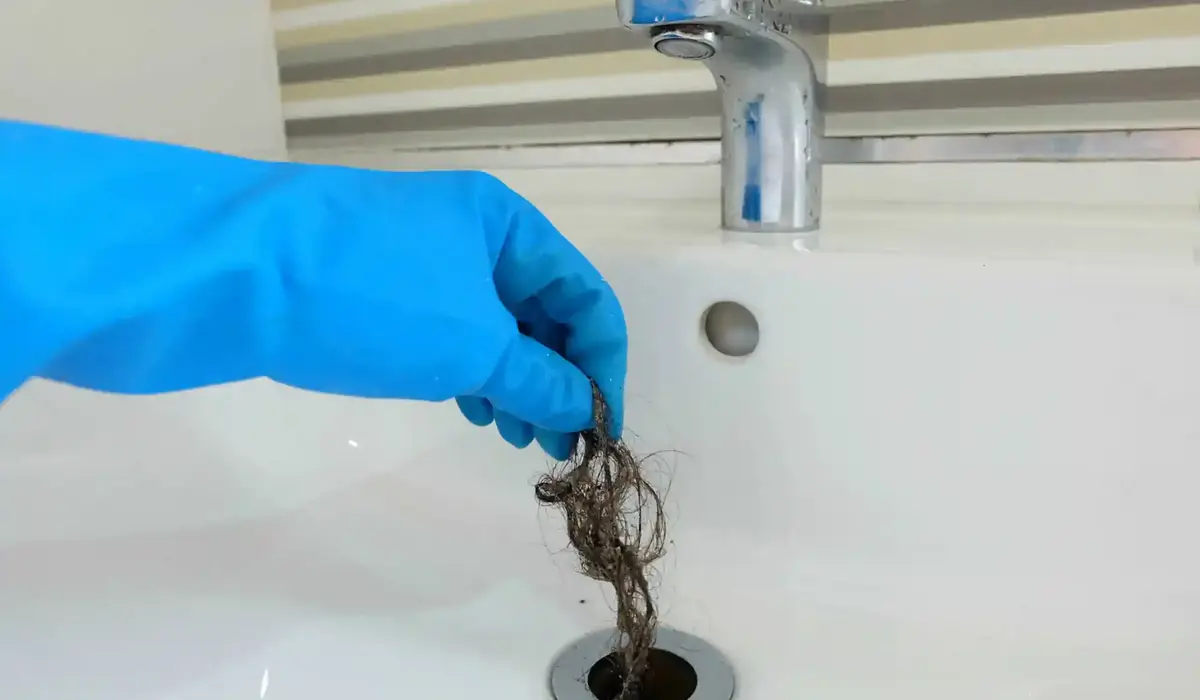
Hair combines with soap scum, toothpaste, and skin oils to create stubborn clogs. A single strand doesn’t cause problems, but over time, hair accumulates and forms dense masses that trap other debris.
The drain’s curved P-trap holds water to block sewer gases. This bend also catches hair. As strands wash down, they snag on rough pipe edges and previous buildup. Each new hair adds to the blockage.
Soap residue acts like glue. It coats hair strands and binds them together. This mixture hardens over weeks, creating a nearly solid barrier that blocks water flow.
Long hair clogs drains faster than short hair. People with longer locks shed 50 to 100 strands daily. Many of these end up in bathroom sinks during washing and brushing.
Signs You Have Hair in Your Sink Drain
Slow drainage is the first warning sign. Water takes longer to empty after brushing your teeth or washing your face. You might notice a small pool forming that takes minutes to clear.
Gurgling sounds indicate air trapped behind a clog. When water tries to push through the blockage, it creates bubbles that make noise as they escape.
Bad smells come from hair and organic matter rotting in your pipes. The odor resembles mildew or sewage. Standing water makes the problem worse by letting bacteria grow.
Water backing up means a serious clog. The sink fills during use and drains very slowly or not at all. You may see water rise when running other fixtures in your bathroom.
Visible hair at the drain opening confirms the problem. You can often see strands circling the stopper or hanging from the drain cover.
How to Get Hair Out of Sink Drain Without Chemicals
Start with hot water. Boil a full kettle and pour it slowly down the drain in stages. Wait a few seconds between pours. Hot water melts soap buildup and loosens hair clogs. This method works best for minor blockages.
The baking soda and vinegar method tackles tougher clogs. Pour half a cup of baking soda down the drain. Follow with one cup of white vinegar. Cover the drain with a plug or wet cloth. The mixture fizzes and breaks down organic matter. Wait 30 minutes, then flush with hot water.
Manual removal gives immediate results. Remove the drain stopper by unscrewing or pulling it up. Use a flashlight to look down the drain. You can often see hair wrapped around the stopper or just below the opening.
A bent wire hanger works as a makeshift snake. Straighten the hanger and create a small hook at one end. Insert it into the drain and fish for hair. Pull gently to avoid pushing the clog deeper. Rotate the hook to catch more strands.
Wet/dry vacuums provide strong suction. Set the vacuum to liquids mode. Create a tight seal over the drain opening. The suction pulls hair and debris up through the pipes. This method works well when you can see the clog.
You can read about: Is It Bad to Flush Hair Down The Toilet?
How to Get Hair Out of Sink Drain Using Tools
A sink hair removal tool makes the job easy. These plastic strips have barbed edges that grab hair. Zip-It and similar tools cost just a few dollars. Insert the tool slowly into the drain. Push it past the P-trap. Pull up slowly to bring hair with you. The barbs catch even small strands.
Drain snakes handle deeper clogs. Also called augers, these flexible cables reach 15 to 25 feet into pipes. Insert the cable and turn the handle clockwise. The spiral tip breaks through blockages and hooks hair. Pull the snake out slowly to remove the clog.
Sink drain hair catchers prevent future problems. These mesh screens sit over or in your drain. They catch hair before it enters pipes. Clean them weekly by removing trapped hair and rinsing under water.
A plunger creates pressure that dislodges clogs. Fill the sink with a few inches of water. Place the plunger over the drain and ensure a tight seal. Pump vigorously 15 to 20 times. The suction and pressure can break up hair clogs.
Power augers work for stubborn blockages. These electric tools spin a cable at high speed. They cut through dense clogs that manual tools can’t handle. Rent one from a hardware store if other methods fail.
What Dissolves Hair in Drain
Enzyme drain cleaners use bacteria to break down organic matter. These products work slowly but safely. Pour the recommended amount into your drain before bed. The enzymes digest hair, soap, and oils overnight. Flush with water in the morning.
Bleach breaks down hair protein but damages pipes over time. If you use it, mix one cup with a gallon of water. Never combine bleach with other cleaners, especially ammonia. The mixture creates toxic fumes.
Commercial drain cleaners contain harsh chemicals. Products with sodium hydroxide or sulfuric acid dissolve hair quickly but carry risks. They can burn skin, damage pipes, and harm septic systems. Use them only as a last resort and follow all safety instructions.
Hydrogen peroxide and baking soda create a gentler alternative. Mix one cup of peroxide with one tablespoon of baking soda. Pour it down the drain and wait one hour. The oxygen bubbles help break down clogs.
Salt and baking soda scrub pipes clean. Mix half a cup of each and pour down the drain. Wait 30 minutes, then flush with boiling water. This combination works through abrasive action.
What Not to Do When Removing Hair From Sink Drains
Never use metal coat hangers on porcelain sinks. Sharp edges scratch the surface and create rough spots where future clogs form faster.
Don’t mix different chemical cleaners. Combining products creates dangerous reactions. Some mixtures produce toxic gases that can cause serious injury.
Avoid pushing clogs deeper. When using tools, always pull upward. Pushing hair further into pipes makes removal harder and may require professional help.
Don’t ignore slow drains. Small clogs grow into big problems. Address drainage issues as soon as you notice them.
Never remove the P-trap without a bucket underneath. This curved pipe holds water. Taking it off without preparation floods your cabinet.
Don’t use excessive force with tools. Aggressive twisting or pushing can damage pipes, especially older ones. Work gently and patiently.
Skip the cola myths. Soda doesn’t dissolve hair effectively. You’re better off using hot water or proven methods.
How to Prevent Hair From Clogging Sink Drains
Install a sink hair catcher before problems start. These simple devices stop 90% of hair from entering your drain. Options include:
- Pop-up drain screens that fit inside the drain opening
- Mesh covers that sit over the drain
- Strainer baskets that catch debris
Clean your sink hair catcher weekly. Remove trapped hair and rinse the screen. This five-second task prevents major clogs.
Brush hair before showering or washing. This removes loose strands that would otherwise go down the drain. Throw the hair in the trash.
Flush drains with hot water weekly. Run hot tap water for 30 seconds after each use. This melts soap residue before it hardens.
Use less soap and styling products. Excess product creates more residue that binds with hair. A little goes a long way.
Clean the drain stopper monthly. Remove it and wipe away accumulated hair and grime. This simple maintenance prevents buildup.
Consider a sink drain hair catcher with a basket design. These lift out easily for cleaning and handle higher water flow.
When to Call a Professional Plumber
If you have tried snaking the drain and the water still won’t budge, the clog might be deeper in your main sewer line. This is common in older homes where pipes have mineral buildup that catches hair deep inside the walls.
If you live in Los Angeles and can’t clear the blockage yourself, Derks Plumbing is here to help you. We provide expert services of Drain Cleaning in Eagle Rock to get your home back to normal quickly. Our team uses professional-grade cameras and hydro-jetting tools that remove hair and roots that standard DIY tools just can’t reach.
Conclusion
Removing hair from your sink drain is a simple task when you know the right techniques. Start with gentle methods like hot water and baking soda. Graduate to tools like hair removal strips or drain snakes for tougher clogs.
Prevention beats cure every time. A quality sink drain hair catcher stops problems before they start. Regular maintenance keeps your drains flowing freely.
Most hair removal from the sink takes less than 30 minutes. You can handle it yourself without expensive chemicals or equipment. When DIY methods fail, professional plumbers have the tools and expertise to solve any drainage problem.
FAQs
What’s the fastest way to unclog hair from a sink?
A hair removal tool like a Zip-It provides the quickest results. Insert it into the drain, twist, and pull out the clog. Most clogs clear in under five minutes.
How often should I clean my sink drain?
Clean your drain weekly by removing the stopper and clearing visible hair. Flush with hot water after each use. Do a deep clean with baking soda and vinegar monthly.
Can hair cause permanent drain damage?
Hair itself won’t damage pipes, but the chemicals people use to dissolve it can. Harsh drain cleaners corrode metal pipes and weaken PVC. Stick to mechanical removal or enzyme cleaners.
Why does my sink keep clogging after I clean it?
Without a sink hair catcher, new hair enters the drain daily. Install a strainer to catch hair before it goes down. Old pipes may also have rough interiors that snag hair easily.
What household items work best for sink hair removal?
A wire hanger, baking soda, vinegar, and hot water handle most clogs. For stubborn blockages, a wet/dry vacuum pulls hair out effectively.
Will boiling water crack my sink?
Boiling water is safe for metal and ceramic sinks but can crack porcelain. Let the water cool for 30 seconds before pouring, or use very hot tap water instead.




