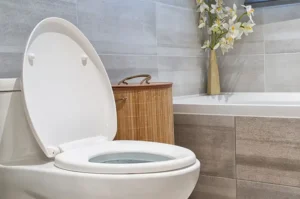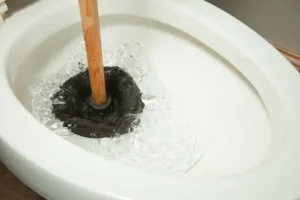
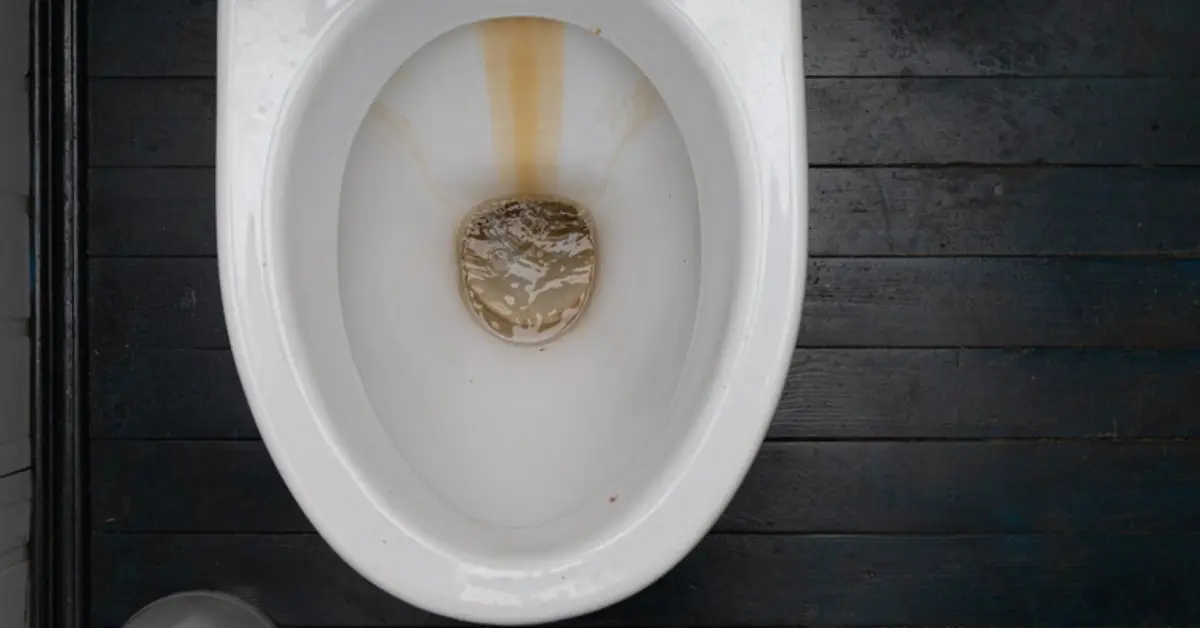
Yellow toilet water is a common problem many homeowners notice but do not understand. It can appear suddenly or build up over time. The color may look pale yellow, dark yellow, or even slightly brown. This change often causes concern because it makes the toilet look dirty, even after cleaning.
So, why is my toilet water yellow? In most cases, it is caused by minerals in the water, old plumbing pipes, or buildup inside the toilet bowl. The good news is that most causes are easy to fix once you know what is behind the problem.
Is Yellow Toilet Water Normal?
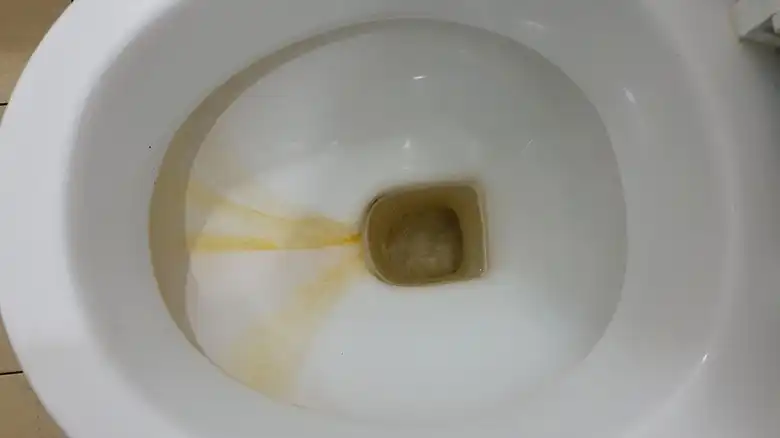
Yellow toilet water is not considered normal, but it is also not rare. Many homes experience yellow water in toilet bowls at some point. It often depends on your water source, pipe age, and cleaning habits.
If the yellow color appears only in the toilet and not in sinks or showers, the issue is likely inside the toilet tank or bowl. If you see yellow water in toilet fixtures throughout the house, the cause is usually related to the main water supply.
Yellow toilet water does not always mean something is broken. It is often a sign of mineral content or residue buildup that needs attention.
Common Reasons Why Toilet Water Turns Yellow
There are several reasons for yellow water in toilet bowl areas. Some are simple fixes, while others need a pro. Here are the most common causes we see.
1. Rusty Pipes and Iron
Rust is the number one cause of yellow water. If your home has old iron or galvanized steel pipes, they will eventually rust. Small bits of rust flake off into the water. This gives the water a yellow or orange look. This is common in homes built before the 1980s. When water sits in these pipes overnight, the color gets darker. You might notice the first flush of the day is the most yellow.
2. Corroded Toilet Tank Parts
Sometimes the rust is not in your main pipes. It might be inside the toilet tank. Look at the bolts that hold your tank to the bowl. These are often made of metal that can rust over time. If they look crusty and orange, they are leaking rust into the water. Every time you flush, that rust enters the bowl. This creates a constant yellow toilet water look.
3. Mineral Buildup (Hard Water)
Many homes have “hard water.” This means the water has high levels of calcium and magnesium. These minerals are not yellow, but they trap dirt and other particles. Over time, they create a yellow scale inside your toilet. This scale is hard to scrub away. If you live in an area with high mineral content, you will see this often.
4. Tannins in the Water
Tannins are organic matter from decaying plants and leaves. They are very common if you use a private well. Tannins turn water a light yellow or tea color. They are not usually harmful to your health. However, they can make your toilet look dirty. They also have a faint, musty smell sometimes. If your toilet water yellow tint looks like weak tea, tannins are likely the cause.
5. Iron Bacteria
Iron bacteria are different from rust. These are tiny organisms that feed on iron in your water. They create a slimy, yellow-orange goo. You might see this slime floating in your tank. It can also grow under the rim of the bowl. These bacteria are not usually a health risk. But they can clog your toilet’s internal parts and cause bad smells.
6. Local City Water Repairs
Did the city recently fix a water main on your street? When they turn the water back on, it rushes through the pipes. This stirred up old sediment and rust that was sitting still. This sediment then flows into your home. This is why you might ask why is my toilet water yellow all of a sudden. Usually, this clears up after running your faucets for a few minutes.
7. Standing Water
If you have a guest bathroom that no one uses, the water sits still. Dust and tiny particles settle in the bowl. Without regular flushing, the water can turn a dull yellow. This is the easiest problem to fix. Just flush the toilet a few times to bring in fresh water.
You can read about: How Does a Toilet Work
Is Yellow Toilet Water Dangerous?
In most cases, yellow toilet water is not dangerous. It usually does not pose a health risk, especially if the cause is mineral content.
However, there are situations where yellow water needs attention:
- If the water smells bad
- If the color is dark brown or orange
- If it appears in all faucets
- If someone has skin irritation
Iron bacteria are not harmful, but they can clog pipes over time. Rust from pipes may also signal plumbing issues that need repair.If you are unsure why my toilet water is yellow, testing your water is a smart first step.
How to Fix Yellow Toilet Water
Flush Your Pipes
Start by running cold water taps throughout your home. Let each faucet run for five to ten minutes. This flushes out sediment stuck in your pipes.Open the tap closest to your water meter first. Then work your way through the house. Finish with the farthest fixtures. This method clears the entire system.
Flush your toilets several times after running the taps. The fresh water should be clearer. If yellowing remains, move to the next solution.
Clean Your Toilet Tank
Turn off the water supply valve behind your toilet. Flush to empty the tank. Remove the lid and look inside.Use white vinegar to clean mineral deposits. Pour two cups into the empty tank. Let it sit for 30 minutes. Scrub the walls and components with a brush.
Turn the water back on and flush several times. This rinses away loosened buildup. Your yellow water in toilet bowl should improve significantly.
Install a Water Filter
Whole-house water filters remove iron, minerals, and sediment. They attach to your main water line. Every tap in your home gets filtered water.
Point-of-use filters work for specific fixtures. A toilet tank filter is affordable and easy to install. It catches particles before they enter the bowl.Choose a filter based on your water test results. Iron filters work differently than sediment filters. Match the filter to your specific problem.
Replace Old Pipes
Corroded pipes need replacement eventually. Copper or PEX pipes don’t rust like old galvanized steel. This is a permanent fix for rust-related yellowing.Pipe replacement is expensive but necessary for severe corrosion. Get quotes from multiple plumbers. Costs vary based on your home’s size and pipe accessibility.
You might only need to replace problem sections. A plumber can identify which pipes are worst. Partial replacement costs less than a whole-house job.
Treat Well Water
Well owners should install an iron filter or water softener. These systems remove minerals before water enters your home. They protect all your fixtures.Shock chlorination kills bacteria in wells. This process involves adding chlorine to your well system. It clears up biological contamination that causes odors and colors.
Regular well maintenance prevents many problems. Test your well water yearly. This catches changes before they affect your toilet water yellow appearance.
Address Water Heater Issues
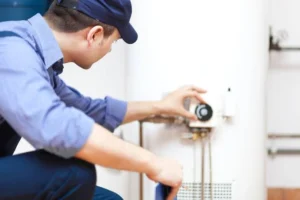
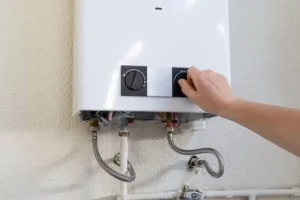
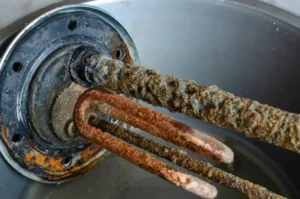
Drain your water heater tank annually. This removes sediment buildup at the bottom. It prevents rust from entering your water supply.If your heater is over ten years old and causing problems, consider replacement. New heaters are more efficient and reliable. They also have better corrosion protection.
Anode rods inside water heaters prevent rust. Replace these rods every three to five years. This simple maintenance extends your heater’s life.
You can read about: Worm in Toilet Bowl
How to Prevent Yellow Toilet Water
Keeping your toilet clear is easier than fixing a major stain. Here is how to prevent yellow water in toilet bowl issues from returning.
- Flush Regularly: If you have a spare bathroom, flush the toilet every two days. This prevents water from sitting and collecting dust or bacteria.
- Install a Water Softener: If your home has hard water, a softener is a great choice. It removes the minerals that cause yellow buildup. It also helps your pipes and appliances last longer.
- Use Iron Filters: For homes on well water, an iron filter is key. It catches the iron and tannins before they reach your toilet.
- Replace Old Metal Parts: If your tank bolts or handle are rusty, replace them with plastic or stainless steel versions. These will not corrode in the water.
- Schedule Inspections: A quick check once a year can catch rusty pipes before they burst.
When to Call a Professional Plumber
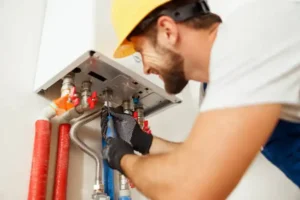
Some yellow water problems need expert help. If you’ve tried basic fixes and yellowing persists, call a plumber. They have tools to diagnose complex issues.
Sudden, severe yellowing accompanied by low water pressure suggests a major pipe problem. This could be a break or serious corrosion. Don’t delay getting help.
If multiple fixtures show yellow water after you’ve flushed the system, the problem is in your main line. This requires professional pipe inspection and possible replacement.
Well water that stays yellow despite treatment needs professional testing. A water treatment specialist can design a custom filtration system for your specific water chemistry.
For homeowners in Southern California, Derks Plumbing offers comprehensive Plumbing Services in Los Angeles. Our experienced team can diagnose water quality issues, repair corroded pipes, and install filtration systems. We provide same-day service for urgent plumbing problems.
Strange smells along with yellow water need immediate attention. This could indicate bacterial contamination or chemical issues. A plumber can test and treat the problem safely.
If you’re buying a home with yellow water issues, get a plumbing inspection. Old pipes might need replacement soon. This affects your purchase decision and negotiation.
Conclusion
Yellow toilet water usually comes from rusty pipes, high iron content, or mineral buildup. While it looks bad, it’s rarely dangerous. Most causes are fixable with simple cleaning or filtration.
Start with basic solutions like flushing your pipes and cleaning your toilet tank. These fix many cases of yellow water in toilet bowls. If problems continue, consider filters or pipe replacement.
Regular maintenance prevents yellowing from coming back. Test your water yearly and keep your plumbing system in good shape. Your toilet water should stay clear and clean.
When home fixes don’t work, professional help is worth the investment. A plumber can identify hidden issues and provide lasting solutions. Don’t let yellow toilet water become a permanent problem in your home.
FAQs
Why is my toilet water yellow only in the morning?
Morning yellowing happens when water sits in pipes overnight. Rust or minerals have more time to dissolve into standing water. Running water for a few minutes should clear it up.
Can yellow toilet water make me sick?
Yellow water from rust or iron is generally safe. However, if it smells bad or causes symptoms, get it tested. Bacteria or chemicals could be present.
How much does it cost to fix yellow toilet water?
Simple fixes like tank cleaning cost nothing. Water filters range from $50 to $500. Pipe replacement costs $1,500 to $10,000 depending on your home’s size.
Will a water softener fix yellow toilet water?
Water softeners help with mineral-related yellowing. They won’t fix rust from corroded pipes. Identify your specific cause before buying a softener.
Is yellow well water different from city water yellowing?
Well water often contains tannins that cause yellowing. City water yellowing usually comes from pipes. The treatment approach differs based on the csoure.