
Springtails are tiny bugs typically determined in soil, leaf litter, and decaying natural matter. They are acknowledged for his or her cappotential to leap lengthy distances, way to a specialised shape known as the furcula. Often interested in wet areas, springtails would possibly discover their manner into homes, specifically in locations with excessive humidity, together with basements or bathrooms.
For homeowners, a springtail infestation may be a nuisance. The key to doing away with springtails is to lessen their get right of entry to to moisture. Ensuring right ventilation, solving leaks, and the usage of dehumidifiers can assist create an surroundings this is much less hospitable for those bugs. Additionally, sealing cracks and eliminating natural particles from across the residence can similarly discourage their presence.
In information what springtails are and a way to manipulate them, it`s vital to apprehend their function withinside the ecosystem. Although they may be bothersome once they invade homes, additionally they make a contribution to the decomposition process and soil health.
What are Springtails?
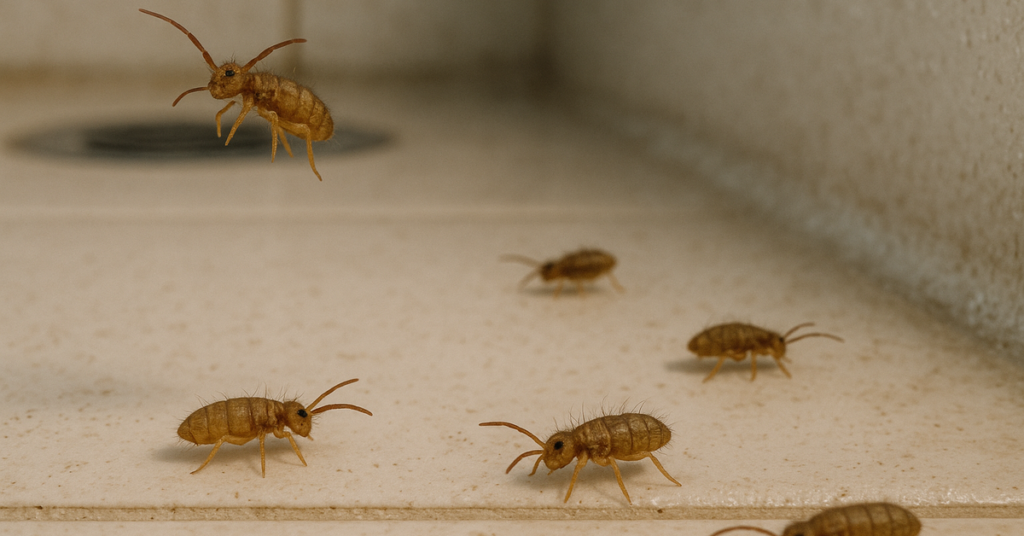
Springtails are tiny, wingless creatures that approximately 1-2 millimeters long, kind of the dimensions of a pinhead. They have a forked appendage referred to as a furcula tucked below their belly. When they experience threatened, they launch this “spring” and hop numerous inches away. That leaping is commonly what receives people`s attention.
In bathrooms, springtails are commonly grey or white, aleven though they also can be darkish grey or brown. Their soft, spherical our bodies overwhelm easily, which units them aside from harder-bodied pests like fleas. According to the University of Minnesota Extension, springtails have inner mouthparts that certainly location them of their very own class, separate free real true insects.
What Causes Springtails in Bathrooms?
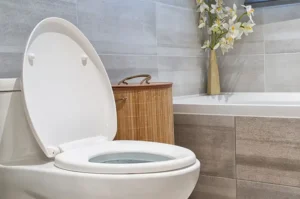
Springtails thrive in damp environments, which is why bathrooms often become a common hiding place. Understanding the causes can help prevent future infestations.
1. Excess Moisture and Humidity
Bathrooms naturally produce moisture from showers, baths, and sinks. Poor ventilation can trap humidity, creating the perfect environment for springtails.
2. Plumbing Leaks
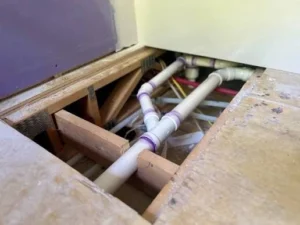
Leaking pipes under sinks, behind walls, or around toilets provide a constant source of moisture that attracts springtails and supports their survival.
3. Mold and Mildew Growth
Springtails feed on mold, mildew, fungi, and decaying organic matter. Bathrooms with mold buildup between tiles, around tubs, or near fixtures can quickly attract them.
4. Poor Ventilation
Bathrooms without proper exhaust fans or airflow stay damp for longer periods, increasing humidity levels and encouraging springtail activity.
5. Cracks and Gaps Around Fixtures
Small cracks around tiles, tubs, sinks, and plumbing fixtures can trap moisture and provide ideal hiding spots for springtails.
6. Standing Water and Damp Surfaces
Water that collects around showers, bathtubs, sinks, or bathroom floors can create favorable conditions for springtail populations to grow.
How To Get Rid Of Springtails In Bathrooms
Similar in your bedroom, springtails are attracted in your toilet due to extra moisture that commonly bureaucracy or settles below your toilet sink, for your bathe or for your bath. They also can be drawn to the small quantities of mildew or mould that increase in among tiles withinside the bathe or withinside the partitions at the back of the bathe head.
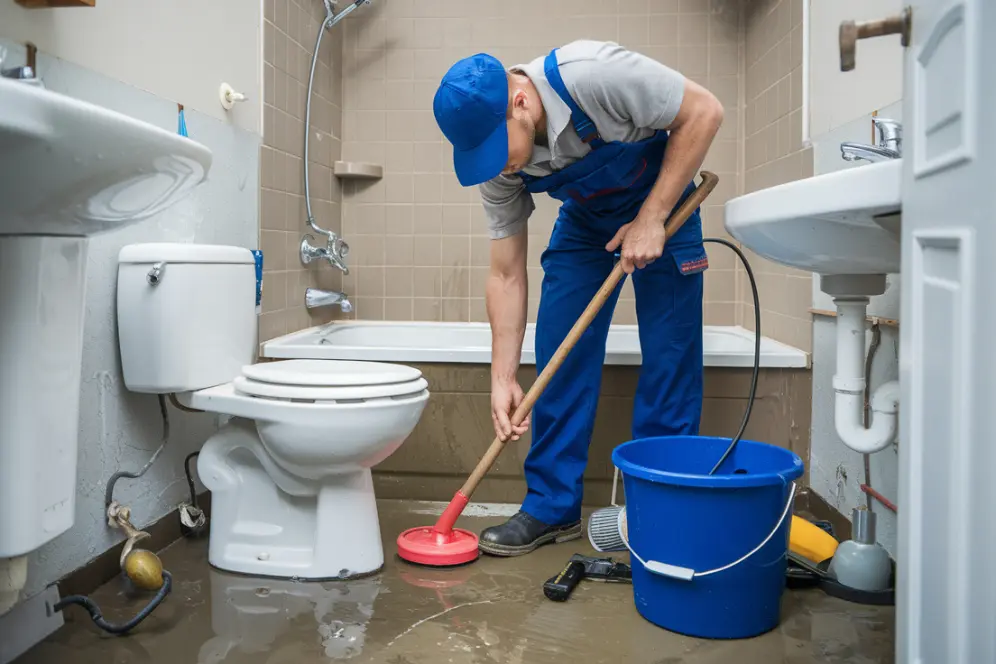
Before you start solving not common plumbing troubles that would contain a leak which you recognise may entice springtails in your toilet, you`ll need to deep easy your the room to put off any mildew and mould buildup. Luckily, a easy combination of cleaning soap and water will do the trick. You also can easy your bath and sink with a bleach cleanser and brush to make sure all of the buildup is removed. Under your sink, make sure to tighten any plumbing to keep away from leaks.
Once you`ve wiped clean your bathe or bathtub, bear in mind shopping a tile sealant to caulk the more area among tiles and any crevices or cracks which have seemed for your tiles. Doing so will keep away from mildew buildup and save you any springtails from gathering in your toilet.
Can Springtails Indicate a Plumbing Problem?
In many cases, yes.
Although springtails themselves aren’t dangerous, their presence regularly factors to underlying moisture problems that can require attention. Leaking pipes, bad drainage, broken seals, and hidden water intrusion can all make a contribution to situations that entice those insects.
For this reason, routine springtail infestations have to now no longer virtually be disregarded as a pest hassle. They may also sign a plumbing trouble that desires expert evaluation.
Addressing the foundation reason regularly gets rid of each the moisture hassle and the infestation.
Why Choose Derks Plumbing?
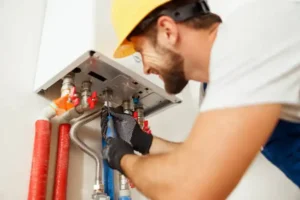
At Derks Plumbing, we apprehend that many pest troubles start with plumbing and moisture issues. Our skilled crew enables owners pick out hidden leaks, drainage concerns, and water-associated troubles that create favorable situations for springtails and different pests.
Our offerings include:
- Leak detection
- Drain inspections
- Plumbing repairs
- Moisture-associated hassle diagnosis
- Bathroom plumbing offerings
- Preventive plumbing maintenance
We are dedicated to supporting owners hold safe, dry, and healthful residing environments.
Call to Action
Seeing springtails in toilet areas or worried approximately hidden plumbing leaks? Contact Derks Plumbing these days for expert inspections, professional plumbing services that assist hold your property dry, comfortable, and pest-free.

Conclusion
Learning the how to dispose of springtails in toilet regions begins offevolved with information why they seem withinside the first place. While those tiny bugs are commonly harmless, they regularly imply immoderate moisture, hidden leaks, terrible ventilation, or mould growth. By addressing the underlying moisture problem, cleansing affected regions, and retaining a dry environment, house owners can successfully take away springtails and save you destiny infestations.
FAQ's
What reasons springtails in bathroom area?
Springtails are drawn to moisture, humidity, mould, mildew, and natural depend generally observed in bathrooms.
Are springtails dangerous?
No. Springtails do now no longer bite, sting, unfold diseases, or motive structural damage, however they are able to end up a nuisance while found in massive numbers.
Why do I hold locating a springtail in sink?
Sinks regularly offer moisture, natural residue, and favorable humidity ranges that entice springtails.
How to dispose of springtails in bathroom?
Reduce moisture, restore leaks, enhance ventilation, cast off mould growth, and hold bath surfaces dry on every occasion possible.
Can plumbing leaks motive springtail infestations?
Yes. Hidden leaks regularly create damp situations that assist springtail populations and permit infestations to persist.