
Most household pipes are at risk of freezing once outdoor temperatures fall to 20°F (-6°C) or below. Even though water freezes at 32°F (0°C), the pipes in your home are somewhat protected by insulation and surrounding building materials. But when the temperature drops past that 20°F threshold, that protection often isn’t enough to keep the water inside from freezing.
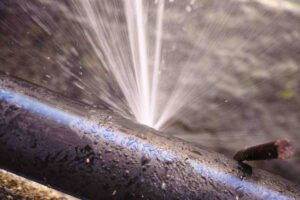
Knowing what temperature freezes pipes is crucial for every homeowner. The risk is not the ice itself, but the massive pressure that builds up when water expands as it turns to ice. This pressure can cause the pipe to rupture, leading to major water damage inside your home. Taking action before the deep cold hits is your best defense against costly repairs.
Why Do Pipes Freeze?
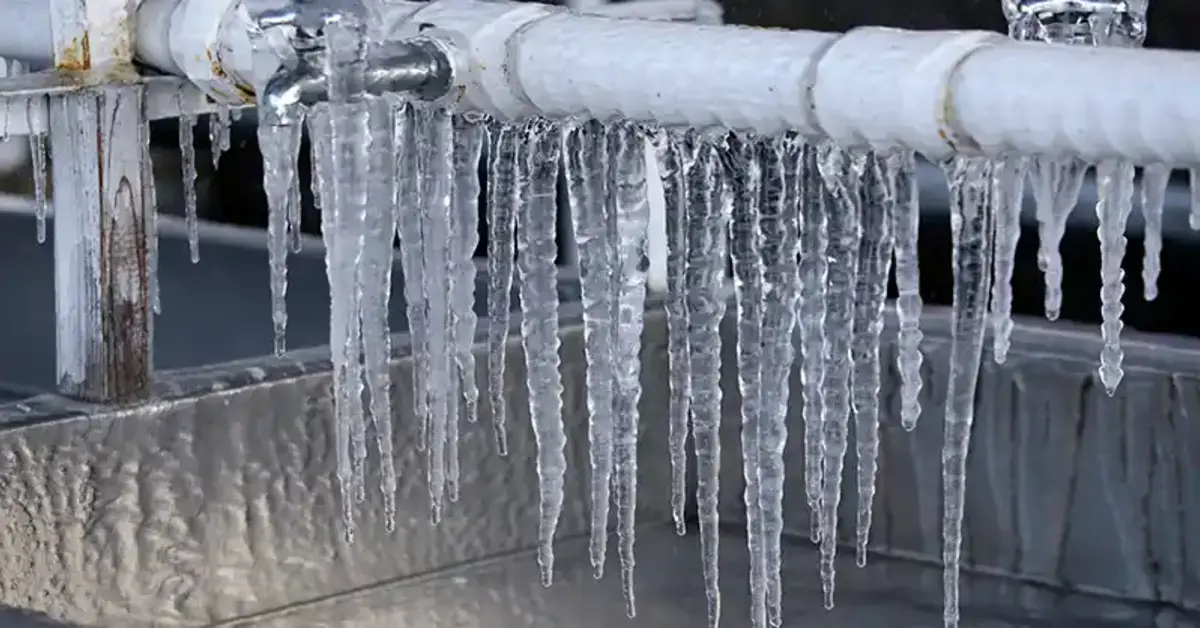
Water expands by roughly 9% when it freezes. That expansion creates enormous pressure inside your pipes up to 2,000 pounds per square inch. Something has to give, and usually it’s the pipe itself.
The science is simple but the damage is severe. When water molecules slow down and lock into ice crystals, they take up more space. Your pipes can’t expand to accommodate that growth. The pressure builds until the weakest point cracks.
Material matters. Copper and steel pipes conduct cold quickly. They lose heat faster than the surrounding air can replace it. PEX and PVC pipes insulate better but still freeze when exposed to prolonged cold.
Location is everything. Pipes in unheated spaces freeze first. Your attic, basement, garage, and crawl spaces are danger zones. Even pipes inside exterior walls face higher risk than those buried deep in interior walls.
Wind makes it worse. Cold wind strips heat from exposed pipes faster than still air. That’s why pipes on north-facing walls or near drafty windows freeze more often.
Poor insulation accelerates the problem. Gaps around pipes where they enter walls let cold air blast directly onto the metal or plastic. Small air leaks cause big freezing problems.
What Temperature Will My Pipes Freeze?
The frozen pipes temperature threshold sits at 20°F (-6°C) for most homes. This surprises people who expect freezing right at 32°F.
Your home provides a protective buffer. Indoor heat radiates through walls and floors. Building materials hold warmth. This creates a microclimate around your pipes that stays warmer than outside air.
Duration beats severity. A quick drop to 15°F overnight might not freeze your pipes. But sustained 25°F weather for 12 hours straight? That’s when pipes start freezing solid.
Several factors determine when pipes freeze:
Insulation quality changes everything. Well-wrapped pipes survive temps that would freeze bare ones. Even basic foam sleeves add 5-10 degrees of protection.
Water movement helps. Flowing water resists freezing better than standing water. That’s the science behind letting faucets drip during cold snaps. Moving molecules don’t lock into ice crystals as easily.
Pipe diameter affects timing. Small half-inch pipes freeze faster than two-inch mains. Less water volume means less thermal mass to resist cold.
Geographic location shifts the danger zone. Homes in warm climates have minimal insulation. A 28°F night in Texas causes more frozen pipes than the same temperature in Minnesota. Northern homes are built for cold weather. Southern homes aren’t.
Previous cold exposure matters too. Pipes that barely survived one cold night are more vulnerable the next night. The water is already cold. It needs less time to freeze solid.
What Temperature Will My Pipes Burst?

Bursting happens when ice blockages trap water between two points. The expanding ice has nowhere to go. Pressure builds up to 2,000 pounds per square inch.Pipes freeze at what temp they burst varies by material. Copper pipes can withstand more pressure than galvanized steel. But even copper has limits.Most pipes burst between 20°F and 32°F. The exact pipe freezing temperature for failure depends on:
Pipe age and condition: Old pipes with corrosion or weak spots fail first. New pipes handle pressure better but aren’t bulletproof.
Pipe material: Copper stretches slightly before bursting. PEX is more flexible and less likely to burst. PVC becomes brittle in extreme cold.
Ice blockage location: Ice near a faucet or valve creates more pressure than ice in open pipe runs. The trapped water has nowhere to expand.
The burst often happens during thawing, not freezing. Ice melts and water rushes into the damaged section. That’s when you discover the crack or split that formed while frozen.
Do Frozen Pipes Always Burst?
No. Many frozen pipes thaw without damage. But you can’t predict which ones will survive.
Ice formation alone doesn’t guarantee a burst. The pressure must exceed the pipe’s structural strength. Sometimes ice forms slowly enough that small air pockets absorb the expansion. The pressure never hits critical levels.
Partial freezes are safer. If water can still trickle through the pipe, pressure stays manageable. Complete ice plugs create the highest burst risk.
Quick action saves pipes. Catching frozen pipes early and thawing them carefully prevents most bursts. Waiting hours or days increases damage risk exponentially.
The freeze-thaw cycle causes cumulative damage. Pipes that freeze and thaw repeatedly get weaker each time. Eventually they fail even under normal pressure.
Key Signs Pipes Are Frozen
Spotting frozen pipes early saves thousands in repairs. Watch for these warnings:
No water flow is the obvious sign. Turn on a faucet and nothing comes out. Or water trickles when it should gush. Check the faucet if one works but another doesn’t, you’ve found the frozen section.
Frost on exposed pipes tells the story. Visible ice crystals or heavy condensation mean temps dropped below freezing right there. Check your basement, crawl space, and attic weekly during cold weather.
Strange odors signal trouble. Frozen pipes trap sewer gases that back up into your home. Odd smells near drains suggest blockage downstream.
Weird noises happen when water hits ice. Whistling, banging, or gurgling sounds when you turn on faucets mean ice is blocking flow somewhere. The water pressure behind the blockage makes pipes shake and rattle.
Cold wall sections reveal hidden problems. Touch walls near pipe locations. Unusually cold spots indicate frozen pipes inside the wall cavity.
Test multiple faucets throughout your home. If only one has problems, the freeze is localized and easier to fix. If several faucets fail, you face a bigger problem that needs professional help.
Severe Signs of Frozen Pipes to Be Weary About
Some symptoms demand immediate action:
Bulging pipes mean a burst is imminent. Visible swelling in exposed pipes means ice is expanding inside right now. The pipe has already started failing or will within minutes.
Water stains indicate active leaking. Brown or yellow discoloration on walls, ceilings, or floors near pipes means water is escaping. The pipe has already burst.
Dripping sounds inside walls are bad news. Water trickling when no faucets are running means an active leak. Shut off your main water valve immediately to prevent flooding.
System-wide pressure drops signal multiple freezes. When all your faucets have weak flow, several pipes are frozen. This is an emergency that needs professional help now.
Visible cracks in pipes mean failure is happening. Any splits, holes, or damage to pipe surfaces require immediate attention. Don’t try to thaw these yourself.
At this point, call a professional. Water damage gets worse every minute. The cost of emergency service is nothing compared to repairing flood damage.
What to Do If Your Pipes Are Frozen
Stay calm and work systematically. Here’s your plan:
Step 1: Open the affected faucet. Turn both hot and cold handles. This relieves pressure and gives melting ice somewhere to flow.
Step 2: Keep the faucet open during thawing. Water will start as a trickle and gradually increase. Don’t close it until flow returns to normal.
Step 3: Apply gentle heat to the frozen section. Use a hair dryer, heating pad, or hot towels. Start near the faucet and work toward the coldest section. Heat the entire frozen area, not just one spot.
Step 4: Never use open flames. Propane torches, matches, or candles can melt pipes, start fires, or create toxic fumes. Stick with electrical heat sources only.
Step 5: Warm the pipe slowly. Rapid temperature changes crack pipes. Patient, steady warming is safer than maximum heat. Think 15-20 minutes, not 2-3 minutes.
Step 6: Check every faucet in your home. One frozen pipe often means others are close behind. Test all water outlets.
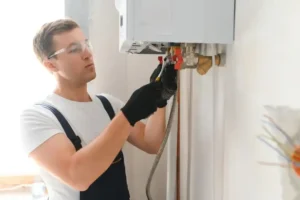
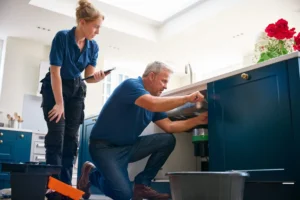
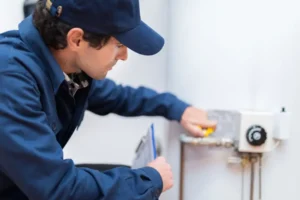
If you can’t access the frozen section or don’t feel comfortable with DIY thawing, call a plumber. Professional help costs less than repairing burst pipe damage.
For severe freezing or suspected bursts, shut off your main water valve before calling for help. Every gallon that leaks causes more damage.
You can read about: How to Install Heat Tape on Water Pipes
How to Prevent Frozen and Bursting Pipes
Prevention beats expensive repairs every time. These strategies protect your plumbing:
Insulate vulnerable pipes thoroughly. Foam pipe sleeves cost $2-5 but prevent thousands in damage. Cover all pipes in basements, attics, garages, and crawl spaces. Pay extra attention to pipes on exterior walls and in unheated areas.
Seal air leaks around pipes. Cold drafts freeze pipes faster than cold air alone. Caulk gaps where pipes enter in the walls. Fix broken windows and door seals near plumbing. Even small gaps let freezing air blast directly onto pipes.
Let faucets drip during extreme cold. Running water resists freezing. When temps do pipes freeze territory below 20°Flet faucets on exterior walls drip slightly. You don’t need a stream, just a pencil-thin trickle. The water movement prevents ice formation.
Maintain consistent indoor heating. Never let your thermostat drop below 55°F when you’re away. The money saved on heating bills vanishes with one burst pipe repair. Keep heat steady even in unused rooms.
Open cabinet doors under sinks. Cabinets trap cold air around pipes. Opening doors lets warm room air circulate. This simple trick prevents many kitchen and bathroom freezes.
Drain outdoor faucets and irrigation systems. Disconnect garden hoses before winter. Drain outdoor spigots completely. Shut off and blow out sprinkler systems. Any remaining water will freeze and cause damage.
Install heat tape on problem pipes. Electric heat cables keep pipes above freezing automatically. Install them on pipes that freeze repeatedly despite other precautions. They’re especially useful for pipes in unheated spaces.
Know your main water shutoff location. If pipes burst, you need to stop water flow fast. Make sure everyone in your home knows where this valve is and how to use it. Practice turning it off before emergency strikes.
Consider smart leak detectors. Modern sensors detect unusual water flow and alert you instantly. Some automatically shut off water when problems occur. They’re worth every penny for peace of mind.
Disconnect and store hoses properly. Water trapped in hoses freezes and backs up into pipes. This causes outdoor faucet failures that leak into walls. Store hoses in the garage after draining them completely.
Conclusion
Understanding what temperature freezes pipes protects your home from expensive water damage. Remember that 20°F is your danger zone, though conditions vary based on insulation, exposure, and pipe location.Take action before winter hits hard. Insulate vulnerable pipes, seal air leaks, and prepare for cold snaps. These simple steps prevent most freezing problems.When pipes do freeze, act quickly but carefully. Slow, steady thawing with safe heat sources usually works. But don’t hesitate to call an Emergency Plumber in Eagle Rock if you’re unsure or spot severe warning signs.
Derks Plumbing has helped countless homeowners recover from frozen pipe disasters. We’ve also helped many more avoid problems through proper winterization. Prevention is always cheaper than repair.Stay warm, stay alert, and keep your pipes flowing all winter long.
FAQs
What is the lowest temperature before pipes freeze?
Pipes typically freeze when outdoor temperatures drop to 20°F (-6°C) or below for several hours. Exposed pipes or those in unheated spaces can freeze at higher temperatures around 25-28°F.
Can pipes freeze in one night?
Yes. Pipes can freeze in as little as 3-6 hours when temperatures drop below 20°F, especially if they’re poorly insulated or exposed to wind. Sustained cold is more dangerous than brief dips.
Do PEX pipes freeze easier than copper?
PEX pipes freeze at the same temperature as copper both freeze around 20°F. But PEX is more flexible and less likely to burst when ice forms inside because it can expand slightly.
Will pouring hot water down drains prevent freezing?
Hot water provides temporary relief but doesn’t prevent freezing long-term. The water cools quickly in cold pipes. Consistent heat sources and proper insulation are the only reliable prevention methods.
How long does it take for pipes to thaw naturally?
Natural thawing takes 24-48 hours depending on temperature and pipe location. Active thawing with safe heat sources speeds this to 30-90 minutes. Never rush the process with excessive heat.